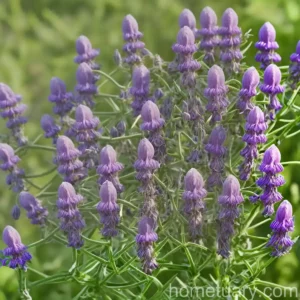
Common Laburnum (Laburnum Anagyroides): A Comprehensive Guide
The Common Laburnum, scientifically known as Laburnum anagyroides, is a captivating flowering plant that has earned a significant place in gardens and landscapes due to its vibrant and abundant clusters of yellow flowers. This guide aims to provide a comprehensive insight into the various aspects of this beautiful plant, including its characteristics, growth requirements, care tips, propagation methods, diseases and pests, and much more.
What is Common Laburnum?
Common Laburnum, or Laburnum Anagyroides, is a deciduous flowering tree or shrub belonging to the Fabaceae family. It is native to the mountainous regions of central and southern Europe. The plant is renowned for its pendulous clusters of bright yellow flowers, which bloom in late spring and early summer, creating a stunning visual display. The attractive foliage, coupled with the abundant flowers, makes the Common Laburnum a sought-after ornamental plant in various landscapes and gardens.
Common Laburnum (Laburnum Anagyroides) Facts
Common Name:
Laburnum
Scientific Name:
Laburnum Anagyroides
Family:
Fabaceae
Native to:
Central and Southern Europe
Flowering Season:
Late Spring to Early Summer
Common Uses:
Ornamental Plant for Gardens and Landscapes
Now that we have a basic understanding of what the Common Laburnum is, let’s delve deeper into its various aspects, including its characteristics, growth requirements, care tips, propagation methods, diseases and pests, and much more.
Common Laburnum Characteristics
Before delving into the specific aspects of the Common Laburnum, let’s explore its key characteristics that make it a distinctive and prized addition to gardens and landscapes.
-
Pendulous Yellow Flowers: The most striking feature of the Common Laburnum is its long, drooping clusters of bright yellow flowers, which drape gracefully from the branches, creating a stunning visual impact.
-
Deciduous Foliage: The plant bears bright green, trifoliate leaves that add to its visual appeal. However, it is important to note that all parts of the Common Laburnum, including the seeds and leaves, are toxic if ingested, making it crucial to exercise caution, especially in settings frequented by children and pets.
-
Attractive Bark and Form: As the plant matures, its bark develops an intriguing pattern, adding to its aesthetic value. Additionally, the plant exhibits a graceful, natural form that contributes to its overall charm.
-
Medium to Fast Growth Rate: Common Laburnum is known for its relatively fast growth, especially when provided with optimal growing conditions.
-
Wildlife Attractant: Common Laburnum has the potential to attract various pollinators, including bees and butterflies, due to its abundant and nectar-rich flowers.
Common Laburnum Information
Growth Requirements
Optimal growth of the Common Laburnum is contingent upon providing it with the appropriate cultural conditions and care. Let’s explore its specific growth requirements in detail.
Water
Watering Requirements: The Common Laburnum generally prefers moist, well-drained soil. However, it is essential to strike a balance, as it does not thrive in waterlogged conditions. Newly planted specimens require regular watering to establish a robust root system. Once established, they demonstrate a degree of drought tolerance but fare best with consistent moisture, especially during periods of intense heat or dryness.
Watering Frequency: In general, it is advisable to water the Common Laburnum deeply and less frequently, allowing the soil to partially dry out between watering sessions.
Signs of Overwatering/Underwatering: Pay close attention to the plant’s foliage and overall appearance. Wilting, yellowing leaves may indicate both overwatering and underwatering, making it crucial to adjust the watering regimen accordingly.
Sunlight
Sun Exposure: Common Laburnum thrives in full sun to partial shade. While it can tolerate partial shade, it tends to produce the most profuse and vibrant displays of flowers when provided with ample sunlight. When planting the Common Laburnum, ensure that it receives at least six hours of direct sunlight per day.
Optimal Growing Conditions: In regions characterized by hot summers, providing the Common Laburnum with afternoon shade can be beneficial, especially in mitigating the effects of excessive heat and sun exposure.
Fertilizer
Fertilization Needs: Common Laburnum is relatively undemanding when it comes to fertilization. However, providing it with a balanced, slow-release fertilizer formulated for flowering shrubs in spring can support vigorous growth and abundant flowering.
Application Method: Apply the fertilizer evenly around the base of the plant, ensuring that it does not come into direct contact with the trunk or stems. Water the plant thoroughly after fertilization to facilitate nutrient absorption.
Frequency: A single annual application of fertilizer in early spring is generally sufficient to meet the plant’s nutritional needs.
Soil
Soil Preferences: Common Laburnum thrives in well-drained, moderately fertile soil. It adapts well to various soil types, including loamy, sandy, or clayey soils, as long as they exhibit good drainage properties.
Soil pH: The plant prefers a slightly acidic to neutral soil pH, ranging from 6.0 to 7.5. Conduct a soil test to determine the pH of the planting area, and make amendments as necessary to achieve the preferred pH range.
Soil Moisture: While the plant prefers moist soil, it is crucial to avoid consistently waterlogged conditions, as excessive soil moisture can lead to root rot and other adverse effects.
Pruning
Pruning Considerations: Pruning is essential to maintain the health, shape, and aesthetics of the Common Laburnum. Regular pruning also promotes better flowering and overall plant vigor.
Best Time to Prune: The ideal time for pruning the Common Laburnum is in late winter or early spring, before the onset of new growth. This timing allows the plant to recover from the pruning stress and allocate its resources towards healthy regrowth and flowering.
Pruning Techniques: When pruning the Common Laburnum, focus on removing dead, diseased, or crossing branches. Additionally, thinning out the canopy can enhance air circulation and light penetration, promoting the plant’s overall health.
Propagation
Propagation Methods: Common Laburnum can be propagated through various methods, including:
-
Seed Propagation: Collect seeds from mature seed pods and sow them in a well-draining seed-starting mix. Keep the soil consistently moist, and provide the seeds with warmth and indirect light to facilitate germination.
-
Softwood Cuttings: Take softwood cuttings from young, healthy shoots in late spring or early summer. Dip the cut ends in a rooting hormone, and place the cuttings in a well-draining potting mix. Maintain consistent moisture and warmth to encourage root development.
-
Layering: Air layering is another viable method of propagation for Common Laburnum. Select a healthy, low-hanging branch, and wound a section of the stem. Apply a rooting hormone to the wounded area, wrap it in a moist substrate, and secure it in place. Once roots develop, separate the new plant from the parent and transplant it to a suitable location.
Common Laburnum Growth Requirements
Cultural Practices
In addition to the fundamental growth requirements, certain cultural practices can contribute to the optimal growth and performance of the Common Laburnum.
-
Mulching: Apply a layer of organic mulch around the base of the plant to conserve soil moisture, suppress weed growth, and insulate the roots. However, ensure that the mulch does not come into direct contact with the plant’s trunk or stems to prevent moisture-related issues.
-
Regular Watering: While the Common Laburnum exhibits a degree of drought tolerance, consistent and adequate watering is paramount, especially during its initial establishment phase and periods of prolonged dryness.
-
Winter Protection: In regions characterized by harsh winters, consider providing winter protection for the Common Laburnum. This may involve wrapping the plant with burlap or applying a layer of mulch around the base to insulate the roots.
-
Pest and Disease Monitoring: Regularly inspect the plant for signs of pests, diseases, or other issues. Early detection and intervention can prevent these problems from escalating and causing significant damage to the plant.
Key Takeaways – Common Laburnum (Laburnum Anagyroides)
-
Cultural Practices: Consistent watering, regular fertilization, judicious pruning, and attentive pest and disease monitoring are essential cultural practices for ensuring the optimal growth and performance of the Common Laburnum.
-
Propagation Methods: The Common Laburnum can be propagated through seed sowing, softwood cuttings, or layering, providing opportunities for gardeners to propagate and expand their plant collections.
-
Distinctive Characteristics: The pendulous clusters of bright yellow flowers, deciduous foliage, attractive bark, and medium to fast growth rate are among the striking characteristics that define the Common Laburnum.
-
Toxic Properties: It is crucial to highlight the toxic nature of various parts of the Common Laburnum, as awareness of its toxicity is essential, especially in settings frequented by children and pets.
Common Laburnum Flowering Season
The flowering season of the Common Laburnum, characterized by the abundant display of vibrant yellow flowers, typically occurs in late spring to early summer. This period marks the pinnacle of the plant’s visual appeal, as it adorns itself with cascading clusters of flowers, creating a breathtaking spectacle in gardens and landscapes.
Flowering Patterns
The Common Laburnum is renowned for its profuse and vibrant flowering, with long, pendulous clusters of yellow flowers creating a striking visual display. The flowers typically emerge in late spring, gradually reaching peak bloom and persisting through early summer before transitioning to seed development.
Fall Foliage
Following the flowering season, the foliage of the Common Laburnum undergoes a transition, marking the onset of fall. While the plant’s primary ornamental appeal lies in its spring and early summer flowering, the transition in foliage color during the fall adds seasonal interest and diversity to its overall visual impact.
Wildlife Habitat
The abundant flowers of the Common Laburnum serve as a valuable nectar source for various pollinators, including bees and butterflies. As such, the plant contributes to the ecological landscape of gardens and natural settings, offering sustenance to beneficial insect species.
Common Laburnum Maintenance
Disease Diagnosis
Despite its overall resilience, the Common Laburnum is susceptible to certain diseases that can impact its health and aesthetics. Let’s explore some common diseases that may affect the plant and how to diagnose them.
Common Diseases
-
Powdery Mildew (Erysiphe alphitoides): Powdery mildew often manifests as a white powdery coating on the leaves and other plant parts, leading to distorted growth and reduced vigor. It thrives in humid conditions and can be addressed through cultural practices and, if necessary, the application of fungicidal treatments.
-
Root Rot (Various Pathogens): Excessive soil moisture and poor drainage can predispose the Common Laburnum to root rot issues. Symptoms include wilting, yellowing leaves, and overall decline in plant health. Addressing underlying cultural and soil-related issues is crucial in preventing and managing root rot.
-
Leaf Spot (Cercospora and Phyllosticta species): Leaf spot diseases manifest as circular lesions on the foliage, often surrounded by a darker border. Good sanitation practices, removal of infected leaves, and, if necessary, the application of fungicidal treatments can help manage leaf spot diseases.
-
Anthracnose (Various Pathogens): Anthracnose may cause dark, sunken lesions on the leaves, stems, and flowers of the Common Laburnum. Pruning to improve air circulation, promoting overall plant health, and mitigating excess moisture can aid in managing anthracnose.
Disease Diagnosis
When diagnosing diseases affecting the Common Laburnum, it is essential to conduct a thorough assessment of the plant’s symptoms, including:
-
Leaf Abnormalities: Look for signs of discoloration, spots, lesions, or powdery coatings on the leaves, as these may indicate specific diseases.
-
Stunted Growth or Decline: Note any anomalies in growth patterns, such as reduced vigor, wilting, or overall decline in plant health.
-
Root Health: Carefully inspect the roots for signs of rot or damage, especially if the plant exhibits symptoms of poor health.
-
Environmental Conditions: Consider the prevailing environmental factors, including moisture levels, sun exposure, and overall cultural practices, to assess their potential impact on disease development.
Pest Management
In addition to diseases, the Common Laburnum may also face certain pest pressures that can compromise its health and aesthetics. Let’s explore some common pests that may affect the plant and how to manage them effectively.
Common Pests
-
Aphids: These tiny, sap-sucking insects can congregate on the tender growth of the Common Laburnum, causing distorted foliage and a decline in overall plant vigor. Natural predators, such as ladybugs, lacewings, and parasitic wasps, can aid in managing aphid populations.
-
Scale Insects: Scale insects may infest the stems and foliage of the plant, appearing as small, immobile bumps. Pruning and the application of horticultural oils or insecticidal soaps can help manage scale infestations.
-
Caterpillars: Certain caterpillar species may feed on the foliage of the Common Laburnum, leading to defoliation and aesthetic damage. Hand-picking caterpillars and deploying biological controls can aid in managing their populations.
-
Leaf Miners: Leaf miner larvae create distinctive serpentine patterns on the foliage as they feed internally, potentially compromising the plant’s overall aesthetics. Pruning infested foliage and the application of targeted insecticides can help manage leaf miner populations.
Pest Monitoring and Intervention
Monitoring the Common Laburnum for signs of pests is crucial in implementing timely intervention measures. Key considerations for pest management include:
-
Regular Inspection: Routinely inspect the plant for signs of pest activity, including distorted growth, stippled or discolored foliage, and the presence of insects or their larvae.
-
Biological Controls: Encouraging natural predators, such as beneficial insects and birds, can help maintain pest populations and prevent outbreaks.
-
Cultural Practices: Practices such as maintaining plant health, ensuring optimal growing conditions, and promoting biodiversity can contribute to pest-resistant landscapes.
-
Targeted Treatments: In cases of severe infestations, targeted applications of insecticidal soaps, horticultural oils, or specific insecticides may be warranted to manage pest populations effectively.
Botanist’s Tips for Common Laburnum Care
Care Considerations
As a plant enthusiast or gardener, implementing the following tips and considerations can contribute to the overall health, vigor, and ornamental appeal of the Common Laburnum in various garden and landscape settings.
-
Prudent Pruning: Adhering to appropriate pruning practices, such as removing dead, diseased, or crossing branches, can promote better flowering, enhanced aesthetics, and overall plant health.
-
Adequate Watering: Consistent and appropriate watering, especially during the plant’s establishment phase and in periods of prolonged dryness, is key to sustaining the Common Laburnum’s health and vitality.
-
Pollinator Support: Embracing the plant’s role as a pollinator attractant and supporting biodiversity can enhance the ecological value of the Common Laburnum in garden and natural settings.
-
Visual Impact: Leveraging the plant’s distinctive flowering display and overall form can contribute to creating visually appealing compositions, whether in formal landscapes or more naturalistic settings.
-
Awareness of Toxicity: Educating oneself and others about the toxic properties of the Common Laburnum is essential, especially in environments where human and animal interactions with the plant are likely.
Common Laburnum Landscaping Ideas
Usage in Landscapes
The Common Laburnum offers versatile possibilities for landscape design and composition, with its vibrant floral display, distinctive form, and potential ecological contributions. Let’s explore some landscaping ideas that leverage the ornamental attributes of this captivating plant.
-
Focal Point Planting: Utilize the Common Laburnum as a focal point in the landscape, leveraging its luminous display of yellow flowers and overall form to draw attention and create visual interest.
-
Mixed Border Plantings: Integrate the Common Laburnum into mixed border plantings, complementing its flowering period with other plants that offer diverse seasonal interest and textural contrast.
-
Informal Woodland Gardens: Embrace the natural form and grace of the Common Laburnum by incorporating it into informal woodland garden settings, allowing it to thrive in the presence of companion plants and dappled light.
-
Accentuating Pathways: Plant the Common Laburnum along pathways or walkways to capitalize on its visually arresting flowering display, creating an enchanting journey through the landscape.
-
Wildlife-Friendly Plantings: In settings focused on supporting biodiversity and wildlife, the abundant flowers of the Common Laburnum can serve as a valuable nectar source for pollinators, contributing to the overall ecological balance.
Common Laburnum Pollinators
The vibrant floral display of the Common Laburnum serves as a potent lure for various pollinators, enhancing its ecological value and contributing to the overall health of the landscape. Let’s explore the potential pollinators that may be attracted to the flowers of the Common Laburnum.
Pollinator Attraction
-
Bees: Various bee species, including honeybees, bumblebees, and solitary bees, are drawn to the abundant nectar and pollen provided by the flowers of the Common Laburnum. Their visits contribute to the pollination of the plant and the potential formation of seeds.
-
Butterflies: Certain butterfly species may also be attracted to the nectar-rich flowers of the Common Laburnum, flitting from bloom to bloom and contributing to the plant’s pollination and the overall diversity of the landscape.
-
Other Insect Pollinators: Various other insect species, such as beetles and flies, may play a role in pollinating the Common Laburnum, further underlining its potential as a pollinator-friendly plant.
Supporting Pollinators
In actively supporting the pollinators attracted to the Common Laburnum, gardeners and land managers can play a crucial role in maintaining diverse and resilient ecosystems. Key considerations include:
-
Maintaining Biodiversity: By providing a diverse range of nectar and pollen sources throughout the landscape, including the Common Laburnum, individuals can contribute to the sustenance of a broad spectrum of pollinators.
-
Reducing Pesticide Usage: Minimizing the use of broad-spectrum pesticides and adopting targeted, environmentally sensitive pest management practices can safeguard pollinator populations in garden and landscape settings.
-
Educational Outreach: Promoting awareness of the valuable role played by pollinators and the plants that support them can foster a culture of pollinator-friendly landscapes and actions that benefit broader ecological health.
Common Laburnum Medicinal Uses
Historical Significance
While the Common Laburnum is primarily valued for its ornamental attributes, it has historically been associated with certain medicinal uses. However, it is critical to emphasize that various parts of the plant, including the seeds and leaves, are toxic if ingested and must not be used for medicinal purposes without expert guidance and supervision.
Symbolism and Folklore
In certain cultures, the Common Lab