Common Juniper (Juniperus communis ‘Compressa’): A Comprehensive Guide
As plant scientists, we are constantly fascinated by the vast diversity and resilience of plant species. In this article, we will delve into the world of common juniper, specifically focusing on the Juniperus communis ‘Compressa’ variety.
What is Plant: Common Juniper (Juniperus communis ‘Compressa’)?
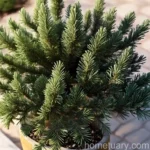
The common juniper, scientifically known as Juniperus communis, is a species of coniferous shrub that belongs to the Cupressaceae family. The ‘Compressa’ variety is a slow-growing evergreen shrub with a distinctive columnar, upright growth habit. This plant is renowned for its compact and narrow form, making it an excellent choice for gardens, landscapes, and container cultivation.
Key Takeaways – Common Juniper (Juniperus communis ‘Compressa’)
Before we delve into the specifics of common juniper care and cultivation, let’s outline the key takeaways about this fascinating plant:
- Plant Name: Common Juniper (Juniperus communis ‘Compressa’)
- Growth Habit: Columnar, Upright
- Foliage: Evergreen, Needle-like
- Adaptability: Suitable for Various Growing Environments
- Landscape Uses: Ornamental, Screening, Topiary
- Special Characteristics: Drought-Tolerant, Low Maintenance
Now, let’s explore the essential aspects of caring for and cultivating common juniper, including its cultural requirements, uses, and maintenance guidelines.
Culture
Water
Common juniper is renowned for its remarkable drought tolerance, making it well-suited for dry or xeric landscapes. However, during the initial establishment period, regular watering is essential to ensure proper root development. Once established, the plant can thrive in a wide range of moisture conditions, from well-drained soils to moderately dry environments.
Sunlight
Juniperus communis ‘Compressa’ exhibits a preference for full sun exposure. It flourishes in locations with ample sunlight, displaying optimal growth and maintaining its compact form when provided with direct sunlight for the majority of the day.
Fertilizer
Minimal fertilization is necessary for common juniper, particularly in nutrient-rich soils. A balanced, slow-release fertilizer applied in early spring can provide the plant with the essential nutrients for healthy growth. It is crucial to avoid excessive fertilization, as this may disrupt the plant’s natural growth habit.
Soil
This plant thrives in well-drained soils with a preference for slightly acidic to neutral pH levels. Soil with good drainage is vital to prevent waterlogging, which can adversely affect the plant’s root system.
Pruning
Pruning common juniper, particularly the ‘Compressa’ variety, is primarily focused on maintenance rather than extensive shaping. Regular removal of dead or diseased branches and light shaping to maintain its columnar form may be necessary. It’s important to avoid severe pruning, as this can hinder the plant’s natural growth habit.
Uses
Landscape Uses
Common juniper, particularly the ‘Compressa’ variety, serves various purposes in landscape design. Its compact and narrow growth habit makes it an excellent choice for:
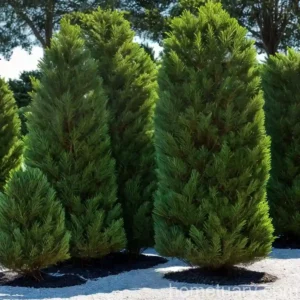
- Privacy Screening: Common juniper can be used to create natural barriers for added privacy in gardens or landscapes.
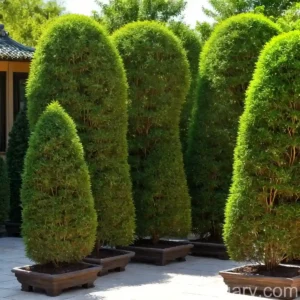
- Topiary Art: The upright form of Juniperus communis ‘Compressa’ lends itself to topiary and sculptural applications, adding an artistic element to garden spaces.
- Ornamental Accent: The plant’s evergreen foliage and distinctive form make it a captivating ornamental addition to gardens and landscapes.
Container Cultivation
The compact nature of common juniper makes it an ideal candidate for container cultivation. Whether used in individual containers or as part of mixed plant arrangements, the ‘Compressa’ variety adds vertical interest and greenery to outdoor spaces, patios, and balconies.
Propagation
Common juniper can be propagated through various methods, including seed propagation and vegetative propagation through cuttings. While the ‘Compressa’ variety may have specific requirements for propagation due to its growth habit, the fundamental principles of juniper propagation apply.
Common Diseases
Despite its hardiness, common juniper may be susceptible to certain diseases, including:
- Rust Diseases: Certain rust fungi can affect junipers, leading to orange-colored growths on the needles.
- Canker Diseases: Canker-causing pathogens can result in the development of sunken or discolored areas on the plant’s stems.
Disease Diagnosis
Early detection of common juniper diseases is crucial for effective management. Close monitoring of the plant for any signs of discoloration, abnormal growths, or changes in foliage health can aid in the timely diagnosis of potential disease issues.
Common Pests
While common juniper is generally resistant to many pests, it may occasionally encounter pest issues such as:
- Spider Mites: These tiny pests can cause stippling and discoloration of juniper foliage.
- Bagworms: The larvae of bagworm moths can feed on juniper foliage, leading to defoliation if not managed.
Botanist’s Tips
To maintain the health and vitality of common juniper, consider these botanist-recommended tips:
- Regular Inspection: Periodically inspect the plant for signs of pests, diseases, or environmental stress.
- Proper Pruning: Exercise caution and restraint when pruning, focusing on selective maintenance rather than aggressive shaping.
Fun Facts
- Common juniper has a long history of traditional and medicinal uses, with its aromatic berries being utilized in various cultural practices.
Links to External Resources
For additional information on common juniper, consider exploring the following resources:
– Royal Horticultural Society – Common Juniper Care
– University of Maryland Extension – Common Juniper Fact Sheet
At this juncture, we have covered critical aspects of common juniper care, from its cultural requirements to common diseases and propagation techniques. Moving forward, we will explore additional details about the ‘Compressa’ variety, delve into its medicinal properties, and provide insights into landscaping and container gardening with this exceptional plant.
Plant Name: Common Juniper (Juniperus communis ‘Compressa’)
As we focus on the specific variety of Juniperus communis, the ‘Compressa’ cultivar exhibits unique characteristics that set it apart from other juniper varieties. Its upright, narrow growth habit and dense foliage make it an exceptional choice for diverse gardening and landscaping applications.
Common Juniper Uses
Common juniper, particularly the ‘Compressa’ variety, serves a multitude of purposes, including:
- Ornamental Landscaping: The compact form and evergreen foliage of ‘Compressa’ contribute to its ornamental appeal in garden settings.
- Topiary and Sculpture: The vertical growth habit of this juniper variety lends itself to topiary and sculptural designs, adding an artistic touch to outdoor spaces.
Juniperus communis ‘Compressa’ Growth Habit
The ‘Compressa’ variety is characterized by its columnar and compact growth habit, with a distinctive upright form. Its dense foliage and slow growth rate make it an excellent choice for creating vertical accents and green screens in landscapes.
Common Juniper Plant Characteristics
To better understand the unique attributes of Juniperus communis ‘Compressa’, let’s explore its key plant characteristics:
- Form: Upright, Columnar
- Foliage: Evergreen, Needle-like
- Growth Rate: Slow
- Texture: Fine, Dense
How to Grow Juniperus communis ‘Compressa’
Successfully growing the ‘Compressa’ variety involves providing optimal growing conditions, including ample sunlight, well-drained soil, and minimal maintenance. By adhering to suitable cultural practices, gardeners can ensure the sustained health and vigor of this remarkable plant.
Juniperus communis ‘Compressa’ Pruning
Proper pruning techniques for ‘Compressa’ focus on maintaining its natural form and density, with minimal shaping required. It is essential to approach pruning with care to avoid disrupting the plant’s inherent growth habit.
Juniperus communis ‘Compressa’ Planting Tips
When planting Juniperus communis ‘Compressa’, consider the following tips for optimal establishment and growth:
- Site Selection: Choose a location with full sun exposure and well-drained soil for planting.
- Spacing: Provide adequate spacing between plants to accommodate the mature width of the ‘Compressa’ variety.
- Soil Preparation: Ensure the soil is well-drained and amend it with organic matter if necessary to enhance growing conditions.
Common Juniper Disease Prevention
Implementing effective disease prevention measures is crucial for maintaining the health of Juniperus communis ‘Compressa’. By promoting proper cultural practices and monitoring for early signs of disease susceptibility, gardeners can minimize the impact of potential diseases.
Juniperus communis ‘Compressa’ Maintenance
The low-maintenance nature of the ‘Compressa’ variety makes it an appealing choice for landscaping and gardening. Minimal care, combined with strategic pruning and occasional monitoring, can contribute to the sustained health and vitality of this plant.
Common Juniper Landscape Uses
The ‘Compressa’ variety of Juniperus communis offers versatile applications in landscape design, including:
- Vertical Accents: Its upright form makes it an ideal choice for creating vertical visual interest in garden settings.
- Privacy Screening: When planted in clusters, ‘Compressa’ can serve as an effective privacy screen or natural barrier in landscapes.
Juniperus communis ‘Compressa’ Soil Requirements
Suitable soil conditions for the ‘Compressa’ variety should encompass the following attributes:
- Drainage: Well-Drained
- pH: Slightly Acidic to Neutral
- Texture: Loamy or Sandy
Common Juniper Propagation Methods
The propagation of Juniperus communis ‘Compressa’ commonly involves techniques such as:
- Cuttings: Vegetative propagation through stem cuttings is a viable method for propagating the ‘Compressa’ variety.
- Seeds: Seed propagation can also be employed, although it may take longer to establish plants compared to vegetative methods.
Juniperus communis ‘Compressa’ Water Needs
While exhibiting excellent drought tolerance once established, the ‘Compressa’ variety may require regular watering during the initial establishment period to support root development. Once mature, it can thrive in moderately dry conditions.
Common Juniper Sunlight Preferences
Juniperus communis ‘Compressa’ thrives in full sun exposure and displays optimal growth and form when provided with ample sunlight. Sustained exposure to sunlight is essential for maintaining the plant’s compact and dense foliage.
Juniperus communis ‘Compressa’ Container Gardening
The ‘Compressa’ variety is well-suited for container gardening, offering gardeners the opportunity to incorporate its vertical form and evergreen foliage into various outdoor settings. When grown in containers, it can act as a striking focal point or vertical accent.
Common Juniper Varieties
In addition to the ‘Compressa’ variety, several other Juniperus communis cultivars exhibit unique growth habits, foliage characteristics, and applications in gardening and landscaping.
Juniperus communis ‘Compressa’ Hardiness
With its adaptability to diverse growing conditions and remarkable hardiness, the ‘Compressa’ variety can thrive in various climates, offering resilience against both extreme temperatures and environmental stressors.
Common Juniper Companion Plants
When designing planting schemes that incorporate Juniperus communis ‘Compressa’, consider complementing it with suitable companion plants, such as:
- Drought-Tolerant Perennials: Plants with similar water requirements can create harmonious arrangements along with the ‘Compressa’ variety.
- Low-Growing Shrubs: Species that contrast in form and texture can provide visual interest when paired with ‘Compressa’ in landscape designs.
Juniperus communis ‘Compressa’ Winter Care
During winter, ‘Compressa’ may benefit from protective measures in regions with harsh weather conditions. Mulching and shielding sensitive foliage can aid in preserving the plant’s health during the colder months.
Common Juniper Pest Control
To mitigate potential pest issues, proactive pest control measures for ‘Compressa’ may involve:
- Monitoring: Regular inspections to detect early signs of pest infestations.
- Cultural Practices: Promoting plant health through suitable cultural practices to reduce susceptibility to pests.
Juniperus communis ‘Compressa’ Pruning Techniques
Focused and strategic pruning techniques are pivotal for maintaining the natural form and density of the ‘Compressa’ variety, enhancing its ornamental appeal in garden and landscape settings.
Common Juniper Medicinal Properties
Common juniper, including the ‘Compressa’ variety, has a history of traditional medicinal uses, particularly pertaining to its aromatic berries and essential oils used in various cultural and herbal remedies.
Juniperus communis ‘Compressa’ Landscape Design
In landscape design, Juniperus communis ‘Compressa’ can be utilized to create compelling visual compositions, imparting vertical emphasis and structure to garden spaces and outdoor environments.
Common Juniper Wildlife Benefits
The presence of common juniper, including the ‘Compressa’ variety, can provide valuable ecological benefits, including shelter and food sources for diverse wildlife, such as birds.
Juniperus communis ‘Compressa’ Pollination Methods
Juniperus communis, including the ‘Compressa’ variety, undergoes pollination primarily through wind dispersal of pollen, contributing to the formation of its distinctive berries.
Common Juniper Topiary Techniques
The columnar growth habit of Juniperus communis ‘Compressa’ lends itself to topiary and sculptural applications, offering opportunities for artistic expressions in garden designs.
Juniperus communis ‘Compressa’ Native Habitat
The native habitat of Juniperus communis encompasses regions with diverse environmental conditions, spanning from arid landscapes to mountainous terrain, reflecting its adaptability and resilience.
Common Juniper Seasonal Care
Adapting to seasonal changes, effective seasonal care for the ‘Compressa’ variety may involve:
- Spring: Monitoring new growth and initiating any necessary maintenance practices.
- Summer: Ensuring adequate water supply, particularly during dry periods.
- Fall: Preparing the plant for winter and addressing any maintenance needs.
- Winter: Implementing protective measures to safeguard the plant from harsh winter conditions.
Juniperus communis ‘Compressa’ Container Size Recommendations
When incorporating ‘Compressa’ into container gardening, the selection of suitable container sizes plays a crucial role in accommodating its mature growth and root development.
Common Juniper Foliage Color
The evergreen foliage of Juniperus communis ‘Compressa’ exhibits a rich green coloration, providing year-round visual appeal in garden and landscape settings.
Juniperus communis ‘Compressa’ Drought Tolerance
With its remarkable adaptability to dry and arid conditions, the ‘Compressa’ variety showcases exceptional drought tolerance, making it a resilient choice for water-conserving landscapes.
Common Juniper Bonsai Cultivation
The ‘Compressa’ variety of Juniperus communis presents an intriguing option for bonsai cultivation, offering a distinct growth habit and foliage characteristics ideal for bonsai designs.
Juniperus communis ‘Compressa’ Growth Rate
Characterized by a slow growth rate, the ‘Compressa’ variety of Juniperus communis exhibits gradual and steady development, contributing to its longevity and structural integrity.
Common Juniper Natural Remedies
Aromatic components derived from common juniper, including the ‘Compressa’ variety, have been utilized in various traditional and herbal remedies, contributing to its cultural significance.
Juniperus communis ‘Compressa’ Outdoor vs Indoor Growth
While primarily suited for outdoor cultivation, Juniperus communis ‘Compressa’ can be grown indoors under appropriate conditions, offering an alternative for indoor gardening and container cultivation.
Common Juniper Windbreak Benefits
With its dense foliage and resilient nature, common juniper, including the ‘Compressa’ variety, can serve as an effective windbreak, providing protection and shelter in exposed landscapes.
Juniperus communis ‘Compressa’ Flowering Period
The flowering period of Juniperus communis ‘Compressa’ typically occurs during spring, showcasing its inconspicuous yet significant reproductive structures.
Common Juniper Landscape Design Ideas
Incorporating Juniperus communis ‘Compressa’ into landscape designs offers diverse creative possibilities, ranging from sculptural elements to functional green screens.
Juniperus communis ‘Compressa’ Needle Characteristics
The needle-like foliage of ‘Compressa’ is a defining feature, contributing to its dense and compact appearance, making it an appealing choice for ornamental and landscape applications.
Common Juniper Soil pH Preferences
The ‘Compressa’ variety of Juniperus communis exhibits a preference for slightly acidic to neutral soil pH levels, reflecting its adaptability to a wide range of soil conditions.
Juniperus communis ‘Compressa’ Pruning Schedule
Appropriate pruning schedules for ‘Compressa’ focus on minimal maintenance, ensuring the preservation of its natural form and density in garden and landscape settings.
Common Juniper Container Gardening Tips
When cultivating Juniperus communis ‘Compressa’ in containers, consider the following tips to promote its health and longevity:
- Container Selection: Choose adequately sized containers to accommodate the plant’s mature growth habit.
- Drainage: Provide sufficient drainage to prevent waterlogging and ensure proper root health.
- Light Exposure: Position containers in locations with adequate sunlight exposure to support optimal growth and development.
Juniperus communis ‘Compressa’ Edible Uses
The berries of common juniper, including the ‘Compressa’ variety, are utilized in various culinary applications, offering aromatic and flavorful properties in traditional and contemporary cuisine.
Common Juniper Water Conservation
Given its exceptional drought tolerance, common juniper contributes to water conservation efforts in landscaping, particularly in xeric and water-wise garden designs.
Juniperus communis ‘Compressa’ Foliage Density
The dense and compact foliage of ‘Compressa’ enhances its ornamental appeal, contributing to its effectiveness in various landscape and garden settings.
Common Juniper Climatic Requirements
Juniperus communis, including the ‘Compressa’ variety, showcases adaptability to diverse climatic conditions, ranging from temperate regions to arid and mountainous landscapes.
Juniperus communis ‘Compressa’ Mulching Techniques
Implementing suitable mulching practices around ‘Compressa’ can aid in moisture retention and weed suppression, promoting overall plant health and vitality.
Common Juniper Aromatic Properties
The aromatic qualities of common juniper, particularly its ‘Compressa’ variety, contribute to its cultural significance and traditional uses in aromatherapy and perfumery.
Juniperus communis ‘Compressa’ Winter Hardiness Adaptations
In preparation for winter, the ‘Compressa’ variety may exhibit specific adaptations to withstand colder temperatures, including modifications in physiological processes and foliage resilience.
As we conclude our exploration of Juniperus communis ‘Compressa’, we hope that