The Incredible Common Comfrey (Symphytum Officinale)
Plants are fascinating organisms that play a crucial role in the environment and in our lives. They come in a wide array of species, each with its unique characteristics, uses, and benefits. One such remarkable plant is the Common Comfrey, scientifically known as Symphytum Officinale. In this comprehensive guide, we will delve into the world of Common Comfrey, exploring its culture, uses, care tips, and much more.
What is Common Comfrey (Symphytum Officinale)?
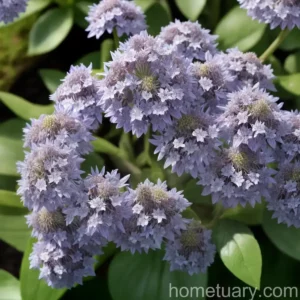
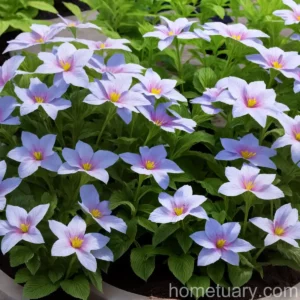
Common Comfrey, or Symphytum Officinale, is a perennial flowering plant that belongs to the Boraginaceae family. It is native to Europe and Asia but has been naturalized in various regions across the globe. This herbaceous plant is renowned for its extensive traditional uses and therapeutic properties. The plant features robust, hairy stems, and clusters of bell-shaped, pink, white, or purple flowers.
Key Takeaways – Common Comfrey (Symphytum Officinale)
Here are some essential key takeaways about Common Comfrey:
- Scientific Name: Symphytum Officinale
- Family: Boraginaceae
- Common Names: True Comfrey, Quaker Comfrey, Bone-Knit, and Knitbone
- Growth Habit: Perennial
- Native Habitat: Europe and Asia
- Traditional Uses: Medicinal and Herbal Remedies
- Cultural Significance: Important plant in organic gardening and permaculture
Now that we have a basic understanding of Common Comfrey let’s delve into its cultural practices, uses, and care tips to maximize its potential in various settings.
Culture
Cultivating Common Comfrey successfully involves understanding its specific cultural requirements. Proper care ensures that the plant thrives and yields the desired benefits.
Uses
Common Comfrey is a multifaceted plant with a wide range of uses and benefits. Let’s explore some of the most common applications of this remarkable plant:
Medicinal Uses
- Traditional remedy for bone fractures
- Natural treatment for joint pain and inflammation
- Healing skin wounds and bruises
- Improving respiratory health
- Alleviating muscle pain and promoting bone health
- Soothing digestive issues
Horticultural Uses
- Enhancing soil fertility and structure
- Valuable nitrogen fixer and composting agent
- Ideal mulch material for garden beds
- Companion planting for garden ecosystems
- Supporting organic gardening and permaculture principles
The diverse uses of Common Comfrey highlight its versatility and value in both traditional medicine and horticultural practices.
Water
Common Comfrey thrives in moist, well-draining soil. Adequate watering is essential, especially during the plant’s active growth periods. However, it is crucial to avoid waterlogged conditions, as this can lead to root rot and other problems. Here are some watering tips for Common Comfrey:
- Watering Schedule: Water deeply once or twice a week, allowing the soil to partially dry between waterings
- Avoid Overwatering: Ensure proper drainage to prevent waterlogging
- Rainwater Harvesting: Utilize collected rainwater for irrigating Comfrey plants
A consistent and balanced watering regimen contributes to the overall health and vigor of Common Comfrey plants.
Sunlight
Common Comfrey plants prefer partial to full sunlight, especially during their growing season. However, they can also tolerate some shade, particularly in regions with intense summer heat. Here’s how to manage sunlight exposure for Common Comfrey:
- Optimal Sun Exposure: Aim for 6-8 hours of sunlight daily
- Partial Shade Tolerance: Provide light shade during the hottest part of the day in warmer climates
- Adjusting Light Conditions: Monitor and adjust plant placement based on seasonal sunlight patterns
Balancing sunlight exposure ensures that Common Comfrey receives the necessary energy for robust growth and development.
Fertilizer
While Common Comfrey is known for its ability to accumulate nutrients, providing supplemental fertilization can enhance its overall performance. The following fertilization practices are recommended for cultivating thriving Comfrey plants:
- Organic Fertilizers: Use organic, balanced fertilizers to support plant growth
- Compost Amendment: Incorporate compost into the soil to enrich nutrient content
- Top Dressing: Apply a thin layer of compost around the base of the plant in spring for additional nutrients
- Avoid Excessive Fertilization: Moderation is key, as Comfrey has a natural ability to accumulate nutrients
Strategic fertilization sustains the vitality and nutrient density of Common Comfrey, promoting optimal functionality and utilization in various applications.
Soil
Common Comfrey demonstrates adaptability to various soil types, but it thrives in loamy, well-draining soil rich in organic matter. Additionally, the plant prefers a slightly alkaline to neutral soil pH. Here are essential soil considerations for cultivating Common Comfrey:
- Ideal Soil Type: Loamy, well-draining soil with high organic content
- pH Level: Aim for a pH range of 6.0-7.0 for optimal growth
- Soil Amendments: Incorporate compost and organic matter for enhanced soil fertility
- Soil Moisture: Maintain moderate soil moisture levels to support plant health
Proper soil preparation and maintenance create a conducive environment for robust Common Comfrey growth and functionality.
Pruning
Pruning Common Comfrey contributes to maintaining the plant’s vigor and preventing overgrowth. While the plant exhibits vigorous growth, periodic pruning can help manage its size and promote healthy foliage and flowering. Follow these guidelines for effective Common Comfrey pruning:
- Pruning Frequency: Conduct pruning in late winter or early spring before new growth emerges
- Remove Old Foliage: Trim back old leaves and stems to promote fresh growth
- Deadheading Flowers: Remove spent flowers to encourage continuous blooming
- Shape Management: Adjust the plant’s shape and size to fit the desired garden space
Regular pruning promotes Common Comfrey’s health and aesthetics, ensuring an attractive and functional plant in various settings.
Propagation
Multiplying Common Comfrey through propagation techniques offers the opportunity to expand plant populations and maximize their benefits. The following methods are commonly used for propagating Comfrey:
- Division: Divide mature clumps to create new plants
- Root Cuttings: Utilize root cuttings to establish new Comfrey plants
- Seed Propagation: Grow Comfrey from seeds for genetic diversity and new cultivars
Applying effective propagation methods expands Common Comfrey populations and supports its widespread utilization in diverse environments.
Container Popularity
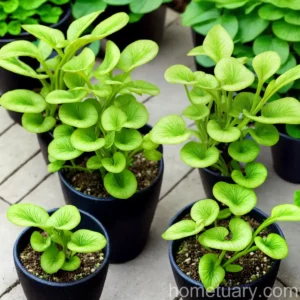
Common Comfrey’s adaptability and low maintenance requirements make it a popular choice for container gardening. Cultivating Comfrey in containers offers several advantages, including space flexibility and targeted care. Here are some key considerations for growing Common Comfrey in containers:
- Container Selection: Choose large, sturdy containers to accommodate Comfrey’s robust growth
- Well-Draining Soil: Utilize high-quality, well-draining potting mix for optimal container cultivation
- Watering Management: Monitor soil moisture levels and adjust watering frequency as needed
- Sunlight Provision: Position containers in areas with adequate sunlight exposure for healthy plant development
Container gardening allows for the practical integration of Common Comfrey in various settings, from urban environments to limited garden spaces.
Common Diseases
Common Comfrey is relatively resistant to diseases and pests, but occasional issues may arise, affecting the plant’s health and vigor. Understanding potential diseases and their management is crucial for maintaining Comfrey plants in optimal condition. Here are some common diseases that may affect Common Comfrey:
Bacterial Leaf Spot
- Identification: Circular or irregular dark spots on leaves
- Management: Remove and dispose of infected plant parts; apply copper-based fungicides
Powdery Mildew
- Symptoms: White powdery patches on leaves and stems
- Management: Increase air circulation; apply sulfur or neem oil-based fungicides
Crown Rot
- Signs: Stunted growth, yellowing, and wilting
- Management: Improve drainage; remove infected plants and soil; sterilize tools and containers
Understanding disease symptoms and adopting preventive measures is essential for preserving Common Comfrey’s health and productivity.
Disease Diagnosis
Accurate diagnosis of plant diseases is crucial for implementing effective management strategies. Common Comfrey may exhibit symptoms indicating various diseases, necessitating careful observation and diagnosis.
Diagnostic Steps
- Visual Inspection: Examine leaves, stems, and flowers for unusual markings, discoloration, or growth abnormalities
- Symptom Comparison: Compare observed symptoms with characteristic signs of common plant diseases
- Consultation: Seek advice from local horticultural experts or diagnostic services for accurate disease identification
- Management Planning: Develop a targeted management plan based on the identified disease and its specific control measures
Efficient disease diagnosis enables timely intervention and the preservation of Common Comfrey’s health and vitality.
Common Pests
While Common Comfrey is generally resilient to most pests, occasional infestations may occur, impacting plant growth and functionality. Identifying common pests and implementing appropriate control measures is essential for maintaining Comfrey plants free from destructive infestations. Here are some common pests that may affect Common Comfrey:
Aphids
- Identification: Small, soft-bodied insects clustering on plant stems and foliage
- Management: Use insecticidal soap or horticultural oils; introduce natural predators like ladybugs
Slugs and Snails
- Signs: Irregular holes and damage on foliage; presence of slime trails
- Management: Handpicking; use of copper barriers and beer traps
Caterpillars
- Symptoms: Defoliation and chewed leaves
- Management: Manual removal; application of Bacillus thuringiensis (Bt) insecticide
Implementing pest control measures safeguards Common Comfrey from detrimental pest damage, ensuring its continued health and functionality.
Botanist’s Tips
As a plant scientist deeply fascinated by Common Comfrey, I have gathered invaluable insights and tips for optimizing the cultivation and utilization of this remarkable plant. Here are some expert recommendations for growing and harnessing the potential of Common Comfrey:
-
Soil Enrichment: Incorporate organic matter and compost into the soil to enhance its fertility and structure, supporting Comfrey’s nutrient uptake and growth.
-
Multipurpose Mulch: Utilize Common Comfrey leaves as a nutrient-rich mulch for garden beds, promoting soil moisture retention and weed suppression.
-
Traditional Medicine: Embrace the traditional uses of Common Comfrey in natural remedies and herbal medicine, harnessing its therapeutic properties for various health benefits.
-
Permaculture Integration: Integrate Common Comfrey into permaculture systems as a dynamic accumulator of nutrients and as a supportive element in diverse polyculture plantings.
-
Propagation Awareness: Explore the diverse propagation methods for Common Comfrey, from root cuttings to seed propagation, to expand its presence and utility in different environments.
-
Pest Monitoring: Maintain regular pest monitoring to promptly address infestations and protect Common Comfrey from potential damage, ensuring its sustained health and performance.
-
Companion Planting: Maximize the benefits of Common Comfrey by implementing companion planting strategies to enhance garden ecosystems and improve plant health.
Fun Facts
- Common Comfrey has a rich history of traditional use in folk medicine, earning it the name ” Knitbone” due to its reputed ability to accelerate the healing of broken bones.
- This resilient plant has been cultivated for centuries as a practical solution for enhancing soil fertility and supporting sustainable agricultural practices.
- Common Comfrey’s vibrant flowers attract pollinators, contributing to ecological diversity and the preservation of beneficial insect populations.
Now that we have unraveled the remarkable traits and potential of Common Comfrey, let’s explore some valuable external resources for further information and insights.
Links to External Resources
- University of Maryland Medical Center: Comfrey
- Royal Horticultural Society: Growing Comfrey
- Permaculture Research Institute: Common Comfrey
- USDA Plants Database: Symphytum officinale
After diving into the rich world of Common Comfrey, I hope you have gained a deeper appreciation for this exceptional plant and the multitude of benefits it offers. From its traditional uses in natural remedies to its role in enhancing soil fertility, Common Comfrey continues to captivate and inspire plant enthusiasts worldwide. With careful cultivation and strategic utilization, this resilient plant has the potential to enrich gardens, landscapes, and lives in numerous ways.