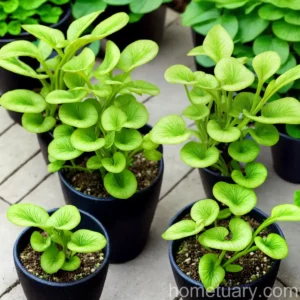
Introduction to Symphytum ‘Rubrum’ (Red Comfrey)
Comfrey, or Symphytum, is a genus of flowering plants in the family Boraginaceae. The species known as Symphytum ‘Rubrum’ or Red Comfrey is a delightful addition to any garden or landscape. It is renowned for its striking red coloration and for its various medicinal and agricultural applications. In this comprehensive guide, we will explore the various aspects of caring for, utilizing, and appreciating Symphytum ‘Rubrum’ (Red Comfrey) in different settings.
What is Symphytum ‘Rubrum’?
Symphytum ‘Rubrum’ is a herbaceous perennial plant that belongs to the Boraginaceae family. It is native to Europe and is widely cultivated for its ornamental value and medicinal properties. This plant is characterized by its vibrant red flowers and robust growth habit, making it an eye-catching addition to gardens and landscapes.
Key Takeaways – Symphytum ‘Rubrum’ (Red Comfrey)
Let’s start our journey by exploring some key takeaways about Symphytum ‘Rubrum’ (Red Comfrey).
Culture
- Botanical Name: Symphytum ‘Rubrum’
- Common Name: Red Comfrey
- Plant Type: Herbaceous Perennial
- Hardiness Zone: 4-9
- Mature Size: 24-36 inches (60-90 cm) tall, 18-24 inches (45-60 cm) wide
- Flower Color: Rich red
- Bloom Time: Late spring to mid-summer
Uses
- Ornamental: Red Comfrey adds a splash of color to gardens and can be used as a ground cover or border plant.
- Medicinal: It has been traditionally used for its medicinal properties and is believed to have anti-inflammatory and wound-healing properties.
Water
Symphytum ‘Rubrum’ prefers consistently moist soil. Adequate watering is crucial, especially during hot and dry periods, to support healthy growth and flowering.
Sunlight
Partial shade to full sun is ideal for Red Comfrey. It thrives in locations with dappled sunlight and well-drained soil.
Fertilizer
A balanced, all-purpose fertilizer can be applied in spring to promote healthy growth and vibrant blooms. However, Red Comfrey generally thrives without excessive fertilization.
Soil
Well-draining, rich soil is preferred. Red Comfrey can tolerate various soil types, but it thrives in moist, loamy soil.
Pruning
Trimming spent flowers can encourage prolonged blooming. Additionally, pruning can help manage the plant’s size and maintain its attractive appearance.
Propagation
Red Comfrey can be propagated through division and from seeds. Division is typically the preferred method for maintaining the characteristics of the parent plant.
Container Popularity
Red Comfrey is suitable for container gardening, especially for those who want to enjoy its vibrant blooms on patios, balconies, or other confined spaces.
Common Diseases
While Red Comfrey is relatively disease-resistant, it may be susceptible to certain fungal diseases, especially in conditions of excessive moisture and poor air circulation.
Common Pests
Red Comfrey is generally not plagued by severe pest issues. However, occasional pest problems such as aphids or mites may occur.
Now that we have an overview of Red Comfrey’s key attributes and requirements, let’s dive deeper into each aspect to gain a comprehensive understanding of this captivating plant.
Red Comfrey in Detail
Botanist’s Tips: Growing and Caring for Symphytum ‘Rubrum’ (Red Comfrey)
Symphytum ‘Rubrum’ (Red Comfrey) Care
Providing optimal care for Symphytum ‘Rubrum’ is essential for ensuring its vitality and enhancing its ornamental and medicinal value. Here are some essential care tips for cultivating Red Comfrey:
- Planting Time: Red Comfrey can be planted in the spring or fall. It is recommended to plant it in early spring after the last frost date has passed.
- Soil Preparation: Prepare the planting site by incorporating organic matter such as compost to enhance soil fertility and moisture retention.
- Spacing: Space Red Comfrey plants about 18-24 inches (45-60 cm) apart to allow for ample growth and air circulation.
- Watering: Provide regular watering to keep the soil consistently moist. Avoid waterlogging the soil, as Red Comfrey doesn’t tolerate standing water.
- Mulching: Apply a layer of mulch around Red Comfrey plants to conserve soil moisture and suppress weed growth.
- Pruning: Deadhead faded flowers to promote continued blooming and maintain a tidy appearance. Additionally, cut back the foliage in late fall or early spring to stimulate fresh growth.
- Fertilization: While Red Comfrey is not heavy feeder, a balanced fertilizer can be applied in spring. However, avoid over-fertilization, as excessive nutrients can negatively impact the plant.
- Division: Established Red Comfrey plants can be divided every few years in early spring to rejuvenate and propagate the plant.
Best Conditions for Symphytum ‘Rubrum’ (Red Comfrey)
Creating an ideal environment for Red Comfrey is crucial for fostering its health and vigor. Here are the best conditions for cultivating this striking plant:
- Sunlight: Select a planting location that receives partial shade to full sun. While Red Comfrey can tolerate some shade, it thrives in locations with at least 4-6 hours of direct sunlight.
- Soil Type: Well-draining, loamy soil with good fertility is optimal for Red Comfrey. Amending the soil with organic matter can enhance its texture and nutrient content.
- Watering: Provide consistent moisture to the plant, especially during periods of drought. Avoid overwatering, as it can lead to root rot and other issues.
- Temperature: Red Comfrey thrives in moderate temperatures and can tolerate both cool and mild climates. It is hardy in USDA zones 4-9.
- Air Circulation: Ensure adequate air movement around the plants to minimize the risk of fungal diseases.
Red Comfrey Cultivation Tips
To cultivate Red Comfrey successfully, consider the following tips to optimize its growth and performance:
- Mulching: Apply a layer of organic mulch, such as shredded bark or compost, around the plants to conserve soil moisture and regulate temperature.
- Support: As Red Comfrey grows, providing support such as stakes or cages can prevent the sprawling stems from becoming disheveled and promote upright growth.
- Companion Planting: Pair Red Comfrey with companion plants such as lavender, salvia, or yarrow to create visually appealing and ecologically beneficial plant combinations.
Symphytum ‘Rubrum’ (Red Comfrey) Characteristics
Understanding the characteristics of Red Comfrey can provide valuable insights into its unique attributes and potential uses. Here are some notable characteristics of this captivating plant:
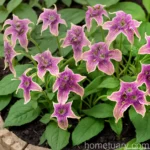
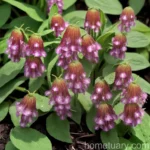
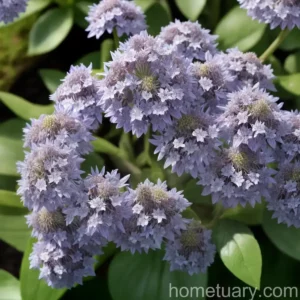
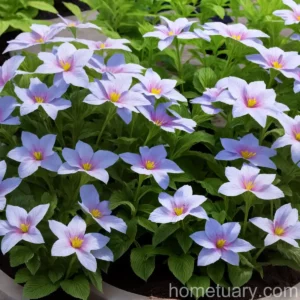
- Flower Color: The vivid red flowers of Red Comfrey are a striking feature, creating a visually appealing display in garden beds and containers.
- Foliage: The robust, lance-shaped leaves of Red Comfrey are deep green and add to the plant’s overall attractiveness, especially when planted en masse.
- Growth Habit: Red Comfrey exhibits a clumping, spreading growth habit, forming dense mounds of foliage and blooming clusters of flowers.
- Wildlife Attraction: The nectar-rich flowers of Red Comfrey attract pollinators such as butterflies and bees, contributing to garden biodiversity and ecological balance.
Now that we’ve covered the key aspects of growing and caring for Red Comfrey, let’s explore its role in landscaping, container gardening, and its potential value in traditional and herbal medicine.
Red Comfrey in Landscaping and Container Gardening
Red Comfrey for Landscaping
Red Comfrey holds significant potential for enhancing the visual appeal and ecological value of garden landscapes. Here are some considerations for integrating Red Comfrey into landscaping:
- Borders and Edges: Plant Red Comfrey along borders and edges of garden beds to create a vibrant and defined border that accentuates the colors of neighboring plants.
- Mass Plantings: Utilize Red Comfrey in mass plantings to create eye-catching displays of bold red flowers and lush foliage, adding bursts of color to various landscape settings.
Symphytum ‘Rubrum’ (Red Comfrey) for Container Gardening
The adaptability and visual appeal of Red Comfrey make it well-suited for container gardening. Here’s how you can incorporate Red Comfrey into container displays:
- Patio Planters: Red Comfrey thrives in patio planters and can bring vibrant color and texture to outdoor living spaces.
- Balcony Gardens: Create a dynamic balcony garden by incorporating Red Comfrey into container arrangements, pairing it with complementary plants to achieve visually appealing displays.
Red Comfrey: Traditional and Medicinal Uses
Symphytum ‘Rubrum’ (Red Comfrey) Medicinal Uses
Throughout history, Red Comfrey has been valued for its various traditional medicinal applications. Here are the potential medicinal uses of Red Comfrey:
- Wound Healing: Red Comfrey has been used topically to aid in the healing of cuts, bruises, and minor wounds.
- Anti-inflammatory Properties: The root and leaves of Red Comfrey have been traditionally used to address inflammatory conditions, such as arthritis and joint pain.
- Skincare: Red Comfrey preparations have been utilized in skincare products due to their purported moisturizing and soothing properties.
Red Comfrey in Herbal Medicine
Red Comfrey is recognized in herbal medicine for its potential healing properties. Here are some common applications of Red Comfrey in herbal medicine:
- Compresses and Poultices: The leaves and roots of Red Comfrey can be used to create compresses and poultices for external application to promote healing and reduce inflammation.
- Infusions and Decoctions: Red Comfrey can be infused or decocted to create medicinal teas that are purported to aid in the relief of certain health concerns.
Red Comfrey for Culinary Uses
While the culinary use of Red Comfrey is not as common as its medicinal applications, some traditional and alternative cuisine practices integrate this plant in unique ways. However, caution should be exercised when exploring its culinary uses due to the presence of certain compounds that may be harmful if ingested in large quantities.
Red Comfrey: Pests, Diseases, and Botanist’s Tips
Red Comfrey Common Diseases
Despite its overall resilience, Red Comfrey may be susceptible to certain diseases under specific conditions. Here are some common diseases that may affect Red Comfrey:
- Powdery Mildew: In conditions of high humidity and poor air circulation, Red Comfrey may develop powdery mildew, leading to white, powdery patches on the foliage.
- Crown Rot: Excessive moisture and waterlogged soil can cause root and crown rot in Red Comfrey, leading to wilting, yellowing, and dieback of the plant.
Red Comfrey Disease Diagnosis
Timely diagnosis and management of diseases are crucial for maintaining the health and vigor of Red Comfrey plants. Here are some key points to consider in diagnosing and addressing potential diseases:
- Visual Symptoms: Monitor the plants for signs of discoloration, wilting, and unusual growth patterns that may indicate the presence of diseases.
- Cultural Controls: Ensure proper cultural practices, including adequate spacing, watering, and soil drainage, to reduce the risk of disease development.
- Fungicidal Treatments: If necessary, apply targeted fungicidal treatments to address fungal infections and prevent their spread.
Red Comfrey Common Pests
While largely resistant to pest infestations, Red Comfrey may occasionally encounter pest issues. Here are some common pests that may affect Red Comfrey:
- Aphids: These small, sap-feeding insects may cluster on the undersides of Red Comfrey leaves, causing distortion and yellowing of the affected foliage.
- Spider Mites: Infestations of spider mites can lead to stippling and discoloration of Red Comfrey leaves, compromising the plant’s overall health and appearance.
Botanist’s Tips for Red Comfrey Care and Maintenance
Incorporating various care and maintenance practices can help ensure the optimal growth and performance of Red Comfrey. Here are some botanical tips to keep Red Comfrey thriving:
- Regular Inspection: Periodically inspect Red Comfrey plants for signs of pests, diseases, and nutrient deficiencies, taking proactive measures to address any issues.
- Appropriate Watering: Strive to maintain consistent soil moisture levels, avoiding both drought stress and waterlogging, to support the healthy growth of Red Comfrey.
- Pruning and Deadheading: Regularly deadhead spent flowers and trim back unruly growth to promote continued blooming and maintain the plant’s attractive appearance.
- Integrating Beneficial Plants: Consider companion planting with species that attract beneficial insects and predators to help manage potential pest issues and foster ecological balance.
Fun Facts and Additional Insights
Red Comfrey in Traditional Folklore
Throughout history, Red Comfrey has been associated with various folklore and legends. Here are some intriguing insights into the traditional significance of Red Comfrey:
- Mythological References: In certain cultures, Red Comfrey has been linked to mythical narratives and symbolic interpretations, reflecting its cultural importance.
- Folk Remedies: Red Comfrey has been historically revered for its purported healing properties and has been utilized in traditional folk remedies for various ailments and health concerns.
Red Comfrey for Wildlife Gardening
The nectar-rich flowers of Red Comfrey make it an excellent addition to wildlife-friendly gardens, attracting beneficial pollinators and contributing to the overall biodiversity of the environment.
Red Comfrey and Soil Improvement
The deep taproots of Red Comfrey enable it to access nutrients from deeper soil layers, and its decomposing foliage can contribute to soil enrichment, making it a valuable plant for soil improvement.
Red Comfrey for Shade Gardens
Due to its partial shade tolerance, Red Comfrey can be a valuable component of shade gardens, providing vibrant color and texture in areas with limited direct sunlight.
Conclusion
The allure of Symphytum ‘Rubrum’ (Red Comfrey) extends beyond its vibrant red blooms and robust foliage. With its ornamental appeal, ecological significance, and potential medicinal applications, Red Comfrey holds a place of distinction in garden landscapes, herbal lore, and biodiversity conservation. Understanding the nuances of caring for and utilizing Red Comfrey can unlock a world of possibilities for gardeners, herbal enthusiasts, and nature lovers alike. Whether it’s adorning garden borders with its striking flowers, exploring its traditional medicinal uses, or welcoming pollinators to the garden, Red Comfrey exemplifies the multifaceted beauty and utility of botanical wonders.
We hope this comprehensive guide has provided valuable insights and inspiration for your journey of discovering and appreciating Symphytum ‘Rubrum’ (Red Comfrey) in all its splendor.
References
- “Comfrey – Symphytum spp.” College of Agriculture, Health and Natural Resources – University of Connecticut.
- “Symphytum officinale (common comfrey).” Missouri Botanical Garden.
- Hopkins, G. (2008). Comfrey cultivation, properties and uses. Chelsea Green Publishing.
Let these resources guide you further in exploring the realm of Red Comfrey and its diverse attributes.
The article provides an in-depth exploration of Symphytum ‘Rubrum’ (Red Comfrey), covering its cultivation, uses, benefits, and unique characteristics. It also offers valuable insights into traditional and medicinal applications, pest and disease management, as well as folklore and ecological significance. The botanical tips and comprehensive information aim to enrich the understanding and appreciation of Red Comfrey as a compelling addition to garden landscapes and herbal traditions.