Common Buckthorn (Rhamnus Cathartica)
In the world of shrubs, the common buckthorn (Rhamnus cathartica) stands out for its ecological impacts, cultural uses, and widespread adaptability. As a.
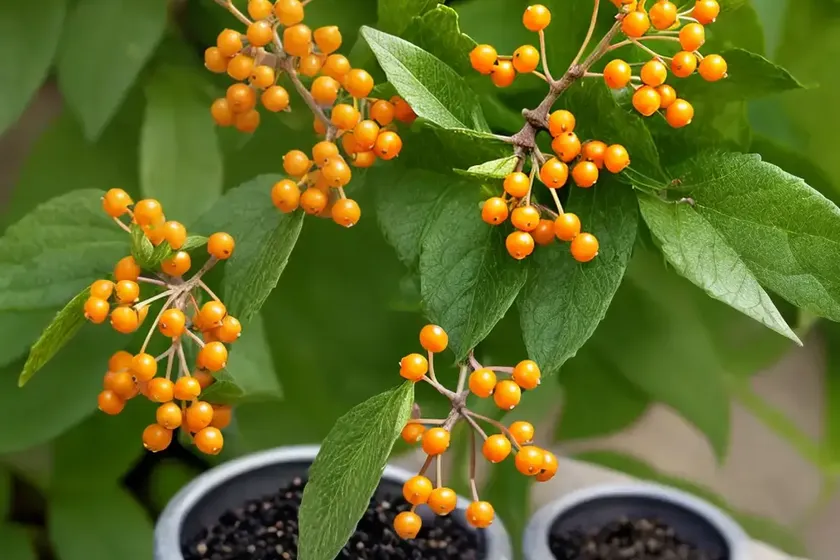
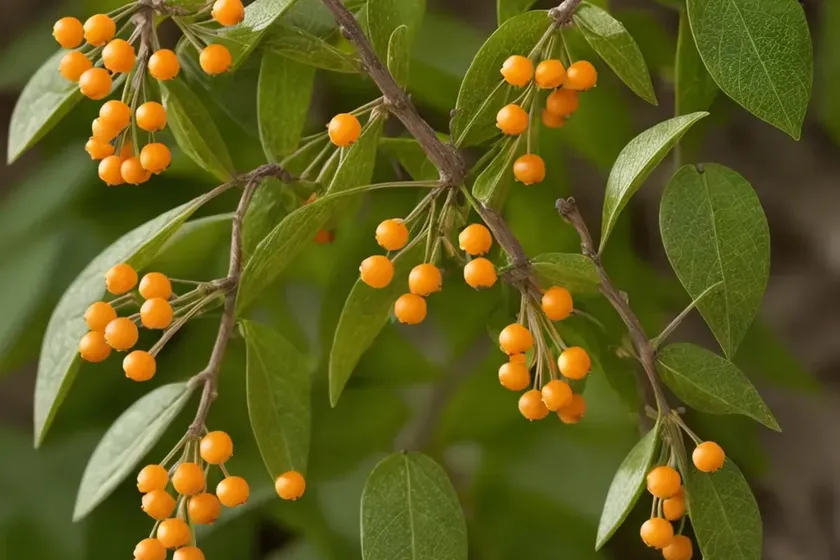
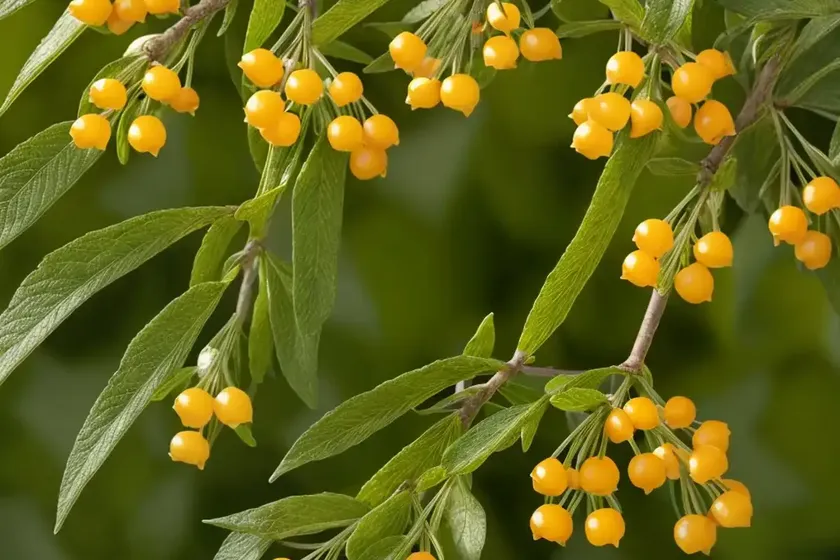
In the world of shrubs, the common buckthorn (Rhamnus cathartica) stands out for its ecological impacts, cultural uses, and widespread adaptability. As a plant scientist, I’m excited to delve into the details of this non-native shrub, its influence on ecosystems, and its practical applications. This comprehensive guide will cover all aspects of common buckthorn, from its cultural significance to ecological impacts and management strategies.
What is Common Buckthorn (Rhamnus Cathartica)?
Common buckthorn, also known as Rhamnus cathartica, is a deciduous shrub or small tree belonging to the Rhamnaceae family. It is native to Europe, northwest Africa, and western Asia. However, it has been introduced to other parts of the world, including North America, where it is considered an invasive species in many regions.
Key Takeaways – Common Buckthorn (Rhamnus Cathartica)
Before delving into the nuanced details of common buckthorn, let’s outline some key takeaways to provide a comprehensive overview of this plant.
- Rhamnus Cathartica: The scientific name for common buckthorn.
- Buckthorn Plant: Commonly referred to as a buckthorn plant due to its association with the Rhamnus genus.
- Invasive Plants: Common buckthorn is classified as an invasive plant in many regions due to its aggressive growth and negative impact on native ecosystems.
- Non-Native Shrubs: As a non-native species in many areas, common buckthorn can outcompete native plants and disrupt ecological balance.
- Plant Identification: Identifying common buckthorn is essential for effective management and conservation efforts.
- Buckthorn Control: Given its invasive nature, controlling and managing common buckthorn is a significant concern for land managers and conservationists.
- Habitat Destruction: Common buckthorn can contribute to habitat destruction, particularly in riparian habitats and wetlands.
- Ecological Impacts: Understanding the ecological impacts of common buckthorn is crucial for conservation and restoration efforts.
- Wildlife Conservation: Managing common buckthorn is vital for preserving wildlife habitats and promoting biodiversity.
- Medicinal Plants: While common buckthorn has historical uses, it is essential to be aware of its potential toxicity and impact on ecosystems.
With these key takeaways in mind, let’s explore the cultural, ecological, and practical aspects of common buckthorn in more detail.
Culture
Understanding the cultural significance and historical uses of common buckthorn provides valuable insights into its past utilization and ecological impacts.
Uses
Common buckthorn has a long history of use, with past applications in herbal remedies, natural dyes, and functional wood. However, its contemporary uses are limited due to concerns about its invasive nature and potential toxicity.
Medicinal Plants and Herbal Remedies
In traditional medicine, parts of the common buckthorn plant were utilized for their potential laxative properties. The berries of buckthorn were historically used as a natural remedy for constipation, although this application has largely fallen out of favor due to the potential adverse effects of the plant.
Buckthorn Dyes
The bark and berries of common buckthorn were historically employed for producing natural dyes. These dyes were used to color textiles, providing a valuable resource in historical dyeing processes.
Buckthorn Wood
The wood of common buckthorn was used in the past for various purposes, including crafting small items and tool handles. Its close-grained wood, while not extensively used, has demonstrated durability and workability in certain applications.
While common buckthorn has historical uses, it is important to recognize the potential ecological impacts of its utilization and the need for sustainable, environmentally-conscious practices.
Water
Understanding the water requirements of common buckthorn is crucial for successful cultivation and landscaping efforts.
Watering Needs
Common buckthorn typically thrives in moist, well-drained soils. While it can tolerate a range of soil moisture levels, consistent watering is essential during periods of dryness, particularly for young or newly established plants.
Sunlight
Proper sunlight exposure is vital for the growth and development of common buckthorn, influencing its overall health and vigor.
Sunlight
Common buckthorn thrives in full sun to partial shade, making it adaptable to a variety of light conditions.
Sunlight Requirements
While common buckthorn can tolerate partial shade, it generally performs best when provided with ample sunlight. Full sun exposure promotes robust growth, flowering, and berry production in this species. However, it can also tolerate partial shade, particularly in hotter climates, where some protection from intense afternoon sun may be beneficial.
Fertilizer
Applying appropriate fertilizers can support the growth and vitality of common buckthorn, ensuring optimal plant health.
Fertilization Practices
When fertilizing common buckthorn, it is essential to select a balanced, slow-release fertilizer to provide essential nutrients without promoting excessive vegetative growth. Applying fertilizer in the early spring can help stimulate healthy growth and support the development of berries.
Soil
Understanding the soil preferences of common buckthorn is essential for successful cultivation and management.
Soil Type
Common buckthorn demonstrates adaptability to a range of soil types, though it generally prefers moist, well-drained soils. It can thrive in various soil textures, from loamy to clayey, as long as excessive waterlogging is avoided.
Pruning
Strategic pruning of common buckthorn can promote healthy growth, shape the plant, and manage its size.
Pruning
Pruning common buckthorn is essential to control its growth, improve its appearance, and manage potential invasiveness.
Pruning Practices
When pruning common buckthorn, it is crucial to remove dead or diseased branches, thin out crowded growth, and maintain the desired shape of the plant. Spring and summer are optimal times for pruning, allowing the plant to recover and regrow effectively.
Propagation
Propagating common buckthorn can be achieved through various methods, providing opportunities to expand plantings or replace invasive species with native alternatives.
Propagation
Expanding populations of common buckthorn can be achieved through the propagation of seeds or cuttings, allowing for controlled establishment and management of new plantings.
Propagation Methods
Seed Propagation
Collecting and sowing seeds from mature common buckthorn plants can be a cost-effective method of propagation. Stratifying the seeds in a cold, moist environment can enhance germination rates and improve seedling vigor.
Cutting Propagation
Taking hardwood or softwood cuttings from established plants can yield successful propagation results. Rooting hormone treatments and consistent moisture can support the development of new roots and the establishment of propagated buckthorn plants.
Container Popularity
Growing common buckthorn in containers can provide an accessible and manageable way to cultivate this plant in a variety of settings.
Container Cultivation
While common buckthorn is typically grown in open landscapes, it can also thrive in containers, particularly when young or when space is limited. Choosing a large container with good drainage and providing proper care can support the health and vigor of container-grown buckthorn plants.
Container Common Diseases
Understanding and mitigating common diseases that affect common buckthorn is crucial for maintaining its health and preventing widespread damage.
Common Diseases
While common buckthorn is generally resilient, it can be susceptible to specific diseases that may impact its growth and vitality.
Disease Diagnosis
Anthracnose
Anthracnose, caused by fungal pathogens, can lead to leaf spots, defoliation, and reduced overall plant health. Proper sanitation, balanced watering, and fungicidal treatments can help mitigate the impact of anthracnose on common buckthorn.
Rust Diseases
Various rust fungal pathogens can affect common buckthorn, leading to visible symptoms such as yellow-orange pustules on leaves and stems. Pruning affected plant parts, promoting good air circulation, and applying appropriate fungicides can aid in managing rust diseases.
Common Pests
Identifying and managing common pests that affect common buckthorn is essential for preserving the plant’s health and reducing potential damage.
Common Pests
While common buckthorn is relatively resilient, it can be impacted by specific pests that may compromise its growth and overall vigor.
Pest Identification
Aphids
Aphids can infest common buckthorn, causing distorted growth, leaf curling, and a decline in plant health. Introducing natural predators, such as ladybugs, and employing insecticidal soaps can help control aphid populations on buckthorn plants.
Sawfly Larvae
Sawfly larvae may feed on the leaves of common buckthorn, leading to defoliation and potential stress to the plant. Pruning affected portions of the plant and employing insecticidal treatments can aid in managing sawfly infestations.
Botanist’s Tips
As a plant scientist, I have gathered essential tips for managing and understanding common buckthorn, supporting its cultivation in sustainable garden and landscaping practices.
Cultivation Tips
Native Plant Alternatives
In areas where common buckthorn is considered invasive, utilizing native plant alternatives in landscaping and restoration projects can support ecological balance and minimize the spread of non-native species.
Buckthorn Removal
For areas affected by common buckthorn invasion, employing effective removal strategies, such as mechanical and chemical methods, can aid in restoring native plant communities and supporting biodiversity.
Fun Facts
Exploring the intriguing aspects of common buckthorn can provide valuable insights into its ecological role and historical uses.
Buckthorn Trivia
- The berries of common buckthorn are a valuable food source for birds, contributing to their attraction and spread in natural habitats.
- Common buckthorn has been historically associated with herbal remedies and natural dyes, showcasing its cultural significance in traditional practices.
- The aggressive growth of common buckthorn can lead to widespread ecological impacts, necessitating strategic management in affected areas.
As we navigate the complexities of common buckthorn, it is crucial to utilize accurate and reliable resources to deepen our understanding and promote responsible management strategies.
Links to External Resources
For further exploration of common buckthorn and related topics, the following external resources are invaluable for comprehensive insights and practical guidance:
- Plant Conservation
- Invasive Species Management
- Wildlife Habitat Restoration
- Herbal Remedies and Medicinal Plants
- Gardening Tips and Landscaping Ideas
By engaging with trusted sources, we can expand our knowledge, improve our practices, and contribute to the conservation and sustainable management of common buckthorn and other plant species.
In conclusion, the exploration of common buckthorn (Rhamnus cathartica) encompasses its ecological impacts, cultural uses, and practical management strategies. By delving into its significance and characteristics, we can develop informed approaches that promote ecological balance and sustainable practices in gardening and conservation efforts.
Through continued research, education, and community engagement, we can navigate the complexities of non-native plant species and support the preservation of native ecosystems. Understanding the multifaceted nature of common buckthorn lays a foundation for effective stewardship and environmental responsibility in our interactions with plant species and natural landscapes.


