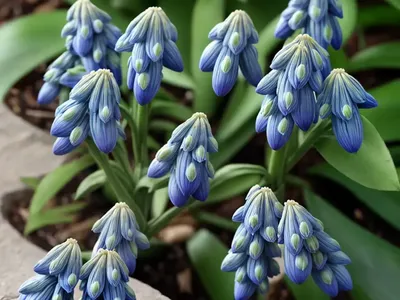
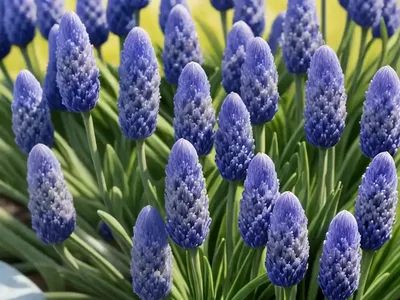
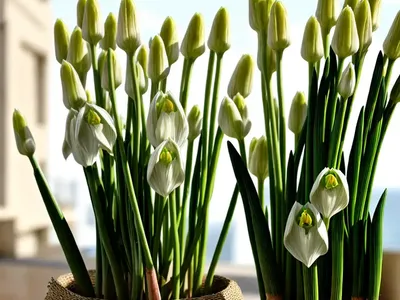
Common Bluebell (Hyacinthoides Non-scripta)
Common bluebells, scientifically known as Hyacinthoides non-scripta, are stunning perennial plants that are native to the woodlands of the United Kingdom..
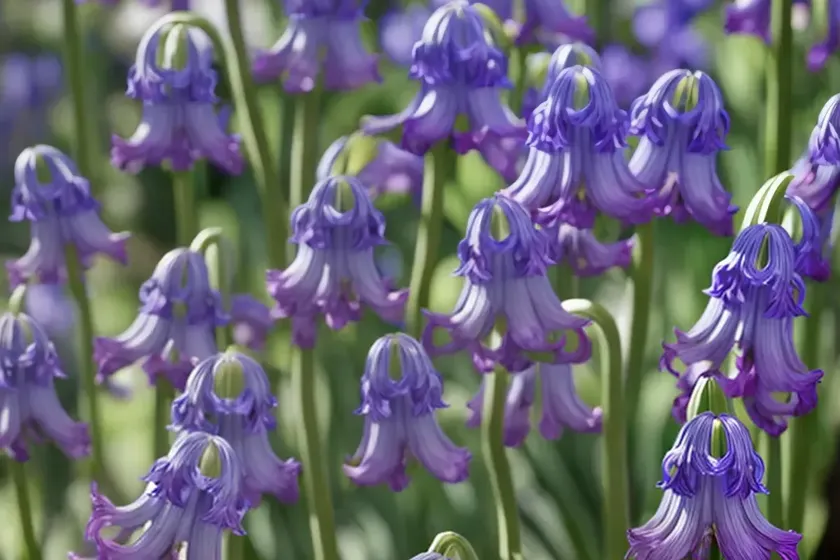
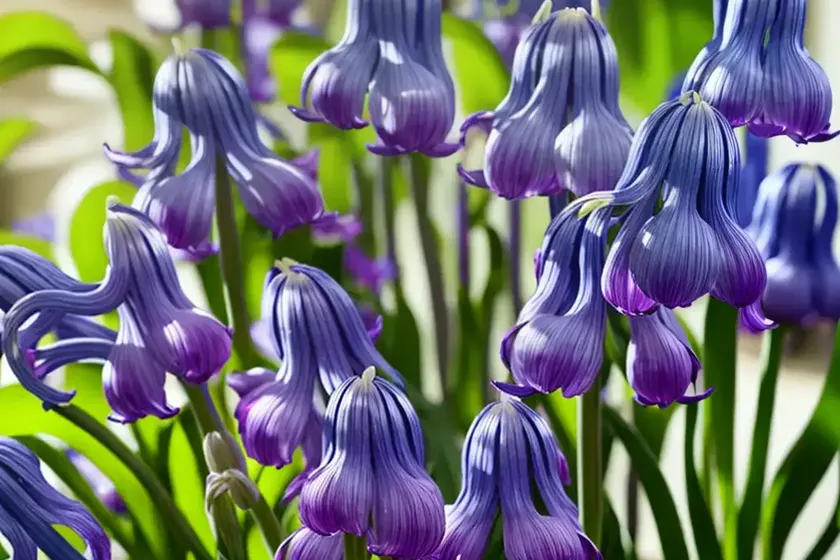
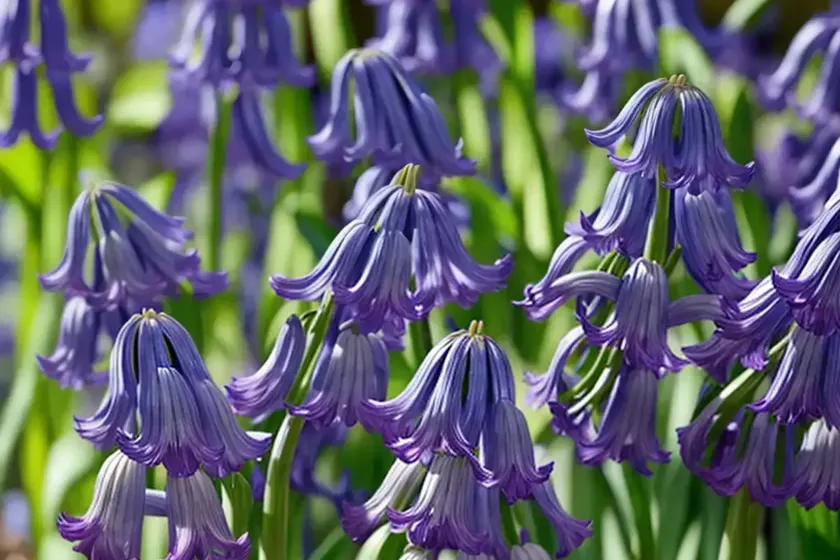
Common bluebells, scientifically known as Hyacinthoides non-scripta, are stunning perennial plants that are native to the woodlands of the United Kingdom. These delicate flowers have become a beloved symbol of spring with their vibrant display of bluebell carpets adorning the forest floors. In this blog post, we will delve into the captivating world of common bluebells, exploring their culture, uses, care, and much more.
What is a plant?
Plants are living organisms belonging to the kingdom Plantae, encompassing a wide range of species such as trees, shrubs, herbs, ferns, mosses, and more. They play a fundamental role in our ecosystem, providing oxygen, food, natural habitats for animals, and contributing to the overall balance of the environment. Commonly, plants utilize photosynthesis to convert light energy into chemical energy, allowing them to grow and thrive.
Common Bluebell (Hyacinthoides non-scripta)
Key Takeaways – Common Bluebell (Hyacinthoides non-scripta)
Let’s explore the essential aspects of the common bluebell, covering its culture, uses, and the key factors involved in its care and cultivation.
Culture
The cultural significance of common bluebells extends from folklore and tradition to their ecological role in woodlands. Their vibrant display has captured the imagination of people for centuries, leading to their integration into literature, art, and various cultural practices.
Uses
Aside from their ornamental value, common bluebells also hold medicinal and ecological significance. Their bulbs contain medicinal properties, while in their natural habitat, they support pollinating insects and other woodland flora and fauna.
Water
Proper watering is crucial for the health of common bluebells, especially during their growing season. Consistent moisture is essential, but it’s equally important to ensure good drainage to prevent waterlogging, which can be detrimental to the bulbs.
Sunlight
These woodland plants thrive in partially shaded to dappled sunlight conditions. They are well-suited to the light filtered through the canopy of deciduous trees, making them an excellent choice for forest gardens and shaded areas.
Fertilizer
Minimal fertilization is necessary for common bluebells. They are accustomed to the nutrient-poor soil of woodlands, and excessive fertilization can actually be harmful. A light top dressing of organic matter in the fall can provide ample nutrients.
Soil
Common bluebells prefer well-drained, humus-rich soil with a slightly acidic to neutral pH. Woodland soil with a good organic content is highly suitable for their growth.
Pruning
Minimal pruning is required for common bluebells. Deadheading spent flowers to prevent seed formation is recommended to conserve the plant’s energy for the next growing season.
Propagation
Common bluebells can be propagated through seeds and division of bulbs. Care should be taken to ensure that the bulbs are not disturbed during the process to maintain their vigor.
Container Popularity
While common bluebells are primarily known for their natural woodland habitat, they can be grown in containers, providing a delightful display on patios and in shaded garden areas.
Container
Growing common bluebells in containers requires attention to the soil, moisture levels, and light conditions, mimicking their natural habitat as closely as possible.
Common Diseases
Common bluebells are generally resistant to diseases, particularly when cultivated in their preferred growing conditions. However, certain fungal diseases can affect them under prolonged wet conditions.
Disease diagnosis
Detecting signs of fungal infections such as leaf spots and bulb rot can help in early intervention to prevent the spread of diseases in common bluebells.
Common pests
Common bluebells are relatively pest-resistant; however, certain pests such as slugs and snails may cause damage to the foliage and flowers, particularly in damp environments.
Botanist’s tips
Botanical enthusiasts can enhance their appreciation of common bluebells by learning about their taxonomy, ecological role, and the unique features that distinguish this species from other flowering plants.
Fun facts
- Common bluebells are an important food source for bumblebees due to their abundant nectar.
- Before the introduction of synthetic dyes, common bluebell sap was used to produce a blue dye.
Now that we’ve explored the crucial aspects of common bluebells, let’s delve into a more comprehensive understanding of this captivating species.
Bluebell facts
Bluebells, specifically Hyacinthoides non-scripta, are known for their delicate, nodding, bell-shaped flowers that form a captivating sea of blue during the springtime, adorning woodlands across the United Kingdom. Here are some intriguing facts about these enchanting flowers.
- Common Bluebell (Hyacinthoides non-scripta) is also referred to as the English bluebell or wild hyacinth.
- The name “non-scripta” means unlettered and refers to the absence of markings on the petals of this species.
- Common bluebells are protected under UK law, and it is illegal to dig up the bulbs from the wild for commercial purposes.
Hyacinthoides non-scripta
Hyacinthoides non-scripta, commonly known as the common bluebell, is a species of flowering plant in the family Asparagaceae. It is native to the Atlantic regions of north-western Europe, particularly the United Kingdom and Ireland, where it thrives in woodlands and other shaded areas.
Bluebell varieties
While the common bluebell is the predominant species found in the UK, there are other related species and hybrids within the Hyacinthoides genus that are cultivated for their ornamental value, contributing to the diversity of bluebell varieties.
Common Bluebell characteristics
Let’s delve into the defining characteristics of the common bluebell, from its floral display to its growth habits and ecological role.
- Flower: The nodding, pendulous flowers of the common bluebell are predominantly violet-blue, creating a serene and enchanting spectacle in woodlands.
- Foliage: The slender, arching leaves of the common bluebell are strap-shaped and possess a distinctly deep green hue.
- Growth habit: Common bluebells grow from bulbs, and in their natural habitat, they form dense carpets of flowers, signaling the arrival of spring.
- Ecological role: These native woodland plants play a vital role in supporting biodiversity, serving as a food source for pollinators and contributing to the overall ecosystem health.
Bluebell plant care
Caring for common bluebells involves understanding their specific requirements, including water, sunlight, soil conditions, and maintenance practices such as pruning and propagation.
Growing Hyacinthoides non-scripta
Cultivating common bluebells successfully involves providing them with the optimal growing conditions that mimic their natural woodland habitat. Here are some key pointers for growing these enchanting flowers.
- Planting: Common bluebells can be planted in the fall, allowing their bulbs to establish roots before the onset of spring growth.
- Moisture: Consistent moisture, particularly during the growing season, is essential for the health and vigor of common bluebells.
- Light: They prefer partial to dappled shade, making them well-suited to woodland gardens and shaded areas.
- Soil: Well-drained, humus-rich soil with a slightly acidic to neutral pH is ideal for common bluebells.
- Pruning: Minimal pruning, such as deadheading spent flowers, can help conserve the plant’s energy for future growth.
- Propagation: Common bluebells can be propagated through seeds and division of bulbs, ensuring the preservation and expansion of their captivating presence.
Bluebell flower tips
The captivating beauty of bluebell flowers has inspired photography enthusiasts and gardening aficionados alike. Here are some tips for capturing the allure of these enchanting blooms and enhancing their presence in garden settings.
- Photography: The ethereal quality of bluebell carpets in woodlands provides a captivating subject for nature photography, especially during the soft, diffused light of early mornings and late afternoons.
- Gardening: Integrating bluebells into garden designs can create a serene and enchanting ambiance, particularly in shaded and woodland settings where they naturally thrive.
Bluebell folklore and symbolism
The striking beauty of common bluebells has contributed to their folklore and symbolism, weaving tales of enchantment and natural wonder. From their association with fairies to their use as a motif in literature and art, these flowers have left an indelible mark on culture and imagination.
Spotting Common Bluebells
One of the delights of spring is the emergence of common bluebells in woodlands, carpeting the forest floor with their serene and enchanting presence. Here are some tips for spotting these captivating flowers in their natural habitat.
- Woodland walks: Embarking on woodland walks during the spring allows for the discovery of common bluebells in their natural setting, where they form breathtaking displays of blue.
- Conservation areas: Visiting designated conservation areas and nature reserves provides opportunities to witness the beauty of common bluebells and contribute to their preservation.
- Seasonal timing: Common bluebells typically bloom from April to May, offering a narrow window to witness their floral spectacle in woodlands.
Bluebell natural habitat
Common bluebells thrive in woodlands, particularly in the dappled shade of deciduous trees. Their presence in these natural habitats contributes to the rich tapestry of biodiversity and seasonal beauty, playing a vital role in woodland ecosystems.
Bluebell medicinal uses
Traditional uses of common bluebells include medicinal properties derived from their bulbs. However, it’s essential to approach any potential uses with caution, considering conservation concerns and sustainable practices.
Bluebell conservation
Preserving the natural habitats of common bluebells is crucial for their continued existence and contributions to biodiversity. Various organizations and conservation efforts are dedicated to protecting these enchanting flowers and their woodland ecosystems.
Protecting Hyacinthoides non-scripta
Conserving common bluebells involves raising awareness, habitat preservation, and responsible cultivation practices to ensure the sustainability of these captivating flowers and their natural habitat.
Bluebell photography tips
Capturing the ephemeral beauty of common bluebells requires an understanding of light, composition, and techniques to encapsulate their enchanting presence.
Bluebell gardening
Integrating common bluebells into garden designs allows for the creation of serene and captivating outdoor spaces, particularly in shaded areas where these woodland beauties thrive.
Common Bluebell in spring
The arrival of spring brings with it the enchanting display of common bluebells in woodlands, marking the resurgence of life and natural beauty after the dormancy of winter.
Bluebell distribution
The distribution of common bluebells encompasses woodlands and shaded areas across the United Kingdom and parts of north-western Europe, contributing to their regional significance and ecological role.
Bluebell ecological importance
As native woodland plants, common bluebells play an essential role in supporting biodiversity, serving as a food source for pollinators and contributing to the overall health of woodland ecosystems.
Bluebell pollinators
In addition to their aesthetic appeal, common bluebells attract a range of pollinators, including bumblebees and other insects, contributing to the intricate web of ecological interactions in woodlands.
Bluebell seed germination
Understanding the process of seed germination in common bluebells provides insights into their life cycle and opportunities for propagation to support conservation efforts.
Bluebell propagation methods
The propagation of common bluebells involves both sexual (seeds) and vegetative (division of bulbs) methods, contributing to their preservation and the expansion of their enchanting presence.
Bluebell life cycle
From the emergence of foliage in early spring to the nodding flowers that create carpets of blue, the life cycle of common bluebells is a testament to the seasonal beauty and resilience of these woodland plants.
Common Bluebell in woodlands
The presence of common bluebells in woodlands contributes to the enchanting ambiance and seasonal beauty of these natural ecosystems, making them a cherished sight for nature enthusiasts.
Bluebell folklore and traditions
The folklore and traditions associated with common bluebells weave tales of natural wonder, enchantment, and cultural significance, adding to the allure of these captivating flowers.
Hyacinthoides non-scripta taxonomy
Understanding the taxonomic classification of Hyacinthoides non-scripta provides insights into its botanical relationships and the characteristics that distinguish this species within the plant kingdom.
Bluebell wildlife interactions
The presence of common bluebells in woodlands supports a range of wildlife interactions, from pollinators to other flora and fauna that rely on the biodiversity fostered by these enchanting flowers.
Bluebell conservation status
Monitoring the conservation status of common bluebells is crucial for understanding their vulnerability and enacting measures to protect their natural habitats and support their sustained existence.
Bluebell myth and legends
The captivating allure of common bluebells has inspired myths and legends, enriching their cultural significance and contributing to the tapestry of folklore associated with these enchanting flowers.
Bluebell plant anatomy
Exploring the anatomy of common bluebells unveils the unique floral structures, growth habits, and ecological adaptations that contribute to their enchanting presence in woodlands.
Common Bluebell flowering period
The flowering period of common bluebells typically occurs in April to May, marking the arrival of spring and the resurgence of natural beauty in woodlands across the United Kingdom.
Bluebell adaptations
The adaptations of common bluebells allow them to thrive in the dappled shade of woodlands, showcasing their resilience and ecological niche within these natural habitats.
Bluebell loss of habitat
The loss of woodland habitats poses a significant threat to common bluebells, highlighting the urgency of conservation efforts to protect their natural environments.
Bluebell habitat restoration
Restoring and preserving woodland habitats is essential for safeguarding the natural presence of common bluebells and supporting the overall biodiversity of these ecosystems.
Bluebell natural dye
Historically, common bluebells were used to produce a natural blue dye, exemplifying the cultural and practical significance of these enchanting flowers.
Common Bluebell conservation organizations
Various organizations and initiatives are dedicated to the conservation of common bluebells, raising awareness and fostering efforts to protect their natural habitats and ensure their sustained presence.
Bluebell seed dispersal
Understanding the mechanisms of seed dispersal in common bluebells provides insights into their ecological interactions and opportunities for natural propagation.
Bluebell flower anatomy
The intricate floral anatomy of common bluebells showcases their unique structures and adaptations, contributing to their allure in woodlands and shaded areas.
Bluebell root structure
The root structure of common bluebells supports their vitality and resilience in woodland environments, providing a firm foundation for their growth and seasonal resurgence.
Bluebell native range
The native range of common bluebells encompasses the woodlands and shaded areas of the United Kingdom and north-western Europe, emphasizing their regional significance and natural presence.
Bluebell cultural significance
The cultural significance of common bluebells is evident in their integration into folklore, traditions, and artistic representations, reflecting their enduring allure and impact on human imagination.
Bluebell environmental impact
The environmental impact of common bluebells extends from their role in supporting biodiversity to their ecological interactions within woodland habitats, contributing to the overall health of these ecosystems.
Bluebell gardening tips
Gardening aficionados can enhance their appreciation of common bluebells by learning about their care and cultivation in garden settings, fostering their enchanting presence in outdoor spaces.
Bluebell in literature and art
The allure of common bluebells has inspired poets, artists, and writers, who have captured the essence of these flowers in literature and art, adding to their cultural significance and timeless appeal.
Bluebell foraging precautions
While common bluebells have traditional uses, it’s essential to exercise caution and responsible foraging practices to ensure the preservation of these enchanting flowers and their woodland habitats.
Bluebell natural predators
The ecological interactions of common bluebells encompass a range of natural predators and wildlife that contribute to their environmental roles within woodlands and shaded areas.
Bluebell traditional uses
The traditional uses of common bluebells include medicinal properties derived from their bulbs and historical applications in producing natural dyes, affirming their multifaceted significance.
Bluebell conservation efforts
Dedicated conservation efforts are essential for preserving the natural habitats of common bluebells and supporting their sustained presence in woodlands and other shaded environments.
Common Bluebell in folklore
The folklore surrounding common bluebells weaves tales of enchantment, natural wonder, and cultural significance, contributing to their enduring allure and timeless presence in human imagination.
Conclusion
Common bluebells, with their vibrant display and ecological importance, hold a cherished place in woodlands across the United Kingdom. As we’ve explored their culture, uses, care, and enchanting characteristics, it’s evident that these enchanting flowers embody the spirit of spring and enrich the natural tapestry of woodlands. By understanding and safeguarding the captivating presence of common bluebells, we can ensure that future generations will continue to be mesmerized by the serene sea of blue that heralds the arrival of spring in woodlands.
Through conservation efforts, responsible cultivation practices, and an appreciation of their cultural significance, we can foster the sustained existence and enchanting beauty of common bluebells, preserving their ecological role and captivating allure for generations to come.
From their floral display to their ecological contributions and cultural significance, common bluebells invite us to marvel at the wonders of nature and celebrate the timeless enchantment of these woodland treasures.
- Royal Horticultural Society. (n.d.). Growing bluebells: Hyacinthoides non-scripta. https://www.rhs.org.uk/advice/profile?pid=503
- Woodland Trust. (n.d.). Bluebell. https://www.woodlandtrust.org.uk/trees-woods-and-wildlife/plants/wild-flowers/bluebell/