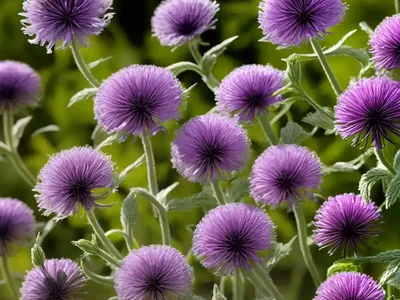
Pincushion Flower (Scabiosa ‘Grand Stone’)
As plant enthusiasts and horticulturists, we are often captivated by the endless beauty and diversity of the natural world. Today, we delve into the.
Introduction
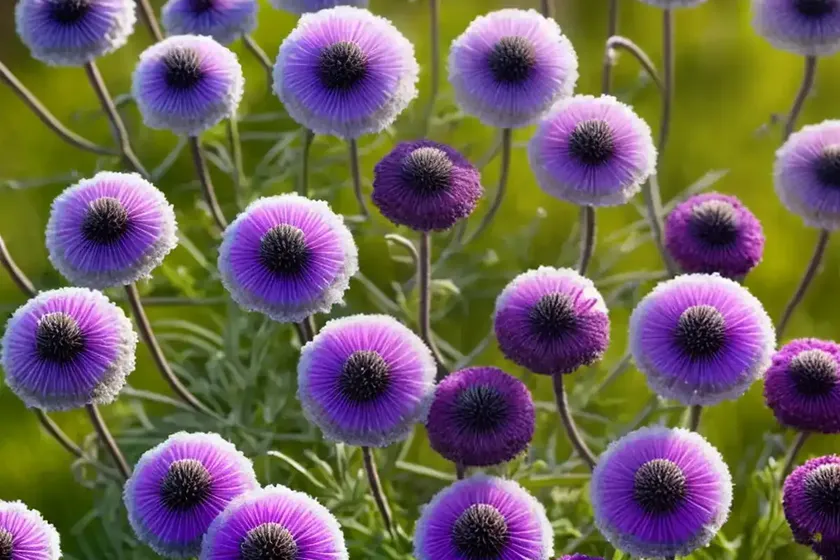
As plant enthusiasts and horticulturists, we are often captivated by the endless beauty and diversity of the natural world. Today, we delve into the enchanting realm of the pincushion flower, specifically the Scabiosa ‘Grand Stone’ variety. This mesmerizing plant, with its delicate petals and eye-catching hues, has been a favorite among gardeners and landscapers for centuries. Let’s explore the key aspects of this beloved plant, from its cultural requirements to its practical uses and the intriguing facts that make it stand out.
What is the Pincushion Flower (Scabiosa ‘Grand Stone’)?
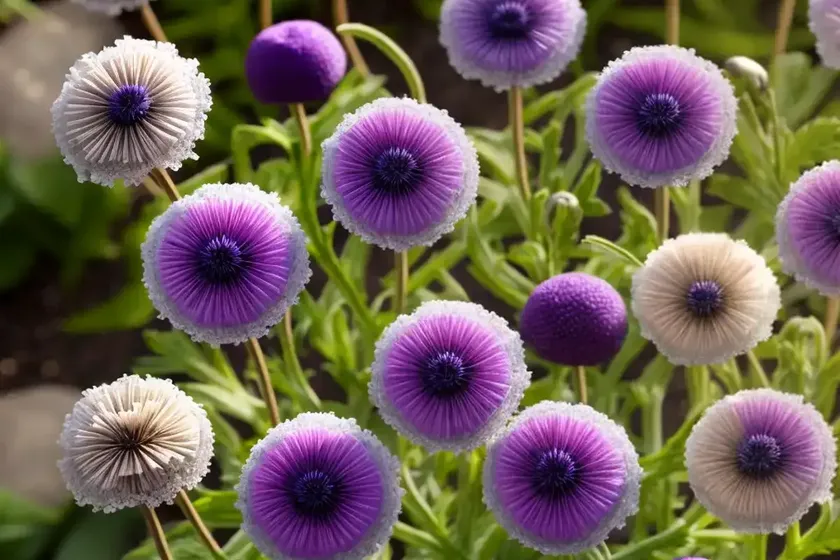
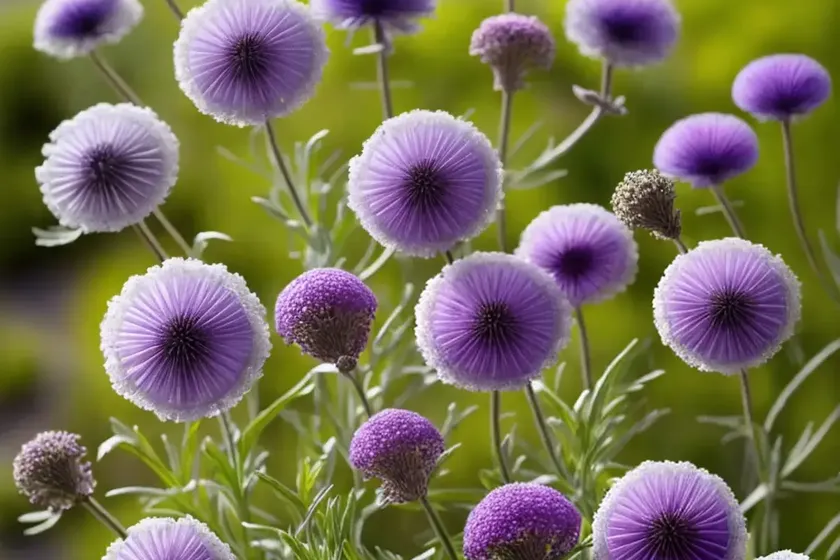
The pincushion flower, scientifically known as Scabiosa ‘Grand Stone’, is a member of the honeysuckle family (Caprifoliaceae). Originating from Europe and western Asia, this perennial beauty has found its way into gardens, landscapes, and floral arrangements around the world. Its common name, “pincushion flower,” is derived from its unique appearance, as the rounded center of the flower somewhat resembles a pincushion.
Key Takeaways – Pincushion Flower (Scabiosa ‘Grand Stone’)
Before we dive deeper into the remarkable world of the pincushion flower, it’s essential to highlight some key takeaways about this captivating plant:
- Scientific Name: Scabiosa ‘Grand Stone’
- Family: Caprifoliaceae
- Common Name: Pincushion flower
- Origin: Europe and western Asia
- Type: Perennial
Now, let’s embark on an enlightening journey to understand the culture, uses, maintenance, and all about caring for the stunning pincushion flower.
Culture
Water
Proper watering is crucial for the health and vitality of pincushion flowers. These plants prefer moist, well-drained soil, and it’s important to maintain a consistent level of moisture, especially during periods of dry weather. However, it’s equally important to avoid overwatering, as excessive moisture can lead to root rot and other detrimental conditions.
Sunlight
Pincushion flowers thrive in full sun or partial shade. When grown in full sun, these plants generally produce more flowers and exhibit vibrant colors. In warmer regions, providing some afternoon shade can prevent the plants from wilting during hot summer days.
Fertilizer
When it comes to feeding pincushion flowers, a balanced, all-purpose fertilizer can be applied in early spring to encourage healthy growth and abundant blooms. It’s important to follow the recommended application rates, as excessive fertilizer can lead to excessive foliage at the expense of flowers.
Soil
Pincushion flowers prefer well-draining soil rich in organic matter. A slightly acidic to neutral pH range is ideal for these plants. Amending the soil with organic compost or well-rotted manure can help create the optimal growing conditions for pincushion flowers.
Pruning
Regular deadheading and light pruning can promote continuous blooming and prevent the plants from expending energy on seed production. By removing spent flowers and stems, the plant directs its resources towards new growth and the development of fresh blooms.
Propagation
Pincushion flowers can be propagated by division in early spring or fall. Carefully dig up the plant and gently separate the root clumps, making sure that each division has adequate roots and healthy growth points. Replant the divisions in prepared soil and water them thoroughly. Additionally, these flowers can be propagated from seeds, sown directly in the garden or started indoors for transplanting.
Container Popularity
Pincushion flowers are highly versatile and can thrive in container gardens, adding charm and elegance to patios, balconies, and other outdoor spaces. Planting them in containers allows for greater control over soil conditions and makes it easier to protect them from adverse weather conditions.
Container Common Diseases
While pincushion flowers are generally resistant to many diseases, certain conditions such as overly moist or poorly drained soil can lead to issues like root rot and fungal diseases. When grown in containers, it’s essential to ensure proper drainage and avoid overwatering to minimize the risk of disease.
Disease Diagnosis
Diagnosing and treating diseases in pincushion flowers involves careful observation of the plant’s symptoms. Common signs of disease may include wilting, yellowing or browning of leaves, and unusual spots or lesions. Identifying the specific disease is crucial for implementing effective treatment measures, which may include adjusting watering practices, applying appropriate fungicides, or isolating severely affected plants.
Common Pests
Pincushion flowers are relatively resistant to pests, but they may occasionally be affected by aphids, spider mites, or thrips. Regular monitoring of the plants and implementing appropriate pest control measures, such as spraying with insecticidal soap or horticultural oils, can help keep pest infestations in check.
Botanist’s Tips
As a plant scientist, I’ve come across various insights and tips for cultivating pincushion flowers. Here are some valuable recommendations for fellow plant enthusiasts:
- When deadheading pincushion flowers, it’s advisable to remove the spent flowers along with their stems to encourage new growth and maintain a neat appearance.
- Providing a layer of mulch around the base of pincushion flowers can help retain soil moisture, suppress weed growth, and provide some insulation during extreme temperatures.
- In regions with hot summers, providing afternoon shade for pincushion flowers can prevent excessive wilting and prolong the bloom period.
Fun Facts
Uncover some intriguing and fun facts about pincushion flowers that may surprise you:
- The genus name “Scabiosa” is derived from the Latin word “scabies,” which means scabies or itch, alluding to the historical use of some species to treat skin conditions.
- Pincushion flowers are often cherished for their attractiveness to pollinators, including bees and butterflies, making them valuable additions to wildlife gardens.
- In folklore and traditional medicine, certain species of Scabiosa were believed to possess healing properties and were used in remedies for various ailments.
Links to External Resources
For further exploration and in-depth information about pincushion flowers, I recommend the following resources:
- Royal Horticultural Society – Scabiosa ‘Grand Stone’
- Missouri Botanical Garden – Scabiosa caucasica ‘Grandiflora’
- University of Florida IFAS Extension – Scabiosa spp. Pincushion Flower
The enchanting pincushion flower, particularly the Scabiosa ‘Grand Stone’ variety, exemplifies nature’s timeless artistry and resilience. With its captivating blooms and versatile characteristics, this perennial plant continues to enthrall gardeners, landscape designers, and plant aficionados worldwide. Whether adorning garden borders, containers, or cut flower arrangements, the pincushion flower adds a touch of elegance and allure to any setting. Understanding its cultural requirements, practical uses, and the myriad ways to care for it allows us to appreciate the splendid beauty and inherent value of the pincushion flower in the botanical tapestry of our world.