Ruellia (Ruellia geminiflora): A Comprehensive Guide
Ruellia (Ruellia geminiflora) is a remarkable plant known for its vibrant, trumpet-shaped flowers and lush green foliage. This versatile plant is a favorite among gardeners and landscaping enthusiasts for its ability to thrive in various conditions and its low maintenance requirements. In this comprehensive guide, we will delve into the various aspects of caring for ruellia, its cultural significance, uses, suitable environmental conditions, propagation techniques, common diseases, and much more.
What is Ruellia (Ruellia geminiflora)?
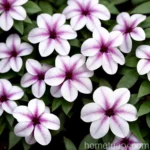
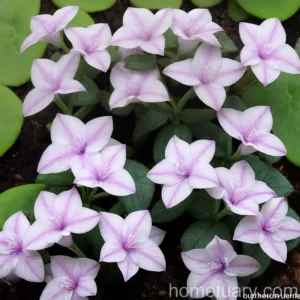
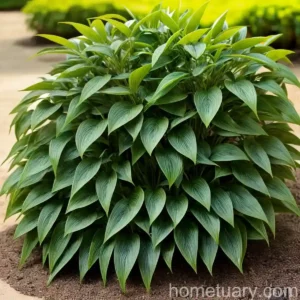
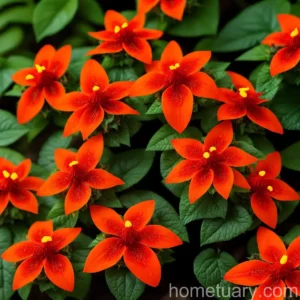
Ruellia geminiflora, commonly known as ruellia or wild petunia, is a flowering plant species belonging to the Acanthaceae family. Native to Central and South America, ruellia is a perennial herb that exhibits beautiful, tubular flowers in shades of purple, pink, and white. The plant is characterized by its attractive, lance-shaped leaves and its ability to adapt to diverse growing environments, making it a popular choice for gardens, landscapes, and indoor settings.
Key Takeaways
Ruellia (Ruellia geminiflora)
- Scientific Name: Ruellia geminiflora
- Common Names: Ruellia, Wild Petunia
- Family: Acanthaceae
- Native Habitat: Central and South America
- Flower Colors: Purple, Pink, White
Culture
Uses
Ruellia geminiflora is highly valued for its ornamental and landscaping uses. The plant’s striking flowers and foliage make it a perfect choice for gardens, borders, and mixed plantings. Moreover, its adaptability to container culture further enhances its versatility, allowing it to thrive in various indoor and outdoor settings.
Water
Ruellia geminiflora prefers moderately moist soil, and it’s essential to ensure proper watering, especially during dry periods. While the plant can tolerate short periods of drought, consistent moisture promotes optimal growth and flowering.
Sunlight
Ideally, ruellia thrives in partial to full sunlight, although it can also tolerate shade. In regions with intense heat, providing some afternoon shade can prevent the plant from becoming stressed.
Fertilizer
A balanced, all-purpose fertilizer can be applied to ruellia geminiflora during the growing season to promote healthy growth and abundant flowering. It’s advisable to follow the manufacturer’s recommendations for application frequency and dosage.
Soil
Ruellia geminiflora thrives in well-draining, fertile soil. Amending the soil with organic matter can further improve its texture and nutrient content, supporting the plant’s overall health and vigor.
Pruning
Regular pruning can help maintain the plant’s shape and encourage bushier growth. Pruning also promotes flower production and eliminates any damaged or overgrown foliage.
Propagation
Ruellia geminiflora can be propagated through seeds or division. Seed propagation involves sowing mature seeds in a suitable growing medium and providing favorable conditions for germination. On the other hand, division propagation entails separating established clumps of the plant to create new individuals.
Container Popularity
Due to its compact size and adaptability, ruellia geminiflora is widely popular for container gardening. Its lush foliage and vibrant flowers make it an attractive addition to both indoor and outdoor containers, brightening up patios, balconies, and interior spaces.
Common Diseases
While ruellia geminiflora is generally resilient, it is susceptible to certain diseases and pests. Common diseases that may affect the plant include fungal infections, leaf spot, and powdery mildew. Proper cultural practices and timely treatment can help prevent and manage these issues.
Disease Diagnosis
Diagnosing ruellia diseases involves observing the plant for any signs of discoloration, wilting, or abnormal growth. Additionally, inspecting the foliage for powdery coatings or lesions can provide valuable clues about the specific disease affecting the plant.
Common Pests
Ruellia geminiflora may suffer from attacks by pests such as aphids, spider mites, and whiteflies. Regular monitoring and prompt intervention, such as the application of insecticidal soap or neem oil, can effectively control pest infestations.
Botanist’s Tips
- Mulching: Applying a layer of organic mulch around ruellia plants helps conserve moisture, suppress weed growth, and improve soil quality.
- Deadheading: Removing spent flowers can encourage continuous blooming and prevent the plant from redirecting its energy into seed production.
- Overwintering: In regions with cold winters, providing adequate protection from frost and cold temperatures can help ruellia geminiflora survive and thrive in the following growing season.
Fun Facts
- The trumpet-shaped flowers of ruellia geminiflora are attractive to pollinators such as butterflies and hummingbirds, enhancing the ecological value of the plant.
- Ruellia geminiflora is also known for its adaptability to various climate zones, making it a popular choice for landscaping in diverse regions.
Links to External Resources
For further information on ruellia geminiflora, propagation techniques, landscaping ideas, and more, you may find the following resources helpful:
1. The American Society for the Prevention of Cruelty to Ruellia (ASPCTR)
2. Ruellia: A Comprehensive Guide to Cultivation and Care
3. Landscaping with Ruellia: Tips and Techniques for Successful Designs
In conclusion, ruellia geminiflora stands out as a versatile and visually appealing plant that can enhance gardens, landscapes, and indoor spaces. It’s low maintenance and adaptability make it an excellent choice for both novice and experienced gardeners. By following the guidelines outlined in this comprehensive guide, you can successfully cultivate and enjoy the beauty of ruellia geminiflora in your own gardening endeavors.
Remember to explore the provided external resources for additional insights and guidance on maximizing the potential of ruellia geminiflora in your botanical pursuits.