Coleus (Solenostemon)
Plants are a vital component of our environment, contributing to the visual appeal of landscapes and providing numerous ecological benefits. One such plant.
Introduction
Plants are a vital component of our environment, contributing to the visual appeal of landscapes and providing numerous ecological benefits. One such plant that has gained popularity among gardeners and landscape enthusiasts is the Coleus (Solenostemon). This unique and vibrant plant belongs to the mint family, Lamiaceae, and is known for its spectacular foliage and easy maintenance.
In this comprehensive guide, we will delve into the world of Coleus (Solenostemon), exploring its cultural significance, uses, care requirements, propagation techniques, common diseases and pests, and much more. Whether you are a seasoned gardener or an enthusiastic beginner, this guide aims to equip you with the knowledge and skills necessary to cultivate and nurture Coleus plants effectively.
What is Coleus (Solenostemon)?
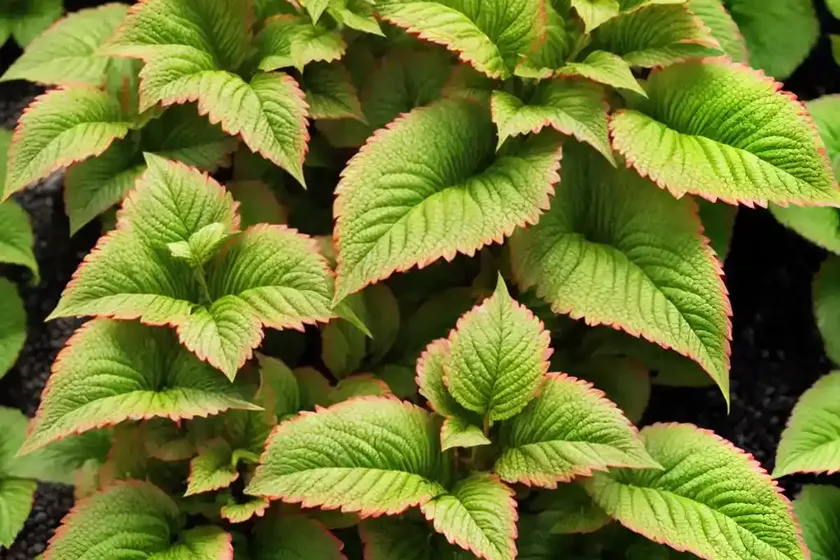
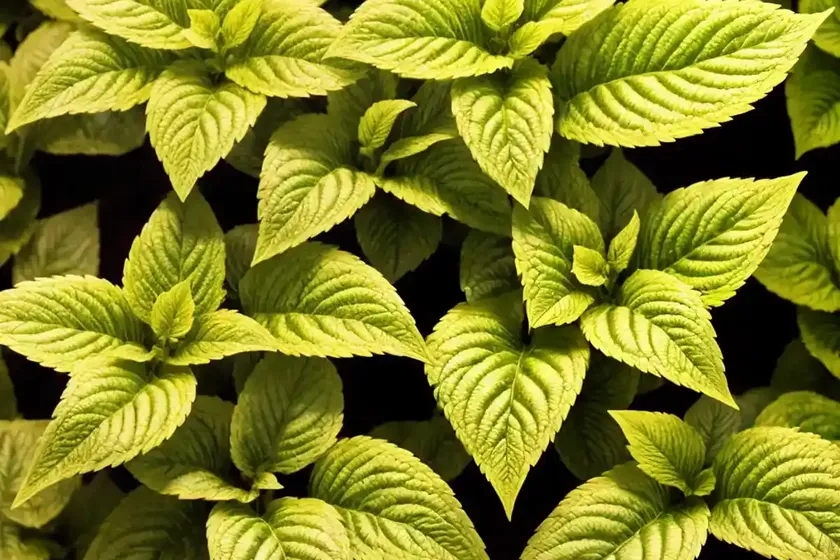
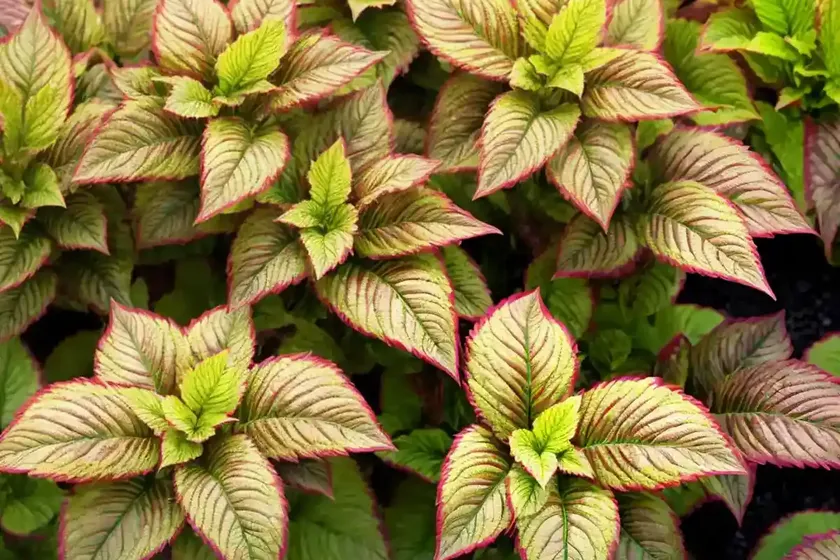
Coleus (Solenostemon) is a genus of perennial plants indigenous to tropical regions of Africa, Asia, Australia, and the Pacific Islands. These plants are revered for their dazzling, multicolored foliage, making them a popular choice for both indoor and outdoor cultivation. With a wide array of leaf shapes, patterns, and vibrant hues, Coleus offers a diverse range of options for landscaping and ornamental purposes.
The plant’s scientific name, Solenostemon, is derived from the Greek words “soleno,” meaning tube, and “stemon,” meaning thread or stamen, alluding to the shape of its flowers. Despite being members of the mint family, Coleus plants are not cultivated for their aromatic qualities like many other mint species. Instead, their visual appeal and low-maintenance nature make them highly sought after in the horticultural world.
While Coleus plants are treasured for their visually striking foliage, some species also produce small, inconspicuous flowers. However, it is important to note that the primary draw of Coleus lies in its stunning leaves, which come in a myriad of color combinations, including vibrant greens, pinks, purples, oranges, and yellows. These plants are available in an extensive range of varieties, each with its unique leaf patterns and colorations.
Key Takeaways – Coleus (Solenostemon)
Before delving into the specific care requirements and cultivation practices for Coleus plants, let’s explore some key takeaways that encapsulate the essence of this remarkable species.
Culture
- Coleus (Solenostemon) is a genus of perennial plants known for their vibrant and intricately patterned foliage.
- Belonging to the mint family, Lamiaceae, Coleus plants are prized for their visual appeal and adaptability to various environmental conditions.
- These plants originate from tropical regions of Africa, Asia, Australia, and the Pacific Islands, where they thrive in the warm, humid climate.
Uses
- Coleus plants are primarily cultivated for ornamental and landscaping purposes, owing to their striking foliage and versatility in design aesthetics.
- They are popular choices for both indoor and outdoor cultivation, capable of adding visual interest to gardens, containers, and interior spaces.
Water
- Coleus plants have moderate water requirements, typically preferring consistently moist, well-draining soil to thrive.
- Overwatering can lead to root rot, while insufficient moisture can cause wilting and hinder the plant’s growth.
Sunlight
- Coleus plants exhibit a preference for partial to full shade, making them ideal choices for shaded or partially shaded areas in gardens.
- When grown indoors, they require bright, indirect light to maintain their vibrant foliage colors.
Fertilizer
- The application of a balanced, water-soluble fertilizer can promote healthy growth and vibrant foliage in Coleus plants.
- Fertilization should be conducted sparingly, as excessive nutrients can lead to an imbalance and negatively impact the plant’s overall health.
Soil
- Well-draining, nutrient-rich soil with a slightly acidic to neutral pH is conducive to the successful growth of Coleus plants.
- Incorporating organic matter and perlite can enhance soil structure and drainage, creating an optimal growing environment for these plants.
Pruning
- Regular pruning of Coleus plants is essential to maintain a compact, bushy shape and encourage new growth.
- Removal of flower buds and leggy stems can promote the development of lush, vibrant foliage.
Propagation
- Coleus plants can be propagated via stem cuttings, allowing for the creation of new plants from established specimens.
- Propagation is relatively straightforward and provides an opportunity to expand one’s collection of Coleus varieties.
Container Popularity
- The adaptability of Coleus plants to container gardening makes them a popular choice for adding color and texture to patios, balconies, and indoor living spaces.
- Their vibrant foliage and ease of care make them well-suited for container cultivation.
Common Diseases
- Coleus plants may be susceptible to certain diseases, including fungal infections and bacterial leaf spot, especially under conditions of high humidity and poor air circulation.
- Proper cultural practices and vigilance can help prevent and manage common diseases affecting Coleus plants.
Disease Diagnosis
- Timely identification and diagnosis of disease symptoms in Coleus plants, such as leaf discoloration, spotting, or wilting, are crucial for implementing effective treatment measures.
- Understanding the underlying causes of plant diseases facilitates targeted intervention and management strategies.
Common Pests
- Aphids, whiteflies, spider mites, and mealybugs are among the common pests that may affect Coleus plants, feeding on the foliage and potentially causing damage.
- Regular monitoring and prompt pest control measures can mitigate the impact of infestations and preserve the health of the plants.
Botanist’s Tips
- To nurture thriving Coleus plants, it is essential to strike a balance in meeting their requirements for water, light, temperature, and nutrients.
- Observing and responding to the plant’s signals, such as changes in leaf color and texture, facilitates proactive care and ensures the optimal condition of Coleus specimens.
Fun Facts
- Coleus plants are popularly known for their use in variegated foliage arrangements and as accent plants in garden designs.
- The diverse leaf patterns and color combinations found in Coleus varieties showcase the plant’s artistic and aesthetic appeal.
With these key takeaways in mind, let’s explore in greater detail the various aspects of caring for Coleus (Solenostemon) plants, from their cultural requirements to pest management and propagation techniques.
Coleus (Solenostemon) Care Guide
Caring for Coleus plants involves understanding and fulfilling their specific needs for water, sunlight, fertilizer, soil, pruning, and propagation. By adopting best practices and attentive cultivation methods, you can ensure the health and vibrancy of these stunning foliage plants. In the following sections, we will delve into each aspect of Coleus care, offering valuable insights and practical tips to support successful plant cultivation.
Water
Proper watering is fundamental to the well-being of Coleus plants, as it directly impacts their growth, foliage coloration, and overall health. Understanding the water requirements and effective watering practices for Coleus is essential for maintaining optimal moisture levels in the soil and preventing water-related issues. Here are some key considerations when it comes to watering Coleus plants:
Watering Guidelines for Coleus Plants
- Moderate Watering: Coleus plants thrive in moderately moist soil, requiring regular watering to prevent the soil from drying out completely.
- Consistent Moisture: Aim to maintain a consistent level of soil moisture, avoiding prolonged periods of wetness or dryness to ensure the plant’s vitality.
- Well-Draining Soil: Utilize well-draining potting mix or garden soil to prevent waterlogging and promote adequate drainage around the roots.
- Soil Moisture Monitoring: Regularly check the moisture levels in the soil by inserting a finger into the top layer, ensuring that it feels slightly damp but not waterlogged.
- Watering Frequency: Adjust the frequency of watering based on environmental factors, such as temperature, humidity, and sunlight exposure, to accommodate the plant’s changing needs.
Sunlight
As shade-loving plants, Coleus species exhibit a predilection for partial to full shade conditions, thriving in environments with filtered or indirect sunlight. Understanding the sunlight requirements of Coleus plants is essential for optimizing their growth and maintaining the vibrancy of their foliage. Whether grown indoors or outdoors, providing suitable light conditions is key to the plant’s overall well-being. Here are some insights into the sunlight preferences of Coleus plants:
Sunlight Requirements for Coleus Plants
- Partial to Full Shade: Coleus plants prefer shaded or partially shaded locations, making them excellent choices for landscaping areas with limited direct sunlight.
- Indoor Light Conditions: When grown indoors, position Coleus plants in areas with bright, indirect light, such as near windows or under artificial lighting.
- Outdoor Planting: Select sites in the garden or landscape that receive dappled sunlight or filtered light throughout the day, avoiding intense or prolonged exposure to direct sun.
- Sunlight Intensity: Protect Coleus plants from harsh midday sun and scorching rays, as excessive light can lead to leaf burn and diminished foliage quality.
- Ideal Light Conditions: Balancing the plant’s need for light with protection from intense sun exposure is essential for promoting lush, colorful foliage in Coleus specimens.
Fertilizer
Fertilization plays a pivotal role in promoting healthy growth and vibrant foliage in Coleus plants, providing essential nutrients that support their physiological processes. By applying appropriate fertilizers in a calculated manner, you can enhance the plant’s vigor and coloration while avoiding the risks associated with over-fertilization. Understanding the fertilizer requirements and best practices for feeding Coleus plants is imperative for ensuring their optimal development. Here are some fertilizer-related considerations for nurturing Coleus specimens:
Fertilizer Guidelines for Coleus Plants
- Balanced Fertilizer: Opt for a balanced, water-soluble fertilizer with an equal ratio of major nutrients (nitrogen, phosphorus, and potassium) to support the overall health and appearance of Coleus plants.
- Moderate Application: Apply fertilizer sparingly, following the manufacturer’s recommendations for dilution and frequency to prevent nutrient excess and potential damage to the plant.
- Fertilization Schedule: Feed Coleus plants every 4-6 weeks during the growing season, reducing the frequency during periods of dormancy or slow growth.
- Nutrient Uptake: Monitor the plant’s response to fertilizer applications, adjusting the feeding regimen based on the plant’s growth rate and nutrient requirements.
- Organic Amendments: Incorporate organic matter, such as well-rotted compost or aged manure, into the soil to supplement the nutrient content and improve soil fertility for Coleus plants.
Soil
The choice of soil and its properties significantly influence the growth, development, and overall health of Coleus plants. By selecting a suitable potting mix or preparing the garden soil with the right characteristics, you can create an optimal growing medium that supports the plant’s root system and nutrient uptake. Understanding the ideal soil conditions and considerations for Coleus cultivation is central to establishing a conducive environment for these foliage plants. Here are some insights into the soil preferences and considerations for Coleus plants:
Soil Requirements for Coleus Plants
- Well-Draining Soil: Choose well-draining potting mix or amend the garden soil with sand, perlite, or vermiculite to improve drainage and prevent waterlogging around the roots.
- Moisture Retention: Balance drainage with moisture retention by incorporating organic matter, such as peat moss or compost, to support adequate soil moisture for Coleus plants.
- Acidic to Neutral pH: Aim for a slightly acidic to neutral soil pH (around 6.0-7.0) to create a favorable growing environment for Coleus, as they thrive in balanced or slightly acidic conditions.
- Soil Structure: Ensure that the soil has a light, loose texture that promotes root aeration and facilitates nutrient absorption, contributing to the plant’s overall vitality.
- Soil Amendment: Periodically amend the soil with organic matter and balanced fertilizers to maintain its fertility and structure, supporting the long-term health of Coleus plants.
Pruning
Regular pruning and maintenance are essential for shaping and rejuvenating Coleus plants, promoting compact growth and vibrant foliage. By employing proper pruning techniques, you can manage the plant’s form, remove spent blossoms, and encourage the development of new, healthy growth. Understanding the purpose and methods of pruning Coleus plants is crucial for preserving their visual appeal and optimizing their ornamental value. Here are some insights into pruning techniques and considerations for Coleus specimens:
Pruning Tips for Coleus Plants
- Remove Leggy Growth: Trim back leggy stems and elongated branches to maintain a bushy, compact shape and prevent the plant from becoming spindly.
- Pinch Back Tips: Pinching the growing tips of Coleus plants promotes lateral branching and encourages the emergence of new shoots, resulting in a fuller, more robust plant.
- Remove Flower Buds: Remove developing flower buds to channel the plant’s energy into foliage production, preserving the striking colors and patterns of the leaves.
- Pruning Frequency: Conduct regular pruning as needed throughout the growing season, paying attention to maintaining the desired size and shape of Coleus plants.
- Sanitization: Sterilize pruning tools before and after use to prevent the spread of diseases and promote clean, precise cuts when shaping Coleus specimens.
Propagation
Propagation allows for the expansion of your collection of Coleus varieties while providing an opportunity to share these captivating plants with others. By employing suitable propagation methods, such as stem cuttings, you can create new plants from established specimens, perpetuating the diversity and beauty of Coleus. Understanding the techniques and best practices for propagating Coleus is instrumental for successful plant reproduction. Here are some insights into the propagation of Coleus plants:
Propagation Techniques for Coleus Plants
- Stem Cuttings: Propagate Coleus plants through stem cuttings, selecting healthy, non-flowering shoots with several pairs of leaves for the best results.
- Preparation of Cuttings: Trim the cuttings just below a node, removing any lower leaves to expose the nodes and facilitate root development.
- Propagation Medium: Plant the cuttings in a well-draining, moist propagation medium, such as a mix of perlite and peat moss, to encourage the formation of roots.
- Rooting Conditions: Provide warm, humid conditions for the cuttings to root, maintaining consistent moisture and protecting them from direct sunlight until roots establish.
- Transplanting: Once the cuttings have rooted, transplant them into individual pots or the desired planting area, allowing them to acclimate and continue their growth as new Coleus plants.
By incorporating these care guidelines and best practices into your cultivation routine, you can ensure the successful growth and development of your Coleus plants, fostering lush, vibrant foliage and enhancing the visual impact of your garden or indoor spaces.
Common Problems with Coleus (Solenostemon)
Despite their resilience and adaptability, Coleus plants can be susceptible to certain issues that affect their overall health and appearance. Understanding and addressing common problems encountered by these foliage plants are crucial for maintaining their vitality and preserving their aesthetic appeal. From diseases to pests and environmental stressors, identifying and managing these issues are essential aspects of effective Coleus care. Let’s explore some common problems that may arise in the cultivation of Coleus (Solenostemon):
Common Diseases
Coleus plants may be vulnerable to various diseases, particularly under conditions of high humidity, poor air circulation, or inadequate cultural practices. It is important to monitor the plants for symptoms of disease, such as leaf discoloration, spotting, or wilting, and implement appropriate measures to mitigate the impact of these ailments. Here are some common diseases that can affect Coleus plants:
Disease Diagnosis and Management
- Fungal Infections: Persistent moisture and poor air circulation can create favorable conditions for fungal diseases, such as powdery mildew and downy mildew, manifesting as fuzzy white or gray growth on the leaves.
- Bacterial Leaf Spot: Bacterial leaf spot may occur as dark or water-soaked spots on the foliage, potentially leading to leaf yellowing and premature leaf drop if left unchecked.
- Root Rot: Excessive soil moisture and poor drainage can result in root rot, causing the plant to wilt, exhibit yellowing leaves, and experience overall decline in health.
Common Pests
Pests can pose a threat to the well-being of Coleus plants, feeding on their foliage and sap, potentially causing damage and compromising the plant’s vitality. Regular monitoring and prompt pest control measures are essential for preventing infestations and preserving the health of the plants. Here are some common pests that may affect Coleus:
- Aphids: These small, soft-bodied insects may cluster on the underside of leaves, sucking plant juices and causing stunted growth, curling leaves, and honeydew excretion.
- Whiteflies: Whitefly infestations can lead to leaf yellowing, wilting, and the development of sooty mold, as the insects excrete honeydew while feeding on the foliage.
- Spider Mites: These tiny arachnids can cause stippling, webbing, and general decline in the plant’s condition, particularly in dry, dusty conditions.
- Mealybugs: Mealybugs may congregate on the stems and leaf undersides, secreting honeydew and causing foliage distortion and stunted growth.
By staying vigilant and promptly addressing signs of diseases and pests, you can protect your Coleus plants from potential harm and maintain their pristine appearance.
Botanist’s Tips for Successful Coleus (Solenostemon) Care
Cultivating thriving and visually stunning Coleus plants requires attentiveness, proactive care, and a fundamental understanding of the plant’s needs and responses. Embracing the role of a meticulous caretaker, it is essential to observe and respond to the indicators presented by the plants, ensuring their ongoing health and vitality. Here are some botanist’s tips for successful Coleus care:
Botanist’s Tips for Cultivating Coleus Plants
- Observational Skills: Develop your observational skills to recognize subtle changes in leaf color, texture, and growth patterns, enabling early intervention and targeted care.
- Responsive Care: Be responsive to the plant’s signals, adjusting watering, light exposure, and cultural practices in line with its changing requirements throughout the growing season.
- Balanced Care: Strive for balance in meeting the plant’s needs for water, light, temperature, humidity, and nutrients, fostering a harmonious environment conducive to Coleus growth.
- Environmental Adaptation: Consider the environmental factors influencing your Coleus plants, such as seasonal changes, temperature fluctuations, and humidity levels, and adapt your care practices accordingly.
- Vigilant Monitoring: Regularly monitor the plants for signs of stress, diseases, or pests, taking proactive measures to address emerging issues and maintain plant health.
By embodying these botanist’s tips and integrating them into your approach to Coleus care, you can foster the well-being of the plants and experience the joy of cultivating these captivating foliage specimens.
Fun Facts about Coleus (Solenostemon)
Amidst the practical aspects of caring for Coleus plants, there is a wealth of intriguing and enriching facts that illuminate the unique charm and versatility of these foliage plants. Exploring the fun facts and captivating attributes of Coleus adds a layer of appreciation and fascination to their role in horticulture and landscape design. Here are some fun facts about Coleus (Solenostemon) to delight and inspire:
Fascinating Insights into Coleus Plants
- Variegated Foliage: Coleus plants are revered for their variegated foliage, displaying a rich tapestry


