Cocoa (Theobroma Cacao): The Chocolate Plant
Introduction
Cocoa, scientifically known as Theobroma Cacao, is the source of one of the world’s most beloved treats – chocolate. Beyond its delectable flavor, the cocoa plant has a rich cultural history, offers numerous uses, and has significant economic importance. As a plant scientist, I am excited to delve into the intricacies of this fascinating plant, its cultivation, uses, and maintenance. In this comprehensive guide, we will explore various aspects of growing and caring for cocoa plants, as well as their cultural significance, diseases, pests, and more.
What is a Cocoa (Theobroma Cacao) Plant?
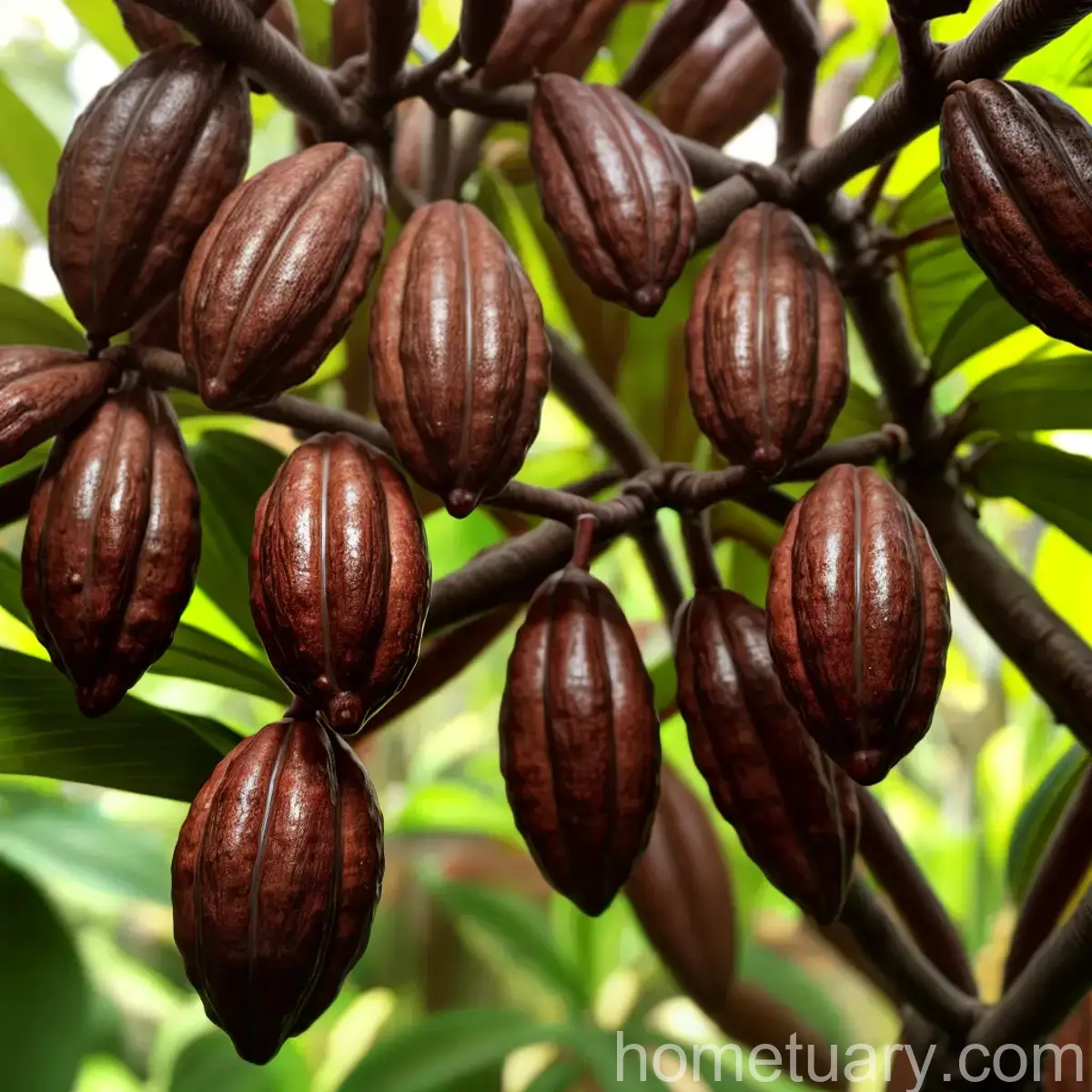
The cocoa plant, or Theobroma Cacao, is a tropical tree native to the deep tropical regions of Central and South America. Its genus name, Theobroma, translates to “food of the gods,” a testament to the reverence in which its products have been held throughout history. The plant bears fruit in the form of large pods, within which the sought-after cocoa beans are found.
Key Takeaways – Cocoa (Theobroma Cacao)
Here are the key takeaways regarding the cocoa plant, which we will be delving into in detail:
- Theobroma Cacao Plant: Understanding the intricacies of this plant genus.
- Cocoa Bean Plantation: The process of growing and harvesting cocoa beans.
- Growing Cocoa Plants: Techniques and best practices for cultivating cocoa trees.
- Cacao Tree Cultivation: Detailed insights into the cultivation of Theobroma Cacao.
- Cocoa Farming Techniques: Modern practices in the cultivation of cocoa plants.
- Chocolate Plant Species: The role of Theobroma Cacao as an essential species for chocolate production.
- Cocoa Pod Characteristics: Understanding the unique characteristics of cocoa pods.
- How to grow Theobroma Cacao: Detailed guide on growing cocoa plants.
- Cocoa Plant Care Guide: Best practices for the care and maintenance of cocoa plants.
- Theobroma Cacao Diseases: Insight into common diseases affecting cocoa plants.
- Reliable Cocoa Plant Suppliers: Information on sourcing quality cocoa plants.
- Cacao Tree Pruning Tips: Best practices for pruning cocoa trees.
- Pest Control for Cocoa Plants: Identifying and managing common pests affecting cocoa plants.
- Theobroma Cacao Fertilizers: Understanding the nutritional requirements of cocoa plants.
- Harvesting Cocoa Pods: Best practices for the harvesting of cocoa pods.
- Cacao Tree Varieties: Exploring the diverse varieties of Theobroma Cacao.
- Benefits of Growing Cocoa Plants: The advantages of cultivating cocoa trees.
- Nutritional Value of Cocoa Beans: Understanding the nutritional composition of cocoa beans.
- Uses of Theobroma Cacao: Exploring the myriad uses of cocoa beyond chocolate production.
- Cocoa Plant Propagation Methods: Techniques for propagating cocoa plants.
- Theobroma Cacao Research Updates: The latest advancements and research in cocoa plant studies.
- Cocoa Plant Sustainability: The sustainable cultivation of cocoa plants.
- Cacao Tree Wildlife Habitat: The role of cocoa plantations in supporting wildlife habitats.
- Organic Cocoa Farming Practices: Best practices in organic cocoa farming.
- Theobroma Cacao Medicinal Properties: Investigating the potential medicinal properties of Theobroma Cacao.
- Cocoa Production Statistics: Insights into global cocoa production statistics.
- Global Cocoa Market Analysis: Understanding the market dynamics and trends in the cocoa industry.
- Cacao Tree Environmental Impact: Assessing the environmental impact of cocoa plantations.
- Cocoa Policies and Regulations: Understanding the regulatory framework governing cocoa production.
- Investing in Cocoa Plantations: Exploring investment opportunities in cocoa plantations.
- Theobroma Cacao History and Origins: Tracing the historical roots of cocoa cultivation.
- Cocoa Genetic Diversity: Understanding the genetic diversity of cocoa plants.
- Cacao Tree Genetic Engineering: The role of genetic engineering in cocoa plant cultivation.
- Cocoa Plant Diseases Prevention: Strategies for preventing diseases in cocoa plants.
- Theobroma Cacao Drying Techniques: Techniques for drying cocoa beans.
- Cocoa Value Chain Analysis: Analyzing the value chain of cocoa production.
- Cacao Tree Ecosystem Services: The ecosystem services provided by cocoa plantations.
- Cocoa Bean Quality Control: Ensuring the quality of cocoa beans.
- Theobroma Cacao Climate Requirements: Understanding the climate requirements for the cultivation of cocoa plants.
- Cocoa Industry Trends: Exploring the latest trends in the cocoa industry.
- Cacao Tree Post-Harvest Processing: Techniques for post-harvest processing of cocoa pods.
- Cocoa Consumption Patterns: Understanding global consumption patterns of cocoa products.
- Theobroma Cacao Traditional Uses: Exploring the traditional uses of Theobroma Cacao beyond chocolate production.
- Cocoa Farming Challenges: Identifying and addressing challenges in cocoa farming.
- Cacao Tree Intercropping Options: Options for intercropping with cocoa trees.
- Theobroma Cacao Alternative Uses: Exploring alternative uses of cocoa plants.
- Cocoa Agroforestry Systems: The role of cocoa plantations in agroforestry systems.
- Cacao Tree Agroecology: Understanding the ecological dynamics of cocoa plantations.
- Theobroma Cacao Social Impact: Assessing the social impact of cocoa cultivation.
- Cocoa Plant Breeding Advancements: Advancements in breeding techniques for cocoa plants.
Now, let’s delve into the fascinating world of Theobroma Cacao, its cultivation, uses, and maintenance.
Culture
Understanding the cultural significance of cocoa plants is essential in appreciating their historical and present-day importance. The cultivation and use of cocoa have been deeply intertwined with various cultures throughout history.
Historical Significance
Cocoa has a rich historical significance, with its use dating back to ancient Mesoamerican civilizations, including the Maya and Aztecs. These cultures revered cocoa as a divine and luxurious substance, using it in ceremonial, medicinal, and culinary contexts. Cocoa was often consumed as a frothy, bitter beverage, which was vastly different from the sweet and creamy chocolate we enjoy today.
Contemporary Importance
In contemporary times, cocoa continues to hold cultural significance, albeit in a more global context. It is a cornerstone of the confectionery industry and is an integral part of various cuisines worldwide. The association of chocolate with celebrations, romance, and indulgence has further cemented its cultural importance.
Uses
The uses of cocoa extend beyond the production of chocolate. The versatile properties of cocoa beans and butter have led to a range of applications, from culinary to cosmetic.
Culinary Uses
Chocolate, derived from cocoa beans, is a central ingredient in a myriad of culinary creations, including confectionery, desserts, and beverages. The rich, complex flavors of chocolate make it a highly sought-after ingredient in the culinary world.
Beverage Production
Cocoa is a key ingredient in the production of hot chocolate and chocolate milk, providing its distinct flavor and richness. Additionally, cocoa is used in the production of chocolate-flavored liqueurs and spirits.
Cosmetics and Toiletries
Cocoa butter, extracted from cocoa beans, is a prominent ingredient in the production of cosmetics and toiletries. Its emollient properties make it an ideal component in skincare products such as lotions and lip balms.
Medicinal and Health-Enhancing Products
The potential health benefits of cocoa have led to its incorporation into various health foods, supplements, and medicinal products. Cocoa is renowned for its antioxidant properties and is often touted for its potential cardiovascular and mood-enhancing benefits.
Industrial Applications
Cocoa byproducts, such as cocoa shells, find applications in horticulture, serving as a mulch or organic fertilizer. Additionally, cocoa husks have been utilized in sustainable packaging and as a source of renewable energy.
Water
Water is an essential component in cocoa plant cultivation, particularly in the initial stages of growth. Proper water management is crucial to ensure the health and vigor of cocoa plants.
Irrigation Requirements
- Cocoa plants thrive in humid tropical climates and require consistent moisture levels. Adequate irrigation is essential, especially during the dry seasons, to support plant growth and fruit development.
Rainfall Patterns
- In regions where cocoa is grown, understanding local rainfall patterns is vital for determining the necessity of supplemental irrigation. Areas with pronounced dry seasons may require additional irrigation to maintain optimal moisture levels.
Water Quality
- The quality of water used for irrigation can impact the health of cocoa plants. Ensuring that water sources are free from contaminants and salinity is crucial to prevent damage to the plants.
Drainage Considerations
- Proper drainage is essential to prevent waterlogging, which can be detrimental to cocoa plants. Ensuring that the soil has adequate drainage and avoiding water stagnation is important for plant health.
Sunlight
Sunlight plays a pivotal role in the growth and development of cocoa plants. Understanding the light requirements of cocoa trees is crucial for their successful cultivation.
Light Intensity
- Cocoa plants thrive in tropical environments with dappled sunlight or partial shade. While they require a substantial amount of sunlight, direct, intense sunlight for prolonged periods can be detrimental to their growth.
Shading Considerations
- In some regions, providing shade to cocoa plants may be necessary to mitigate the effects of intense sunlight. This can be achieved through the strategic planting of shade trees or the use of shading materials.
Photoperiod Sensitivity
- Cocoa plants, like many tropical crops, may exhibit sensitivity to changes in photoperiod. Understanding how daylight duration influences flowering and fruiting is essential for optimizing yields.
Fertilizer
Ensuring proper nutrition for cocoa plants is crucial for their growth, fruit development, and overall vigor. Appropriate fertilization practices are indispensable in cocoa cultivation.
Nutrient Requirements
- Understanding the specific nutrient requirements of cocoa plants is essential for formulating an effective fertilizer regimen. Key nutrients include nitrogen, phosphorus, potassium, magnesium, and micronutrients.
Soil Testing and Analysis
- Conducting soil tests to assess nutrient levels and pH can guide the application of fertilizers. This allows for a targeted and balanced approach to supplying the necessary nutrients to cocoa plants.
Organic vs. Synthetic Fertilizers
- Both organic and synthetic fertilizers can be used in cocoa cultivation. However, the choice between the two depends on factors such as soil quality, environmental considerations, and regulatory requirements.
Application Timing
- Timing the application of fertilizers to coincide with critical growth stages of cocoa plants is essential. Providing nutrients when the plants are most in need ensures optimal utilization and minimizes wastage.
Nutrient Uptake Efficiency
- Promoting efficient nutrient uptake by cocoa plants through proper fertilizer application techniques is crucial for maximizing the benefits of fertilization.
Soil
The selection and management of soil are critical factors in the successful cultivation of cocoa plants. Understanding the soil requirements and maintaining soil health are paramount considerations.
Soil Type
- Cocoa plants thrive in well-draining, fertile soils with a slightly acidic to neutral pH. Sandy loam and loamy soils are well-suited for cocoa cultivation, providing good drainage and nutrient retention.
Soil Preparation
- Preparing the soil through techniques such as organic matter incorporation and proper tillage practices can create an optimal environment for cocoa plant establishment and growth.
Soil pH Management
- Monitoring and managing soil pH is crucial, as cocoa plants are sensitive to extremes in pH. Maintaining a slightly acidic to neutral pH range (around 6.0 to 7.0) is ideal for cocoa cultivation.
Soil Health and Nutrient Availability
- Ensuring soil health and biological activity is essential for nutrient availability to cocoa plants. Practices such as organic matter addition and minimizing soil compaction support soil fertility.
Pruning
Pruning is an important cultural practice in cocoa plant management, influencing plant health, productivity, and ease of harvest. Adequate pruning can enhance fruit production and longevity of cocoa trees.
Pruning Objectives
- Pruning cocoa trees serves various objectives, including shaping the tree’s canopy, improving light penetration, removing diseased or damaged branches, and promoting fruiting wood development.
Timing and Frequency
- Pruning is typically carried out during the dormant or low-growth season. Regular, strategic pruning helps maintain the tree’s form and structure while promoting healthy new growth.
Tools and Techniques
- Proper pruning techniques, such as using sharp, sanitized tools and making clean cuts, are essential to minimize the risk of disease transmission and promote rapid healing of pruning wounds.
Canopy Management
- Pruning practices are aimed at managing the canopy of cocoa trees, balancing vegetative growth with productive flowering and fruiting wood.
Training Young Trees
- Early pruning of young cocoa trees can influence their growth habit and facilitate the development of a strong, well-structured canopy for future productivity.
Propagation
The propagation of cocoa plants is essential for establishing new plantings and maintaining genetic diversity. Understanding the various propagation methods is crucial for successful cocoa cultivation.
Seed Propagation
- Propagating cocoa plants from seeds is a common method, allowing for the introduction of new genetic material. Seed propagation requires careful selection and handling of viable seeds.
Vegetative Propagation
- Vegetative propagation techniques, such as grafting or cutting propagation, are utilized to maintain desirable traits and accelerate the production of new plants with known characteristics.
Clonal Selection
- Selecting superior clones through clonal propagation techniques can help preserve valuable genetic traits and promote uniformity in cocoa plantations.
Nursery Management
- Establishing and managing nurseries for cocoa plant propagation involves providing optimal growing conditions and care for young seedlings or propagated plants.
Container Popularity
Cocoa plants can be cultivated in containers, offering versatility and the ability to grow them in a wider range of environments. Container cultivation is popular for various reasons.
Urban Cultivation
- Growing cocoa plants in containers enables urban and space-constrained gardeners to enjoy the unique experience of cultivating these tropical trees.
Temperature Regulation
- Containers provide the flexibility to bring cocoa plants indoors during colder periods, allowing them to thrive in non-tropical climates.
Portability
- Container-grown cocoa plants are portable, allowing for easy relocation and positioning to optimize sunlight exposure and microclimate conditions.
Aesthetic Appeal
- Container cultivation of cocoa plants adds a tropical, exotic element to garden and patio spaces, and can be a visually striking addition to outdoor areas.
Container Common Diseases
While container cultivation offers numerous benefits, it also comes with the risk of specific diseases that can affect cocoa plants in this growing environment. Understanding common container diseases is crucial for their prevention and management.
Root Rot
- Overwatering or poor drainage in container-grown cocoa plants can lead to root rot, caused by various fungi. Proper watering and well-draining soil are essential for preventing this disease.
Powdery Mildew
- Conditions of high humidity and limited air circulation in container environments can lead to powdery mildew infections on the leaves and stems of cocoa plants.
Anthracnose
- Anthracnose, a fungal disease that causes dark, sunken lesions on leaves and fruit, can affect container-grown cocoa plants under conditions of high moisture and poor air circulation.
Phytophthora Blight
- Phytophthora blight, caused by the water mold Phytophthora spp., can impact container-grown cocoa plants, particularly in excessively wet or waterlogged growing conditions.
Disease Diagnosis
Diagnosing and identifying diseases affecting cocoa plants is instrumental in implementing effective management strategies. Understanding the symptoms and causes of common diseases aids in timely intervention.
Visual Symptoms
- Recognizing visual signs of disease, such as leaf discoloration, lesions, wilting, or abnormal growth, can provide valuable clues for disease diagnosis.
Tissue Sampling and Laboratory Analysis
- In cases where symptoms are unclear, obtaining plant tissue samples for laboratory analysis can aid in the accurate diagnosis of diseases affecting cocoa plants.
Environmental Assessment
- Assessing environmental conditions, such as temperature, humidity, and soil moisture, can provide insights into the potential causes of disease development.
Pathogen Identification
- Identifying the specific pathogens responsible for diseases affecting cocoa plants is essential for implementing targeted disease management strategies.
Integrated Pest and Disease Management
- Integrating disease management practices, such as sanitation, cultural controls, and, when necessary, chemical treatments, can effectively mitigate the impact of diseases on cocoa plants.
Common Pests
Pests can pose significant threats to cocoa plants, affecting their growth and productivity. Understanding common pests and their management is critical for successful cocoa cultivation.
Cocoa Pod Borer
- The cocoa pod borer, Conopomorpha cramerella, is a major pest of cocoa, with its larvae causing damage to cocoa pods, leading to reduced yields and quality.
Mealybugs
- Mealybugs can infest cocoa plants, feeding on plant sap and excreting honeydew that promotes the growth of sooty mold, impeding photosynthesis and weakening the plants.
Capsids and Mirids
- Capsids and mirids are sap-sucking insects that can affect cocoa plants, causing damage to young shoots and developing pods, impacting plant vigor and yield.
Helopeltis Bugs
- Helopeltis bugs, such as the mirid Helopeltis theivora, can feed on cocoa buds, shoots, and young pods, leading to distortion of plant growth and reduced yield.
Botanist’s Tips
As a botanist with a passion for cocoa plants, here are some valuable tips for successfully cultivating and caring for Theobroma Cacao:
1. Environmental Considerations
- Understand the specific environmental requirements of cocoa plants, including temperature, humidity, and sunlight, to create optimal growing conditions.
2. Soil Health
- Prioritize soil health through regular testing, organic matter incorporation, and proper drainage to ensure a nutrient-rich and well-structured growing medium.
3. Pruning for Productivity
- Implement strategic pruning practices to promote airflow, light penetration, and the development of productive fruiting wood in cocoa trees.
4. Disease Monitoring
- Regularly monitor cocoa plants for signs of diseases and pests, and intervene promptly to prevent the spread of infections.
5. Water Management
- Maintain consistent moisture levels, avoiding waterlogging or drought stress, to support the healthy growth and fruit development of cocoa plants.
6. Integrated Pest Management
- Adopt integrated pest management practices, combining cultural, biological, and, when necessary, chemical controls to manage pests in cocoa plantations.
Fun Facts
No exploration of the cocoa plant would be complete without some intriguing and delightful fun facts:
- Theobroma Cacao was highly valued by ancient civilizations and was often used as currency, highlighting its esteemed status.
- The cocoa tree’s scientific name, Theobroma, translates to “food of the gods” in Greek, underscoring its divine reputation.
- The cocoa tree can bear fruit and flowers simultaneously, creating a visually striking display in cocoa plantations.
- The flowers of the cocoa tree grow directly on the trunk and older branches, a unique characteristic that sets it apart from many other fruit trees.
- The process of cultivating and transforming cocoa beans into chocolate has a rich history, spanning centuries and continents.
Links to External Resources
As we continue to delve into the captivating world of Theobroma C