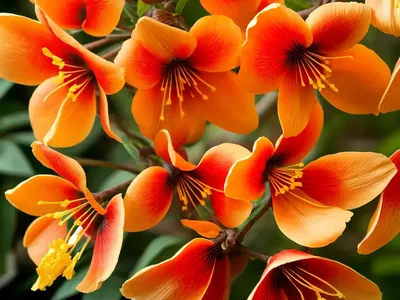
Cross Vine ‘contessa Sara’ (Bignoniaceae)
Welcome to our comprehensive guide to Cross Vine ‘Contessa Sara’ (Bignoniaceae). This stunning flowering vine is a popular choice among gardeners for its.
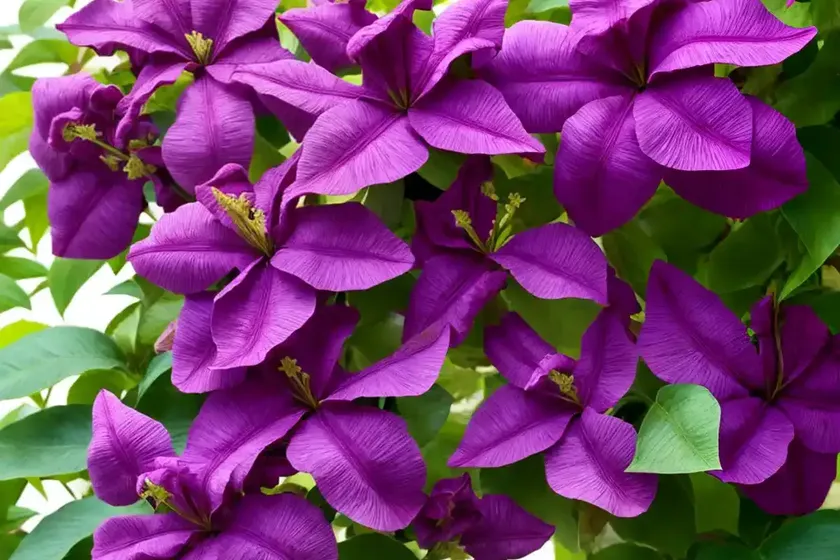
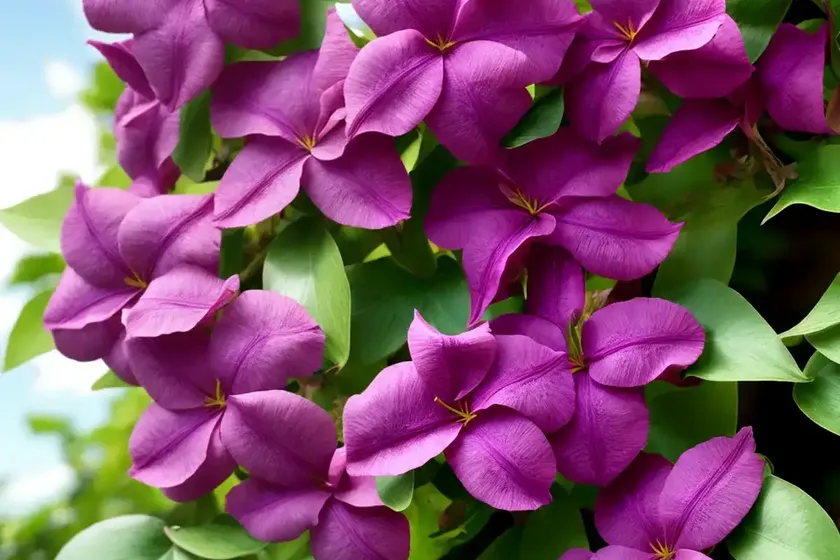
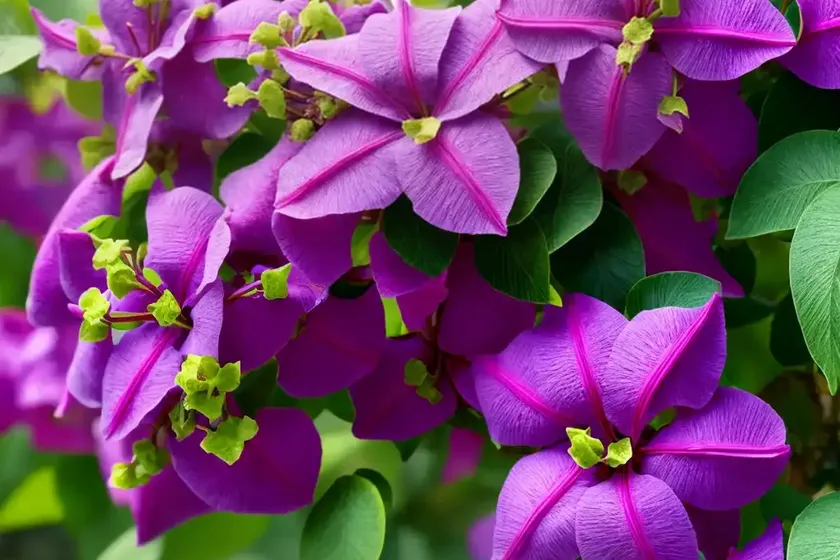
Welcome to our comprehensive guide to Cross Vine ‘Contessa Sara’ (Bignoniaceae). This stunning flowering vine is a popular choice among gardeners for its beautiful blooms and easy-to-care-for nature. In this guide, we will delve into the plant’s culture, uses, care requirements, common diseases, pests, propagation methods, and much more.
What is Cross Vine ‘Contessa Sara’ (Bignoniaceae)?
Cross Vine, botanically known as Bignonia capreolata, is a vigorous, fast-growing perennial vine native to the southeastern United States. Belonging to the Bignoniaceae family, it is renowned for its spectacular display of trumpet-shaped flowers that bloom in vibrant shades of orange and red. The cultivar ‘Contessa Sara’ is a variety known for its exceptional blooming and lush foliage, making it a sought-after addition to gardens and landscapes.
Key Takeaways
Culture
- Cross Vine ‘Contessa Sara’ hails from the Bignoniaceae family and is well-adapted to the southeastern United States.
- It is a resilient, fast-growing perennial vine with climbing or sprawling tendencies.
Uses
- ‘Contessa Sara’ is primarily utilized as an ornamental vine to add color and interest to trellises, fences, and arbors.
- Its profuse blooming makes it a perfect choice for enhancing the aesthetics of vertical garden structures.
Water
- Cross Vine ‘Contessa Sara’ prefers well-draining soil and regular watering to maintain adequate moisture levels.
- During the establishment phase, it requires consistent watering to promote healthy root development.
Sunlight
- This plant thrives in full sun to partial shade, making it versatile for various light conditions.
Fertilizer
- An annual application of balanced fertilizer in early spring is beneficial for promoting robust growth and abundant blooming.
Soil
- Well-draining, slightly acidic soils are ideal for ‘Contessa Sara’. Amending the soil with organic matter can improve its fertility and structure.
Pruning
- Pruning in early spring or after flowering helps control the vine’s growth and shape, as well as encourage new blooms.
Propagation
- Cross Vine ‘Contessa Sara’ can be propagated through stem cuttings or by collecting and sowing its seeds.
Container Popularity
- It is occasionally grown in containers, although its vigorous growth habit makes it better suited for the open ground.
Common Diseases
- The plant is generally resistant to diseases, but it may be susceptible to fungal infections under prolonged periods of high humidity.
Disease Diagnosis
- Keep a lookout for symptoms such as leaf spots, wilting, or abnormal growth, which may indicate potential disease issues.
Common Pests
- Cross Vine ‘Contessa Sara’ may encounter pests such as aphids, scale insects, and spider mites. Regular monitoring and prompt intervention can effectively manage pest infestations.
Botanist’s Tips
- Cross Vine ‘Contessa Sara’ is a low-maintenance plant, but regular monitoring, proper pruning, and adequate support are essential for its optimal growth and blooming.
Fun Facts
- The blooms of ‘Contessa Sara’ attract pollinators, including hummingbirds and butterflies, enhancing its ecological value in the garden.
Cross Vine ‘Contessa Sara’ Care
How to Grow Cross Vine ‘Contessa Sara’
Cross Vine ‘Contessa Sara’ is relatively easy to grow, provided it receives the appropriate growing conditions and care.
-
Planting Location: Select a well-drained site with full sun to partial shade for optimal growth. Ensure the chosen support structure can accommodate the vine’s vigorous growth.
-
Soil Preparation: Prepare the planting area by amending the soil with organic matter to improve its fertility and drainage. A slightly acidic soil pH is preferred by this vine.
-
Planting: Dig a hole twice as wide and deep as the vine’s root ball. Place the plant in the hole and backfill with soil, ensuring it is firmly packed around the roots. Water thoroughly after planting.
Cross Vine ‘Contessa Sara’ Pruning Tips
Regular pruning is essential to maintain the Cross Vine ‘Contessa Sara’ and encourage abundant blooming. Follow these tips to ensure proper pruning:
– Timing: Prune the vine in early spring before new growth emerges or after the flowering period.
– Deadheading: Remove spent flower clusters to stimulate the production of new blooms.
– Shape Control: Trim back excessive growth to manage the vine’s size and shape, keeping it in check within the designated area.
Best Soil for Bignoniaceae Plants
The Bignoniaceae family, to which Cross Vine ‘Contessa Sara’ belongs, thrives in well-drained, slightly acidic soils. Ideal soil characteristics include:
– Good drainage to prevent waterlogging, which can lead to root rot.
– Fertile soil amended with organic matter to improve its structure and nutrient content.
– A slightly acidic pH level between 6.0 and 6.5, which suits the preferences of Bignoniaceae plants.
Cross Vine ‘Contessa Sara’ Watering Requirements
Proper watering is crucial for the health and growth of Cross Vine ‘Contessa Sara’. Consider the following watering guidelines:
– Establishment Phase: During the initial growth period, provide regular watering to help the plant develop a strong root system.
– Mature Plants: Once established, water deeply but infrequently, allowing the soil to partially dry out between watering sessions.
– Avoid Overwatering: Prevent waterlogged conditions, as they can lead to root rot and other issues.
Sunlight Needs for Bignoniaceae Plants
Bignoniaceae plants, including Cross Vine ‘Contessa Sara’, exhibit preferences for sunlight exposure. Consider these sunlight requirements:
– Full sun to partial shade is ideal for promoting healthy growth and profuse blooming.
– In regions with intense heat, partial shade during the hottest part of the day can protect the vine from excessive sun exposure.
Where to Buy Cross Vine ‘Contessa Sara’
Cross Vine ‘Contessa Sara’ is often available at local nurseries, garden centers, and online plant retailers. It is advisable to purchase from reputable sources to ensure the quality and authenticity of the plant.
Cross Vine ‘Contessa Sara’ Disease Control
While generally resistant to diseases, Cross Vine ‘Contessa Sara’ may face occasional issues. To effectively control diseases:
– Ensure proper air circulation around the plant to minimize the risk of fungal infections.
– Address any signs of disease promptly through appropriate measures such as pruning affected areas and applying targeted treatments.
Bignoniaceae Plant Propagation Methods
Propagation of Bignoniaceae plants, including Cross Vine ‘Contessa Sara’, can be achieved through the following methods:
– Stem Cuttings: Take semi-hardwood or hardwood cuttings and propagate them in a suitable rooting medium to establish new plants.
– Seed Propagation: Collect mature seeds from the plant and sow them in well-prepared soil, providing the necessary conditions for germination and growth.
Fertilizing Cross Vine ‘Contessa Sara’
Proper fertilization supports the lush growth and prolific blooming of Cross Vine ‘Contessa Sara’. Consider these fertilization practices:
– Apply a balanced, slow-release fertilizer in early spring to provide essential nutrients for the upcoming growing season.
– Follow the recommended application rates and avoid excessive fertilization, which can lead to excessive foliage growth at the expense of blooms.
Cross Vine ‘Contessa Sara’ Pests and Insects
Cross Vine ‘Contessa Sara’ may occasionally attract pests, requiring vigilant monitoring and appropriate pest control measures:
– Common pests include aphids, scale insects, and spider mites, which can be managed through insecticidal soaps, horticultural oils, or natural predators.
– Regularly inspect the plant for signs of pest infestation, such as distorted growth, stippling on leaves, or the presence of small insects.
Cross Vine ‘Contessa Sara’ Vine Structure
The vigorous growth habit of Cross Vine ‘Contessa Sara’ allows it to create an intricate vine structure, making it well-suited for climbing and adorning vertical garden elements.
Benefits of Growing Bignoniaceae Plants
The cultivation of Bignoniaceae plants, exemplified by Cross Vine ‘Contessa Sara’, offers numerous benefits, including:
– Ornamental value with vibrant, trumpet-shaped flowers that attract pollinators.
– Versatile use in garden designs, such as covering trellises, arbors, and fences to add vertical interest.
Cross Vine ‘Contessa Sara’ Garden Design Ideas
In garden designs, Cross Vine ‘Contessa Sara’ can be incorporated in various ways to enhance the overall aesthetics:
– Use it to create living privacy screens or natural partitions within the landscape.
– Combine it with other flowering vines and perennials to create captivating garden vignettes.
Cross Vine ‘Contessa Sara’ as a Climbing Plant
As a proficient climbing plant, Cross Vine ‘Contessa Sara’ can ascend various support structures, including:
– Trellises, arbors, and pergolas, serving as a picturesque vertical accent in the garden.
– Walls and fences, where the vine’s lush foliage and prolific blooms create a visually appealing tapestry.
Bignoniaceae Plant Family Characteristics
The Bignoniaceae plant family encompasses diverse species with shared characteristics, such as:
– Woody vines or shrubs with showy, trumpet-shaped flowers.
– Attractive to pollinators, contributing to the ecological diversity of the garden.
Cross Vine ‘Contessa Sara’ in Containers
While occasionally grown in containers, Cross Vine ‘Contessa Sara’ requires adequate space and support for its vigorous growth. Consider these container cultivation tips:
– Use a large, sturdy container with a trellis or support system to accommodate the vine’s climbing habit.
– Provide regular watering and fertilization to sustain the plant’s growth in a restricted container environment.
Pollinator-Friendly Bignoniaceae Plants
Bignoniaceae plants, including Cross Vine ‘Contessa Sara’, are valued for their role in supporting pollinators. Build a pollinator-friendly garden by:
– Planting a variety of nectar-rich flowers that attract bees, butterflies, and hummingbirds.
– Including Cross Vine ‘Contessa Sara’ as a valuable resource for pollinators in the garden ecosystem.
Cross Vine ‘Contessa Sara’ Seasonal Changes
Cross Vine ‘Contessa Sara’ exhibits distinct seasonal changes, including:
– Spring and summer blooming periods characterized by an abundance of vibrant, trumpet-shaped flowers.
– Winter dormancy, during which the vine’s growth may slow down, necessitating minimal care.
Growing Cross Vine ‘Contessa Sara’ Indoors
In regions with harsh climates, growing Cross Vine ‘Contessa Sara’ indoors allows for year-round enjoyment of its blooms. Consider the following indoor cultivation guidelines:
– Select a bright, sunny location, such as a south-facing window, to provide ample sunlight for the vine.
– Ensure proper air circulation and humidity levels to mimic outdoor growing conditions.
Bignoniaceae Plant Landscape Uses
Bignoniaceae plants, including Cross Vine ‘Contessa Sara’, offer versatile applications in the landscape, such as:
– Covering unsightly structures and vertical surfaces with its lush foliage and vibrant flowers.
– Creating natural boundaries or focal points within the garden, enhancing its visual appeal.
Cross Vine ‘Contessa Sara’ for Vertical Gardens
Embrace the vertical gardening trend by incorporating Cross Vine ‘Contessa Sara’ in your designs, offering the following advantages:
– Utilize its climbing ability to adorn vertical structures, maximizing limited garden space.
– Integrate the vine into living walls or green screens to create visually striking and eco-friendly features.
Companion Plants for Bignoniaceae Species
When selecting companion plants for Bignoniaceae species like Cross Vine ‘Contessa Sara’, consider options that complement its growth and aesthetics:
– Co-plant with perennials or shrubs that provide a harmonious color palette and contrast with the vine’s blooms and foliage.
– Choose plants that share similar cultural requirements to ensure compatibility in the same growing environment.
Cross Vine ‘Contessa Sara’ in Urban Gardens
In urban settings, Cross Vine ‘Contessa Sara’ offers a range of benefits for gardeners and the surrounding environment:
– Utilize its vine structure to create greenery in compact spaces, such as balconies or courtyards.
– Attract wildlife, including pollinators, to enhance urban biodiversity and ecological balance.
Troubleshooting Bignoniaceae Plant Problems
Proactive troubleshooting can effectively address potential problems encountered by Bignoniaceae plants, including Cross Vine ‘Contessa Sara’:
– Regularly inspect the plant for signs of stress, diseases, or pest activity, taking prompt corrective actions as needed.
– Adjust cultural practices, such as watering, fertilization, and pruning, to optimize the plant’s health and resilience.
Cross Vine ‘Contessa Sara’ Fragrance
Cross Vine ‘Contessa Sara’ is prized for its enchanting fragrance, which adds sensory appeal to the garden space. Enjoy the delightful scent as you:
– Position the vine near outdoor seating areas or open windows to experience the fragrance’s pleasant notes.
– Incorporate it into sensory gardens to engage visitors with its aromatic allure.
Native Habitats of Bignoniaceae Plants
Bignoniaceae plants, including Cross Vine ‘Contessa Sara’, are naturally found in specific habitats, such as:
– Woodlands, where they thrive in the dappled shade and moist, well-drained soils.
– Forest edges and disturbed areas, where they take advantage of open spaces and sunlight.
Cross Vine ‘Contessa Sara’ Container Gardening
When cultivating Cross Vine ‘Contessa Sara’ in containers, adhere to these container gardening tips for optimal results:
– Select a spacious container with ample room for root growth, preferably with a trellis or support structure attached.
– Use high-quality potting mix and provide regular care to accommodate the plant’s growing requirements.
Bignoniaceae Plant Pruning Techniques
Proper pruning techniques play a pivotal role in maintaining the health and appearance of Bignoniaceae plants, such as Cross Vine ‘Contessa Sara’. Consider these pruning practices:
– Regularly remove dead or diseased growth to prevent the spread of issues and promote overall plant vitality.
– Control the vine’s size and shape through strategic pruning, especially after the blooming period.
Cross Vine ‘Contessa Sara’ Winter Care
Prepare Cross Vine ‘Contessa Sara’ for the winter season by implementing these winter care measures:
– Mulch the base of the vine to protect the roots from extreme cold and temperature fluctuations.
– Scale back on watering and fertilization during the dormant period, adjusting care to the plant’s reduced activity.
Potential Cross Vine ‘Contessa Sara’ Diseases
While relatively resistant to diseases, Cross Vine ‘Contessa Sara’ may encounter potential issues that require attention:
– Watch for symptoms of fungal diseases, such as leaf spots, powdery mildew, or fungal rots, particularly during periods of high humidity or excessive moisture.
– Implement preventive measures, such as proper spacing, pruning, and ventilation, to minimize disease risk.
Bignoniaceae Plants for Wildlife Gardens
In wildlife-friendly gardens, Bignoniaceae plants contribute to the ecological balance by offering:
– Nectar-rich blooms that attract pollinators, including bees, butterflies, and hummingbirds.
– Shelter and nesting sites for beneficial wildlife, enhancing the garden’s biodiversity.
Cross Vine ‘Contessa Sara’ in Mixed Borders
Leverage the versatility of Cross Vine ‘Contessa Sara’ by incorporating it into mixed borders featuring a diverse array of plants:
– Pair it with perennials, ornamental grasses, and flowering shrubs to create visually captivating and dynamic garden displays.
– Utilize its climbing nature to add vertical interest and dimension alongside other garden elements.
Bignoniaceae Plant Medicinal Properties
Certain Bignoniaceae plants are utilized for their potential medicinal properties, although further research is necessary to validate their efficacy and safety.
Cross Vine ‘Contessa Sara’ Flower Colors
The flowers of Cross Vine ‘Contessa Sara’ display captivating hues, combining shades of orange and red to create a vibrant and eye-catching floral display.
Encouraging Cross Vine ‘Contessa Sara’ Blooming
To encourage prolific blooming, provide the optimal growing conditions and consider these bloom-enhancing strategies:
– Ensure the plant receives sufficient sunlight and is grown in fertile, well-drained soil.
– Prune it after the blooming period to remove spent flowers and shape the vine for future growth.
Bignoniaceae Plants for Shaded Areas
While many Bignoniaceae plants favor full sun, select species, including Cross Vine ‘Contessa Sara’, can adapt to partial shade conditions with proper care and maintenance.
Cross Vine ‘Contessa Sara’ Natural Habitat
Cross Vine ‘Contessa Sara’ is native to the southeastern United States and thrives in wooded areas, where it can climb and sprawl across the landscape.
Growing Cross Vine ‘Contessa Sara’ from Seeds
Propagating Cross Vine ‘Contessa Sara’ from seeds offers a rewarding process, with the following key steps:
– Collect mature seeds from the plant and sow them in well-prepared soil with adequate moisture and warmth for germination.
– Provide ongoing care to the seedlings, ensuring they receive optimal growing conditions for healthy development.
Bignoniaceae Plant Hardiness Zones
Bignoniaceae plants, including Cross Vine ‘Contessa Sara’, exhibit a range of hardiness zones, within which they thrive and perform optimally. Check the specific hardiness zones for individual species to ensure suitable cultivation.
Cross Vine ‘Contessa Sara’ as a Ground Cover
While primarily known for its climbing nature, Cross Vine ‘Contessa Sara’ can also function as an attractive ground cover, forming a dense mat of foliage when allowed to sprawl.
Using Cross Vine ‘Contessa Sara’ in Trellises
Leverage the vine’s climbing habit to create enchanting trellis displays, where Cross Vine ‘Contessa Sara’ can ascend and adorn garden structures with its colorful blooms and lush foliage.
Bignoniaceae Plants for Arid Climates
Certain Bignoniaceae plants exhibit adaptations for arid climates, displaying tolerance to drought conditions and limited water availability.
Cross Vine ‘Contessa Sara’ and Air Purification
In addition to its aesthetic appeal, Cross Vine ‘Contessa Sara’ contributes to air purification by removing pollutants and enhancing air quality in outdoor environments.
Tips for Attracting Pollinators to Bignoniaceae Plants
Attract beneficial pollinators, including bees and butterflies, to Bignoniaceae plants by providing a diverse and nectar-rich floral environment that supports their needs.
Cross Vine ‘Contessa Sara’ and Hummingbirds
The vibrant, trumpet-shaped flowers of Cross Vine ‘Contessa Sara’ are particularly attractive to hummingbirds, making it a desirable addition to hummingbird-friendly gardens.
Bignoniaceae Plant Foliage Characteristics
The foliage of Bignoniaceae plants can vary in appearance, encompassing features such as compound leaves, serrated edges, and lush, green textures.
Cross Vine ‘Contessa Sara’ and Garden Structures
Incorporate Cross Vine ‘Contessa Sara’ into various garden structures, such as arches, pergolas, and arbors, to create visually engaging and functional outdoor spaces.
Common Cross Vine ‘Contessa Sara’ Problems
While generally resilient, Cross Vine ‘Contessa Sara’ may encounter occasional issues, including pest infestations, diseases, or environmental stress, necessitating proactive intervention.