Coastal Tea Tree (Leptospermum Laevigatum)
Plants have always been an integral component of the Earth’s ecosystem and have contributed significantly to the wellbeing of humans and other organisms..
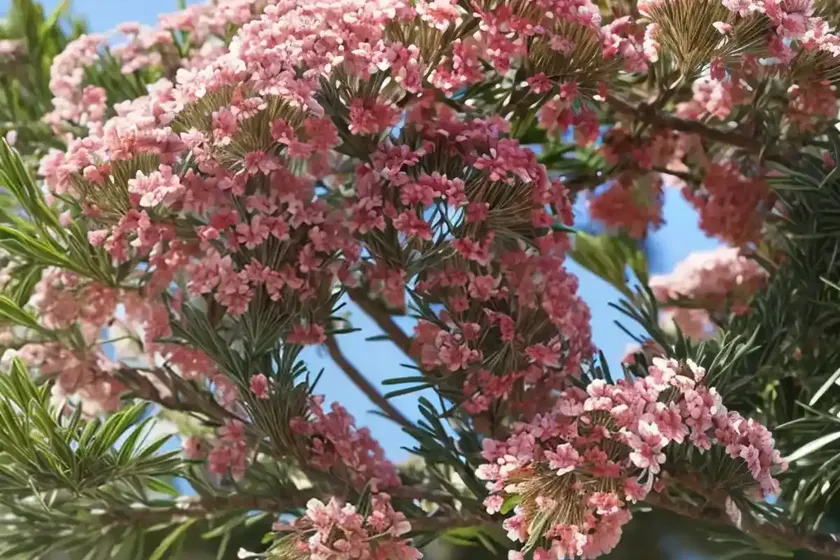
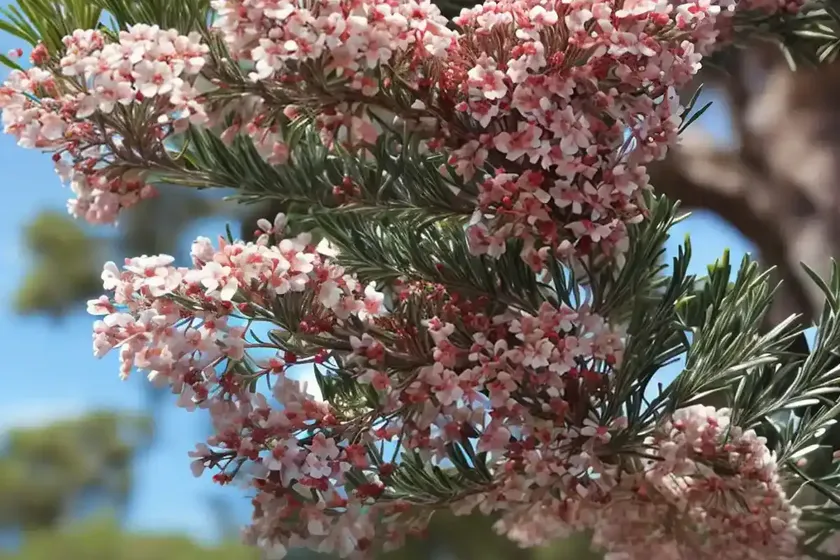
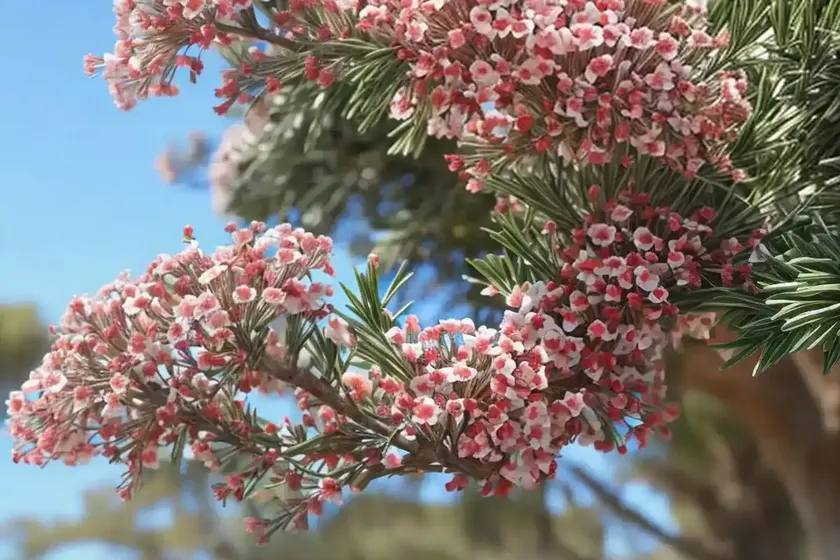
Plants have always been an integral component of the Earth’s ecosystem and have contributed significantly to the wellbeing of humans and other organisms. Among the multitude of plant species, Leptospermum Laevigatum, commonly known as the Coastal Tea Tree, is an exceptional addition to any landscape. This plant’s unique characteristics, versatility, and cultural significance make it a fascinating subject for plant enthusiasts and scientists alike.
In this comprehensive guide, we will delve into the various facets of the Coastal Tea Tree, including its cultural uses, ideal growing conditions, propagation, disease management, pest control, and intriguing botanist’s tips. By the end of this article, you will have gained a deep understanding of the Coastal Tea Tree, which will enable you to cultivate and appreciate this remarkable plant to its fullest potential.
What is the Coastal Tea Tree (Leptospermum Laevigatum)?
The Coastal Tea Tree, scientifically known as Leptospermum Laevigatum, is a woody shrub native to the coastal regions of Australia. Belonging to the Myrtaceae family, this evergreen plant is renowned for its resilience, adaptability, and its ornamental and medicinal uses. The name “Tea Tree” is derived from the practice of early Australian settlers who brewed the leaves to make a tea-like infusion.
Key Takeaways – Coastal Tea Tree (Leptospermum Laevigatum)
Before we embark on a detailed exploration of Leptospermum Laevigatum, here are some key takeaways to provide an overview of the topics we will cover:
- Coastal Tea Tree Benefits: Understanding the advantages and benefits of incorporating the Coastal Tea Tree into various settings.
- Leptospermum Laevigatum Guide: A comprehensive guide to cultivating and caring for the Coastal Tea Tree.
- Coastal Tea Tree Facts: Uncovering intriguing and lesser-known facts about the Coastal Tea Tree.
- Leptospermum Laevigatum Care: In-depth insights into the optimal care practices for maintaining healthy Coastal Tea Trees.
- Coastal Tea Tree Characteristics: Exploring the defining features and traits that make the Coastal Tea Tree unique.
- Leptospermum Laevigatum Uses: Discovering the diverse applications of the Coastal Tea Tree in different contexts.
- Coastal Tea Tree Growth Habits: Understanding the growth patterns and habits exhibited by the Coastal Tea Tree.
- Leptospermum Laevigatum Varieties: Exploring the different varieties and cultivars of Leptospermum Laevigatum.
- Coastal Tea Tree Planting Tips: Practical tips for successfully planting and establishing Coastal Tea Trees.
- Leptospermum Laevigatum Pruning Techniques: Insights into the best practices for pruning Coastal Tea Trees.
- Coastal Tea Tree Diseases: Identifying and addressing common diseases that affect the Coastal Tea Tree.
- Leptospermum Laevigatum Propagation Methods: Understanding the methods for propagating new Coastal Tea Trees.
- Coastal Tea Tree Soil Requirements: Exploring the ideal soil conditions for cultivating healthy Coastal Tea Trees.
- Leptospermum Laevigatum Drought Tolerance: Assessing the Coastal Tea Tree’s ability to withstand periods of drought.
- Coastal Tea Tree in Landscaping: Creative ideas for incorporating Coastal Tea Trees in landscaping projects.
- Leptospermum Laevigatum Native Habitat: Understanding the natural habitat and ecological preferences of the Coastal Tea Tree.
- Coastal Tea Tree Gardening Ideas: Innovative and practical gardening ideas involving the Coastal Tea Tree.
- Leptospermum Laevigatum Pest Control: Strategies for managing and controlling pests that affect the Coastal Tea Tree.
- Coastal Tea Tree Climate Preferences: Identifying the climatic conditions that are conducive to the growth of Coastal Tea Trees.
- Leptospermum Laevigatum Blooming Season: Understanding the seasonal blooming patterns and flowering habits of the Coastal Tea Tree.
- Coastal Tea Tree Container Gardening: Tips and considerations for growing Coastal Tea Trees in containers.
- Leptospermum Laevigatum Wildlife Attraction: The Coastal Tea Tree’s role in attracting and supporting local wildlife.
- Coastal Tea Tree Medicinal Uses: Exploring the traditional and contemporary medicinal applications of the Coastal Tea Tree.
- Leptospermum Laevigatum Hardiness Zones: Identifying the specific hardiness zones where the Coastal Tea Tree thrives.
- Coastal Tea Tree Companion Plants: Ideal companion plants that complement and enhance the beauty of Coastal Tea Trees.
- Leptospermum Laevigatum Interesting Facts: Uncovering fascinating and unique facts about the Coastal Tea Tree.
- Coastal Tea Tree Landscaping Inspiration: Inspiring design concepts and landscape arrangements featuring Coastal Tea Trees.
- Leptospermum Laevigatum Seed Germination: Techniques and considerations for successfully germinating Coastal Tea Tree seeds.
- Coastal Tea Tree Natural Remedies: Exploring the plant’s potential in providing natural remedies for various ailments.
- Leptospermum Laevigatum Aromatic Properties: Understanding the aromatic qualities and fragrances associated with the Coastal Tea Tree.
- Coastal Tea Tree Water Requirements: Appropriate watering practices for maintaining healthy Coastal Tea Trees.
- Leptospermum Laevigatum Pruning Schedule: Establishing a practical schedule for the regular pruning of Coastal Tea Trees.
- Coastal Tea Tree Propagation Tips: Tips and insights for successfully propagating Coastal Tea Trees.
- Leptospermum Laevigatum Soil pH Preferences: Understanding the ideal soil pH ranges for Coastal Tea Tree cultivation.
- Coastal Tea Tree Decorative Uses: The ornamental and decorative uses of the Coastal Tea Tree in various settings.
- Leptospermum Laevigatum Coastal Gardening: Tailoring gardening practices to suit coastal environments where the Coastal Tea Tree thrives.
- Coastal Tea Tree Wildlife Habitat: The role of the Coastal Tea Tree in providing habitat and sustenance for wildlife.
- Leptospermum Laevigatum Resistance to Pests: Understanding the plant’s natural resistance and resilience to common pests.
- Coastal Tea Tree Landscape Design: Design considerations and principles for integrating Coastal Tea Trees into landscape designs.
- Leptospermum Laevigatum Seasonal Care: Tailoring care and maintenance practices to the seasonal variations in the life cycle of the Coastal Tea Tree.
- Coastal Tea Tree Nectar Source: Exploring the role of the Coastal Tea Tree as a nectar source for pollinators and wildlife.
- Leptospermum Laevigatum Pollinator Attraction: Understanding how Coastal Tea Trees attract and support pollinating insects and birds.
- Coastal Tea Tree Fire-Resistant Properties: Assessing the plant’s ability to withstand and mitigate the risk of fires.
- Leptospermum Laevigatum Foliage Color: The diverse foliage colors and visual appeal offered by Coastal Tea Trees.
- Coastal Tea Tree Water-Wise Gardening: Strategies for incorporating Coastal Tea Trees into water-wise and sustainable gardening practices.
- Leptospermum Laevigatum Wind Tolerance: Assessing the plant’s ability to withstand and thrive in windy conditions.
- Coastal Tea Tree Maintenance Tips: Practical tips for the ongoing maintenance and care of Coastal Tea Trees.
- Leptospermum Laevigatum Pruning Methods: In-depth exploration of the most effective methods for pruning Coastal Tea Trees.
- Coastal Tea Tree Garden Features: Highlighting the unique and distinctive features that make Coastal Tea Trees stand out in gardens.
- Leptospermum Laevigatum Coastal Ecosystem: Understanding the plant’s role in supporting and contributing to coastal ecosystems.
Now that we have outlined the various aspects we will explore, let’s dive into the world of the Coastal Tea Tree and uncover its many wonders.
Culture
Culturally, the Coastal Tea Tree holds significant importance, particularly in its native Australia. The Indigenous Australians have historically utilized various parts of the plant for medicinal and cultural purposes. The leaves were commonly steeped to create a herbal tea believed to possess healing properties. Additionally, the Coastal Tea Tree’s strong and durable wood was crafted into tools and weapons, showcasing the plant’s versatility and cultural relevance.
Uses
The Coastal Tea Tree exhibits a range of uses that make it a valuable addition to landscapes and ecosystems. Understanding these uses enables individuals to fully appreciate the plant’s potential and make informed decisions regarding its incorporation into various settings. Here are some notable uses of the Coastal Tea Tree:
- Ornamental Feature: With its attractive foliage, delicate flowers, and unique growth habits, Leptospermum Laevigatum serves as an eye-catching ornamental plant in gardens, parks, and public spaces.
- Medicinal Properties: The leaves of the Coastal Tea Tree contain essential oils with antimicrobial and anti-inflammatory properties, making them valuable for medicinal and therapeutic applications.
- Wildlife Habitat: The dense foliage and nectar-rich flowers of the Coastal Tea Tree attract and support a variety of native wildlife, including birds, insects, and small mammals, contributing to the overall biodiversity of ecosystems.
- Coastal Stabilization: Due to its tolerance for coastal conditions and ability to withstand strong winds, the Coastal Tea Tree is often utilized in coastal rehabilitation and stabilization projects to prevent erosion and maintain ecological balance.
- Aromatic Essence: The leaves of the plant emit a pleasant, aromatic scent, which has led to the inclusion of its essential oils in perfumery and aromatherapy products.
- Culinary Use: While less common, the leaves of the Coastal Tea Tree have been employed as a culinary ingredient, adding a distinctive flavor to certain dishes and beverages.
Ideal Growing Conditions
To successfully cultivate and maintain healthy Coastal Tea Trees, it is essential to understand the key environmental factors that contribute to their optimal growth and development. These factors encompass aspects such as water, sunlight, fertilizer, soil, and pruning.
Water
The water requirements of the Coastal Tea Tree are influenced by its natural habitat and growth habits. While the plant exhibits good tolerance to drought once established, adequate moisture is crucial during the initial establishment phase. It is recommended to water newly planted Coastal Tea Trees regularly, ensuring that the soil remains consistently moist but not waterlogged. Once the plant has established a strong root system, it can withstand periods of reduced water availability, making it suitable for water-wise gardening and landscapes with intermittent rainfall.
Sunlight
Being native to coastal regions, the Coastal Tea Tree thrives in locations that offer abundant sunlight. When selecting a planting site, it is advisable to choose a location that receives full to partial sunlight, as exposure to sunlight is essential for the plant’s overall vigor and flower production. Insufficient sunlight can result in reduced flowering and sparse foliage, compromising the ornamental appeal of the plant.
Fertilizer
The Coastal Tea Tree generally thrives in nutrient-poor soils, and excessive fertilization can lead to adverse effects on its growth. As such, minimal fertilization is typically required, especially in well-draining soils. If necessary, a balanced, slow-release fertilizer can be applied in spring to support healthy growth, but it is important to avoid over-fertilization, which can lead to excessive foliage at the expense of flowering.
Soil
The Coastal Tea Tree displays a preference for well-draining, slightly acidic to neutral soils. This plant is well-suited to thrive in coastal sandy soils, but it can also adapt to other soil types as long as they provide good drainage. Prior to planting, it is advisable to amend heavy or clay soils with organic matter to improve drainage and create a suitable growing environment for the Coastal Tea Tree.
Pruning
Pruning plays a vital role in maintaining the shape, health, and longevity of Coastal Tea Trees. Proper pruning techniques ensure that the plant remains vigorous, neatly shaped, and free from dead or diseased growth. The timing and frequency of pruning can significantly influence the plant’s flowering and overall appearance. It is recommended to incorporate the following pruning techniques for the optimal care of Coastal Tea Trees:
- Deadwood Removal: Regularly inspect the plant for dead or damaged branches and promptly remove them to prevent disease spread and enhance the plant’s aesthetic appeal.
- Shaping and Thinning: Lightly prune the Coastal Tea Tree after the flowering period to maintain a balanced and uniform shape. Additionally, thinning out crowded or crossing branches can improve airflow and light penetration, benefiting the plant’s overall health.
- Size Control: If necessary, Coastal Tea Trees can be trimmed to control their size and maintain a compact form. However, it is important to avoid excessive pruning, as this can reduce the plant’s flowering potential.
Propagation
Propagating Coastal Tea Trees enables individuals to expand their plant collection and share the beauty of these unique shrubs with others. The methods of propagating Leptospermum Laevigatum include both sexual and asexual propagation techniques.
Seed Propagation
Seeds offer a reliable and natural means of propagating Coastal Tea Trees, allowing individuals to grow new plants from the plant’s own genetic material. To successfully propagate Coastal Tea Trees from seeds, the following steps can be followed:
- Collect mature seeds from the plant by harvesting dry seed capsules.
- Prepare a well-draining potting mix and sow the seeds at a shallow depth, lightly covering them with the growing medium.
- Maintain consistent moisture and warmth to facilitate germination, typically occurring within a few weeks to several months.
- Once the seedlings have developed several sets of true leaves, they can be transplanted into individual containers or directly planted into the desired outdoor location.
Cutting Propagation
Asexual propagation through cutting offers a reliable and efficient method of reproducing Coastal Tea Trees, yielding plants that are genetically identical to the parent plant. To propagate Coastal Tea Trees through cuttings, the following steps can be followed:
- Select healthy and robust stems from the parent plant, ensuring that they are free from diseases and pests.
- Prepare the cuttings by making clean, angled cuts just below a leaf node.
- Dip the base of the cuttings in a rooting hormone to promote the development of root structures.
- Plant the cuttings in a well-draining rooting medium and maintain consistent moisture and warmth to encourage root formation.
- Once the cuttings have developed a strong root system, they can be transplanted into individual containers or the desired outdoor location, where they will continue to grow and thrive.
Popularity
The Coastal Tea Tree has gained popularity in horticulture and landscaping due to its appealing characteristics, adaptability, and various applications. This plant is particularly favored for its resilience in coastal environments, making it an ideal choice for gardens, parks, and coastal landscaping projects. Additionally, the Coastal Tea Tree’s charming flowers and aromatic foliage have contributed to its widespread appeal in ornamental and decorative horticulture. As a result, the plant has become a beloved and sought-after addition to landscapes in Australia and beyond.
Container Cultivation
The Coastal Tea Tree is well-suited for cultivation in containers, offering individuals the flexibility to grow and enjoy the plant in various settings, including patios, balconies, and urban gardens. When growing Coastal Tea Trees in containers, it is important to consider the following aspects to ensure their well-being:
- Container Size: Select a spacious container that allows the plant’s roots to establish and expand. A container with adequate drainage holes promotes healthy root growth and prevents waterlogging.
- Growing Medium: Use a well-draining potting mix with a slightly acidic to neutral pH to provide the Coastal Tea Tree with a suitable growing environment.
- Sunlight: Position the container in a location that receives ample sunlight to support the plant’s growth and blooming.
- Watering: Monitor the moisture levels in the container and water the plant as needed, ensuring that the soil remains consistently moist but not waterlogged.
- Pruning: Regularly prune the Coastal Tea Tree to maintain its shape and size, as container-grown plants may require more frequent maintenance to manage their growth.
Common Diseases
The Coastal Tea Tree, while generally resilient, may be susceptible to certain diseases that can affect its health and appearance. By understanding these common diseases and their symptoms, individuals can take proactive measures to prevent and manage these issues effectively.
Disease Diagnosis
The following are some common diseases that can affect Coastal Tea Trees, along with their symptoms and appropriate management strategies:
-
Leaf Spot: Leaf spot diseases manifest as dark or discolored spots on the plant’s foliage, often leading to leaf discoloration and defoliation. To manage leaf spot diseases, it is important to avoid overhead watering, improve air circulation, and remove and dispose of infected plant debris.
-
Powdery Mildew: Powdery mildew appears as a white, powdery growth on the plant’s leaves and stems, stunting growth and compromising the plant’s overall appearance. Mitigating powdery mildew can be achieved through proper spacing, adequate airflow, and the use of fungicidal treatments if necessary.
-
Root Rot: Root rot is characterized by rotting, discolored roots and wilting foliage, often resulting from waterlogged soil or poorly draining growing conditions. To prevent root rot, it is essential to ensure proper soil drainage and avoid overwatering Coastal Tea Trees.
-
Canker Diseases: Canker diseases lead to the development of sunken, discolored areas on the plant’s stems and branches, causing dieback and weakening the plant’s overall health. Pruning and removing infected plant parts, along with promoting optimal growing conditions, can help manage canker diseases effectively.
-
Botrytis Blight: Botrytis blight presents as a gray mold that affects the plant’s flowers, causing them to rot and die prematurely. To control botrytis blight, it is essential to maintain dry, well-ventilated conditions and remove affected plant tissues.
By vigilantly monitoring the Coastal Tea Tree for signs of these diseases and implementing appropriate preventive measures, individuals can ensure the overall health and vitality of their plants.
Common Pests
In addition to diseases, Coastal Tea Trees may also be susceptible to infestations by various pests, which can negatively impact the plant’s growth and aesthetics. Recognizing these common pests and understanding effective pest control measures is essential for preserving the health of Coastal Tea Trees.
Botanist’s Tips
As you explore the world of the Coastal Tea Tree, consider the following expert tips to enhance your understanding and appreciation of this remarkable plant:
-
Native Habitat Observation: Observing the Coastal Tea Tree in its natural habitat offers valuable insights into its ecological preferences and growth habits, which can inform your cultivation and care practices.
-
Balanced Pruning: Strive to strike a balance between maintaining the plant’s natural form and size through regular pruning while allowing it to flourish and produce its charming flowers and foliage.
-
Coastal Landscape Integration: When incorporating Coastal Tea Trees into coastal landscapes, consider their role in stabilizing soil, supporting wildlife, and contributing to the overall beauty and resilience of coastal ecosystems.
-
Aromatic Properties: Embrace the aromatic essence of the Coastal Tea Tree by utilizing its leaves or essential oils in aromatherapy, herbal teas, natural remedies, and perfumery, thereby tapping into its sensory and therapeutic potential.
-
Wildlife Attraction: By creating habitat features and providing nectar-rich blooms, Coastal Tea Trees can attract and support diverse wildlife, fostering a harmonious relationship between your garden and the local


