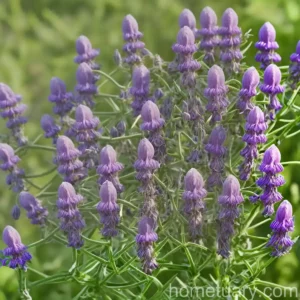
Clustered Sulla (Hedysarum glomeratum): A Fascinating Plant with Diverse Uses and Benefits
Plants are not just a source of beauty and decoration; they play a vital role in the ecosystem, agriculture, and human well-being. The Clustered Sulla (Hedysarum glomeratum) is an intriguing plant that offers a wide range of benefits and uses. In this comprehensive guide, we will explore the various facets of this plant, including its cultural significance, growth requirements, uses, propagation, and much more.
What is Clustered Sulla (Hedysarum glomeratum)?
Clustered Sulla, scientifically known as Hedysarum glomeratum, is a flowering plant species belonging to the legume family, Fabaceae. It is native to the Mediterranean region and is known for its exceptional adaptability and diverse uses. This plant is widely recognized for its nitrogen-fixing abilities, making it a valuable component in agricultural and ecological systems.
Clustered Sulla is a perennial herb with erect stems, compound leaves, and beautiful clusters of pink to purplish flowers. It has a deep taproot system that allows it to thrive in various soil conditions and contribute to soil improvement and stability. The plant’s ability to thrive in challenging environments and its ecological role in supporting wildlife and pollinators make it a valuable addition to sustainable landscaping and conservation efforts.
Key Takeaways – Clustered Sulla (Hedysarum glomeratum)
Culture
- Clustered Sulla is deeply rooted in the cultural and agricultural practices of the Mediterranean region, where it has been traditionally used as a forage crop and for soil improvement.
- In some regions, it holds cultural significance and is utilized in traditional herbal medicine and folklore.
- The plant’s cultural significance extends to its role in supporting diverse ecosystems and wildlife habitats.
Uses
- Agricultural Uses: It is valued as a forage crop due to its high protein content and palatability for livestock.
- Nitrogen Fixation: Clustered Sulla has the ability to fix atmospheric nitrogen, thus enhancing soil fertility and reducing the need for synthetic fertilizers.
- Soil Improvement: Its deep root system helps in reducing soil erosion and improving soil structure.
- Landscaping: It is utilized in sustainable landscaping practices due to its resilience and low maintenance requirements.
Water
- Clustered Sulla exhibits moderate water needs and is tolerant of drought conditions once established.
- Adequate moisture during the establishment phase is crucial for optimal growth and development.
Sunlight
- The plant thrives in full sunlight and is well-suited for open, sunny locations.
Fertilizer
- Due to its nitrogen-fixing abilities, Clustered Sulla has minimal fertilizer requirements, especially in nitrogen-deficient soils.
Soil
- It can adapt to a wide range of soil types, including well-drained sandy loam, clay loam, and alkaline soils.
- The plant thrives in slightly acidic to alkaline pH levels (6.0 – 7.5).
Pruning
- Regular mowing or grazing can help maintain the plant’s vigor and encourage dense growth.
Propagation
- Clustered Sulla can be propagated through seed sowing or by dividing established clumps.
- When propagating from seeds, scarification or pre-soaking can help enhance germination rates.
Container Popularity
- Due to its deep root system, Clustered Sulla is not commonly grown in containers.
Container Common Diseases
- In container settings, it may be susceptible to root rot if the soil is kept overly moist.
Disease Diagnosis
- Common diseases that may affect Clustered Sulla include root rot, powdery mildew, and leaf spot diseases.
- Proper sanitation and balanced watering practices can help prevent disease occurrences.
Common Pests
- Aphids, leafhoppers, and certain caterpillar species may pose occasional pest challenges.
- Integrated pest management strategies can effectively manage pest populations.
Botanist’s Tips
- Ensure well-drained soil to prevent waterlogging, especially during the establishment phase.
- Monitor for signs of nutrient deficiencies, particularly nitrogen, and adjust management practices accordingly.
With a thorough understanding of the plant’s cultural significance, growth requirements, and potential uses, it becomes evident that Clustered Sulla is a valuable addition to diverse agricultural, ecological, and landscaping settings. Let’s delve deeper into some of the key aspects associated with this remarkable plant.
Fun Facts
- Bee Forage: Clustered Sulla serves as a valuable nectar source for bees and other pollinators, contributing to the health of local ecosystems.
- Soil Enrichment: The plant’s nitrogen-fixing abilities not only benefit surrounding vegetation but also contribute to the overall health and fertility of the soil.
- Historical Significance: In some regions, Clustered Sulla holds historical significance and has been used in traditional rituals and ceremonies.
Links to External Resources
For more in-depth information on Clustered Sulla and related topics, consider exploring the following resources:
– The Role of Leguminous Plants in Sustainable Agriculture
– Hedysarum glomeratum: A Potential Forage Crop
We have only scratched the surface in understanding the intricacies and significance of Clustered Sulla. As we proceed, we will delve deeper into the various aspects of this plant, shedding light on its habitat, growth patterns, uses, and the ecological role it plays in diverse landscapes. Let’s continue our exploration of this fascinating plant.
This article will continue in the next section…