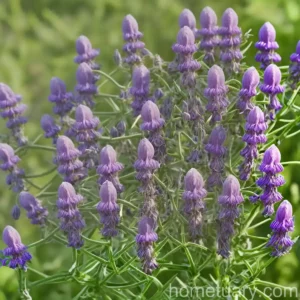
Pongamia Pinnata: The Versatile Pongam Oiltree
Pongamia pinnata, commonly known as Pongam Oiltree, is a versatile plant that holds significant cultural, ecological, and economic importance. This plant species has been cultivated and utilized for centuries due to its numerous benefits and uses. From the production of biofuel to its intrinsic role in soil conservation and reforestation, Pongamia pinnata stands as a sustainable and valuable resource. In this comprehensive guide, we will explore the cultivation, characteristics, uses, and ecological significance of Pongamia pinnata, shedding light on its diverse attributes and the vital role it plays in various domains.
What is Pongamia Pinnata?
Pongamia pinnata is a deciduous tree belonging to the Fabaceae family. It is native to the Indian subcontinent and is widely distributed across Asia, Australia, and parts of Africa. This species is well-adapted to arid and semi-arid environments, making it a resilient and valuable addition to agroforestry systems. The tree can reach considerable heights, with an average mature height ranging from 15 to 25 meters. The plant’s crown is broad and provides ample shade, further enhancing its ecological benefits.
Pongamia pinnata is known for its distinctive trifoliate leaves and colorful flowers, with its seeds being a rich source of valuable oil. The oil extracted from Pongamia pinnata seeds has garnered attention due to its potential as a biofuel and its various traditional uses in Ayurvedic medicine. This dual utility of Pongamia pinnata as an oil-producing plant with medicinal properties has led to its increased cultivation and research interest.
Key Takeaways – Pongamia Pinnata
Before delving into the specific aspects of Pongamia pinnata, let’s consider the key takeaways that highlight the essence and significance of this remarkable plant.
- It is a versatile deciduous tree belonging to the Fabaceae family.
- Pongamia pinnata is native to the Indian subcontinent and is widely distributed across Asia, Australia, and parts of Africa.
- The plant is well-adapted to arid and semi-arid environments, making it a resilient and valuable addition to agroforestry systems.
- Pongamia pinnata is recognized for its distinctive trifoliate leaves, colorful flowers, and seeds that are a rich source of valuable oil.
- The oil extracted from Pongamia pinnata seeds has garnered attention due to its potential as a biofuel and its various traditional uses in Ayurvedic medicine.
- The plant plays a substantial role in soil conservation, reforestation, and sustainable agriculture practices.
Culture
The successful cultivation of Pongamia pinnata requires knowledge of its cultural requirements, including water, sunlight, fertilizer, soil, and pruning practices.
Water
Pongamia pinnata is known for its tolerance to drought conditions, making it suitable for cultivation in regions with limited water availability. However, during its initial growth phase and establishment, regular watering is essential. Once the plant is well-established, it can thrive in semi-arid conditions with minimal water input. It is crucial to ensure proper drainage to prevent waterlogging, especially in areas with heavy or clayey soils.
Sunlight
Pongamia pinnata thrives in full sunlight and is ideally suited for open, sunny locations. Adequate sunlight is essential for promoting healthy growth and abundant flowering in the plant. When selecting a site for planting Pongamia pinnata, prioritize areas with ample sunlight exposure throughout the day.
Fertilizer
In the early stages of growth, Pongamia pinnata benefits from the application of organic fertilizers to support its establishment. Once the tree is well-established, it exhibits nitrogen-fixing properties, contributing to soil fertility through its association with nitrogen-fixing bacteria. As a result, the plant typically does not require extensive fertilizer inputs in the long run.
Soil
Pongamia pinnata exhibits a degree of adaptability to various soil types, including sandy, loamy, and clayey soils. Well-draining soils are preferred to prevent waterlogging, which can be detrimental to the plant’s roots. While the species can tolerate mildly saline soils, it thrives in neutral to slightly alkaline soil pH levels.
Pruning
Pruning is essential for shaping young Pongamia pinnata plants and promoting a strong and well-structured canopy. It is recommended to carry out initial training and pruning during the early years of establishment to encourage robust growth patterns and desirable branch architecture. Regular pruning may also be beneficial to remove dead or diseased branches and maintain the plant’s overall health.
Uses
The versatility of Pongamia pinnata is reflected in its diverse uses, spanning from traditional medicinal applications to its role in biofuel production and agroforestry systems.
Pongamia Pinnata Oil
Pongamia pinnata seeds are a rich source of oil that has garnered attention for its potential use as a biofuel. The oil extracted from the seeds contains high levels of triglycerides and is well-suited for biodiesel production. The utilization of Pongamia pinnata oil as a biofuel contributes to the development of sustainable energy sources and reduces reliance on fossil fuels.
Medicinal Properties
The traditional uses of Pongamia pinnata in Ayurvedic medicine highlight the plant’s medicinal properties. Various parts of the plant, including the seeds, leaves, and bark, are used to prepare traditional remedies for skin ailments, wounds, and as an antiseptic agent. The plant’s extracts have also shown potential in exhibiting antioxidant and anti-inflammatory properties, further expanding its significance in natural healthcare systems.
Soil Conservation and Reforestation
Pongamia pinnata plays a crucial role in soil conservation and reforestation efforts. Its deep roots contribute to soil stabilization and erosion control, particularly in regions prone to soil degradation. The plant’s ability to thrive in arid conditions and its nitrogen-fixing properties make it an advantageous species for reforestation projects aimed at restoring degraded landscapes.
Agroforestry
The incorporation of Pongamia pinnata in agroforestry systems offers multiple benefits, including providing shade for crops, enhancing soil fertility through nitrogen fixation, and contributing to sustainable land management practices. The plant’s adaptability to arid environments makes it an attractive candidate for agroforestry integration in regions with challenging climatic conditions.
Bioenergy Production
Pongamia pinnata holds promise as a valuable source of biomass for energy production. Its ability to thrive in marginal lands and its oil-rich seeds position it as a viable candidate for bioenergy crop cultivation. The utilization of Pongamia pinnata for bioenergy aligns with the broader objectives of transitioning towards renewable and carbon-neutral energy sources.
Propagation
The propagation of Pongamia pinnata can be carried out through seeds or vegetative propagation methods, such as stem cuttings. Understanding the propagation techniques is essential for establishing new plantations and maintaining genetic diversity within cultivated stands.
Seed Propagation
Seeds serve as the primary method for propagating Pongamia pinnata. The seeds should be collected from mature and healthy trees, ensuring their viability for successful germination. Prior to sowing, it is advisable to scarify the seeds to break their hard seed coat, enhancing germination rates. Planting the scarified seeds in well-prepared soil under favorable conditions can facilitate the establishment of new Pongamia pinnata plants.
Vegetative Propagation
Vegetative propagation of Pongamia pinnata can be achieved through stem cuttings, offering an alternative method to establish new plants. Selecting healthy and disease-free branches for obtaining cuttings is crucial to ensure the successful initiation of new plants. The cuttings should be treated with rooting hormones and planted in well-draining substrate to encourage root development.
Container Popularity
The adaptability of Pongamia pinnata to container cultivation makes it an attractive option for individuals seeking to grow the plant in a controlled environment or limited space. Container cultivation allows for the effective management of the plant’s growth and provides flexibility in positioning the tree within a variety of settings.
The following points highlight the aspects related to container cultivation of Pongamia pinnata:
- The tree can be successfully grown in large containers or pots, provided they offer sufficient space for root development and adequate drainage.
- Container-grown Pongamia pinnata may benefit from periodic root pruning or repotting to prevent root congestion and promote overall plant vigor.
- Selecting well-draining potting mix and providing regular watering and sunlight exposure are essential for maintaining healthy growth in container-grown Pongamia pinnata.
Common Diseases
Pongamia pinnata, while generally resilient, may be susceptible to specific diseases that can impact its growth and overall health. Understanding the common diseases affecting the plant and implementing appropriate management strategies is crucial for safeguarding cultivated stands.
Disease Diagnosis
-
Anthracnose: Anthracnose, caused by Colletotrichum species, can manifest as leaf spots, stem cankers, and defoliation. Proper sanitation and the application of fungicidal sprays may aid in managing anthracnose.
-
Root Rot: Excessive soil moisture or poorly draining soils can lead to root rot, characterized by the decay of roots and subsequent decline in plant health. Ensuring proper soil drainage and avoiding overwatering are essential preventive measures for mitigating root rot.
-
Powdery Mildew: Powdery mildew, caused by fungal pathogens, can appear as whitish powdery growth on the leaves and stems. Promoting air circulation and the application of suitable fungicides can help manage powdery mildew outbreaks.
Common Pests
Pests can pose a threat to the health and yield of Pongamia pinnata, necessitating vigilant monitoring and appropriate pest management practices to minimize their impact.
Insect Pests
-
Leafhoppers: Leafhoppers may feed on the sap of Pongamia pinnata, causing leaf yellowing and stunted growth. Insecticidal sprays and the introduction of natural predators can aid in controlling leafhopper populations.
-
Aphids: Aphids can colonize the foliage of Pongamia pinnata, leading to distorted growth and reduced vigor. The application of insecticidal soaps and horticultural oils can effectively manage aphid infestations.
Pathogens
-
Nematodes: Nematodes can affect the root system of Pongamia pinnata, leading to stunted growth and reduced nutrient uptake. Nematode-resistant cultivars and soil solarization techniques can aid in managing nematode issues.
-
Fungal Pathogens: Various fungal pathogens, such as Fusarium and Phytophthora species, can impact the plant’s roots and foliage. Implementing proper sanitation practices and employing disease-resistant cultivars can contribute to effective fungal disease management.
Botanist’s Tips
For individuals keen on cultivating Pongamia pinnata or incorporating it into agroforestry or landscaping endeavors, the following botanist’s tips provide valuable insights and recommendations.
-
Site Selection: Prioritize well-drained sites with ample sunlight exposure for planting Pongamia pinnata to promote healthy growth and robust flowering.
-
Soil Preparation: Ensure adequate soil preparation by incorporating organic matter and promoting pH levels conducive to the plant’s growth and nutrient availability.
-
Water Management: During the establishment phase, provide regular watering to newly planted Pongamia pinnata, gradually transitioning to a more water-efficient regimen once the plant is established.
-
Pruning Practices: Implement judicious pruning practices during the early growth stages to shape the plant and encourage desirable branch structure, promoting overall plant health.
-
Integrated Pest and Disease Management: Adopt integrated pest and disease management strategies, including cultural, biological, and chemical control methods, to safeguard Pongamia pinnata from potential threats.
Fun Facts
Delving into the realm of fascinating facts about Pongamia pinnata reveals the diverse and intriguing aspects of this remarkable plant.
- Pongamia pinnata’s oil has been traditionally used for lamp lighting in rural areas, earning it the moniker “Karanja Oil” in some regions.
- The plant’s seeds, renowned for their oil content, have been utilized for soap and candle production in various traditional communities.
- Pongamia pinnata holds promise as a potential source of insect-repelling compounds, presenting avenues for exploring its use in natural pest control formulations.
- The species’ role in providing sustainable biomass and promoting ecological restoration aligns with broader initiatives focused on environmental conservation and climate resilience.
Links to External Resources
The following links offer valuable insights and additional information on Pongamia pinnata, encompassing its ecological significance, cultivation techniques, and diverse applications.
- AyurVedic Uses of Pongamia pinnata
- Biofuel Potential of Pongamia pinnata Oil
- Agroforestry Applications of Pongamia pinnata
- Soil Conservation and Reforestation with Pongamia pinnata
- Traditional and Medicinal Uses of Pongamia pinnata
- Pongamia pinnata in Sustainable Agriculture Practices
In conclusion, Pongamia pinnata stands as a multifaceted plant with a rich tapestry of uses, ecological benefits, and potential contributions to sustainable development. Its cultivation embodies a harmonious fusion of environmental stewardship, renewable energy advancement, and traditional wisdom, positioning it as a beacon of sustainable plant utilization. Exploring the diverse facets of Pongamia pinnata unveils a world of possibilities, where ecological conservation, economic viability, and cultural heritage converge in a singular botanical entity, embodying the resilience and adaptability of nature.
In the journey of understanding and appreciating Pongamia pinnata, we are entrusted with the stewardship of this remarkable plant, with the responsibility to cultivate and conserve its legacy for generations to come.
This comprehensive guide serves as a definitive resource for enthusiasts, researchers, and practitioners seeking to explore the intricate tapestry of Pongamia pinnata, unraveling its rich history, ecological significance, and contemporary relevance. The insights provided herein offer a holistic view of this remarkable plant, elevating its stature as a beacon of sustainability and resilience in the realm of botanical diversity.