Club Moss (Lycopodium Squarrosum)
Lycopodium squarrosum, commonly known as club moss, is a fascinating and diverse group of plants that are part of the Lycopodiaceae family. They are not.
Introduction to Club Moss
Lycopodium squarrosum, commonly known as club moss, is a fascinating and diverse group of plants that are part of the Lycopodiaceae family. They are not true mosses but are ancient, non-flowering plants that have been around for millions of years. These unique plants offer a wide range of benefits and have various uses, both in the natural environment and in human culture.
Key Takeaways
- The plant belongs to the Lycopodiaceae family.
- Club mosses are not true mosses but ancient, non-flowering plants.
- Lycopodium squarrosum has a wide range of uses and benefits.
Lycopodium squarrosum Characteristics
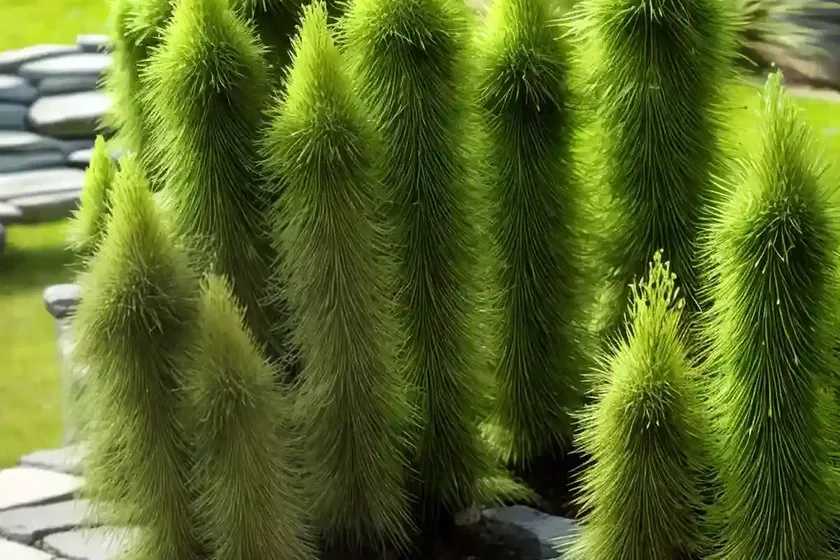
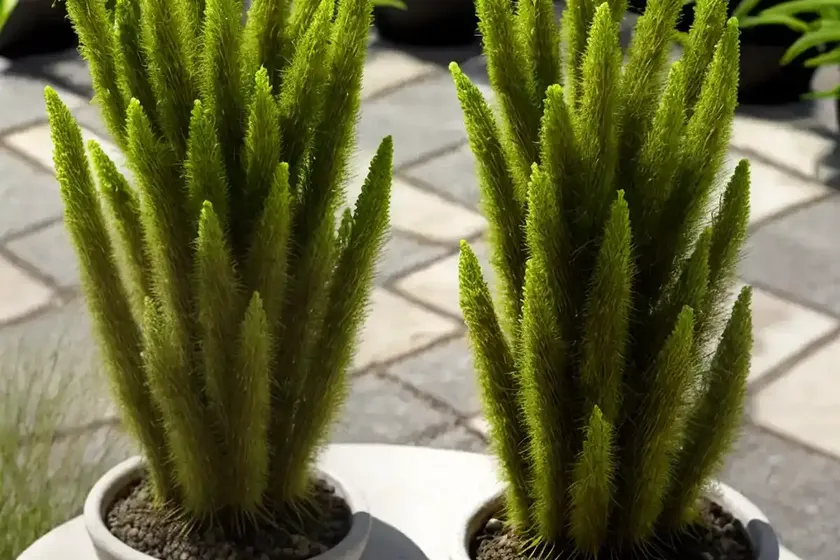
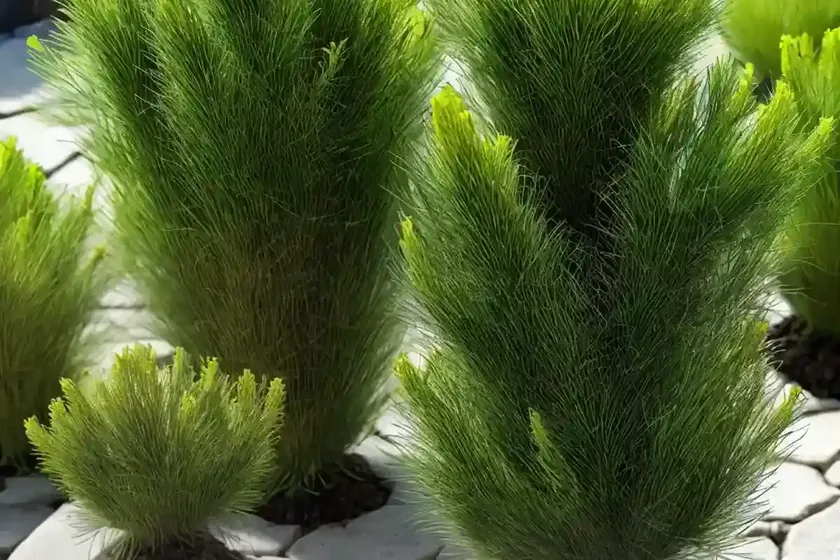
Lycopodium squarrosum, or club moss, is a low-growing, evergreen plant that typically spreads through horizontal stems called rhizomes. It is known for its small scale-like leaves and its potential to carpet the ground with its dense growth habit. This plant is also capable of reproducing through spores rather than flowers or seeds, marking its distinction from flowering plants.
Types of Club Moss
- Running Club Moss (Lycopodium clavatum): This type of club moss is characterized by its long, creeping stems and is often found in shady woodland areas.
- Diphasiastrum digitatum: Also known as ground cedar, this type of club moss has a branching, upright growth habit and is commonly found in rocky, woodland habitats.
Lycopodium squarrosum Description
The club moss is a small, primitive plant that resembles mosses and is often mistaken for them due to their similar appearance. However, club mosses are vascular plants and are more closely related to ferns and other seedless vascular plants. They are characterized by their creeping or upright stems and small, scale-like leaves that give them a unique texture and appearance. Their reproductive structures consist of strobili, which contain spores for reproduction.
Club Moss Species
The Lycopodium genus encompasses a wide variety of club moss species, each with its unique characteristics and habitats. Some notable species besides Lycopodium squarrosum include Lycopodium clavatum, Lycopodium annotinum, and Lycopodium digitatum, among others.
Growing Club Moss (Lycopodium squarrosum)
Growing club moss can be a rewarding experience, especially for those who appreciate unique and ancient plant species. By understanding and meeting its specific cultural requirements, you can cultivate a thriving club moss in your garden or indoors.
Club Moss Care Tips
Culture
- Humidity: Club mosses thrive in high-humidity environments, making them ideal for terrariums or greenhouse cultivation.
- Temperature: They prefer cool to moderate temperatures, making them suitable for growing indoors in regions with harsh winters.
- Light: They thrive in bright, indirect light and are best placed in locations with filtered sunlight.
- Soil: A well-draining, acidic soil mixture is essential for club moss cultivation.
- Water: They require consistently moist, but not waterlogged, soil to thrive.
Uses
- Decoration: Club mosses are popular as decorative indoor plants, particularly in terrariums and miniature landscapes.
- Groundcover: Their dense growth habit makes them an excellent choice for groundcover in shaded areas of the garden.
- Medicinal: Some species of club moss have traditional medicinal uses in herbal medicine.
Sunlight
Club mosses thrive in bright, indirect light and are often found in shaded areas in their natural habitats. When grown indoors, they should be placed in locations with filtered sunlight to mimic their native growing conditions.
Fertilizer
Due to their preference for nutrient-poor soils in the wild, club mosses do not require frequent fertilization. A light application of a balanced, water-soluble fertilizer once or twice a year during the growing season can be sufficient.
Soil
A well-draining, acidic soil mixture is essential for club moss cultivation. A mix of peat moss and perlite or sand can create an ideal growing medium for these plants.
Pruning
Club mosses generally do not require pruning, as they have a low and spreading growth habit. However, trimming back any dead or damaged fronds can help maintain their appearance.
Propagation
Propagation of club mosses can be achieved through division or spore sowing. Division involves separating mature rhizomes and planting them in separate containers or areas to create new plants. Spore sowing is a more complex process that involves collecting and germinating spores to establish new plants.
Container Popularity
Club mosses are popular choices for container gardening, particularly in terrariums and indoor plant displays due to their compact size and unique texture.
Common Diseases
Though generally hardy, club mosses can be susceptible to certain diseases and pests when grown under unfavorable conditions. Understanding common issues can help in their prevention and management.
Disease Diagnosis
Common diseases that affect club mosses include:
- Root Rot: Often caused by overwatering and poorly draining soils.
- Leaf Spot: Fungal diseases that affect the foliage, particularly in humid or overcrowded conditions.
Common Pests
Pests that can affect club mosses include:
- Spider Mites: These tiny pests can cause stippling on the leaves and webbing on the plant.
- Scale Insects: Scale insects can appear as small bumps on the stems and leaves, often leading to weakened growth.
Botanist’s Tips
As a plant scientist studying club mosses, here are some tips to ensure the successful growth and maintenance of these intriguing plants:
- Provide Adequate Humidity: Mimic their natural forest habitats by maintaining high humidity levels, especially when cultivating them indoors.
- Monitor Light Levels: Avoid exposing club mosses to direct sunlight, as it can cause leaf burn and lead to stress.
- Watch for Signs of Stress: Keep an eye out for browning or yellowing foliage, as it can indicate issues with watering or light levels.
Fun Facts
- Club mosses are among the oldest living vascular plants, with a history dating back hundreds of millions of years.
- Their primitive reproductive structures and growth habits make them of great interest to botanists and researchers studying plant evolution.
Links to External Resources
For additional information on club mosses and related topics, the following resources can be invaluable:
In conclusion, Lycopodium squarrosum, or club moss, is a captivating plant that possesses unique characteristics and offers a range of uses and benefits. Whether grown as a decorative indoor plant, a groundcover in the garden, or for its potential medicinal properties, club mosses have a special place in the world of plants. Understanding their culture, care requirements, and ecological significance can enable enthusiasts and researchers to appreciate and cultivate these ancient plants effectively.


