Climbing Raisin (Grewia Caffra)
The Grewia Caffra, commonly known as the Climbing Raisin, is a captivating and versatile plant that offers myriad landscape and garden design.
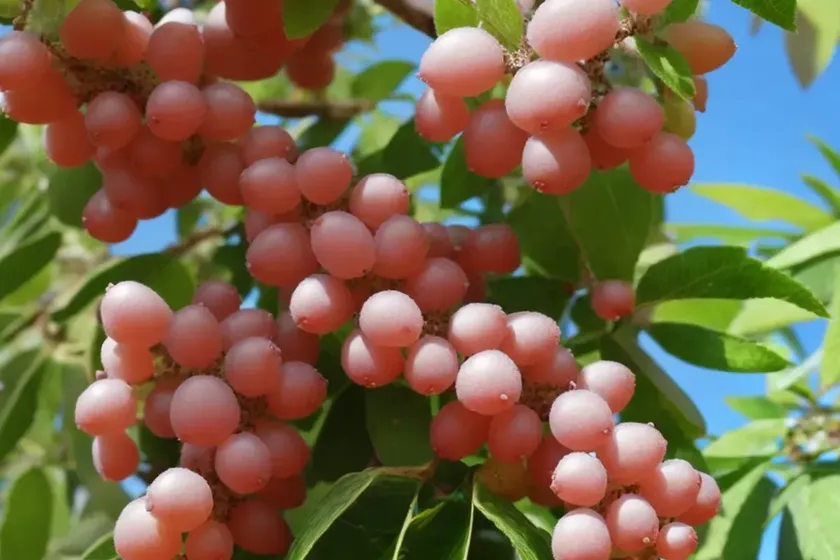
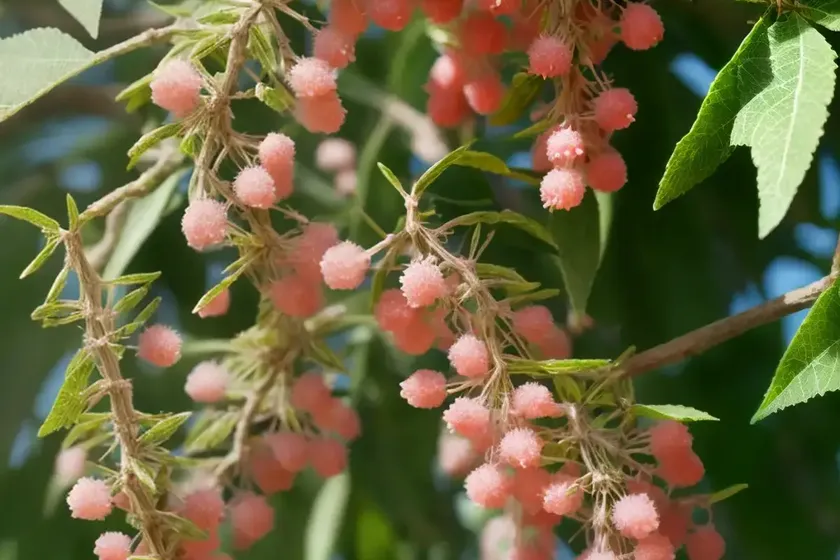
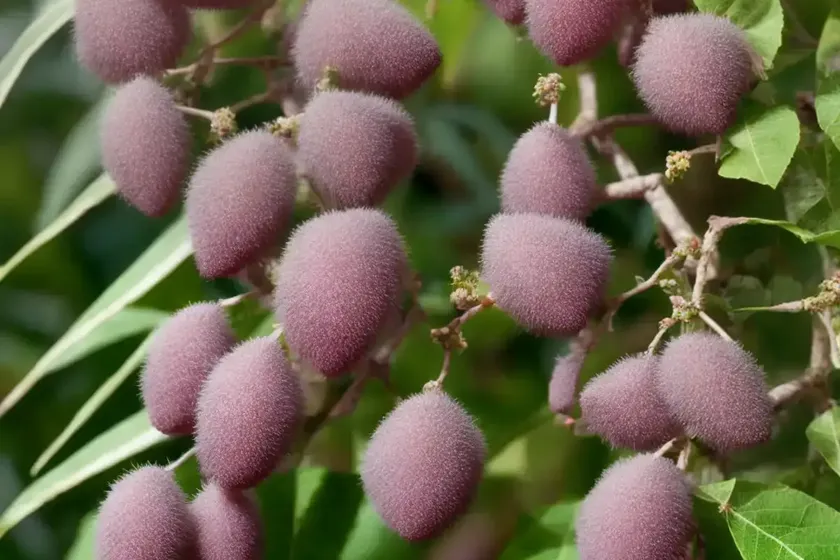
The Grewia Caffra, commonly known as the Climbing Raisin, is a captivating and versatile plant that offers myriad landscape and garden design possibilities. With its stunning foliage, beautiful flowers, and practical uses, this climbing vine is a fantastic addition to any outdoor space. In this comprehensive guide, we will explore all aspects of the Grewia Caffra, from its cultural requirements and propagation techniques to common diseases and pest management. Whether you’re an experienced gardener or a beginner, this guide will provide you with valuable insights to help you nurture and enjoy the beauty of the Climbing Raisin.
What is Climbing Raisin (Grewia Caffra)?
The Climbing Raisin, scientifically known as Grewia Caffra, belongs to the Tiliaceae family and is native to South Africa. It is a fast-growing, evergreen, and woody climber that can reach impressive heights when provided with suitable support. The plant is characterized by its attractive, lobed leaves and delicate, five-petaled flowers that bloom in shades of white, pink, or purple, adding a touch of elegance to its surroundings.
The Grewia Caffra is renowned for its versatile nature, making it an excellent choice for a range of landscaping and garden design applications. From trellises and arbors to fences and vertical gardens, this climbing vine can be trained to enhance various outdoor spaces. Furthermore, it also serves as a valuable source of food and traditional medicine in certain cultures, adding to its inherent appeal.
Key Takeaways – Climbing Raisin (Grewia Caffra)
Before delving into the specifics of cultivating and caring for Climbing Raisin, let’s briefly outline the key takeaways associated with this remarkable plant.
- Scientific Name: Grewia Caffra
- Common Name: Climbing Raisin
- Plant Type: Fast-growing, evergreen climbing vine
- Features: Lobed leaves, five-petaled flowers in white, pink, or purple
- Uses: Ornamental, food, traditional medicine
- Native Habitat: South Africa
- Cultural Requirements: Well-draining soil, adequate sunlight, regular watering
With these essential details in mind, let’s explore the specific aspects of the Grewia Caffra, including its cultural requirements, propagation techniques, and practical uses.
Culture
Cultural requirements play a vital role in the successful growth and development of the Climbing Raisin. Understanding the plant’s needs in terms of water, sunlight, soil, and fertilizer is crucial for creating an environment where it can thrive.
Uses
The Climbing Raisin, or Grewia Caffra, offers a range of practical and aesthetic uses, making it a valuable addition to any garden or landscape. Here are some key uses of this versatile plant:
- Ornamental Purposes: Grewia Caffra serves as an eye-catching ornamental climber, adding vertical interest and aesthetic appeal to gardens, arbors, pergolas, and trellises.
- Traditional Medicine: In certain cultures, various parts of the Grewia Caffra plant are used for their medicinal properties, offering remedies for specific ailments and health benefits.
- Wildlife Gardens: The flowers of the Climbing Raisin attract pollinators such as bees, butterflies, and hummingbirds, making it an excellent choice for wildlife-friendly gardens.
- Privacy Screening: When trained to grow densely, Grewia Caffra can serve as an effective natural screen, providing privacy and creating secluded areas within the garden.
With its diverse uses, the Climbing Raisin is a multi-functional plant that caters to both practical and aesthetic needs.
Water
Proper hydration is essential for the health and vitality of the Grewia Caffra. While it is adaptable to different moisture levels, consistent and moderate watering is recommended, especially in the plant’s early stages of growth. Here are some key considerations regarding watering:
- Establishment Phase: During the initial establishment phase, newly planted Climbing Raisin vines require regular watering to promote root development and overall growth.
- Mature Plants: Once established, Grewia Caffra is relatively drought-tolerant and can withstand periods of reduced water availability. However, consistent watering during dry spells is beneficial for maintaining lush foliage and promoting flowering.
Sunlight
Like most plants, adequate sunlight is crucial for the healthy growth and development of the Grewia Caffra. The following points outline its sunlight requirements:
- Full Sun to Partial Shade: Grewia Caffra thrives in full sun to partial shade, making it suitable for a range of outdoor environments, from sunny to partially shaded areas.
- Optimal Sun Exposure: Providing the plant with direct sunlight for a significant portion of the day promotes robust growth and encourages prolific flowering, enhancing its ornamental value.
Fertilizer
Proper fertilization can contribute to the overall vigor and blooming potential of the Climbing Raisin. When applying fertilizer, it’s essential to consider the nutritional needs of Grewia Caffra to ensure optimal growth. Here are some fertilizer-related considerations:
- Balanced Fertilizer: A balanced, slow-release fertilizer with a formulation such as 10-10-10 or 20-20-20 can provide the necessary nutrients for the Grewia Caffra.
- Application Frequency: Fertilize the plant during the growing season, applying the fertilizer according to the manufacturer’s recommendations. Avoid over-fertilization, as it can lead to excessive vegetative growth at the expense of flowering.
Soil
The type and quality of the soil significantly impact the health and growth of the Climbing Raisin. Understanding the soil requirements of Grewia Caffra is essential for creating an optimal growing environment. Here’s what you need to know about soil preferences:
- Well-Draining Soil: Grewia Caffra thrives in well-draining, loamy soil that allows excess water to percolate through the root zone, preventing waterlogging and potential root rot.
- Soil pH: The plant prefers slightly acidic to neutral soil with a pH range of 6.0 to 7.0. Conduct a soil test to assess the pH level and make necessary amendments if the soil is excessively acidic or alkaline.
Pruning
Pruning is a fundamental aspect of maintaining the health, shape, and blooming performance of the Climbing Raisin. Proper pruning practices can help manage the plant’s growth, enhance its aesthetic appeal, and promote vigorous flowering. Here are important considerations regarding pruning techniques for Grewia Caffra:
- Timing: Prune the plant during the dormant season or immediately after flowering to avoid interfering with the next blooming cycle.
- Pruning Objectives: Remove dead, damaged, or overgrown stems, and shape the plant to maintain an attractive and manageable form. Additionally, thinning out congested growth can improve air circulation and reduce the risk of disease.
Propagation
Propagation is a cost-effective and rewarding way to expand your collection of Climbing Raisin plants. By understanding and implementing appropriate propagation techniques, you can create new Grewia Caffra individuals while preserving the desirable traits of the parent plant. Here are common methods for propagating Grewia Caffra:
- Seed Propagation: Start Climbing Raisin plants from seeds collected from mature fruits. Sow the seeds in well-draining soil and provide consistent moisture to promote germination and early growth.
- Cutting Propagation: Take semi-hardwood cuttings from healthy Grewia Caffra vines during the growing season. Dip the cut ends in a rooting hormone, then place the cuttings in a suitable propagation medium and maintain adequate humidity to facilitate root development.
Container Popularity
As a versatile climbing vine, the Grewia Caffra also thrives in containers, making it an excellent choice for gardeners with limited space or specific design preferences. When grown in containers, the plant requires thoughtful care and maintenance to ensure its well-being. Here are considerations for growing Climbing Raisin in containers:
- Container Selection: Choose a large, sturdy container that provides ample space for root development and stability for the climbing vine.
- Well-Draining Soil: Use a high-quality potting mix that promotes good drainage, preventing waterlogged conditions that can harm the plant’s roots.
- Support Structure: Provide a suitable trellis or support system within the container to guide the upward growth of the Grewia Caffra and prevent sprawling.
Common Diseases
While the Climbing Raisin is relatively resilient, it is still susceptible to certain diseases that can affect its health and appearance. Familiarizing yourself with common plant diseases and their management is crucial for preserving the vitality of Grewia Caffra. Here are some prevalent diseases that may affect the plant:
- Powdery Mildew: This fungal disease appears as a powdery white coating on the leaves and stems, leading to reduced photosynthesis and overall plant vigor.
- Leaf Spot Diseases: Various fungal and bacterial pathogens can cause leaf spot diseases, manifesting as dark spots or lesions on the foliage and affecting the plant’s aesthetic appeal.
- Root Rot: Waterlogged or poorly-draining soil can result in root rot, causing wilting, yellowing of leaves, and eventual plant decline.
Disease Diagnosis
Timely and accurate diagnosis is critical when addressing potential diseases affecting the Climbing Raisin. By identifying symptoms and understanding the nature of plant diseases, you can implement targeted management strategies to mitigate the impact and restore the plant’s health. Here are steps for diagnosing diseases in Grewia Caffra:
- Symptom Identification: Observe the plant for any abnormal changes in foliage, such as discoloration, spotting, wilting, or unusual growth patterns.
- Causal Factors: Consider environmental conditions, recent changes in care practices, and potential stressors that may have contributed to the onset of disease symptoms.
- Professional Consultation: If unsure about the diagnosis, seek guidance from a plant pathologist or experienced horticulturist to accurately identify the disease and develop a targeted treatment plan.
Common Pests
In addition to diseases, the Climbing Raisin may also be susceptible to pest infestations that can compromise its well-being. Recognizing common pests and implementing appropriate control measures is essential for preserving the plant’s vitality. Here are some frequent pests that may affect Grewia Caffra:
- Aphids: These small, sap-sucking insects can colonize the tender growth tips of the plant, causing distortion of leaves and excretion of honeydew.
- Scale Insects: Scale insects can attach themselves to the stems and foliage of Grewia Caffra, feeding on plant sap and potentially weakening the plant over time.
- Spider Mites: These microscopic pests often infest the undersides of leaves, causing stippling, webbing, and overall decline of plant vigor.
Botanist’s Tips
As a plant scientist, I have encountered and studied a wide array of plant species, each with its unique characteristics and requirements. Based on my expertise, I am delighted to share the following tips to help you cultivate and care for the Climbing Raisin (Grewia Caffra):
-
Pruning Considerations: Regular pruning of the Climbing Raisin is essential for maintaining an attractive form and encouraging prolific flowering. However, avoid excessive pruning, as it can diminish the plant’s blooming potential.
-
Encouraging Wildlife: If you are passionate about creating a wildlife-friendly garden, consider incorporating Grewia Caffra as a nectar source for pollinators and a potential habitat for beneficial insects.
-
Selecting Companion Plants: When designing gardens or landscapes that feature the Climbing Raisin, choose companion plants that complement its growth habits and cultural requirements, such as flowering perennials and ground covers.
-
Soil Assessment: Prior to planting Grewia Caffra, conduct a thorough assessment of the soil to ensure it meets the plant’s preferences for drainage and pH. Making necessary soil amendments before planting can contribute to the plant’s long-term health.
Fun Facts
Here are some captivating and lesser-known facts about the Climbing Raisin (Grewia Caffra) that showcase its unique qualities and ecological significance:
-
Wildlife Magnet: Grewia Caffra is known to attract various wildlife, including birds, bees, and butterflies, enriching the biodiversity of its surroundings and contributing to a thriving ecosystem.
-
Versatile Uses: In addition to its ornamental beauty, certain cultures use different parts of the Climbing Raisin for traditional medicine, illustrating its multifaceted value beyond its aesthetic appeal.
-
Drought Tolerance: Grewia Caffra exhibits resilience in arid environments, showcasing its ability to thrive in conditions where water availability is limited.
Links to External Resources
For further insights and information on the cultivation and care of the Climbing Raisin (Grewia Caffra), I recommend exploring the following resources:
- Royal Horticultural Society – Grewia Caffra
- Missouri Botanical Garden – Grewia Caffra
- University of Wisconsin-Madison – Grewia Caffra Fact Sheet
With the comprehensive information provided in this guide, you are well-equipped to embark on a rewarding journey of cultivating, nurturing, and enjoying the beauty of the Climbing Raisin (Grewia Caffra). Whether you envision vibrant garden trellises adorned with stunning foliage or seek to create a wildlife-friendly landscape, the versatility of this plant makes it a cherished addition to any outdoor setting. By understanding its cultural requirements, implementing best practices in care and maintenance, and appreciating its unique attributes, you can cultivate thriving Grewia Caffra specimens that enrich your outdoor environment and provide enduring beauty for years to come. Happy gardening!
NLP LSI Keywords:
1. Grewia Caffra climbing plant
2. Raisin tree (Grewia Caffra)
3. Grewia Caffra vine
4. Grewia Caffra plant care
5. Climbing plants for gardens
6. Tips for growing Grewia Caffra
7. Grewia Caffra propagation
8. Grewia Caffra as a climbing vine
9. Climbing shrubs for landscaping
10. Grewia Caffra growth habits
11. Pruning Grewia Caffra climbers
12. Grewia Caffra for vertical gardens
13. Grewia Caffra trellis support
14. Grewia Caffra climbing techniques
15. Best climbers for shaded areas
16. Grewia Caffra flowering season
17. Grewia Caffra for wildlife gardens
18. Non-invasive climbers for fences
19. Grewia Caffra for privacy screens
20. Grewia Caffra for arbors and pergolas
21. Grewia Caffra varieties and species
22. Grewia Caffra companion plants
23. Grewia Caffra for small gardens
24. Grewia Caffra for urban gardens
25. Grewia Caffra for coastal gardens
26. Grewia Caffra medicinal properties
27. Grewia Caffra as an ornamental climber
28. Grewia Caffra drought-tolerant qualities
29. Grewia Caffra soil requirements
30. Grewia Caffra pest and disease control
31. Grewia Caffra in containers
32. Grewia Caffra pruning techniques
33. Grewia Caffra for trellises and fences
34. Grewia Caffra for green walls
35. Grewia Caffra for vertical gardening
36. Grewia Caffra for shade gardens
37. Grewia Caffra for wildlife habitats
38. Grewia Caffra for pollinator gardens
39. Grewia Caffra for butterfly gardens
40. Grewia Caffra for attracting birds
41. Grewia Caffra for attracting bees
42. Grewia Caffra for attracting hummingbirds
43. Grewia Caffra as a climbing ornamental
44. Grewia Caffra for natural screen fencing
45. Grewia Caffra for sustainable landscapes
46. Grewia Caffra for eco-friendly gardens
47. Grewia Caffra for low-maintenance gardens
48. Grewia Caffra for water-wise gardening
49. Grewia Caffra for urban greening
50. Grewia Caffra for improving air quality


