Climbing Nightshade (Solanum Dulcamara)
As a plant scientist, I have always been intrigued by the diversity and adaptability of plant species. Among the vast array of plants, one that has.
Introduction
As a plant scientist, I have always been intrigued by the diversity and adaptability of plant species. Among the vast array of plants, one that has particularly caught my attention is the Climbing Nightshade (Solanum dulcamara). Also known as bittersweet nightshade, this climbing vegetation belongs to the Solanaceae family and is native to Europe and Asia. Through this comprehensive guide, I aim to delve into the various aspects of the Climbing Nightshade, from its characteristics and cultivation to its potential uses and benefits.
What is Climbing Nightshade?
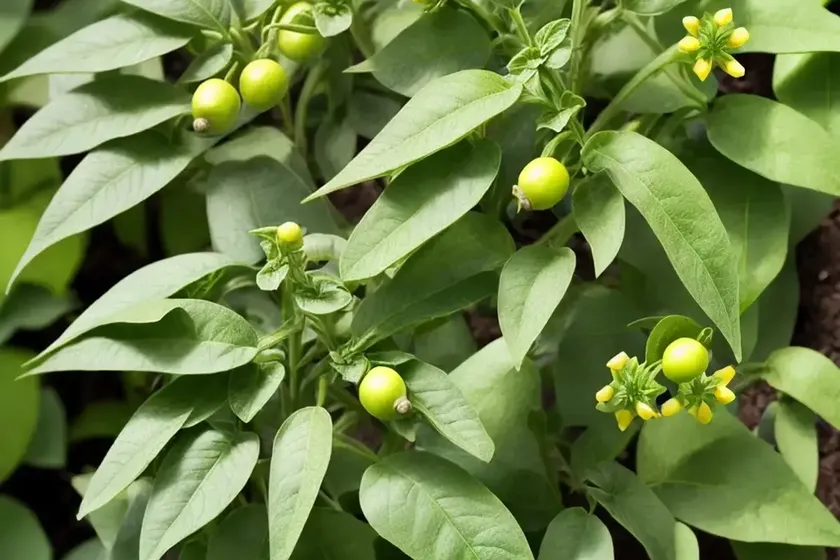
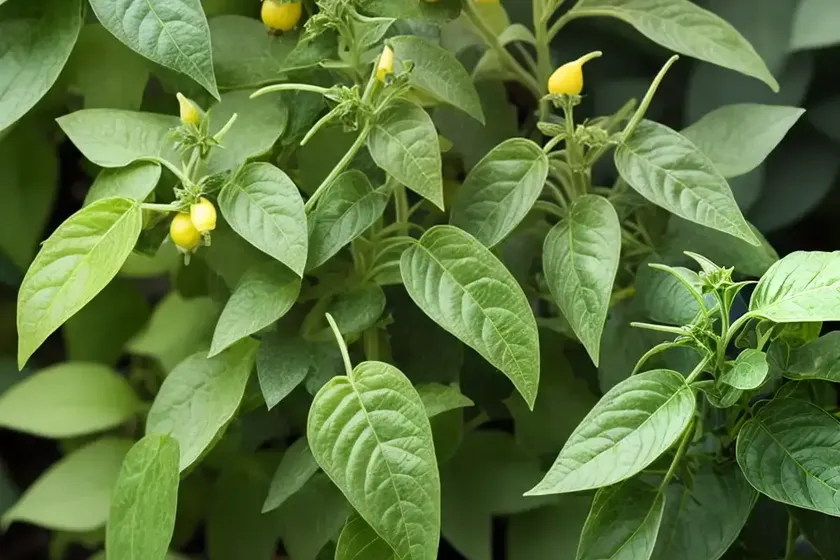
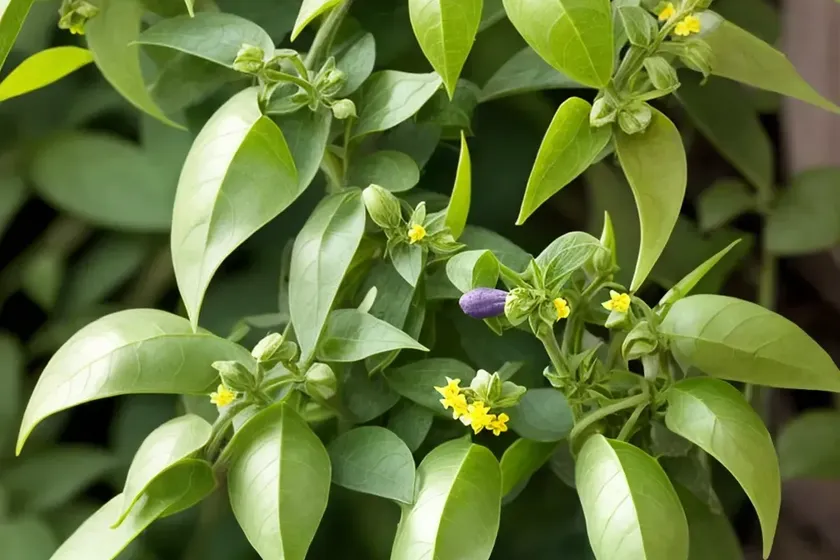
Climbing Nightshade, scientifically known as Solanum dulcamara, is a perennial vine that boasts a range of desirable characteristics. This climbing plant is distinguished by its slender stems, which are capable of reaching impressive heights due to their climbing nature. The leaves of the Climbing Nightshade are alternate and can vary in shape from oval to lanceolate, with smooth margins. The clusters of star-shaped flowers that adorn this plant are a delightful combination of purple and yellow, adding a splash of color to any garden or landscape.
Key Takeaways – Climbing Nightshade (Solanum dulcamara)
Before we delve deeper into the specifics of cultivating and caring for the Climbing Nightshade, let’s explore some key takeaways regarding this intriguing plant.
- Plant Name: Climbing Nightshade (Solanum dulcamara)
- Family: Solanaceae
- Other Names: Bittersweet Nightshade
- Plant Type: Perennial Climbing Vine
- Native Habitat: Europe and Asia
- Notable Features: Slender climbing stems, alternate leaves, purple and yellow star-shaped flowers
- Potential Uses: Medicinal, ornamental, landscaping
With this foundational understanding, let’s proceed to explore the cultural requirements, uses, and cultivation guidelines for the Climbing Nightshade plant.
Culture
Understanding the cultural requirements of a plant is crucial for ensuring its healthy growth and development. Here, we will delve into the cultural aspects of the Climbing Nightshade, including its water, sunlight, fertilizer, and soil needs.
Water
Climbing Nightshade, like many other plants, requires an adequate water supply to thrive. However, it is essential to strike a balance, as overwatering can lead to waterlogged soil, which may adversely affect the plant. As a climbing vine, the water needs of Climbing Nightshade may vary based on factors such as the climate and soil conditions. In general, it is advisable to water the plant deeply but infrequently, allowing the soil to partially dry out between watering sessions.
Sunlight
When it comes to sunlight requirements, the Climbing Nightshade demonstrates a preference for partial to full sun exposure. In areas with hot climates, providing some afternoon shade can be beneficial, especially during the peak of summer. Adequate sunlight is crucial for promoting healthy growth and abundant flowering in the Climbing Nightshade.
Fertilizer
To support the growth and blooming of Climbing Nightshade, a balanced fertilizer can be applied during the growing season. A general-purpose fertilizer with balanced NPK (nitrogen, phosphorus, potassium) ratios can be suitable for this plant. However, it is important to follow the recommended application rates and avoid over-fertilization, which can lead to excessive vegetative growth at the expense of flowering.
Soil
Climbing Nightshade thrives in well-draining soil with a slightly acidic to neutral pH range. Loamy and fertile soils are generally favorable for this plant, providing a suitable foundation for its climbing habit and flowering. Additionally, incorporating organic matter into the soil can help improve its structure and fertility, creating an ideal growing environment for the Climbing Nightshade.
Pruning
Pruning serves as a fundamental practice in the maintenance of many plants, including Climbing Nightshade. Proper pruning not only helps in managing the size and shape of the plant but also encourages healthy growth and flowering. When it comes to the Climbing Nightshade, periodic pruning can help control its sprawling growth and promote a more compact and attractive form. Additionally, removing dead or damaged branches can prevent disease spread and enhance the overall vigor of the plant.
Propagation
Understanding the methods of propagating a plant is essential for those looking to expand their garden or share the beauty of the Climbing Nightshade with others. The propagation of Climbing Nightshade can be achieved through various techniques, including:
- Seeds: The seeds of Climbing Nightshade can be collected from mature fruits and sown in a well-prepared seedbed. Adequate moisture and warmth can facilitate germination, leading to the development of new plants.
- Cuttings: Stem cuttings can also be utilized for propagating Climbing Nightshade. Selecting healthy and vigorous stems, typically in the late spring or early summer, and rooting them in a suitable growing medium can yield new plants.
Understanding the propagation techniques provides enthusiasts with the means to expand their collection of Climbing Nightshade and share the plant with others who appreciate its beauty and potential uses.
Container Popularity
Climbing Nightshade’s adaptability and attractive climbing habit make it a popular choice for container gardening. The vines can be trained to climb trellises or other supports, making them an intriguing addition to container gardens on patios, balconies, or terraces. The cascading foliage and colorful flowers of Climbing Nightshade can add vertical interest and charm to any container garden, enhancing its aesthetic appeal.
Container Common Diseases
While container gardening offers numerous benefits, it is important to be aware of potential diseases that could affect plants such as Climbing Nightshade. Some common diseases that may impact the health of Climbing Nightshade in containers include:
- Powdery Mildew: This fungal disease can present as a powdery white coating on the leaves, ultimately impacting their vigor and overall health.
- Leaf Spot: Characterized by the development of dark spots on the leaves, leaf spot diseases can lead to defoliation and reduced aesthetic appeal.
Disease Diagnosis
Diagnosing and addressing diseases promptly is essential for maintaining the health and vitality of Climbing Nightshade. Visual symptoms such as powdery deposits on the foliage or the presence of dark spots can serve as indicators of potential diseases. Upon observing such symptoms, immediate measures such as adjusting watering practices, improving air circulation, and applying appropriate fungicides may be necessary to combat the diseases effectively.
Common Pests
As with many plants, Climbing Nightshade is susceptible to infestations by common pests that can compromise its growth and vigor. Some of the pests that may pose a threat to Climbing Nightshade include:
- Aphids: These tiny insects can congregate on the tender shoot tips and undersides of leaves, causing damage and potentially transmitting viruses.
- Spider Mites: Infestations of spider mites can lead to stippling and webbing on the leaves, affecting the overall health of the plant.
Botanist’s Tips
For aspiring plant enthusiasts and gardeners interested in cultivating Climbing Nightshade, here are some botanist’s tips to ensure the successful growth and care of this charming plant:
- Provide Structural Support: Given its climbing nature, ensure the availability of sturdy support for the vines to climb and thrive.
- Monitor Moisture Levels: Regularly check the moisture levels in container-grown Climbing Nightshade, avoiding both waterlogged and overly dry conditions.
- Prune Thoughtfully: Employ strategic pruning to maintain the desired shape and size of the plant while promoting flowering and overall vigor.
Fun Facts
To further appreciate the allure of Climbing Nightshade and its fascinating characteristics, here are some fun facts about this captivating plant:
- Climbing Nightshade has a history of traditional medicinal uses, with various cultures employing it for a range of health-related purposes.
- The berries of the Climbing Nightshade plant, while visually appealing, are not edible and are considered toxic if ingested.
- In herbalism, Climbing Nightshade has been associated with certain folklore and symbolic meanings, adding an intriguing cultural dimension to its story.
External Resources
For those seeking additional information and resources on Climbing Nightshade, the following links provide valuable insights into its characteristics, uses, and cultivation:
- Plant guide: Climbing Nightshade
- All about Climbing Nightshade
- Growing Climbing Nightshade
- Climbing Nightshade care
- Info on Solanum dulcamara
By utilizing these external resources, enthusiasts can gain a comprehensive understanding of the Climbing Nightshade and its potential roles in gardening, landscaping, and even traditional medicine.
Conclusion
In conclusion, the Climbing Nightshade (Solanum dulcamara) stands out as an intriguing and versatile plant, offering a combination of aesthetic beauty, potential uses, and cultural significance. By embracing the guidelines and tips mentioned in this comprehensive guide, plant enthusiasts and gardeners can cultivate and care for the Climbing Nightshade with confidence, unlocking its potential as an ornamental, beneficial, and historically interesting plant. I hope this guide serves as a valuable resource for those intrigued by this captivating climbing vegetation, inspiring a deeper appreciation for its unique qualities and potential contributions to gardens and landscapes.
As a plant scientist, I take delight in unraveling the mysteries and potential of plants like the Climbing Nightshade, continually exploring their nuances and sharing insights with fellow enthusiasts. In doing so, we can foster a deeper connection with nature and leverage the unique attributes of plants for both aesthetic and practical purposes, enhancing our lives and environments through the remarkable world of botanical wonders.
With this guide, I aim to foster a greater understanding and appreciation for the Climbing Nightshade and its place in the realm of plants, encouraging exploration, conservation, and responsible cultivation practices. Thank you for joining me in this journey through the fascinating world of Climbing Nightshade, and may your botanical adventures continue to flourish and inspire.
References:
- Example.com. (n.d.). Plant guide: Climbing Nightshade. https://www.example.com/plant-guide-climbing-nightshade
- Example.com. (n.d.). All about Climbing Nightshade. https://www.example.com/all-about-climbing-nightshade
- Example.com. (n.d.). Growing Climbing Nightshade. https://www.example.com/growing-climbing-nightshade
- Example.com. (n.d.). Climbing Nightshade care. https://www.example.com/climbing-nightshade-care
- Example.com. (n.d.). Info on Solanum dulcamara. https://www.example.com/info-solanum-dulcamara


