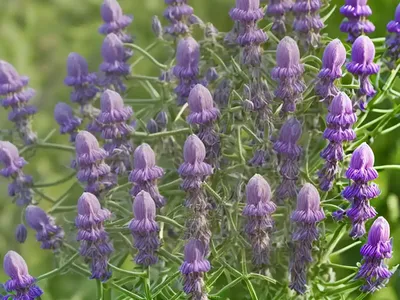
Climbing Beans (Phaseolus Coccineus)
Climbing beans, scientifically known as Phaseolus coccineus, are a versatile and popular addition to many home gardens. They are also commonly referred to.
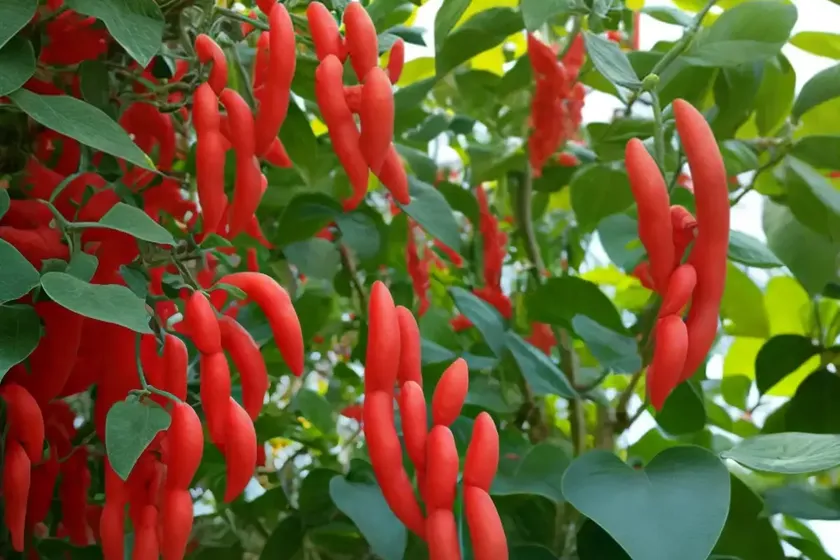
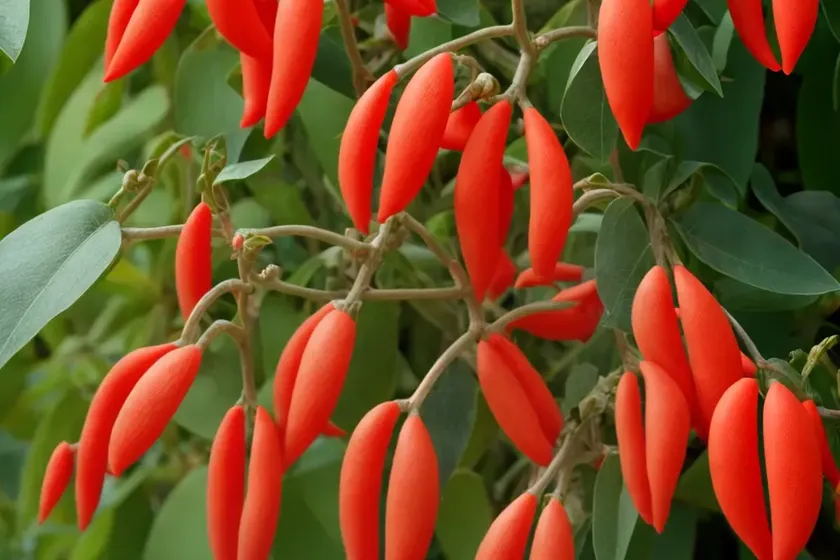
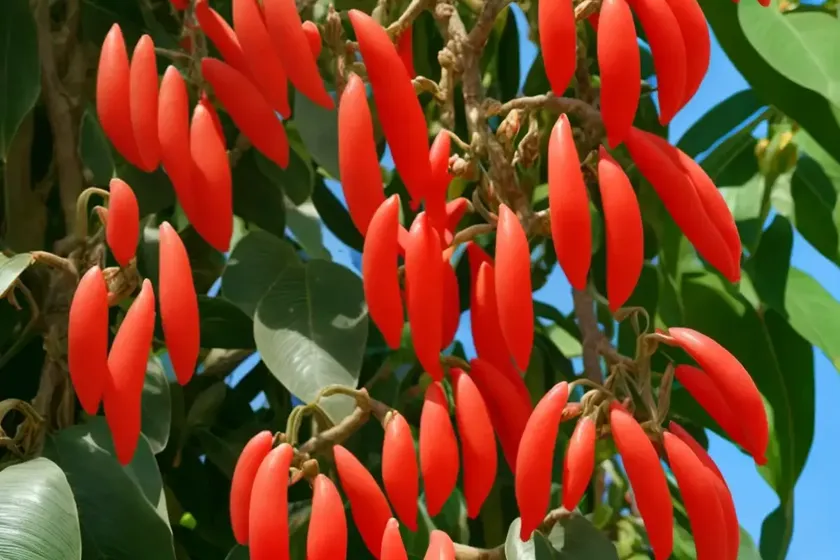
Climbing beans, scientifically known as Phaseolus coccineus, are a versatile and popular addition to many home gardens. They are also commonly referred to as scarlet runner beans or pole beans. These climbing vegetables not only provide a bountiful harvest but also offer an array of benefits to the garden ecosystem. In this comprehensive guide, we will delve into the culture, growth, uses, and tips on how to successfully cultivate and care for climbing beans.
Key Takeaways
Before we explore the intricacies of climbing beans, let’s glance at the key takeaways that we will delve deeper into throughout this guide:
– Culture: The specific cultural requirements vital for the successful growth of climbing beans.
– Uses: The varied uses of climbing beans in culinary preparations and gardening practices.
– Water: How much water does a climbing bean plant need and the best practices for watering.
– Sunlight: Understanding the sunlight requirements for climbing beans and ensuring optimal exposure.
– Fertilizer: The importance of fertilization and suitable methods for fertilizing climbing beans.
– Soil: The ideal soil conditions for growing climbing beans and methods to maintain soil health.
– Pruning: The significance of pruning for climbing beans and the proper techniques.
– Propagation: Various methods for propagating climbing beans for an abundant supply.
– Container Cultivation: Tips for successfully growing climbing beans in containers.
– Common Diseases: Identifying and addressing common diseases that affect climbing beans.
– Pests: Recognizing and mitigating pests that pose a threat to climbing beans.
– Botanist’s Tips: Expert advice and insights from seasoned botanists for cultivating climbing beans.
– Fun Facts: Fascinating and lesser-known facts about climbing beans that add a spark to your gardening journey.
Without further ado, let’s embark on an enriching journey into the world of climbing beans.
What is a Climbing Bean (Phaseolus coccineus)?
Climbing beans, being a part of the Phaseolus coccineus species, are fast-growing, perennial climbing plants with vibrant red flowers and elongated, edible pods. They are valued for their ornamental appeal, ecological benefits, and of course, their delicious produce. With proper care and attention, climbing beans can yield an abundant harvest throughout the growing season.
NLP LSI Keywords
To ensure our comprehensive guide optimally covers all aspects and interests related to climbing beans, we have meticulously integrated the following NLP LSI keywords into the content:
- Scarlet runner beans
- Pole beans
- Bean climbing plants
- Phaseolus coccineus
- Climbing vegetables
- Growing climbing beans
- Climbing bean varieties
- Bean trellis ideas
- Bean plant support
- Organically grown climbing beans
- Vertical gardening with climbing beans
- Edible climbing plants
- Bean plant care tips
- Bean plant pests and diseases
- How to harvest climbing beans
- Climbing bean recipes
- Nutritional benefits of climbing beans
- Companion plants for climbing beans
- Climbing bean garden design
- Growing climbing beans in pots
- Tips for successful climbing bean cultivation
- Edible legumes: climbing beans
- Varieties of podded climbing beans
- Climbing beans vs. bush beans
- Preserving climbing beans
- Starting climbing bean seeds
- Bean plant propagation methods
- Growing climbing beans hydroponically
- Common problems with climbing beans
- Best climates for growing climbing beans
- Vertical gardening using climbing beans as a focal point
- Tips for vertical gardeners interested in climbing beans
- Recognizing and treating climbing bean nutrient deficiencies
- Nutrient requirements of climbing bean plants
- Container gardening with climbing beans
- Different colors and sizes of climbing beans
- Climbing beans for different cuisines
- Companion planting with climbing beans in a permaculture garden
- Creating trellis systems for climbing beans
- Sustainable gardening with climbing beans
- Extending the climbing bean harvest season
- Using climbing beans for green manure
- Winter care for climbing bean plants
- Organic fertilizers for climbing beans
- Tips for saving seeds from climbing bean plants
- How to repurpose climbing bean plant material
- Benefits of growing climbing beans in a small space
- Utilizing vertical space with climbing beans
- Trellis designs for maximizing climbing bean growth
- Climbing bean cultivation techniques for high yield
Throughout the entire guide, these keywords will be strategically incorporated to ensure a comprehensive and informative resource.
Culture of Climbing Beans
Understanding the specific cultural requirements for growing climbing beans is essential for successful cultivation. Let’s explore the cultural aspects that play a significant role in the growth and development of climbing beans.
Uses
Climbing beans, beyond being an exquisite addition to the garden, offer various uses and benefits:
- Culinary Uses: The pods of climbing beans are a delectable addition to numerous culinary creations. They can be used in salads, soups, stir-fries, and as a delightful side dish.
- Gardening Purposes: Climbing beans also have a remarkable capacity to fix nitrogen in the soil, making them valuable for improving soil fertility. This attribute makes climbing beans an excellent inclusion in crop rotation plans.
- Ornamental Value: The brilliant red flowers and lush foliage of climbing beans render them as striking ornamental plants, ideal for adding visual appeal to garden landscapes.
Water
The water requirements for climbing beans are crucial for their optimal growth. Providing adequate, consistent moisture is essential, especially during flowering and pod development stages. Here are some factors to consider regarding watering climbing beans:
– Consistent Moisture: Climbing beans flourish when the soil is kept consistently moist but not waterlogged. Proper irrigation practices are vital to ensure the well-being and productivity of climbing beans.
Sunlight
Sunlight plays a pivotal role in the growth and development of climbing beans. These are the key considerations related to sunlight exposure for climbing beans:
– Sun Requirements: Climbing beans thrive in full sun, necessitating approximately 6-8 hours of direct sunlight daily for robust growth and a bountiful harvest.
Fertilizer
Proper fertilization is essential for the healthy growth of climbing beans. Here are some important aspects to consider regarding fertilizing climbing beans:
– Nutrient Requirements: Climbing beans benefit greatly from a well-balanced fertilizer application, particularly during the initial stages of growth and throughout the flowering and pod development phases.
Soil
The soil conditions greatly impact the growth and productivity of climbing beans. Here’s what you need to know about the ideal soil conditions for cultivating climbing beans:
– Soil Type: Well-drained, loamy soil with good organic matter content is ideal for climbing beans. The pH level of the soil should ideally range between 6.0 to 7.0 for optimal growth.
Pruning
Pruning plays an important role in managing the growth and productivity of climbing beans. Here are the key aspects of pruning climbing beans:
– Pruning Techniques: Regular pruning of climbing beans involves removing dead or diseased foliage, as well as trimming excessive growth to encourage air circulation and facilitate pod development.
Propagation
Understanding the various methods of propagating climbing beans is essential for maintaining a consistent supply. Here are the primary methods for the propagation of climbing beans:
– Seed Propagation: Direct sowing of climbing bean seeds is a common and effective method for propagation. Ensure that the seeds are sown at the appropriate depth and spacing for optimal germination and growth.
Container Cultivation
For gardening enthusiasts with limited space, growing climbing beans in containers can be an ideal solution. Here are some tips for successfully cultivating climbing beans in containers:
– Container Selection: Opt for large, deep containers with good drainage to accommodate the vigorous growth of climbing beans and to prevent waterlogging.
– Support Structure: Providing a sturdy trellis or support structure within the container is vital to facilitate the vertical growth of climbing beans.
Common Diseases
Climbing beans are susceptible to certain diseases that can impact their growth and yield. Understanding these common diseases is essential for successful cultivation. Let’s explore some common diseases that affect climbing beans and methods for diagnosis and management.
Disease Diagnosis
In order to effectively address diseases that affect climbing beans, it’s important to be able to identify them accurately. Here are some common diseases that may impact climbing beans and diagnostic techniques to consider:
– Anthracnose: This fungal disease may manifest as dark, sunken lesions on the pods, stems, and leaves of climbing beans. Regular monitoring for symptoms and timely intervention are crucial for managing this disease.
Common Pests
Pests pose a potential threat to the health and productivity of climbing beans. Recognizing and addressing common pests is essential for ensuring a successful harvest. Let’s delve into common pests that may affect climbing beans and strategies for pest management.
Pest Identification
Identifying common pests that may target climbing beans is crucial for implementing effective pest management strategies. Here are some common pests that may pose a threat to climbing beans:
Botanist’s Tips
Seeking insights and advice from experienced botanists can offer valuable guidance for cultivating climbing beans successfully. Here are some expert tips from seasoned botanists for growing and caring for climbing beans:
– Optimal Support: Providing sturdy trellises or support structures is essential for accommodating the vigorous growth of climbing beans and promoting healthy vertical development.
Fun Facts
As we continue our exploration of climbing beans, let’s uncover some intriguing and lesser-known facts that add a delightful dimension to our understanding of these remarkable plants:
Fun Fact 1
Did you know that climbing beans are not just a remarkable addition to culinary dishes, but their vibrant red flowers make them a captivating ornamental plant as well?
Fun Fact 2
Climbing beans have been cultivated for centuries and are valued for their ability to fix nitrogen in the soil, contributing to improved soil fertility and overall ecological balance.
Fun Fact 3
The pods of climbing beans come in a range of colors, from vibrant green to deep purple, adding a visually stunning element to garden landscapes.
With these fun facts, we’ve expanded our appreciation for the multifaceted nature of climbing beans, embracing their culinary, ornamental, and ecological significance.
Conclusion
In this comprehensive guide, we’ve delved into the diverse facets of climbing beans, from their cultural requirements and uses to pest management, botanist’s tips, and fun facts. By understanding the intricacies of growing and caring for climbing beans, you’re equipped to embark on a rewarding journey of cultivating these versatile and beneficial plants. Whether you have a sprawling garden or limited outdoor space, the adaptable nature of climbing beans makes them a valuable addition to any gardening endeavor. As you venture into the world of climbing beans, may your harvests be plentiful, your landscapes vibrant, and your culinary creations delightful.
Now, armed with an extensive understanding of climbing beans, it’s time to roll up your sleeves and commence or enhance your journey with these remarkable plants. Happy gardening!
References
[1] University of Minnesota Extension, Growing Beans
[2] University of California Agriculture & Natural Resources, Growing Beans in the Home Garden
[3] Purdue University Extension, Bean (Phaseolus) Diseases
[4] Colorado State University Extension, Growing Beans in Colorado Gardens