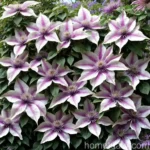
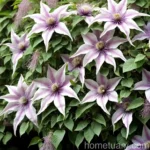
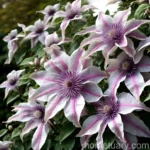
Clematis ‘Violet Elizabeth’ (Early Large-Flowered Clematis)
Clematis ‘Violet Elizabeth’ is a stunning and popular early large-flowered clematis cultivar that captivates with its vibrant blooms and vigorous climbing habit. As a plant scientist with a passion for exploring the intricacies of plant life, I am excited to delve into the world of clematis and specifically, the delightful ‘Violet Elizabeth’ variety.
In this comprehensive guide, we will cover everything you need to know about the culture, uses, care, diseases, and more related to Clematis ‘Violet Elizabeth’. This blog post aims to serve as a go-to resource for enthusiasts, gardeners, and botanists seeking in-depth insights into this captivating plant species.
What is Clematis?
Clematis is a genus of about 300 species within the buttercup family, Ranunculaceae. These woody, climbing vines are prized for their showy and diverse flowers, making them popular choices for trellises, arbors, and other supports in gardens and landscapes.
The ‘Violet Elizabeth’ variety, in particular, belongs to the large-flowered clematis group, which is known for its spectacular, often star-shaped blossoms. With its stunning violet-hued flowers, ‘Violet Elizabeth’ adds a touch of elegance and allure to any garden setting.
Key Takeaways – Clematis ‘Violet Elizabeth’
- Common Name: Violet Elizabeth
- Type: Early large-flowered clematis
- Color: Violet
- Uses: Ornamental; Suitable for trellises, arbors, and containers
- Attributes: Vigorous climbing habit; Large, showy flowers
Culture
Uses
Clematis ‘Violet Elizabeth’ is mainly cultivated for its ornamental value. The stunning, violet-colored flowers make it a focal point in any garden or landscape. Due to its vigorous climbing habit, it is often used to cover trellises, arbors, and fences, adding vertical interest and a vibrant splash of color to outdoor spaces.
Water
Proper watering is essential for the health and vitality of Clematis ‘Violet Elizabeth’. While these plants require consistent moisture, they are sensitive to waterlogging. Adequate drainage is crucial to prevent root rot and other water-related issues. During the growing season, it is recommended to keep the soil consistently moist, but not waterlogged. Mulching the base of the plant can help retain soil moisture.
Sunlight
Clematis ‘Violet Elizabeth’ thrives in a sunny location but benefits from having its roots shaded. This can be achieved by planting low-growing perennials or placing a layer of mulch around the base of the plant. The ideal balance of sunlight and shade promotes prolific blooming and overall plant health.
Fertilizer
To ensure robust growth and abundant flowering, ‘Violet Elizabeth’ benefits from regular, balanced feeding. A slow-release fertilizer designed for flowering vines, applied in early spring and mid-summer, can provide the necessary nutrients for optimal performance. Always follow the manufacturer’s instructions when applying fertilizers.
Soil
Well-draining, fertile soil is crucial for the success of Clematis ‘Violet Elizabeth’. A slightly acidic to neutral pH range is preferred, typically between 6.0 and 7.0. Amending the soil with organic matter such as compost or well-rotted manure can improve its structure and fertility, creating an ideal growing environment for the plant.
Pruning
Pruning plays a significant role in controlling the size, shape, and blooming of Clematis ‘Violet Elizabeth’. Proper pruning helps remove dead or weak growth, encourages the development of new flowering wood, and maintains a tidy appearance.
Pruning Techniques
- Early Spring Pruning: In late winter to early spring, prune the plant back to a pair of healthy buds around 30cm above ground level. This encourages vigorous growth and profuse flowering on new wood.
- Deadheading: Regularly remove spent flowers to prolong the blooming period and stimulate the production of new blooms.
- Light Pruning: After the initial spring pruning, lighter pruning throughout the growing season can help manage the plant’s growth and shape.
Propagation
Clematis ‘Violet Elizabeth’ can be propagated through various methods such as stem cuttings, layering, and seed sowing. Stem cuttings are commonly used for propagation, especially in the early summer when the stems are actively growing. Layering, where a stem is buried to encourage root development, is another effective propagation method. Seeds can also be collected from mature seedheads for propagation, but they may not always come true to type.
Container Popularity
Due to its compact yet vigorous growth habit, Clematis ‘Violet Elizabeth’ is well-suited for container gardening. It thrives in containers placed on patios, balconies, or near entranceways, adding vertical interest and a splash of color to urban and small-space environments. When grown in containers, proper support like a trellis or obelisk should be provided to guide the plant’s climbing nature.
Common Diseases
Disease Diagnosis
Like many plants, Clematis ‘Violet Elizabeth’ is susceptible to certain diseases and environmental stresses. Common issues include:
-
Clematis Wilt: This fungal disease can cause rapid wilting and browning of the foliage. Affected stems may exhibit dark lesions, and the entire plant can collapse. Proper cultural practices and maintaining good air circulation can help prevent this disease.
-
Powdery Mildew: Powdery mildew can manifest as a white powdery coating on the leaves, often leading to stunted growth and poor flowering. Adequate spacing, proper ventilation, and avoiding overhead watering can help prevent powdery mildew.
-
Slime Flux: Slime flux is a bacterial disease that can cause foul-smelling ooze on the stems and trunks of affected plants. While it is primarily a stress-related issue, proper sanitation and cultural care can help minimize its impact.
Identifying and addressing these issues promptly can prevent them from spreading and causing long-term damage to the plant.
Common Pests
Botanist’s Tips
-
Aphids: These tiny, soft-bodied insects can cluster and feed on new growth, causing distortion and stunted development. Insecticidal soaps and horticultural oils can be effective in controlling aphid populations.
-
Spider Mites: Spider mites are common pests that can cause stippling and discoloration of the foliage. Regularly spraying the plant with water can help deter these pests, and predatory mites can be introduced as natural controls.
-
Slugs and Snails: These voracious feeders can damage the foliage and stems of Clematis ‘Violet Elizabeth’. Physical barriers, such as copper tape or diatomaceous earth, can be used to protect the plants from these slimy pests.
Fun Facts
- The name “Clematis” is derived from the Greek word “klema,” which means vine branch or tendril.
- Clematis plants are often referred to as the “Queen of Climbers” due to their graceful climbing habit and showy blossoms.
- Clematis ‘Violet Elizabeth’ is a popular choice for creating vertical accents and providing a stunning backdrop in garden settings.
Links to External Resources
- The American Clematis Society
- Royal Horticultural Society – Growing Clematis
- University of Maryland Extension – Clematis Care
With its captivating flowers and enchanting growth habits, Clematis ‘Violet Elizabeth’ has secured its place as an esteemed member of the clematis family. By understanding its culture, care needs, and potential challenges, gardeners and enthusiasts can cultivate these exquisite vines with confidence, creating striking focal points in their outdoor spaces.
In the next sections, we’ll explore additional facets of Clematis ‘Violet Elizabeth’ to provide a comprehensive resource for those seeking to learn more about this remarkable plant.
Plant Name: “Clematis ‘Violet Elizabeth’ (Early Large-Flowered Clematis)”
This informative blog post will delve deeper into the specific characteristics, growing requirements, and maintenance guidelines for Clematis ‘Violet Elizabeth,’ catering to the needs and interests of both novice and experienced gardeners.
Clematis Varieties
Clematis ‘Violet Elizabeth’ belongs to the diverse and captivating world of clematis varieties. With hundreds of species and cultivars to choose from, clematis enthusiasts can explore a wide range of flower colors, forms, and bloom times. The following are popular clematis varieties that offer outstanding features:
-
Clematis ‘Nelly Moser’: Known for its large, soft pink flowers with a prominent carmine bar, ‘Nelly Moser’ is a classic clematis variety that adds elegance to any garden setting.
-
Clematis ‘The President’: With its deep purple-blue flowers and contrasting yellow stamens, ‘The President’ is a striking clematis that commands attention in the landscape.
-
Clematis ‘Jackmanii Superba’: Renowned for its rich, velvety purple flowers, ‘Jackmanii Superba’ is a popular choice for adding a touch of regal beauty to gardens and trellises.
Exploring the full spectrum of clematis varieties allows gardeners to design stunning displays and create captivating focal points tailored to their preferences and seasonal interests.
Clematis ‘Violet Elizabeth’ Care
Characteristics
- Flower Color: Violet
- Bloom Time: Early flowering
- Growth Habit: Vigorous climber
- Foliage: Deciduous, compound leaves
- Hardiness: Suitable for USDA hardiness zones 4-9
Growth Habit
Clematis ‘Violet Elizabeth’ exhibits a vigorous climbing habit, with vines capable of reaching heights of 8 to 12 feet or more under favorable growing conditions. Its sprawling nature makes it well-suited for covering trellises, arbors, and fences, creating vertical interest and a stunning backdrop of violet flowers in the garden.
Tips for Growing Clematis
-
Support: Provide sturdy support such as trellises or obelisks to guide the climbing nature of Clematis ‘Violet Elizabeth’ and showcase its sprawling beauty.
-
Mulching: Apply a layer of mulch around the base of the plant to conserve moisture, suppress weeds, and maintain a more consistent soil temperature.
-
Companion Plants: Pair Clematis ‘Violet Elizabeth’ with low-growing perennials or shrubs to create visually appealing combinations and enhance its ornamental value.
How to Care for Clematis ‘Violet Elizabeth’
Caring for Clematis ‘Violet Elizabeth’ involves understanding and addressing its specific needs throughout the growing season. The following are essential care practices for cultivating healthy and vibrant plants:
-
Watering: Provide consistent moisture, ensuring that the soil remains evenly moist but not waterlogged. Regular watering, especially during dry spells, is essential for promoting vigorous growth and blooming.
-
Pruning: Follow the recommended pruning techniques to encourage new growth and maintain a tidy, well-shaped plant. Proper pruning also helps stimulate abundant flowering on new wood.
-
Feeding: Apply a balanced fertilizer formulated for flowering vines to provide essential nutrients for robust growth and prolific blooming. Feeding in early spring and mid-summer supports the plant’s performance throughout the growing season.
Flowers
The violet-colored flowers of Clematis ‘Violet Elizabeth’ are an exquisite sight to behold. Their large, showy nature and early blooming time make them a valuable addition to the garden, adding a vibrant burst of color and captivating visual appeal.
Plant Care
To ensure the continued health and vigor of Clematis ‘Violet Elizabeth,’ attentive plant care is crucial. Implementing good cultural practices and promptly addressing any issues that arise can help promote the plant’s well-being and enhance its ornamental value.
Planting Guide
When planting Clematis ‘Violet Elizabeth,’ it is essential to consider the following factors to ensure its successful establishment and long-term growth:
-
Location: Choose a sunny to partially shaded location with fertile, well-draining soil for optimal performance.
-
Support Structure: Install a sturdy support structure such as a trellis or obelisk to accommodate the plant’s climbing nature and guide its growth.
-
Spacing: Provide adequate spacing between ‘Violet Elizabeth’ and other plants or structures to allow for proper air circulation and ample room for growth.
Varieties
Clematis ‘Violet Elizabeth’ is part of an extensive lineup of clematis varieties, each offering unique attributes and visual appeal. Exploring different varieties expands the opportunity to create captivating displays and diverse combinations within garden settings.
Best Clematis for Early Flowering
As an early large-flowered clematis, ‘Violet Elizabeth’ stands out as a premier option for gardeners seeking clematis varieties that bloom early in the growing season. The following are additional clematis varieties known for their early flowering prowess:
-
Clematis ‘Arabella’: This charming clematis variety blooms in late spring to early summer, offering an abundance of small, star-shaped flowers in shades of lavender-blue.
-
Clematis ‘Madame Le Coultre’: With its delicate, white flowers and early blooming nature, ‘Madame Le Coultre’ brings an air of pure elegance to the garden in the early spring.
By incorporating early-flowering clematis varieties into garden designs, enthusiasts can enjoy a prolonged season of colorful blossoms and dynamic displays.
Disease Resistance
When selecting plants for the garden, disease resistance plays a significant role in ensuring their long-term health and vitality. The disease resistance of Clematis ‘Violet Elizabeth’ contributes to its overall suitability for garden landscapes, offering a level of resilience against common diseases.
Blooms
The prolific and vibrant blooms of Clematis ‘Violet Elizabeth’ create a visually stunning display in garden settings, attracting admiration and elevating the aesthetic appeal of outdoor spaces. Understanding the characteristics and blooms of ‘Violet Elizabeth’ enriches the experience of cultivating this captivating plant.
Pruning Techniques
Pruning is a fundamental aspect of maintaining clematis plants, including the ‘Violet Elizabeth’ variety. Following proper pruning techniques is key to promoting healthy growth, encouraging abundant flowering, and preserving the overall vigor of the plant.
Maintenance
Regular maintenance practices are essential for sustaining the health and beauty of Clematis ‘Violet Elizabeth.’ By incorporating effective maintenance strategies, gardeners can ensure that their plants thrive and continue to contribute to the visual splendor of their outdoor environments.
Lifespan
Clematis plants, including ‘Violet Elizabeth,’ can enjoy a long lifespan when provided with the proper care, growing conditions, and maintenance. Understanding the factors that influence their longevity enables gardeners to foster enduring relationships with these captivating vines.
Growing Large-Flowered Clematis
The allure and elegance of large-flowered clematis varieties, such as ‘Violet Elizabeth,’ inspire gardeners to explore the nuances of cultivating these remarkable plants. Understanding the essentials of growing large-flowered clematis enhances the potential for creating stunning garden compositions.
Popularity
Clematis ‘Violet Elizabeth’ has garnered widespread popularity among gardeners, landscape enthusiasts, and botanical aficionados due to its captivating flowers, vigorous growth habit, and overall ornamental value. Its popularity is a testament to its enduring charm and visual appeal in diverse garden settings.
Growth Rate
Clematis ‘Violet Elizabeth’ exhibits a moderate to vigorous growth rate under favorable conditions, swiftly ascending trellises, arbors, and other support structures with its winding vines. Monitoring its growth rate provides valuable insights for planning and managing its vertical ascent in garden landscapes.
Color Variations
While ‘Violet Elizabeth’ is distinguished by its vibrant violet-colored flowers, clematis varieties offer a broad spectrum of color variations, ranging from soft pastels to rich, bold hues. Exploring the color diversity within the clematis genus broadens the creative possibilities for integrating these plants into garden designs.
Fertilizer Needs
Meeting the fertilizer needs of Clematis ‘Violet Elizabeth’ is essential for sustaining its growth, promoting abundant blooms, and bolstering its overall health. Tailoring fertilizer application to the plant’s specific requirements ensures that it receives the necessary nutrients for optimal performance.
Sunlight Requirements
Understanding the sunlight requirements of Clematis ‘Violet Elizabeth’ allows gardeners to place the plant in an optimal location that balances exposure to sunlight and shade, fostering robust growth and prolific blooming. Meeting its sunlight needs creates the foundation for its success in garden environments.
Watering Schedule
Establishing a consistent watering schedule for Clematis ‘Violet Elizabeth’ is pivotal for maintaining proper soil moisture levels, supporting vigorous growth, and ensuring the overall well-being of the plant. Adhering to a structured watering regimen mitigates the risk of moisture-related issues and enhances the plant’s resilience.
Trellis Support
Providing sturdy trellis support for Clematis ‘Violet Elizabeth’ ensures that its climbing nature is guided and upheld, creating an enchanting vertical display of sprawling vines and vibrant flowers. Understanding its trellis support requirements empowers gardeners to optimize the visual impact of the plant in garden settings.
Soil Preferences
Clematis ‘Violet Elizabeth’ thrives in well-draining, fertile soil with a slightly acidic to neutral pH range, emphasizing the importance of soil preferences for its successful growth and development. Tailoring the soil environment to meet its specific preferences lays the groundwork for its sustained well-being.
Container Gardening
The adaptability of Clematis ‘Violet Elizabeth’ to container gardening provides an opportunity to incorporate its striking beauty into diverse urban and small-space environments, enriching outdoor settings with vertical interest and vibrant floral displays.
Landscape Ideas
Integrating Clematis ‘Violet Elizabeth’ into landscape designs opens a realm of creative possibilities, offering a versatile climber that enriches garden compositions, accents outdoor spaces, and elevates the overall aesthetic appeal of the landscape.
Pruning Calendar
Adhering to a pruning calendar for Clematis ‘Violet Elizabeth’ ensures that the plant receives timely maintenance and care, promoting its growth and blooming potential while preserving its overall health and vitality.
Climbing Habits
Understanding the climbing habits of Clematis ‘Violet Elizabeth’ allows for strategic planning and positioning within garden landscapes, harnessing its sprawling nature to create captivating vertical statements and dynamic visual displays.
Plant Size
The size and scale of Clematis ‘Violet Elizabeth’ influence its role in garden compositions, providing flexibility for integrating it into various garden settings while considering its height and spread within the landscape.
Disease Prevention
Implementing sound disease prevention practices safeguards Clematis ‘Violet Elizabeth’ against common ailments, bolsters its resilience, and fortifies its overall health, contributing to sustained vitality and visual appeal in garden environments.
Insect Control
Proactive insect control measures preserve the well-being of Clematis ‘Violet Elizabeth, preventing potential damage from pests and supporting its growth and flowering performance.
Cold Hardiness
Understanding the cold hardiness of Clematis ‘Violet Elizabeth’ is crucial for selecting an appropriate planting location and ensuring its resilience against winter temperatures, promoting its sustained health and vigor.
Drought Tolerance
Assessing the drought tolerance of Clematis ‘Violet Elizabeth’ allows for the implementation of suitable watering practices, ensuring that the plant remains resilient during dry periods and retains its ornamental value in garden landscapes.
Companion Plants
Selecting suitable companion plants for Clematis ‘Violet Elizabeth’ enriches garden compositions, creating harmonious combinations and visually appealing