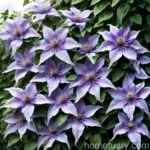
Clematis ‘Niobe’ – A Beautiful Addition to Any Garden
Clematis ‘Niobe’, one of the early large-flowered clematis varieties, is a stunning perennial vine known for its vibrant flowers and vigorous growth. This article aims to provide a comprehensive guide to growing and caring for Clematis ‘Niobe’, including its cultural requirements, uses, and maintenance practices.
What is Clematis ‘Niobe’?
Clematis ‘Niobe’ is a member of the Ranunculaceae family and is renowned for its eye-catching flowers. This deciduous vine is valued for its ability to climb and cover walls, pergolas, and trellises, making it a popular choice for vertical gardening and landscape design.
The plant features large, velvety, deep red flowers with a hint of purple, adding a bold splash of color to the garden. With proper care, Clematis ‘Niobe’ can bloom prolifically, creating a captivating display in the garden.
Key Takeaways – Clematis ‘Niobe’
Before delving into the specifics of growing and caring for Clematis ‘Niobe’, let’s summarize the key takeaways for quick reference:
- Plant Name: Clematis ‘Niobe’ (Early Large-Flowered Clematis)
- Bloom Color: Deep red with a hint of purple
- Growth Habit: Climbing vine
- Pruning Group: Group 2 (Prune after the first flush of flowers)
- Ideal Uses: Vertical gardening, wall coverage, trellises, pergolas, and containers
Now, let’s explore the various aspects of cultivating and maintaining this vibrant clematis variety.
Culture
Uses
- Vertical gardening: Clematis ‘Niobe’ is widely used for creating vertical interest in the garden. Its ability to climb and cover structures makes it an excellent choice for adding height and visual appeal to the landscape.
- Wall coverage: This clematis variety is well-suited for covering walls, particularly when trained to grow against them using a trellis or other support structures.
- Trellises and pergolas: Clematis ‘Niobe’ is an ideal candidate for adorning trellises and pergolas, adding a charming and enchanting touch to these structures.
- Container gardening: Due to its vigorous growth and climbing habit, Clematis ‘Niobe’ can be grown in large containers, effectively enhancing patios, balconies, and other outdoor spaces.
Water
Proper watering is essential for the healthy growth and proliferation of Clematis ‘Niobe’. During periods of active growth, the plant should receive consistent moisture to support its vigorous climbing habit and flower production. However, it’s important to avoid waterlogged conditions, as well-drained soil is crucial for clematis health.
When watering Clematis ‘Niobe’, it’s best to water deeply but infrequently to encourage deep root growth. Applying water at the base of the plant, near the root zone, helps ensure that the moisture reaches the plant’s vital root system.
Sunlight
Clematis ‘Niobe’ thrives in full sun to partial shade. While it appreciates the warmth and sunlight of a southern or western exposure, it also performs well in locations with part-day shade, especially in warmer climates. When grown in hotter regions, providing some shade during the hottest part of the day can help protect the plant from excessive heat and sun damage.
Fertilizer
To support the vigorous growth and abundant flowering of Clematis ‘Niobe’, regular fertilization is essential. A balanced, all-purpose fertilizer can be applied in early spring as new growth emerges. Additionally, a second application in early summer can help sustain the plant’s vitality and promote continuous blooming.
When fertilizing Clematis ‘Niobe’, it’s important to follow the recommended application rates and avoid over-fertilizing, as excessive nutrients can lead to lush foliage at the expense of flowers.
Soil
Well-drained, nutrient-rich soil is crucial for the successful cultivation of Clematis ‘Niobe’. The plant thrives in fertile, loamy soil with good drainage. Amending the soil with organic matter, such as compost or well-rotted manure, can improve its structure and fertility, providing an optimal growing medium for the clematis vine.
Moreover, maintaining a slightly acidic to neutral soil pH (around 6.5 to 7.0) is beneficial for Clematis ‘Niobe’s growth and overall health.
Pruning
Pruning plays a vital role in shaping and rejuvenating Clematis ‘Niobe’ to promote robust growth and abundant flowering. Understanding the pruning group of this particular clematis variety is essential for applying the correct pruning techniques.
Clematis ‘Niobe’ belongs to Pruning Group 2, which includes clematis varieties that flower on both old and new wood. These clematis generally benefit from light pruning after the initial flowering period to encourage a second flush of blooms and maintain a tidy growth habit.
In late winter or early spring, prior to the onset of new growth, dead or damaged stems can be removed, along with any tangled or unruly growth. Additionally, any weak or spindly growth can be pruned back to a pair of healthy buds, promoting vigorous new shoots and robust flowering.
After the first wave of flowering, typically in late spring or early summer, Clematis ‘Niobe’ can be lightly pruned to 12 to 18 inches above the ground to stimulate the development of new flowering shoots.
Propagation
Propagating Clematis ‘Niobe’ can be achieved through several methods, including stem cuttings, layering, and division. Each technique offers its own advantages and can be employed to propagate new plants or rejuvenate existing ones.
Stem Cuttings
Stem cuttings are a popular and effective method for propagating Clematis ‘Niobe’. Selecting healthy, non-flowering stems in late spring or early summer, when the plant is actively growing, is ideal for harvesting cuttings. A 4- to 6-inch section of stem with several leaf nodes can be taken and rooted in a well-draining, sterile potting medium.
Layering
Layering is another propagation method that can be employed to propagate Clematis ‘Niobe’. By gently bending a low-hanging stem to the ground and covering a portion of it with soil while still attached to the parent plant, new roots can form along the buried section. Once roots have developed, the newly rooted stem can be severed from the parent plant and transplanted to its desired location.
Division
Dividing mature Clematis ‘Niobe’ plants is an effective way to rejuvenate the plant and generate additional specimens. This method involves carefully digging up the plant and dividing the root system into separate sections, each with its own portion of shoots and roots. These divisions can then be replanted to establish new plants.
Container Popularity
Clematis ‘Niobe’ is a popular choice for container gardening due to its vigorous growth habit, stunning flowers, and ability to thrive in large containers. When grown in containers, this clematis variety can adorn patios, balconies, and other outdoor spaces, adding vertical interest and a vibrant display of color.
The portability of container-grown Clematis ‘Niobe’ also makes it an attractive option for gardeners seeking to create versatile and movable garden features.
Common Diseases
Disease Diagnosis
Clematis ‘Niobe’ is susceptible to certain diseases that can impact its health and vigor. Understanding the symptoms and signs of common clematis diseases can aid in timely diagnosis and treatment, preserving the plant’s vitality and longevity.
-
Powdery Mildew: This fungal disease manifests as a white, powdery coating on the leaves and stems of the plant. It can weaken the plant and reduce its overall vigor if left untreated.
-
Clematis Wilt: Also known as stem rot, clematis wilt can cause sudden wilting and browning of the stems and leaves. It is often characterized by black lesions on the affected plant parts.
Common Pests
Botanist’s Tips
When it comes to protecting Clematis ‘Niobe’ from pests, understanding the common culprits and employing proactive measures is key to maintaining the plant’s health and beauty.
-
Aphids: These small, sap-sucking insects can infest Clematis ‘Niobe’, particularly during the growing season. Regular inspections and the application of insecticidal soap or horticultural oil can help manage aphid populations.
-
Spider Mites: These tiny arachnids can cause stippling and yellowing of the leaves as they feed on the plant’s sap. Keeping the plant adequately watered and employing natural predators, such as ladybugs, can help control spider mite infestations.
Fun Facts
- Clematis ‘Niobe’ is a beautiful and popular choice for pollinator gardens, attracting bees, butterflies, and other beneficial insects with its nectar-rich flowers.
- In some cultures, clematis is associated with symbolic meanings such as mental beauty, ingenuity, and intellectual prowess.
Links to External Resources
For additional information on Clematis ‘Niobe’ and related topics, the following resources provide valuable insights and guidance:
- American Clematis Society
- Royal Horticultural Society – Growing Clematis
- University of Maryland Extension – Clematis Care
- Missouri Botanical Garden – Clematis Growing Guide
- The Spruce – How to Grow and Care for Clematis
In conclusion, Clematis ‘Niobe’ stands out as a captivating and versatile plant that adds a touch of elegance to gardens, landscapes, and container displays. By understanding its cultural requirements, uses, and maintenance practices, gardeners can cultivate and enjoy the beauty of this early large-flowered clematis variety, creating enchanting focal points and vertical interest in their outdoor spaces.