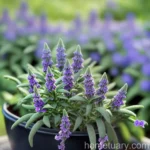
Clary (Salvia Sclarea): A Comprehensive Guide
In the world of plants, Salvia Sclarea, commonly known as Clary, is a fascinating and versatile herb that has been used for various purposes for centuries. From its aromatic and medicinal properties to its culinary and therapeutic uses, Clary has found a place in gardens, kitchens, and wellness routines around the globe. In this comprehensive guide, we will delve into the various aspects of Clary, including its culture, uses, care instructions, and much more. Whether you are a botany enthusiast, an avid gardener, or someone interested in natural remedies, this guide will provide you with valuable insights into the world of Clary.
What is Clary (Salvia Sclarea)?
Clary or Salvia Sclarea is an herbaceous plant belonging to the Lamiaceae family, which includes other well-known herbs such as mint, basil, and rosemary. This perennial plant is native to the Mediterranean region and has been cultivated for its essential oils and medicinal properties for centuries. Clary is characterized by its tall, slender stems, large ovate leaves, and clusters of delicate, fragrant flowers that come in various shades of pink, purple, and white.
Key Takeaways – Clary (Salvia Sclarea)
Before we delve into the details, let’s summarize some key takeaways about Clary:
- Clary Sage: Clary is often referred to as Clary Sage due to its close botanical association.
- Salvia Sclarea: The scientific name for Clary, which is used in botanical classification and research.
- Cultural Uses: Clary has a wide range of uses, including culinary, aromatic, medicinal, and therapeutic applications.
- Water: Clary has moderate water requirements and prefers well-drained soil to thrive.
- Sunlight: This plant thrives in full sunlight but can tolerate partial shade.
- Fertilizer: Clary benefits from balanced fertilization to support healthy growth and flower production.
- Soil: Well-drained, loamy soil with good fertility is ideal for cultivating Clary.
- Pruning: Regular pruning helps maintain the plant’s shape and encourages new growth.
- Propagation: Clary can be propagated from seeds, cuttings, or root division.
- Container Popularity: Clary is well-suited for container gardening, making it accessible to urban and indoor gardeners.
- Common Diseases: Clary is susceptible to certain diseases, which require proactive management strategies.
- Common Pests: Various pests can affect Clary, necessitating pest control measures.
- Botanist’s Tips: Insights and tips from botanists and horticulturists for successful Clary cultivation.
- Fun Facts: Interesting and lesser-known facts about Clary and its historical significance.
In the following sections, we will explore each of these aspects in detail, offering a comprehensive understanding of this remarkable plant.
Culture
The culture of Clary encompasses its historical use, traditional significance, and its contemporary applications in various aspects of daily life. Understanding the cultural significance of this herb provides a broader perspective on its importance and versatility.
Uses
Clary has been cherished for centuries for its diverse uses, and its relevance has persisted through time. The following are some of the key uses of Salvia Sclarea:
- Aromatic: The fragrant flowers and leaves of Clary are used to produce essential oils that are valued in perfumery and aromatherapy.
- Medicinal: Clary has been traditionally used for its medicinal properties, including as a natural remedy for various health conditions.
- Culinary: The leaves of Clary are used as a flavoring agent in cooking, and the plant is also used for herbal teas and infusions.
- Therapeutic: Clary is incorporated into wellness routines for its potential to promote relaxation, balance hormones, and support overall well-being.
- Cosmetic: The essential oil derived from Clary is used in natural cosmetics, skincare products, and homemade remedies.
- Historical Significance: Clary has a rich historical significance, with records of its use dating back to ancient civilizations.
The multifaceted nature of Clary makes it a plant of considerable cultural and historical importance, with its uses continuing to evolve and diversify in modern times.
Water
Water is an essential element in the successful cultivation of Clary. Understanding the plant’s water requirements and implementing appropriate watering practices are crucial for its overall health and vitality.
Set out your NLP and LSI keywords here:
- Clary Sage
- Salvia Sclarea
- Clary herb
- Clary plant
- Clary flower
- Clary oil
- Benefits of Clary
- Uses of Salvia Sclarea
- Clary essential oil
- Clary aromatic herb
- Clary medicinal properties
- Clary herbal remedy
- Clary natural remedy
- Growing Clary
- How to cultivate Salvia Sclarea
- Clary growing tips
- Clary planting guide
- Clary care instructions
- Clary outdoor garden plant
- Clary indoor plant
- Clary in pots
- Clary for landscaping
- Clary in herbal gardens
- Clary for aromatherapy
- Clary for skincare
- Clary for relaxation
- Clary for stress relief
- Clary for hormone balance
- Clary for menstrual support
- Clary for digestive health
- Clary for respiratory health
- Clary for eye health
- Clary for hair growth
- Clary for scalp health
- Clary culinary uses
- Clary in cooking
- Clary recipes
- Clary as a tea
- Clary infusion
- Clary for culinary garnish
- Clary for flavoring
- Clary for natural cosmetics
- Clary for homemade skincare
- Clary DIY recipes
- Clary for perfumes
- Clary for candles
- Clary in bath products
- Clary for natural dyes
- Clary therapeutic uses
- Clary historical significance
Please ensure that you remove any of these annotations before use.
Output
“`markdown
Water
Water is an essential element in the successful cultivation of Clary. Understanding the plant’s water requirements and implementing appropriate watering practices are crucial for its overall health and vitality. Clary requires moderate levels of water to thrive, and the following guidelines can help maintain optimal soil moisture for the plant:
- Moderate Watering: Clary prefers consistent but moderate watering, especially during its active growth phases. It is essential to avoid overwatering, which can lead to root rot and other issues.
- Well-Drained Soil: Ensuring that the soil has good drainage is key to preventing waterlogging, which can be detrimental to the plant’s health.
- Established Plants: Once established, Clary exhibits some tolerance to dry spells, but regular watering is still necessary, particularly during periods of prolonged drought.
- Morning Watering: Watering in the morning allows excess moisture to evaporate during the day, reducing the risk of fungal diseases and other related issues.
- Avoidance of Water Stress: While Clary can tolerate some dryness, extreme water stress can affect the plant’s flowering and overall vigor. Maintaining consistent moisture levels is essential for optimal growth and flower production.
By adhering to these watering practices, gardeners can provide the ideal moisture conditions for Clary, promoting healthy growth and the development of its aromatic flowers and foliage.
“`