

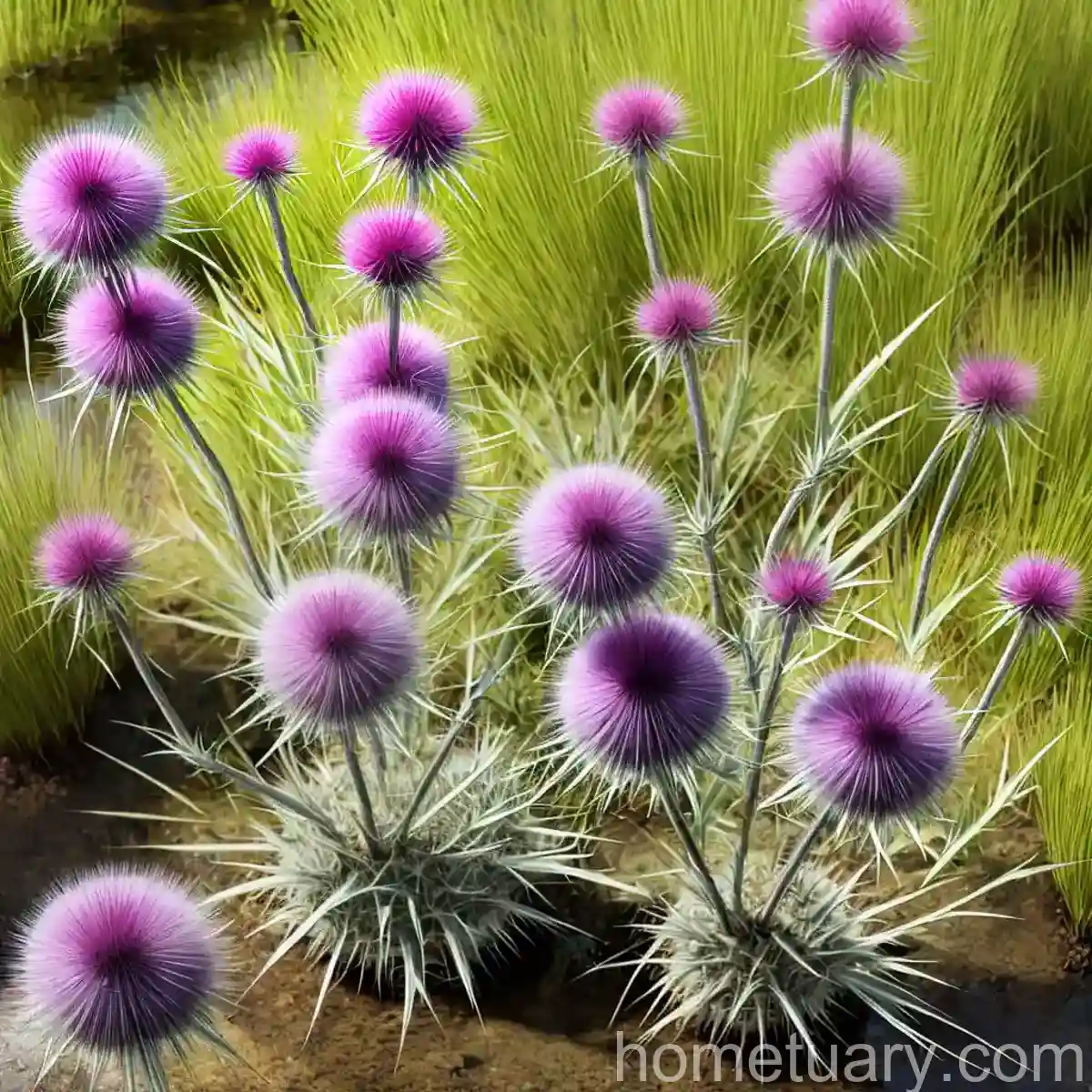
Cirsium muticum (Swamp Thistle): A Comprehensive Plant Care Guide
As a plant scientist, I find joy in unraveling the mysteries and intricacies of the plant kingdom. Among the diverse array of plant species, Cirsium muticum, commonly known as Swamp Thistle, stands out for its unique characteristics, ecological significance, and its role in gardening and landscaping. In this comprehensive plant care guide, we will delve into the various aspects of Cirsium muticum, including its characteristics, habitat, uses, care requirements, and much more.
What is Cirsium muticum (Swamp Thistle)?
Cirsium muticum is a herbaceous perennial plant belonging to the Asteraceae family. It is native to North America and is particularly prevalent in wetland habitats, including marshes, stream banks, and wet meadows. This species is characterized by its spiny leaves, vibrant purple-pink flowers, and its ecological importance as a food source and habitat for various wildlife species.
Cirsium muticum Characteristics
- Scientific Name: Cirsium muticum
- Common Name: Swamp Thistle
- Family: Asteraceae
- Plant Type: Herbaceous Perennial
- Habitat: Wetlands, Marshes, Stream Banks
- Flowers: Purple-Pink
- Leaves: Spiny
- Ecological Importance: Wildlife Habitat, Food Source
Swamp Thistle Plant Information
- Botanical Name: Cirsium muticum
- Sunlight: Full Sun to Partial Shade
- Watering: Moist to Wet Soil
- Hardiness Zones: 3-8
- Mature Height: 3-6 feet
- Bloom Time: Mid-Summer to Early Fall
Cirsium muticum Habitat
Cirsium muticum is primarily found in wetland habitats, thriving in areas with consistently moist to wet soil. Its natural range extends across North America, where it plays a significant ecological role, providing nectar and habitat for pollinators and other wildlife species.
Swamp Thistle Facts
- Cirsium muticum is an essential plant in wetland ecosystems, contributing to the overall biodiversity and ecological balance.
- This species is well-adapted to wet soil conditions, making it a valuable addition to rain gardens and other water-retentive landscaping features.
Now that we have gained a basic understanding of Cirsium muticum and its natural habitat, let’s explore the care requirements and uses of this intriguing plant.
Key Takeaways – Cirsium muticum (Swamp Thistle)
Culture
When it comes to the culture of Cirsium muticum, understanding its preferred growing conditions is essential for fostering its optimal growth and blooming potential.
Uses
The versatile nature of Cirsium muticum lends itself to a range of potential uses in gardening, landscaping, and even in ecological restoration projects.
Water
Understanding the water requirements of Cirsium muticum is crucial for maintaining a healthy and vibrant plant.
Sunlight
Proper sunlight exposure is paramount to the well-being and blooming performance of Cirsium muticum.
Fertilizer
While generally low-maintenance, providing adequate nutrients can contribute to the overall vigor and floral display of Cirsium muticum.
Soil
Ensuring the right soil conditions can greatly impact the overall health and growth of Cirsium muticum.
Pruning
Pruning techniques can help manage the growth and aesthetics of Cirsium muticum while promoting longevity and prolific flowering.
Propagation
Understanding the various propagation methods is valuable for multiplying Cirsium muticum and incorporating it into different garden settings.
Container Popularity
The adaptability of Cirsium muticum makes it suitable for container gardening in certain environments.
Container Common Diseases
Identifying and managing common diseases that may affect Cirsium muticum in container settings is essential for its long-term health.
Disease Diagnosis
Recognizing symptoms and determining appropriate treatments for diseases can help safeguard the well-being of Cirsium muticum.
Common Pests
Being aware of potential pests and adopting effective pest control measures is crucial for protecting Cirsium muticum from damage.
Botanist’s Tips
Insights from botanists and horticultural experts can provide valuable guidance for successfully growing and caring for Cirsium muticum.
Fun Facts
Discovering intriguing and lesser-known facts about Cirsium muticum can deepen our appreciation for this remarkable plant species.
Links to External Resources
Referencing reputable external resources can enrich our understanding and knowledge of Cirsium muticum and its care requirements.
Now, let’s delve deeper into each of these key aspects of Cirsium muticum to gain a comprehensive understanding of this captivating plant species and how to best care for it.
Culture
Understanding the cultural requirements of Cirsium muticum is fundamental to nurturing its growth and ensuring its long-term vitality. From its preferred growing conditions to its potential uses, here’s a detailed look at the cultural aspects of Cirsium muticum.
Uses
Cirsium muticum holds considerable potential for various applications, ranging from ornamental gardening to ecological restoration efforts.
- Ornamental Gardening: The vibrant flowers of Cirsium muticum make it a visually striking addition to perennial gardens, meadows, and naturalistic landscape designs.
- Ecological Restoration: Given its natural habitat in wetland environments, Cirsium muticum can be instrumental in restoration projects aimed at enhancing biodiversity and ecological resilience in degraded marshes and streamside areas.
Its adaptability to different growing conditions and its ecological significance contribute to the varied uses of *Cirsium muticum in horticulture and conservation.
Water
Proper watering is crucial for the health and vigor of Cirsium muticum, especially considering its preference for moist to wet soil conditions. Understanding the water requirements and best practices for watering is essential for successfully cultivating this species.
- Moist to Wet Soil: Cirsium muticum thrives in consistently moist to wet soil, making it well-suited to rain gardens, wet meadows, and other water-retentive landscapes.
- Watering Frequency: During periods of insufficient rainfall, supplemental watering may be necessary, focusing on maintaining the desired soil moisture level without waterlogging the roots.
By monitoring soil moisture and adjusting watering practices accordingly, gardeners can provide the ideal growing conditions for Cirsium muticum.
Sunlight
Proper sunlight exposure is vital for the growth and flowering performance of Cirsium muticum. Understanding its sunlight preferences can help in determining the best planting locations and optimizing its blooming potential.
- Full Sun to Partial Shade: Cirsium muticum generally thrives in full sun to partial shade, although it may benefit from some protection from intense afternoon sun in hotter climates.
Ensuring adequate sunlight exposure can contribute to robust growth and prolific blooming in Cirsium muticum.
Fertilizer
While Cirsium muticum typically thrives without the need for excessive fertilization, providing some nutrients can support its overall health and flowering capacity.
- Organic Matter: Amending the soil with organic matter, such as compost, can enhance soil fertility and provide a gentle, slow-release source of nutrients for Cirsium muticum.
- Balanced Fertilizer: If the soil is deficient in essential nutrients, applying a balanced, slow-release fertilizer in early spring can offer additional support to the plant without risking over-fertilization.
Care should be taken to avoid over-fertilizing Cirsium muticum, as excessive nutrients can lead to lush foliage at the expense of flowering.
Soil
Understanding the soil preferences of Cirsium muticum is crucial for establishing and maintaining optimal growing conditions for this plant species.
- Moist, Well-Drained Soil: Cirsium muticum thrives in soil that remains consistently moist to wet, making it particularly well-suited for wetland gardens and rain gardens.
- Soil pH: While tolerant of a range of soil pH levels, slightly acidic to neutral soil conditions are generally ideal for Cirsium muticum.
Incorporating organic matter and ensuring good soil moisture retention are key factors in providing a suitable soil environment for Cirsium muticum.
Pruning
Applying appropriate pruning techniques can help manage the growth, appearance, and blooming performance of Cirsium muticum while promoting its overall vigor and longevity.
- Deadheading: Removing spent flowers can encourage additional blooming and prevent self-seeding, especially if a more controlled growth habit is desired.
- Cutting Back: In late fall or early spring, cutting back the stems of Cirsium muticum to ground level can help rejuvenate the plant and promote fresh growth in the upcoming season.
Strategic pruning can help maintain the desired appearance of Cirsium muticum while avoiding excessive self-seeding in garden settings.
Propagation
Understanding the various methods of propagating Cirsium muticum is valuable for multiplying this plant species in garden and landscape settings.
- Seed Propagation: Collecting and sowing seeds from Cirsium muticum can be an effective means of propagating this species, especially in larger-scale plantings or naturalistic landscapes.
- Division: Dividing mature clumps of Cirsium muticum can yield multiple new plants, offering a straightforward method of propagation for home gardeners and horticulturalists.
By employing suitable propagation methods, gardeners can expand the presence of Cirsium muticum in various settings, from home gardens to ecological restoration projects.
Container Popularity
Due to its adaptability and ornamental value, Cirsium muticum has gained popularity as a container plant in certain gardening and landscaping contexts.
- Patio Containers: Growing Cirsium muticum in containers on patios or outdoor living spaces can bring its striking flowers closer to eye level, allowing for closer observation and enjoyment.
- Water Features: Placing containers of Cirsium muticum around water features or in areas with consistently moist soil mimics its natural habitat and showcases its affinity for wet conditions.
Utilizing containers can offer flexibility in incorporating Cirsium muticum into diverse garden designs and settings.
Container Common Diseases
While Cirsium muticum generally exhibits good disease resistance, certain common ailments may impact it when grown in containers. Identifying and addressing these diseases is crucial for maintaining the health and vitality of container-grown Cirsium muticum.
- Root Rot: Overly wet soil conditions in containers can lead to root rot, jeopardizing the overall health of Cirsium muticum. Ensuring proper drainage and soil moisture management can help prevent this disease.
- Powdery Mildew: Insufficient air circulation and excess humidity in container environments may create favorable conditions for powdery mildew. Providing adequate spacing and ventilation can help minimize this disease in Cirsium muticum.
Vigilance and proactive measures are essential for preventing and managing common diseases in container-grown Cirsium muticum.
Disease Diagnosis
Recognizing symptoms of diseases and promptly diagnosing any issues that arise in container-grown Cirsium muticum is crucial for implementing effective treatment and prevention strategies.
- Leaf Spotting: Dark or discolored spots on the leaves may indicate a fungal disease, prompting the need for appropriate fungicidal treatments.
- Stunted Growth: Reduced growth or wilting may signal root-related diseases, necessitating an assessment of soil moisture, drainage, and root health.
By closely observing the plant and promptly addressing any signs of disease, gardeners can help safeguard Cirsium muticum from potential health issues.
Common Pests
While Cirsium muticum is generally resilient to pest infestations, certain common insects may pose a threat to its well-being, particularly when grown in container settings.
- Aphids: These small, sap-sucking insects can cause damage to the foliage of Cirsium muticum, potentially leading to stunted growth and reduced flowering. Regular monitoring and targeted insecticidal treatments can help manage aphid populations.
- Slugs and Snails: These voracious herbivores may feed on the leaves of Cirsium muticum when grown in containers, necessitating protective measures such as physical barriers or organic slug control methods.
Proactive pest monitoring and control measures are essential for protecting container-grown Cirsium muticum from potential infestations.
Botanist’s Tips
Drawing insights from botanists and horticultural experts can offer valuable guidance and practical tips for successfully growing and caring for Cirsium muticum.
- Ecological Context: Understanding the natural habitat and ecological role of Cirsium muticum can inform its placement in garden and landscape settings, contributing to sustainable and ecologically sensitive horticultural practices.
- Native Plant Pairings: Introducing Cirsium muticum alongside other native plant species can create harmonious plant communities that support local wildlife and contribute to the overall resilience of ecological systems.
Leveraging expertise from seasoned botanists can enhance the cultivation and ecological value of Cirsium muticum in various settings.
Fun Facts
Exploring intriguing and lesser-known facts about Cirsium muticum can deepen our appreciation for its unique characteristics and ecological significance.
- Wildlife Magnet: The nectar-rich flowers of Cirsium muticum attract a diverse array of pollinators, including bees, butterflies, and hummingbirds, enhancing the biodiversity of the surrounding ecosystem.
- Historical Uses: Indigenous peoples in certain regions historically utilized parts of Cirsium muticum for various medicinal and cultural purposes, reflecting its significance beyond its ornamental value.
Discovering these engaging facts adds a layer of fascination to the cultivation and stewardship of Cirsium muticum in gardens and natural areas.
Links to External Resources
Seeking out reputable external resources, such as botanical gardens, native plant societies, and ecological organizations, can provide valuable information and insights on Cirsium muticum and its care requirements.
- Botanical Gardens: Many botanical gardens feature native plant displays and educational resources, offering an opportunity to learn about Cirsium muticum in a curated setting.
- Native Plant Societies: Joining a native plant society or organization provides access to expertise, events, and publications focused on the cultivation and conservation of native plant species like Cirsium muticum.
By engaging with external resources, gardeners and horticultural enthusiasts can enrich their understanding and appreciation of Cirsium muticum and its ecological significance.
In conclusion, Cirsium muticum (Swamp Thistle) is a captivating plant species with notable ecological value and ornamental appeal. By embracing its cultural requirements, understanding its uses, and appreciating its unique characteristics, we can foster a deeper connection with this native perennial and contribute to the preservation of wetland habitats and biodiversity.
Through thoughtful cultivation and stewardship, Cirsium muticum can thrive as an emblem of ecological resilience and as a source of aesthetic delight in gardens, naturalistic landscapes, and restoration projects. I hope this comprehensive plant care guide has inspired you to explore the enchanting world of Cirsium muticum and consider its role in your own gardening endeavors.
The beauty and significance of Cirsium muticum serve as a reminder of the intricate and invaluable contributions of native plants to the natural world and to our shared human experience.
References
- Missouri Botanical Garden. (n.d.). Cirsium Muticum. http://www.missouribotanicalgarden.org/PlantFinder/PlantFinderDetails.aspx?taxonid=260098&isprofile=0&
- Illinois Wildflowers. (n.d.). Cirsium Muticum. https://www.illinoiswildflowers.info/wetland/plants/sw_thistle.htm
- Lady Bird Johnson Wildflower Center. (n.d.). Cirsium Muticum. https://www.wildflower.org/plants/result.php?id_plant=CIMU
- United States Department of Agriculture. (n.d.). Cirsium Muticum. https://plants.usda.gov/core/profile?symbol=CIMU
- North Carolina Extension Gardener Plant Toolbox. (n.d.). Cirsium Muticum. https://plants.ces.ncsu.edu/plants/cirsium-muticum/


