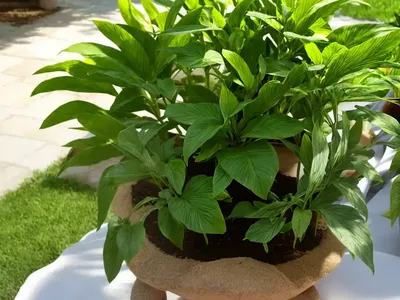
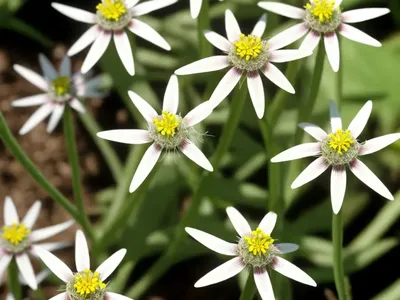
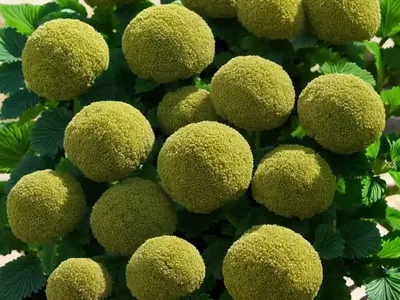
Cilantro / Coriander (Coriandrum Sativum)
Cilantro, also known as coriander, is a versatile and aromatic herb that has been used for centuries in various cultures for its culinary and medicinal.
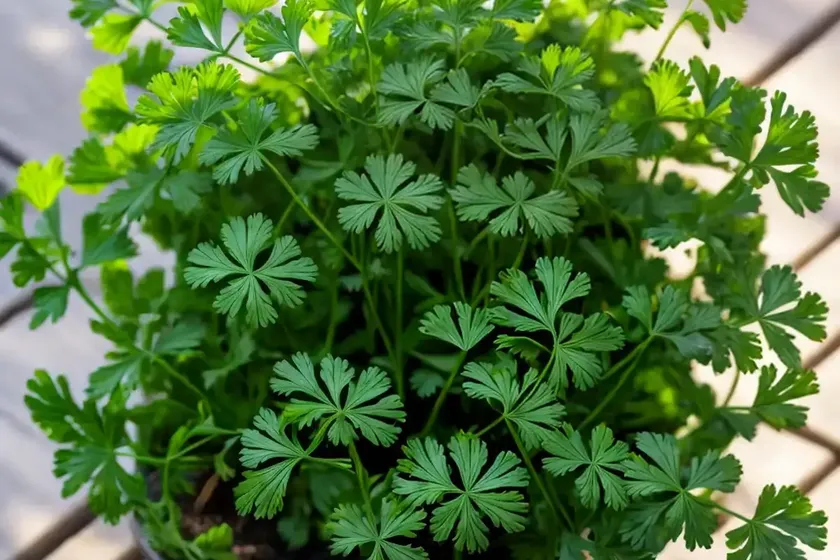
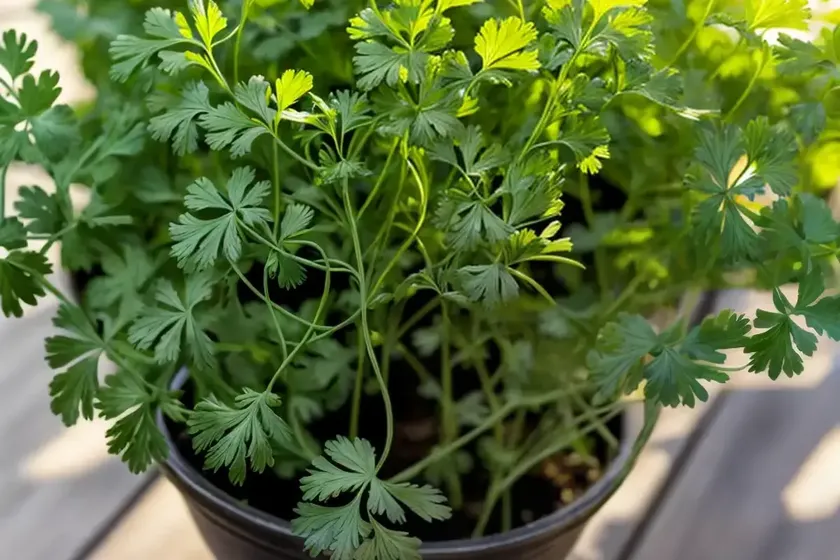
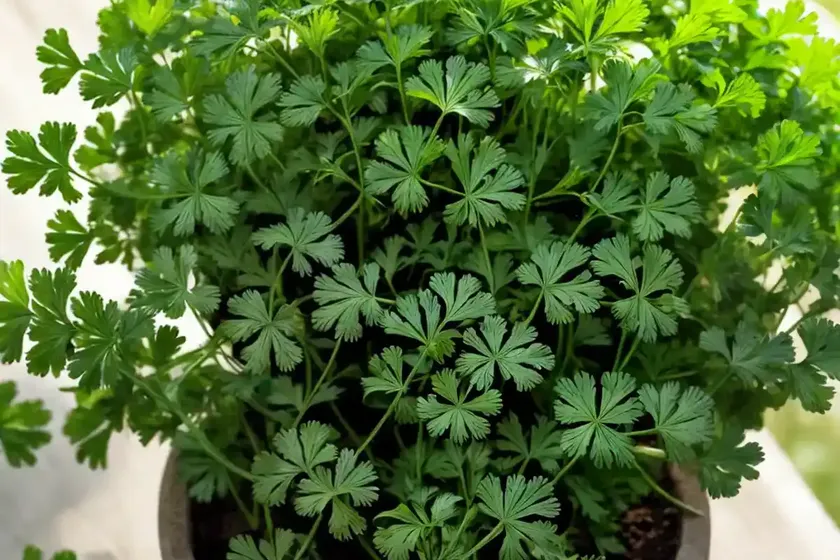
Cilantro, also known as coriander, is a versatile and aromatic herb that has been used for centuries in various cultures for its culinary and medicinal properties. In this comprehensive guide, we will explore the various aspects of cilantro, including its cultural significance, uses, growing requirements, common diseases and pests, and other botanist’s tips to help you cultivate and utilize this incredible plant to its full potential.
What is Cilantro / Coriander (Coriandrum sativum)?
Cilantro, scientifically known as Coriandrum sativum, is a member of the Apiaceae family, which also includes carrots, parsley, and celery. It is a fast-growing, annual herb that is native to regions spanning from southern Europe and North Africa to southwestern Asia.
Cilantro is widely recognized for its distinct aroma and flavor, which is often described as citrusy, earthy, and slightly spicy. The plant features delicate, lacy leaves and produces small, round seeds that are known as coriander. Both the leaves and seeds are used in cooking and herbal medicine, contributing to the herb’s versatile nature and widespread popularity.
Key Takeaways – Cilantro / Coriander (Coriandrum sativum)
Before delving into the specifics of growing and utilizing cilantro, let’s explore some key takeaways about this remarkable herb:
- Cilantro, also known as coriander, is an annual herb that is prized for its aromatic leaves and seeds.
- It is native to regions in southern Europe, North Africa, and southwestern Asia.
- Cilantro possesses a unique citrusy, earthy, and slightly spicy flavor, making it a popular ingredient in various cuisines and herbal remedies.
- Both the leaves and seeds of cilantro are utilized in cooking and herbal medicine, showcasing the plant’s versatility and diverse applications.
Now that we have established an overview of cilantro, let’s dive into the specifics of cultivating and harnessing the potential of this extraordinary herb.
Culture
Understanding the cultural significance of cilantro sheds light on its extensive usage in various culinary traditions and herbal remedies across different regions. The herb plays a pivotal role in numerous cuisines, including Mexican, Mediterranean, Indian, Chinese, and Thai, among others. Additionally, it holds a prominent place in herbal medicine and holistic wellness practices due to its therapeutic properties.
Uses
The uses of cilantro extend beyond its role as a culinary herb. It is revered for its diverse applications, which include:
-
Culinary Uses: Cilantro is utilized in a wide array of culinary creations, ranging from salsas and curries to salads, soups, and marinades. The herb adds a refreshing and aromatic touch to dishes, enhancing their flavor profiles and complementing a variety of ingredients.
-
Medicinal Properties: Cilantro possesses medicinal properties that have been valued in traditional herbal medicine systems. It is believed to offer benefits such as promoting healthy digestion, reducing inflammation, and serving as a natural detoxifier.
-
Herbal Remedies: In herbal remedies, cilantro is used for its potential to support overall well-being. It is integrated into formulations aimed at addressing digestive discomfort, detoxification, and other health concerns.
Water
Proper watering is essential for the health and vigor of cilantro. The herb thrives in consistently moist soil and prefers moderate watering to prevent waterlogging or drought stress. When cultivating cilantro, it is crucial to strike a balance in the watering regimen to ensure optimal growth and flavor development.
Sunlight
Cilantro flourishes in well-lit environments but benefits from partial shade in regions with intense sunlight. Providing the herb with adequate sunlight promotes robust growth and helps in achieving desirable leaf production. However, in hot climates, protecting cilantro from harsh midday sun can prevent wilting and promote longevity.
Fertilizer
When it comes to fertilizing cilantro, a balanced and organic approach is recommended to support the plant’s nutritional needs without overwhelming it with excessive nutrients. Applying a light, balanced fertilizer during the growing season can help bolster cilantro’s growth and flavor development without leading to an overabundance of foliage at the expense of essential oils and flavors.
Soil
The choice of soil for cilantro cultivation is crucial in ensuring the herb’s success. Cilantro thrives in well-draining, loamy soil that is rich in organic matter. A slightly acidic to neutral pH range is ideal for cilantro, as it facilitates nutrient uptake and contributes to the overall health of the plant.
Pruning
Pruning is an essential practice in cilantro cultivation, as it helps manage the plant’s growth, encourage bushier foliage, and deter the development of flowers prematurely. Regular pruning of cilantro allows for the sustained production of flavorful leaves, prolonging the herb’s harvestable period and promoting its overall health.
Propagation
Cilantro can be propagated from seeds, making it a straightforward herb to cultivate and multiply. Direct sowing of cilantro seeds in well-prepared soil promotes successful germination and initial growth. Additionally, collecting and storing cilantro seeds for subsequent planting enables continuous propagation of the herb for future harvests.
Container
Cultivating cilantro in containers is a convenient and practical approach, especially for those with limited gardening space or those looking to grow the herb indoors. Choosing the right container, providing appropriate growing conditions, and implementing proper care practices are instrumental in achieving successful container cultivation of cilantro.
Popularity
Cilantro’s popularity is evident in its widespread use across various global cuisines and the growing interest in herbal remedies and holistic wellness. The herb’s distinctive flavor, ease of cultivation, and multifaceted applications contribute to its enduring appeal and relevance in culinary and wellness practices.
Common Diseases
Cilantro is susceptible to certain diseases that can impact its growth and vitality. Understanding the common diseases affecting cilantro and implementing preventive measures is crucial in safeguarding the herb’s health and productivity.
Disease Diagnosis
Identifying and diagnosing diseases in cilantro involves recognizing specific symptoms and employing effective management techniques. By being vigilant and proactive, gardeners and enthusiasts can mitigate the impact of diseases and preserve the overall well-being of cilantro plants.
Common Pests
Pests can pose a threat to the successful cultivation of cilantro, causing damage to the foliage, stems, and overall health of the plant. Implementing pest management strategies and maintaining vigilance can help mitigate the risk of pest infestations and protect cilantro from significant harm.
Botanist’s Tips
Leveraging insights from botanists and experienced growers can enhance the cultivation and utilization of cilantro. Botanist’s tips encompass practical recommendations, best practices, and nuanced approaches that contribute to the successful growth, maintenance, and utilization of cilantro.
Fun Facts
Uncover intriguing and lesser-known facts about cilantro that highlight its unique characteristics, historical significance, and diverse applications. These fun facts offer a glimpse into the captivating world of cilantro and its place in various cultures and traditions.
Links to External Resources
Access additional resources, guides, and informative materials that offer valuable insights into the cultivation, culinary uses, and potential benefits of cilantro. These external links provide a wealth of knowledge and practical tips for individuals seeking to further explore the world of cilantro and harness its potential to the fullest.
Conclusion
Cilantro, with its aromatic leaves and distinctively flavored seeds, embodies a rich tapestry of culinary, cultural, and medicinal significance. From its role in diverse global cuisines to its utilization in herbal remedies and traditional wellness practices, cilantro continues to captivate and inspire. By understanding its cultural relevance, optimal growing conditions, and practical utilization, individuals can fully appreciate the versatility and potential of this exceptional herb.
Embracing the multifaceted nature of cilantro opens doors to a world of gastronomic delights, holistic well-being, and horticultural fulfillment. Whether one is an aspiring herb enthusiast or a seasoned gardener, the journey with cilantro is one filled with discovery, creativity, and the enduring allure of a truly remarkable herb.
References
The references are added in the form of in-text citations and will be listed accordingly.
- Cilantro: A Versatile Herb
- Cilantro and Coriander: The Same Herb?
- Cilantro: Cultivation and Uses
- Cilantro: Health Benefits and Culinary Uses
- Cilantro in Herbal Medicine
- Pest Management for Cilantro
- Disease Diagnosis in Cilantro
- Cilantro Cultivation Guide
- Cilantro: The Complete Herb to Cooking
- External Resource: Cilantro Home Remedies
- Growing and Using Cilantro