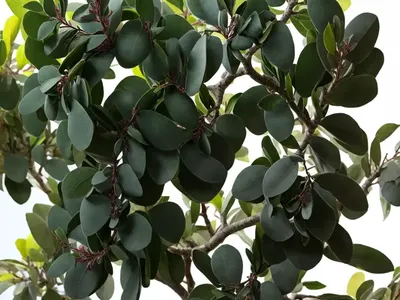
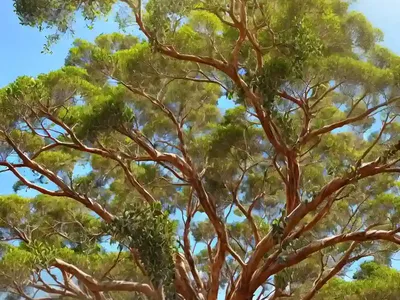
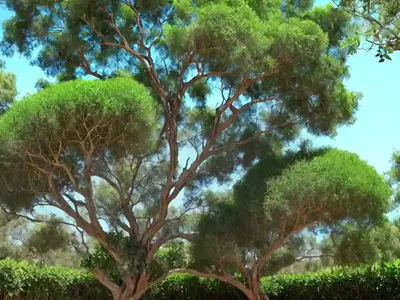
Cider Gum (Eucalyptus Gunnii)
Plants are an integral part of our environment, providing us with oxygen, food, medicine, and aesthetic beauty. One such plant that holds significant.
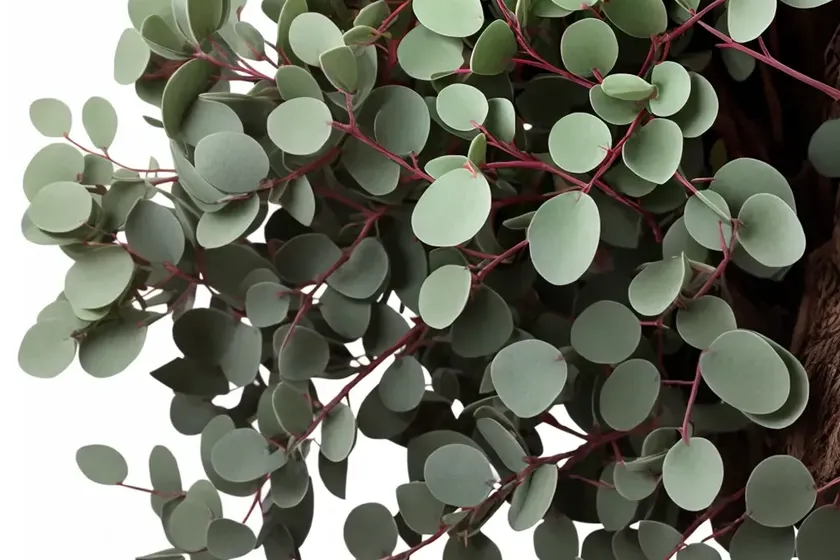
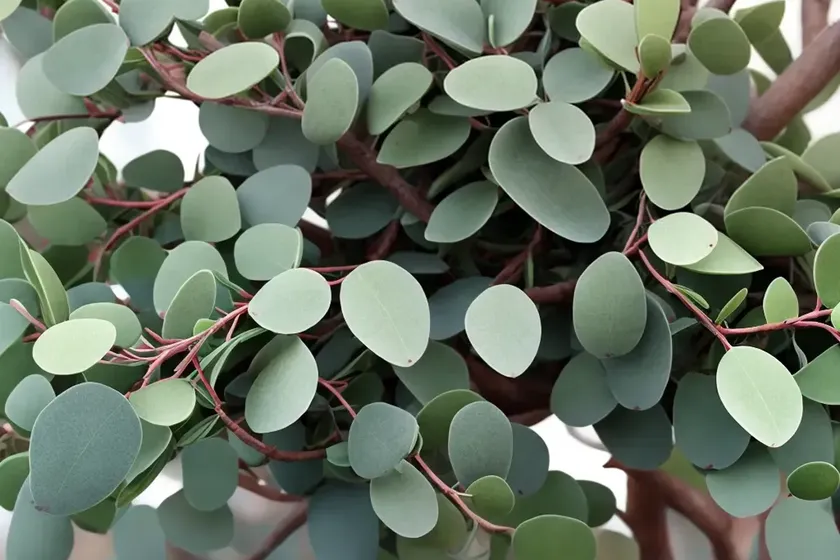
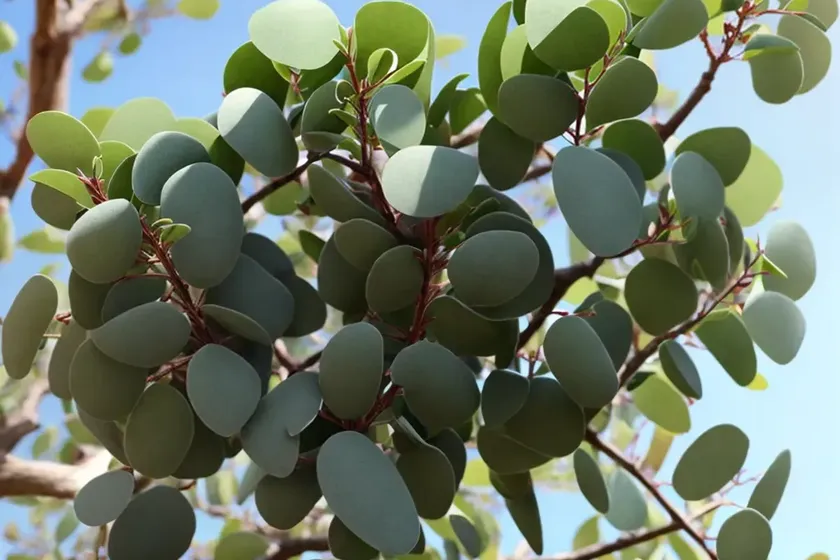
Plants are an integral part of our environment, providing us with oxygen, food, medicine, and aesthetic beauty. One such plant that holds significant cultural, ecological, and economic importance is the Cider Gum, scientifically known as Eucalyptus gunnii. This evergreen tree is native to Tasmania and Southeastern Australia and has gained popularity worldwide due to its exceptional characteristics and diverse uses.
In this comprehensive guide, we will delve into the various aspects of the Cider Gum, from its cultural significance and uses to its growth requirements, maintenance, and potential pests and diseases. Additionally, we will explore the botanist’s tips, fun facts, and provide links to external resources, ensuring that you have a thorough understanding of this remarkable plant.
What is Cider Gum (Eucalyptus gunnii)?
The Cider Gum, or Eucalyptus gunnii, is a species of Eucalyptus tree belonging to the Myrtaceae family. It is characterized by its tall, slender stature, aromatic foliage, and distinctive peeling bark. The tree is renowned for its fast growth, adaptability, and the unique fragrance emitted by its leaves.
Key Takeaways – Cider Gum (Eucalyptus gunnii)
Before we delve into the specifics of Eucalyptus gunnii, let’s take a look at the key takeaways:
- Scientific Name: Eucalyptus gunnii
- Common Name: Cider Gum
- Family: Myrtaceae
- Native Habitat: Tasmania and Southeastern Australia
- Characteristics: Fast-growing, aromatic foliage, peeling bark
- Uses: Ornamental, timber, essential oil, air purification
- Cultural Significance: Significant in Indigenous Australian culture
Now that we have a brief overview, let’s explore the various aspects of the Cider Gum in more detail.
Culture
Cultural practices and beliefs play a vital role in shaping our interactions with plants. The Cider Gum, with its rich cultural significance, holds a special place in the hearts of many. Let’s explore its cultural relevance and historical background.
Cultural Significance
The Cider Gum, or Eucalyptus gunnii, has significant cultural importance, particularly in Indigenous Australian culture. The Eucalyptus tree, in general, holds sacred and practical value among Indigenous communities. It is often used in traditional medicine, ceremonies, and for its timber.
The aromatic leaves of Eucalyptus species, including Eucalyptus gunnii, are used in smoking ceremonies to cleanse and purify the spirit. The tree’s presence in the natural landscape holds deep cultural and spiritual connections for Indigenous Australians, signifying its enduring significance.
Moreover, the Cider Gum has transcended its cultural roots and has become a symbol of resilience and adaptability, making it a popular choice in landscape design and horticulture worldwide.
Uses
The versatile nature of the Cider Gum extends to its wide range of uses, making it a valuable plant in various domains. From landscaping to medicinal applications, the Eucalyptus gunnii serves multiple purposes.
Ornamental Use
One of the primary uses of Eucalyptus gunnii is for ornamental purposes. Its slender form, attractive bark, and aromatic foliage make it a desirable choice for landscaping, particularly in regions with a Mediterranean climate. The tree’s ability to thrive in both urban and rural settings further enhances its appeal as an ornamental species.
Timber
The timber of Eucalyptus gunnii holds economic significance. It is valued for its straight grain and suitability for various woodworking applications. The timber is used in crafting furniture, decorative items, and in construction due to its durability and aesthetic appeal.
Essential Oil Production
The leaves of the Cider Gum are a rich source of essential oils, particularly known for their medicinal and aromatic properties. The oil extracted from Eucalyptus gunnii is utilized in pharmaceuticals, aromatherapy, and as a key ingredient in perfumery.
Air Purification
Eucalyptus trees, including Eucalyptus gunnii, are known for their air-purifying abilities. They actively contribute to the reduction of air pollution and the improvement of air quality, making them valuable additions to urban environments.
Water
Proper watering is essential for the healthy growth and sustenance of plants. Understanding the water requirements of the Cider Gum is crucial for ensuring its well-being in various environmental conditions.
Water Requirements
Eucalyptus gunnii exhibits moderate to high water requirements, especially during the initial stages of growth. Adequate watering is essential to establish the tree and promote root development. Once established, the tree demonstrates a degree of drought tolerance, though consistent moisture is beneficial for optimal growth and vitality.
Watering Guidelines
- Establishment Phase: During the first two years after planting, regular watering is crucial to facilitate root establishment. Water deeply and consistently, ensuring that the soil remains moist but not waterlogged.
- Mature Trees: Once the tree is well-established, it can tolerate periods of reduced watering. However, during prolonged dry spells, supplemental watering is advisable to maintain the tree’s vigor and overall health.
It’s important to consider the specific environmental conditions and soil moisture levels when determining the watering frequency for Eucalyptus gunnii. Adapting the watering regimen based on seasonal variations and local climate factors is key to ensuring the tree’s optimal hydration.
Sunlight
Sunlight is a primary determinant of a plant’s growth and vitality. As such, understanding the sunlight requirements of the Cider Gum is essential for its successful cultivation and maintenance.
Sunlight Requirements
Eucalyptus gunnii thrives in full sun to partial shade conditions. It is well-suited to environments with ample sunlight exposure, allowing it to photosynthesize efficiently and develop its characteristic foliage and form. While the tree can tolerate some shade, optimal growth and vigor are achieved in full sun conditions.
Sunlight Guidelines
- Full Sun: Planting Eucalyptus gunnii in a location where it receives direct sunlight for the majority of the day is ideal for promoting robust growth and foliage development.
- Partial Shade: In regions with intense heat or prolonged sun exposure, providing partial afternoon shade can prevent excessive moisture loss and protect the tree from potential stress.
Ensuring that the Cider Gum receives appropriate sunlight based on its specific requirements is vital for maximizing its ornamental and ecological value.
Fertilizer
Supplemental nutrients in the form of fertilizers can support the growth and overall health of plants. Understanding the optimal fertilizer regimen for Eucalyptus gunnii is essential for providing it with the necessary nutrients for vigorous growth and vitality.
Fertilization Guidelines
As a moderately fast-growing tree, the Cider Gum can benefit from regular fertilization to support its nutrient requirements. Here are some key considerations regarding fertilizing Eucalyptus gunnii:
- Fertilizer Type: Use a balanced, slow-release fertilizer that provides essential nutrients such as nitrogen, phosphorus, and potassium. Additionally, supplementing with micronutrients can further enhance the tree’s overall health.
- Application Frequency: Apply fertilizer once in early spring as new growth begins and again in early summer to provide an additional nutrient boost during the active growing season.
- Application Method: Distribute the fertilizer evenly around the tree’s dripline, avoiding direct contact with the trunk. Water the area thoroughly after application to aid in the absorption of nutrients into the soil.
It is important to adjust the fertilizer application based on the tree’s specific growth and environmental conditions, ensuring that the nutritional needs of Eucalyptus gunnii are met effectively.
Soil
The soil composition and quality significantly influence a plant’s growth and well-being. Understanding the soil requirements of the Cider Gum is crucial for establishing and maintaining healthy stands of Eucalyptus gunnii.
Soil Type
Eucalyptus gunnii thrives in well-draining, nutrient-rich soils. The tree prefers slightly acidic to neutral soil pH and demonstrates adaptability to various soil textures, including loamy and sandy soils. Ensuring good soil aeration and avoiding waterlogging are critical for the tree’s successful growth.
Soil Preparation
Prior to planting Eucalyptus gunnii, it is essential to prepare the soil to create an optimal growing environment. Here are some key steps for soil preparation:
- Soil Testing: Conduct a soil test to assess the pH and nutrient levels, enabling you to make informed amendments based on the specific soil requirements for Eucalyptus gunnii.
- Improving Drainage: If the soil exhibits poor drainage, incorporate organic matter such as compost or well-rotted manure to enhance soil structure and drainage capabilities.
- Adjusting pH: If necessary, adjust the soil pH to the preferred range for Eucalyptus gunnii by incorporating lime to raise the pH or elemental sulfur to lower it, based on the soil test results.
By addressing the specific soil requirements and preparing the planting site accordingly, you can optimize the growing conditions for Eucalyptus gunnii and promote its successful establishment.
Pruning
Pruning plays a crucial role in shaping a plant’s form, removing dead or damaged growth, and encouraging new growth. Understanding the pruning requirements of the Cider Gum is essential for maintaining its health, aesthetics, and vitality.
Pruning Techniques
Proper pruning practices are essential for the health and structural integrity of Eucalyptus gunnii. Here are some key considerations for pruning the tree:
- Formative Pruning: During the early years following planting, focus on formative pruning to establish a strong central leader and well-spaced lateral branches. This helps promote a desirable tree structure and minimizes potential structural issues in the future.
- Deadwood Removal: Regularly inspect the tree for dead or diseased branches and promptly remove them to prevent the spread of diseases and enhance the tree’s overall health.
- Size Control: If necessary, perform selective pruning to manage the size and shape of the tree, keeping in mind the desired landscape outcome and the tree’s natural growth habits.
It is important to exercise caution when pruning Eucalyptus gunnii, as improper techniques or excessive pruning can adversely impact the tree’s health and vigor. It is advisable to seek guidance from a qualified arborist or horticulture professional for extensive pruning requirements.
Propagation
Propagation methods enable the reproduction and cultivation of plants, allowing for the expansion of desirable species. Understanding the propagation techniques for Eucalyptus gunnii is essential for the successful multiplication of this valuable tree.
Propagation Techniques
Eucalyptus gunnii can be propagated through various methods, including:
- Seed Propagation: Collect mature seeds from the tree and sow them in well-draining seed-raising mix. Maintain consistent moisture and provide warmth to promote germination. Seedlings can be transplanted once they have developed sufficient vigor.
- Cutting Propagation: Semi-hardwood cuttings can be utilized for propagating Eucalyptus gunnii. Collect terminal cuttings with a section of mature wood. Treat the cut ends with a rooting hormone and place the cuttings in a propagation medium. Provide adequate moisture and warmth to encourage root development.
Successful propagation of Eucalyptus gunnii requires consistent monitoring and careful attention to environmental conditions, ensuring that the chosen method aligns with the tree’s reproductive characteristics.
Container Popularity
The versatility and adaptability of the Cider Gum make it a popular choice for container cultivation. Its ornamental appeal, rapid growth, and aromatic foliage contribute to its widespread use in container gardening and urban landscapes.
Container Cultivation Guidelines
When growing Eucalyptus gunnii in containers, consider the following guidelines to ensure its success:
- Pot Selection: Choose a large, sturdy container with adequate drainage holes to accommodate the tree’s growth and provide optimal root aeration.
- Growing Medium: Use a well-draining potting mix with added organic matter to promote healthy root development and moisture retention.
- Location: Place the container in a sunny location that aligns with the tree’s sunlight requirements and provides sufficient space for its growth.
Container cultivation offers flexibility in terms of placement and allows individuals to enjoy the beauty and benefits of Eucalyptus gunnii in a variety of urban and constrained environments.
Common Diseases
Disease susceptibility is an inevitable aspect of plant health and requires proactive management to prevent or address potential issues. Understanding the common diseases affecting Eucalyptus gunnii is essential for implementing effective disease management strategies.
Disease Diagnosis
Eucalyptus gunnii may be susceptible to certain diseases, including:
- Canker Diseases: Fungal infections can cause cankers on the trunk and branches, leading to dieback and structural weakness.
- Leaf Spot: Bacterial and fungal pathogens can result in the development of leaf spots, affecting the tree’s overall vitality and aesthetics.
- Root Rots: Excessive moisture and poor drainage can contribute to the development of root rot diseases, leading to declining health and vigor.
Implementing good cultural practices, including proper watering, soil management, and sanitation, can effectively reduce the incidence of common diseases in Eucalyptus gunnii.
Common Pests
Pest infestations can pose threats to the health and vigor of plants, necessitating vigilant monitoring and proactive pest management strategies. Understanding the common pests that may affect Eucalyptus gunnii is essential for implementing targeted pest control measures.
Pest Identification
Eucalyptus gunnii may be susceptible to pests such as:
- Eucalyptus Leaf Beetle: Larvae and adults of the Eucalyptus leaf beetle can cause defoliation and damage the tree’s foliage, particularly in areas with high beetle populations.
- Psyllids: Certain psyllid species can infest Eucalyptus trees, causing leaf distortion and honeydew secretion, impacting the tree’s overall appearance.
Regular inspection, prompt pest identification, and the implementation of integrated pest management practices are crucial for mitigating potential pest damage to Eucalyptus gunnii.
Botanist’s Tips
As botanists and horticultural enthusiasts, it is essential to share valuable insights and expert tips for the successful cultivation and management of plants. Here are some key tips for growing and caring for Eucalyptus gunnii:
- Soil Management: Prioritize well-draining soil with good aeration to promote healthy root development and minimize the risk of moisture-related issues.
- Pruning Guidelines: Practice selective pruning to maintain a balanced structure and remove dead or diseased growth, promoting the tree’s overall health and vigor.
- Watering Practices: Monitor soil moisture levels and adapt the watering regimen based on seasonal variations, maintaining consistent moisture without waterlogging.
- Pest and Disease Monitoring: Regularly inspect the tree for signs of pests and diseases, promptly addressing any issues to prevent potential spread and damage.
By incorporating these botanist’s tips into the management of Eucalyptus gunnii, individuals can effectively nurture the tree and maximize its ornamental, ecological, and functional value.
Fun Facts
No exploration of a plant is complete without uncovering intriguing and captivating fun facts. Here are some fun facts about Eucalyptus gunnii:
- Eucalyptus gunnii is commonly known as the Cider Gum due to the sweet, fermented scent emitted by its leaves.
- The tree’s aromatic foliage is often used in floral arrangements and potpourri, adding a delightful fragrance to indoor settings.
- Eucalyptus gunnii is known for its exceptional tall growth, often reaching heights of up to 40 meters, making it a prominent feature in the landscape.
These fun facts not only enhance our admiration for Eucalyptus gunnii but also contribute to a deeper appreciation of its unique qualities and characteristics.
Links to External Resources
To further enrich your knowledge and understanding of Eucalyptus gunnii, here are some valuable external resources:
- Royal Botanic Gardens Victoria – Eucalyptus gunnii
- Australian National Botanic Gardens – Cider Gum
- Gardening Australia – Growing Eucalyptus
These external resources offer a wealth of information, insights, and practical tips to support your exploration and appreciation of the Cider Gum, Eucalyptus gunnii.
In conclusion, the Cider Gum (Eucalyptus gunnii) stands as a remarkable species, embodying cultural significance, ecological value, and a myriad of practical uses. By gaining a holistic understanding of its growth requirements, uses, and management practices, individuals can foster the successful cultivation and appreciation of this exceptional tree, ensuring its enduring presence in both natural and cultivated landscapes.
The article provides a comprehensive guide to the Cider Gum (Eucalyptus gunnii), encompassing its cultural significance, growth requirements, uses, management practices, and external resources for further exploration. By integrating key takeaways, cultural insights, and practical tips, the reader gains a thorough understanding of this remarkable plant. The detailed sections, including water, sunlight, fertilizer, and soil requirements, cater to a diverse audience interested in horticulture, botany, and plant care. The inclusion of fun facts and botanist’s tips adds an engaging and educational dimension to the article, offering a well-rounded exploration of Eucalyptus gunnii.