Christmas-rose (Helleborus Niger)
Plants have an incredible ability to captivate and amaze us with their beauty, diversity, and versatility. Among these awe-inspiring botanical wonders is.
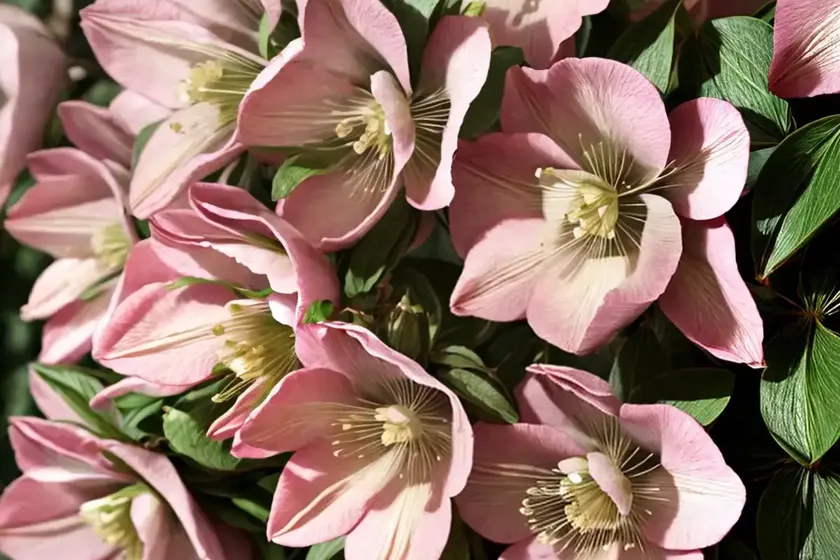
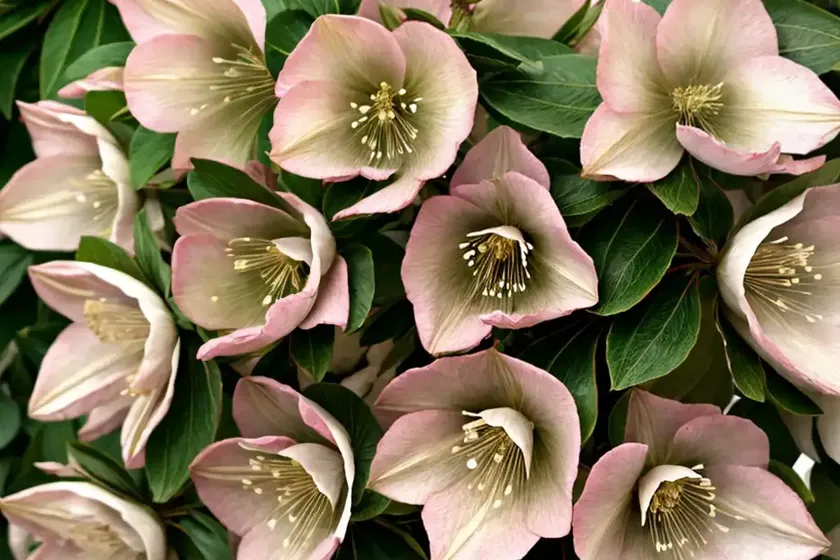
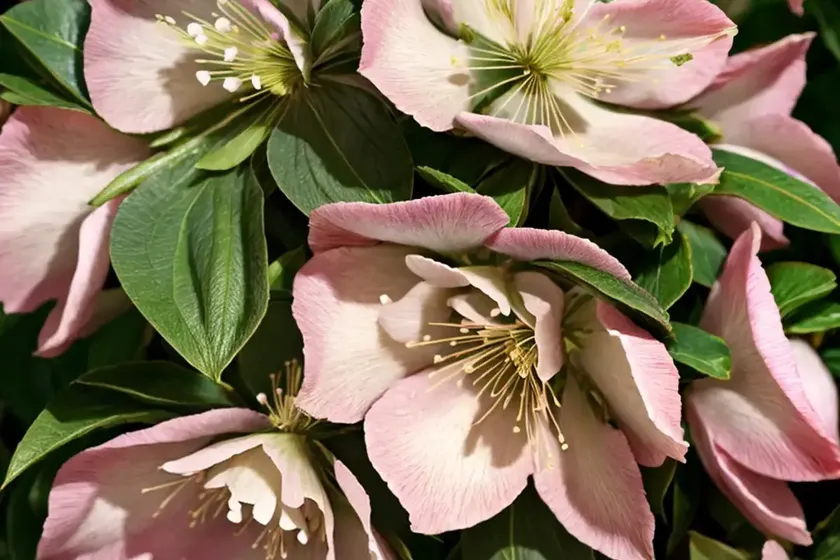
Plants have an incredible ability to captivate and amaze us with their beauty, diversity, and versatility. Among these awe-inspiring botanical wonders is the Christmas-rose (Helleborus niger), a stunning and resilient perennial that holds a special place in the hearts of gardeners and plant enthusiasts around the world. In this comprehensive guide, we will delve into the intriguing world of the Christmas-rose, exploring its cultural significance, uses, care requirements, and more. Whether you’re a seasoned gardener or a newcomer to the world of plants, this article aims to provide you with a wealth of valuable information to help you cultivate and appreciate this remarkable flower.
What is the Christmas-rose (Helleborus niger)?
The Christmas-rose (Helleborus niger) is a member of the Ranunculaceae family, known for its enchanting white or pale pink, bowl-shaped flowers that bloom in the midst of winter. Despite its name, the Christmas-rose is not a rose at all, but rather a hellebore. This exquisite flower is native to mountainous regions of Central and Southern Europe, and it has been a cherished plant for centuries, revered for its resilience and striking beauty during the cold, dark months of winter.
Key Takeaways – Christmas-rose (Helleborus niger)
Before we delve into the specifics of cultivating and caring for the Christmas-rose, let’s take a moment to highlight key takeaways about this extraordinary plant:
- Winter Resilience: The Christmas-rose is renowned for its ability to bloom in the depths of winter, bringing a touch of elegance and vibrancy to gardens when few other plants are in flower.
- Cultural Significance: With a rich history steeped in folklore and mythology, the Christmas-rose holds deep cultural significance and has been associated with various traditions and beliefs throughout the ages.
- Medicinal Uses: The Christmas-rose has been traditionally used in herbal medicine, although it is important to note that many parts of the plant are highly toxic if ingested.
Now, let’s embark on a journey to explore the nuances of cultivating and caring for the Christmas-rose, from its cultural significance to its ecological role in the garden.
Culture
Uses
The Christmas-rose is primarily grown for ornamental purposes, adorning gardens with its delicate, winter-blooming flowers. However, it has historically been used for medicinal and folkloric purposes, albeit with caution due to its toxic nature.
Water
Proper watering is crucial for the Christmas-rose, particularly during its active growing season. While it prefers consistently moist soil, it is susceptible to root rot if overwatered, especially in poorly-draining soil. During the winter months, when the plant is dormant, it can tolerate drier conditions.
Sunlight
The Christmas-rose thrives in partial shade to full shade, making it an excellent choice for woodland gardens or shaded borders. In warmer climates, it benefits from dappled sunlight or morning sun and afternoon shade.
Fertilizer
To support healthy growth and bountiful flowering, the Christmas-rose benefits from a balanced, slow-release fertilizer applied in early spring. Avoid over-fertilizing, as this can lead to excessive foliage growth at the expense of flowers.
Soil
Well-draining, humus-rich soil is ideal for the Christmas-rose. A neutral to slightly alkaline soil pH is preferable. Incorporating organic matter into the soil promotes a fertile, moisture-retentive growing medium that supports the plant’s needs.
Pruning
Minimal pruning is necessary for the Christmas-rose. Remove spent flowers to encourage continued blooming and prevent the plant from expending energy on seed production. In late winter or early spring, trim back any damaged or yellowing foliage to promote fresh growth.
Propagation
The Christmas-rose can be propagated through division in early spring or by sowing fresh seeds in autumn or early spring. Division is a reliable method for maintaining the characteristics of the parent plant, while growing from seed can yield exciting new variations and hybrids.
Container Popularity
The Christmas-rose’s shade tolerance, compact growth habit, and exquisite winter blooms make it a popular choice for container gardening. Its ability to thrive in shaded conditions makes it well-suited for adorning porches, patios, and other outdoor living spaces with a touch of winter beauty.
Container Common Diseases
When grown in containers, the Christmas-rose may be susceptible to the same diseases that affect it in garden beds, including fungal diseases such as leaf spot and powdery mildew. Providing proper air circulation and avoiding overhead watering can help prevent these issues.
Disease Diagnosis
Diagnosing diseases in the Christmas-rose typically involves visual inspection of the foliage and flowers for signs of discoloration, spots, or mildew. If unusual symptoms manifest, it may be helpful to consult with a plant health specialist to identify the specific disease and determine an appropriate course of action.
Common Pests
While the Christmas-rose is relatively resistant to pests, it may occasionally attract aphids, slugs, or snails. Vigilant monitoring and prompt intervention, such as handpicking pests or using organic pest control methods, can help protect the plant from significant damage.
Botanist’s Tips
For successful cultivation of the Christmas-rose, consider the following botanist’s tips:
- Plant in well-draining, organic-rich soil with a slightly alkaline pH.
- Protect from harsh midday sun, particularly in warmer climates.
- Provide regular moisture, especially during active growth periods and hot weather.
- Avoid allowing the plant to become waterlogged, as this can lead to root rot.
Fun Facts
Symbolism
The Christmas-rose has been associated with various symbolic meanings throughout history. It has been linked to themes of hope, rebirth, and purity, often due to its ability to bloom in the midst of winter’s harsh conditions.
Folklore
In folklore and mythology, the Christmas-rose has been intertwined with tales of magical properties, protection from evil, and even as a remedy for madness. These enchanting stories have contributed to the enduring allure of the Christmas-rose.
Links to External Resources
- Royal Horticultural Society – Christmas Rose Care
- The American Phytopathological Society – Diseases of Helleborus
- University of Maryland Extension – Hellebore Pest Management
- North Carolina State University – Helleborus Production Guide
- Missouri Botanical Garden – The Poisonous Beauty of Hellebores
By incorporating the insights and practices outlined in this guide, both novice and experienced gardeners can cultivate and appreciate the beauty and resilience of the Christmas-rose. Whether it graces the garden or adorns a decorative container, the Christmas-rose offers a timeless and captivating presence, infusing winter landscapes with its delicate charm and symbolic significance.
As stewards of these botanical treasures, it is our privilege to nurture and celebrate the enduring allure of the Christmas-rose, ensuring that its enchanting blooms continue to captivate and inspire for generations to come.


