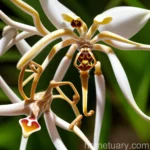
The Enigmatic Christmas Orchid (Angraecum Sesquipedale)
Orchids are cherished by plant enthusiasts for their delicate and exotic beauty. Among the various captivating and diverse orchid species, the Christmas Orchid, scientifically known as Angraecum sesquipedale, stands out with its fascinating features and intriguing cultural significance. In this comprehensive guide, we will explore the captivating world of the Christmas Orchid — its cultural uses, ideal growing conditions, propagation methods, common diseases and pests, and interesting facts. Join me as we delve into the enchanting realm of Angraecum sesquipedale and learn how to care for these unique and remarkable orchids.
Key Takeaways – Christmas Orchid (Angraecum Sesquipedale)
Before we delve into the details of cultivating the Christmas Orchid, let’s outline the key points that we will be exploring in this article:
- Culture: Understanding the cultural significance and uses of the Christmas Orchid.
- Uses: Exploring the diverse applications of the Christmas Orchid.
- Water: The optimal watering practices for Angraecum sesquipedale.
- Sunlight: Knowing the light requirements for healthy growth.
- Fertilizer: Finding the right balance of nutrients for thriving orchids.
- Soil: Discussing the ideal potting medium for these orchids.
- Pruning: Learning the art of orchid pruning for optimal growth.
- Propagation: Exploring the different methods of propagating Angraecum sesquipedale.
- Container: The most suitable containers for cultivating Christmas Orchids.
- Popularity: Understanding the growing popularity of this unique orchid.
- Common Diseases: Identifying and managing common diseases in Angraecum sesquipedale.
- Common Pests: Combatting the pests that often afflict these delicate orchids.
- Botanist’s Tips: Insights and advice from experts for successful orchid care.
What is the Christmas Orchid (Angraecum Sesquipedale)?
The Christmas Orchid, also known by its scientific name Angraecum sesquipedale, is a truly remarkable orchid species native to Madagascar. Renowned for its elegant and fragrant white flowers, this orchid has captivated plant enthusiasts and botanists alike with its unique characteristics and intriguing history. The name “Christmas Orchid” can be attributed to the timing of its bloom, often coinciding with the festive season, adding to its allure and charm.
Angraecum sesquipedale thrives in its native habitat, where it is often found growing epiphytically, nestled amidst the branches of trees, and basking in the dappled sunlight of the lush, tropical environment. One of the most intriguing features of this orchid is the length of its nectar spur, an adaptation that has fascinated scientists for centuries and has become the subject of much study and admiration. The nectar spur of Angraecum sesquipedale can reach astonishing lengths of up to 11-12 inches, a remarkable evolutionary trait that has sparked curiosity and debate within the scientific community.
Angraecum Sesquipedale Facts
Let’s begin our exploration of the Christmas Orchid by delving into some fascinating facts about Angraecum sesquipedale:
- Lengthy Nectar Spur: The defining feature of Angraecum sesquipedale is its exceptionally long nectar spur, which can extend up to 11-12 inches. This adaptation has led to intriguing discussions regarding its evolutionary purpose and the fascinating pollination mechanisms associated with it.
- Charles Darwin’s Prediction: The renowned naturalist Charles Darwin was captivated by the Christmas Orchid and predicted the existence of a moth with an elongated proboscis that would be capable of pollinating the orchid. This prediction was eventually proven true when the Xanthopan morganii praedicta, also known as the Morgan’s Sphinx Moth, was discovered to be the primary pollinator of Angraecum sesquipedale. This mutualistic relationship between the orchid and the moth is a testament to the intricate interplay of plant and animal life in ecology.
- Native Habitat: Angraecum sesquipedale is endemic to Madagascar, where it thrives in the warm, humid climates of the island. It is often found growing in the wild, nestled among the branches of trees, and basking in the filtered sunlight of the forest canopy.
- Fragrant Blooms: The flowers of the Christmas Orchid exude a delightful, sweet fragrance, adding to its allure and desirability as an ornamental plant. The intricate, white blooms with their elongated nectar spurs are a sight to behold and are highly sought after by orchid enthusiasts and collectors.
Culture of Christmas Orchid (Angraecum Sesquipedale)
The Christmas Orchid holds significant cultural and historical importance, both locally in Madagascar and internationally among plant enthusiasts and botanists. Let’s explore the cultural significance and varied uses of Angraecum sesquipedale:
Cultural Significance
In Madagascar, the Christmas Orchid holds a special place in the cultural tapestry of the island. It is revered for its exquisite beauty and enchanting fragrance, often featuring in local folklore and traditional stories. The orchid’s unique evolutionary adaptation, specifically the remarkable length of its nectar spur, has added to its mystique, making it a subject of fascination and admiration within the local community.
Furthermore, the Christmas Orchid has become an iconic symbol of Madagascar’s rich biodiversity, serving as a reminder of the island’s extraordinary flora and the need for conservation efforts to protect and preserve these natural treasures. Its prominence in local culture has also contributed to its status as a national emblem, representing the unique botanical heritage of Madagascar.
Uses of Angraecum Sesquipedale
The Christmas Orchid is revered for more than just its ornamental appeal. It holds a range of practical and cultural uses, further deepening its significance and value. Let’s explore the diverse applications of Angraecum sesquipedale:
- Ornamental Plant: As an ornamental plant, the Christmas Orchid holds a place of pride in botanical gardens, private collections, and horticultural displays worldwide. Its delicate, fragrant blooms and intriguing evolutionary adaptations make it a coveted addition to any orchid enthusiast’s repertoire.
- Traditional Medicine: In some traditional practices, certain parts of the Christmas Orchid are believed to possess medicinal properties, with applications ranging from treating minor ailments to more esoteric uses. While the scientific validation of these claims may vary, the cultural significance of the orchid in traditional medicine cannot be overlooked.
- Cultural Symbol: The Christmas Orchid serves as a powerful cultural symbol, representing the unique biodiversity of Madagascar and the need for conservation efforts to protect endangered plant species. It has become a rallying point for environmental advocacy and serves as a potent reminder of the interconnectedness between humans and the natural world.
The Christmas Orchid’s multifaceted cultural significance and varied uses highlight its enduring appeal and relevance in both local traditions and global botanical appreciation.
How to Care for Angraecum Sesquipedale
Now that we have gained an understanding of the cultural significance and uses of the Christmas Orchid, it’s essential to explore the best practices for caring for Angraecum sesquipedale. Following the optimal care guidelines ensures that these remarkable orchids thrive and display their full splendor. Let’s delve into the key aspects of orchid care, encompassing watering, sunlight, fertilizer, soil, pruning, propagation, and the choice of containers.
Water
Proper watering is crucial for the health and vitality of Angraecum sesquipedale. Orchids, including the Christmas Orchid, have specific requirements when it comes to hydration, and understanding these needs is essential for successful cultivation. Here are some tips for watering Angraecum sesquipedale:
- Balanced Moisture: Angraecum sesquipedale benefits from a consistent, balanced moisture level. It’s important to allow the potting medium to approach dryness before watering again, avoiding prolonged waterlogging or dry spells. The goal is to maintain a harmonious balance, preventing the roots from becoming waterlogged while also ensuring they do not desiccate.
- Quality of Water: The choice of water for orchids can influence their growth and overall health. Ideally, soft, slightly acidic water is preferable, mimicking the natural conditions that the orchid would encounter in its native habitat. Rainwater or filtered water can be suitable alternatives if the local tap water is hard or high in mineral content.
- Avoiding Waterlogging: Angraecum sesquipedale is susceptible to root rot if subjected to excessive moisture. It’s important to use well-draining pots and potting mix while also ensuring that any excess water is promptly drained away. Proper aeration of the root system is crucial for preventing waterlogged conditions.
Sunlight
In their natural habitat, Angraecum sesquipedale receives dappled sunlight filtered through the forest canopy. Replicating these light conditions is essential for the optimal growth of the Christmas Orchid. Here are some pointers for providing the right amount of sunlight for Angraecum sesquipedale:
- Filtered Light: Angraecum sesquipedale appreciates bright, indirect light, akin to the conditions it encounters in its native environment. This can be achieved through the use of sheer curtains or by placing the orchid in locations where it receives gentle, filtered sunlight without being subjected to prolonged direct rays.
- Avoiding Direct Sun: Direct sunlight, especially during the intense midday hours, should be avoided, as it can lead to leaf burn and stress the delicate foliage of the Christmas Orchid.
- Optimizing Light Levels: Observing the foliage of Angraecum sesquipedale can provide indications regarding its light requirements. Ideally, the leaves should appear a vibrant, healthy green, signaling that the orchid is receiving an appropriate amount of light.
Fertilizer
The careful application of fertilizers can provide the essential nutrients that Angraecum sesquipedale requires for robust growth and prolific blooming. Consider the following guidelines for fertilizing the Christmas Orchid:
- Balanced Fertilizer: Angraecum sesquipedale benefits from a balanced, water-soluble fertilizer, specifically formulated for orchids. These fertilizers are designed to provide the necessary macro and micronutrients that are vital for healthy orchid growth.
- Frequency of Application: During the active growing season, typically spring and summer, a regular fertilization regimen can support the orchid’s growth and flowering. However, it’s crucial to avoid over-fertilization, which can lead to salt buildup and damage to the delicate root system.
- Observing Nutrient Deficiencies: Monitoring the foliage of Angraecum sesquipedale can reveal any signs of nutrient deficiencies, such as yellowing leaves or stunted growth. Adjusting the fertilization routine based on the orchid’s response can aid in maintaining its vigor and overall health.
Soil
The choice of potting medium for Angraecum sesquipedale is fundamental to its well-being. Orchids have specific requirements when it comes to their growing medium, necessitating a well-draining, aerated substrate that supports their unique root structures. Consider the following points when potting Angraecum sesquipedale:
- Orchid-Specific Mix: Angraecum sesquipedale benefits from a specialized orchid mix that provides excellent aeration and drainage. These mixes typically comprise components such as fir bark, sphagnum moss, perlite, and charcoal, creating an environment that supports the orchid’s root health and encourages robust growth.
- Choosing the Right Pot: Porous pots, such as those made from clay or terracotta, are advantageous for orchid cultivation as they promote airflow to the root system and assist in preventing waterlogging. Opting for a pot that allows excess water to drain away efficiently is vital for the health of Angraecum sesquipedale.
Pruning
Pruning is an essential aspect of orchid care, promoting the overall health and aesthetic appeal of the plant. While Angraecum sesquipedale does not require extensive pruning, occasional maintenance is beneficial. Here’s what to keep in mind when pruning the Christmas Orchid:
- Removing Spent Blooms: Once the flowers of Angraecum sesquipedale have faded, they can be carefully removed to encourage the orchid to channel its energy into new growth and the development of future blooms.
- Trimming Desiccated Roots: Over time, the roots of the Christmas Orchid may desiccate or become damaged. Gently trimming these roots can help maintain the orchid’s overall vitality and prevent potential issues associated with deteriorating root structures.
Propagation
The propagation of Angraecum sesquipedale offers an opportunity to expand your collection of these enchanting orchids. While orchid propagation can be a rewarding endeavor, it requires careful attention to detail and a thorough understanding of the specific techniques best suited for each orchid species. Consider the following methods for propagating the Christmas Orchid:
- Division: One of the most common methods for propagating Angraecum sesquipedale is through division, where the orchid is carefully separated into smaller segments, each containing a viable portion of the root system. This technique can be conducted during repotting, and it’s essential to ensure that each divided section has adequate roots and pseudobulbs to support its growth.
- Keiki Production: The production of keikis, or baby orchids, offers another avenue for propagating Angraecum sesquipedale. The development of keikis on the flower spikes of the orchid can be encouraged through careful nurturing and the provision of suitable environmental conditions. Once the keikis have established roots and new growth, they can be carefully detached and potted as independent plants.
Container
Choosing the right container for Angraecum sesquipedale is crucial for providing a conducive environment for the orchid’s growth and development. The choice of pot influences factors such as aeration, moisture retention, and overall stability. Here’s what to consider when selecting a container for the Christmas Orchid:
- Proper Drainage: Opt for pots with ample drainage holes to allow excess water to escape, preventing waterlogging and promoting aeration within the root system.
- Size and Stability: The pot should provide ample space for the orchid’s roots to expand while also offering stability to prevent the plant from toppling over. A slightly larger pot size than the current root system allows for future growth without subjecting the orchid to excessive space.
Providing the appropriate container for Angraecum sesquipedale contributes to the overall health and well-being of the orchid, ensuring that it has the necessary support for robust growth.
Popularity of Angraecum Sesquipedale
The Christmas Orchid, with its captivating beauty and intriguing evolutionary adaptations, has garnered increasing popularity among plant enthusiasts and horticulturists. Its allure goes beyond its ornamental appeal, encompassing its cultural significance, remarkable biology, and the captivating story of its intricate relationship with the Morgan’s Sphinx Moth.
The growing interest in Angraecum sesquipedale has led to heightened conservation efforts and a renewed focus on preserving this remarkable orchid species and its native habitat in Madagascar. Its iconic status as a symbol of biodiversity and the interconnectedness of species has contributed to its rising prominence in the botanical world and the broader cultural sphere.
Furthermore, the fragrant blooms and unique characteristics of Angraecum sesquipedale have made it a sought-after addition to tropical gardens, orchid collections, and horticultural displays. Its presence in botanical gardens and horticultural exhibitions serves as a testament to its enduring appeal and relevance in the world of plant enthusiasts.
Common Diseases in Angraecum Sesquipedale
The health and well-being of Angraecum sesquipedale can be threatened by various diseases that can afflict orchids. Understanding these common diseases and their symptoms is crucial for implementing timely interventions to protect the Christmas Orchid. Let’s explore some of the prevalent diseases that can affect Angraecum sesquipedale:
Bacterial and Fungal Infections
Bacterial and fungal infections pose significant risks to the health of orchids, including Angraecum sesquipedale. These infections can manifest in various forms, ranging from leaf spots and stem rots to root rot. Common pathogens, such as Pseudomonas and Erwinia species, can cause widespread damage if left unaddressed.
Virus-Related Disorders
Viruses can infect orchids, leading to a range of symptoms that can include mottled or streaked leaves, stunted growth, and overall decline in the plant’s health. Orchid viruses are often transmitted through mechanical means, such as using contaminated tools, or through vectors such as insects.
Physiological Disorders
Physiological disorders, including issues related to water management, nutrient deficiencies, and environmental stress, can impact the overall well-being of Angraecum sesquipedale. Symptoms of these disorders may include leaf discoloration, abnormal growth patterns, and diminished flowering.
Management of Diseases
Timely intervention is essential for managing diseases in Angraecum sesquipedale. Implementing good cultural practices, such as providing optimal growing conditions and ensuring proper air circulation, can reduce the risk of infections. Additionally, prompt identification and isolation of infected plants can help prevent the spread of diseases within a collection.
Common Pests Affecting Angraecum Sesquipedale
In addition to diseases, orchids, including the Christmas Orchid, are susceptible to infestations by various pests that can compromise their health and vigor. Understanding the common pests that can affect Angraecum sesquipedale is key to implementing effective pest control measures. Let’s explore some of the prevalent pests that can afflict the Christmas Orchid:
Aphids
Aphids are small, sap-sucking insects that can infest the foliage, stems, and flower buds of orchids. Their presence can lead to distorted growth, wilting, and the onset of sooty mold, compromising the overall health of the orchid.
Scale Insects
Scale insects are notorious for their ability to remain relatively immobile and cryptic, making their detection challenging. They can cause damage to Angraecum sesquipedale by feeding on the plant’s sap and secreting honeydew, leading to the development of sooty mold and overall decline in the orchid’s health.
Spider Mites
Spider mites are tiny arachnids that can infest orchids and cause stippling on the foliage, webbing, and overall weakening of the plant. Their piercing-sucking mouthparts can lead to visible damage and stress the Christmas Orchid.
Thrips
Thrips are minuscule insects that can cause damage to Angraecum sesquipedale through their feeding activities, leading to distorted growth, silvery discoloration, and diminished vigor.
Pest Management Strategies
Implementing integrated pest management strategies is crucial for protecting Angraecum sesquipedale from common pests. This approach can include practices such as regular monitoring for signs of infestation, the use of biological controls, and the application of targeted treatments when necessary. Maintaining a clean growing environment and providing optimal cultural conditions can also contribute to reducing the risk of pest infestations.
Botanist’s Tips for Orchid Care
As we navigate the intricate world of orchid care, it’s valuable to consider the insights and advice of experienced botanists and orchid enthusiasts.