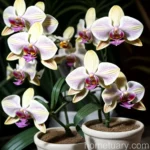
Spider Orchid (Brassia Caudata): The Exquisite Orchid Species
Orchids are known for their unique and fascinating beauty, and among them, the Spider Orchid (Brassia Caudata) stands out with its striking resemblance to a spider, captivating fragrance, and elegant bloom. As a plant scientist and a passionate advocate for preserving and cultivating plant diversity, I am thrilled to delve into the world of Spider Orchids. In this comprehensive guide, we will explore every facet of these extraordinary plants, from their cultural significance to cultivation techniques, care instructions, and even their role in art and folklore.
What is a Spider Orchid (Brassia Caudata)?
The Spider Orchid, scientifically known as Brassia Caudata, is a stunning orchid species that belongs to the Brassia genus. Named for its striking resemblance to a spider, this orchid variety has captured the imagination of plant enthusiasts, artists, and botanists alike. With its long, slender sepals and intricate patterns, the Spider Orchid is a true marvel of nature.
Key Takeaways – Spider Orchid (Brassia Caudata)
Before we dive into the intricacies of cultivating and caring for Spider Orchids, let’s outline some key takeaways about this captivating plant.
- Species: Brassia Caudata
- Common Name: Spider Orchid
- Genus: Brassia
- Family: Orchidaceae
- Origin: Central and South America
- Distinct Features: Resembles a spider, intricate floral patterns, captivating fragrance
- Cultural Significance: Symbolism, artistic inspiration, horticultural importance
Now that we have a glimpse of the Spider Orchid’s essence, let’s embark on a journey to discover its cultural significance, uses, and the art of cultivation.
Culture of Spider Orchid (Brassia Caudata)
Understanding the cultural significance and various uses of the Spider Orchid provides valuable insights into its place in history, art, and horticulture.
Uses
The Spider Orchid holds a special place in various cultural practices and creative endeavors. Its uses extend beyond horticulture, enriching art, symbolism, and even medicinal applications.
- Symbolism: In many cultures, the Spider Orchid symbolizes creativity, elegance, and uniqueness. Its striking appearance and delicate fragrance make it a popular choice for symbolic floral arrangements, gifts, and decorative purposes.
- Artistic Inspiration: The intricate patterns and graceful form of the Spider Orchid have served as a muse for artists, photographers, and craftsmen. Its presence in art and creative ventures reflects the reverence and fascination it evokes.
- Medicinal Uses: While not as widely known, some orchid species, including the Spider Orchid, have been historically used in traditional medicine for various purposes. Their therapeutic potential is an area of ongoing research and exploration.
Spider Orchid (Brassia Caudata) Care Guide
Successfully cultivating and caring for Spider Orchids requires a deep understanding of their specific requirements, from watering and sunlight to soil composition and pest control. Let’s delve into the essential elements of caring for these exquisite orchids.
Water
Proper watering is crucial for maintaining the health and vitality of Spider Orchids. These plants have distinct water requirements that should be carefully observed.
- Watering Guidelines: Spider Orchids prefer a balanced approach to watering. It is essential to allow the growing medium to partially dry out between waterings, preventing waterlogging that can lead to root rot.
- Humidity Needs: Given their natural habitat in tropical and subtropical regions, Spider Orchids thrive in environments with high humidity. Regular misting or the use of a humidifier can create an optimal growing environment for these orchids.
Sunlight
Appropriate exposure to sunlight is paramount for the well-being of Spider Orchids. Understanding their sunlight requirements is key to promoting robust growth and vibrant blooms.
- Sunlight Requirements: Spider Orchids necessitate bright, indirect light to thrive. However, prolonged exposure to intense sunlight can cause leaf burn, making it crucial to provide dappled or filtered light to maintain optimal conditions.
- Indoor Cultivation: For indoor Spider Orchid cultivation, placing the plants near east or west-facing windows can offer the ideal balance of light exposure. Tinted windows or sheer curtains can also help diffuse sunlight and prevent potential damage.
Fertilizer
Fertilization plays a pivotal role in sustaining the health and vitality of Spider Orchids. Selecting the right fertilization techniques and schedule is essential for promoting robust growth and blooming.
- Fertilization Techniques: Spider Orchids benefit from a balanced, water-soluble orchid fertilizer applied at half-strength. During the growing season, which typically aligns with the flowering season, regular fertilization every two weeks can provide the necessary nutrients for vibrant blooms.
- Fertilizer Composition: Orchid-specific fertilizers with a balanced ratio of macro and micronutrients, formulated for epiphytic orchids, are optimal for Spider Orchids. It is important to avoid excessive fertilization, as it can lead to salt buildup and potential damage to the plants.
Soil
The composition of the growing medium significantly influences the well-being and growth of Spider Orchids. Understanding the ideal potting mix and cultivation environment is crucial for their cultivation.
- Potting Mix: Spider Orchids thrive in well-draining potting mixes that mimic their natural epiphytic habitat. A blend of materials such as fir bark, sphagnum moss, perlite, and charcoal provides ample aeration and aids in moisture retention without causing waterlogging.
- Repotting Tips: Periodic repotting is essential for Spider Orchids, primarily to refresh the growing medium and accommodate the growth of new roots. Repotting should be conducted after the flowering season, typically every 1-2 years, using fresh potting mix suitable for epiphytic orchids.
Pruning
Pruning is a strategic practice for maintaining the health and aesthetic appeal of Spider Orchids. Proper pruning methods and timing contribute to the longevity and vitality of these captivating plants.
- Pruning Methods: Careful removal of spent flower spikes and dead or decaying foliage is essential to promote healthy growth and prevent the spread of diseases. Pruning tools should be disinfected to minimize the risk of introducing pathogens during the pruning process.
- Reflowering Strategies: Pruning plays a role in stimulating reflowering in Spider Orchids. By trimming spent flower spikes and providing optimal care conditions, the plants can regenerate and produce new blooms in subsequent flowering seasons.
Propagation
Understanding effective propagation methods is instrumental in expanding the presence of Spider Orchids and preserving their genetic diversity. Propagation allows for the cultivation of new plants and the continuation of this exquisite species.
- Propagation Techniques: Spider Orchids can be propagated through division, which involves carefully separating the pseudobulbs and root system to create new individual plants. It is essential to ensure that each division retains healthy roots and pseudobulbs to support successful growth.
- Propagation Timing: Propagation is typically conducted after the flowering season, providing ample time for the new divisions to establish themselves before the onset of the next growing and flowering cycle.
Container Popularity
When it comes to cultivating Spider Orchids, the choice of containers significantly impacts their growth, health, and overall visual appeal. Exploring the popularity of various containers sheds light on the diverse cultivation practices and preferences among enthusiasts.
Common Containers
- Orchid Pots: Specially designed orchid pots with ample ventilation, drainage holes, and elevated feet are popular choices for cultivating Spider Orchids. These pots promote air circulation and prevent water accumulation, creating an optimal environment for orchid growth.
- Mounted Culture: Some enthusiasts opt for mounted culture, where Spider Orchids are affixed to materials such as cork bark or tree fern plaques. This cultivation method mimics the orchids’ natural epiphytic habitat and fosters robust root growth and circulation.
Now that we have explored the key elements of caring for and cultivating Spider Orchids, let’s delve into potential challenges, diseases, and pests that may affect these extraordinary plants and strategies for addressing them.
Common Diseases of Spider Orchid (Brassia Caudata)
Fostering the health and vitality of Spider Orchids requires vigilance in detecting and addressing potential diseases that can compromise their well-being. Understanding common diseases and their diagnosis is crucial for implementing effective plant care strategies.
Disease Diagnosis
Several diseases can affect Spider Orchids, with fungal and bacterial infections being among the most prevalent. Recognizing the symptoms and signs of common diseases equips enthusiasts and cultivators to take proactive measures to protect these delicate plants.
- Fungal Infections: Symptoms of fungal infections in Spider Orchids include discolored or water-soaked spots on foliage, distorted growth, and stunted development. Additionally, the presence of mold or mildew on the growing medium or plant surfaces may indicate fungal issues.
- Bacterial Infections: Bacterial infections can manifest as soft rot, yellowing or browning of foliage, and a foul odor emanating from affected areas. Wilting and sudden decline in plant health are common indicators of bacterial infections in Spider Orchids.
Strategies for addressing these diseases involve implementing cultural practices that promote air circulation, maintaining appropriate humidity levels, and ensuring proper watering and sanitation. Fungicidal and bactericidal treatments may be necessary for severe infections, applied following manufacturer recommendations and with caution to minimize potential harm to the plants.
Common Pests Affecting Spider Orchids
The allure of Spider Orchids does not escape the notice of pests, and several common insects can pose a threat to their well-being. Identifying and mitigating pest infestations is essential for safeguarding the health and beauty of these remarkable plants.
Pests
- Aphids: These tiny, sap-feeding insects can cluster on new growth, flower buds, and the underside of leaves, compromising the overall health of Spider Orchids and inhibiting their development.
- Scale Insects: Scale insects can infest Spider Orchids, appearing as small, immobile structures on plant surfaces. Their feeding can lead to stunted growth, leaf discoloration, and reduced vitality.
- Spider Mites: These arachnids are common pests that can inflict damage on Spider Orchids, causing stippling, webbing on foliage, and a decline in plant vigor.
Control measures for these pests involve regular monitoring, mechanical removal, and the application of natural or targeted insecticidal treatments. Integrated pest management strategies, including promoting beneficial predators and practicing good sanitation, contribute to the effective management of pest infestations.
Botanist’s Tips for Spider Orchid (Brassia Caudata) Care
Drawing from years of experience and expertise in studying and cultivating orchids, botanists offer invaluable insights and tips for nurturing Spider Orchids to their full potential.
- Observation is Key: Regularly observing the growth, coloration, and overall condition of Spider Orchids enables cultivators to detect early signs of stress, diseases, or pest infestations. Prompt intervention and adjustments in care practices can significantly impact the plants’ well-being.
- Balance in Care: Maintaining a balance in watering, light exposure, humidity, and fertilization is fundamental to promoting robust growth and blooming in Spider Orchids. Striking the right equilibrium tailored to the specific needs of each plant yields rewarding results.
- Adapt to Environmental Changes: Orchids, including Spider Orchids, are sensitive to environmental fluctuations. Being attentive to seasonal variations, indoor climate adjustments, and changes in sunlight exposure allows for the adaptation of care practices to accommodate these shifts.
Fun Facts about Spider Orchid (Brassia Caudata)
While the care and cultivation of Spider Orchids are of paramount importance, it is equally enriching to explore intriguing and delightful facts about these exceptional plants.
- Scent and Fragrance: Certain species of Spider Orchids emit captivating fragrances, ranging from citrusy and floral to spicy and sweet, adding an olfactory dimension to their allure.
- Pollination Partners: In their natural habitats, Spider Orchids form symbiotic relationships with specific pollinators, often involving bees, wasps, or other insects that aid in their reproductive processes.
- Unique Floral Arrangements: The intricate floral patterns of Spider Orchids make them a captivating subject for artistic representation, floral arrangements, and botanical illustrations, inspiring creative endeavors across various domains.
Links to External Resources
As we conclude our comprehensive exploration of Spider Orchids, I am delighted to share a curated selection of external resources that further expand on the care, cultivation, and fascinating facets of these extraordinary plants.
- Orchid Care Tips: Orchid Care Tips and Techniques
- Spider Orchid Species: Introduction to Spider Orchid Species
- Brassia Caudata Plant Guide: Brassia Caudata Cultivation Guide
- Spider Orchid Cultivation: Cultivating Spider Orchids
- How to Grow Spider Orchids: Complete Guide to Growing Spider Orchids
- Brassia Caudata Care Instructions: Care Instructions for Brassia Caudata
- Spider Orchid Varieties: Varieties of Spider Orchids
- Different Types of Spider Orchids: Diversity of Spider Orchid Species
- Spider Orchid Care for Beginners: Beginner’s Guide to Spider Orchid Care
- Where to Buy Spider Orchids: Online Sources for Purchasing Spider Orchids
Conclusion
The world of Spider Orchids is a captivating realm of beauty, cultural significance, and horticultural fascination. With their graceful forms, intriguing patterns, and delicate fragrance, Spider Orchids have captured the hearts and imagination of plant enthusiasts, artists, and botanists worldwide. As we embrace the art and science of cultivating and caring for these extraordinary plants, we embark on a journey of appreciation, learning, and preservation, enriching our lives and the natural world.
As a plant scientist, I am deeply committed to advocating for the conservation and sustainable cultivation of unique plant species such as the Spider Orchid. Through shared knowledge, responsible practices, and a profound respect for nature’s diversity, we can ensure that these botanical treasures continue to inspire and enchant generations to come.
In the intricate tapestry of nature, the Spider Orchid stands as a testament to the boundless creativity and beauty woven into the fabric of the botanical world. Let us nurture and celebrate these exquisite plants, honoring their legacy and the profound sense of wonder they evoke.
So, as we part ways, may the elegance and allure of Spider Orchids linger in your thoughts, kindling a sense of appreciation for the marvels of the natural world that enrich our lives in countless ways.
Remember, the beauty of Spider Orchids echoes the timeless poetry of nature, waiting to be embraced and cherished by all who seek to behold the splendor of botanical marvels.