Philodendron Lickety Split (Philodendron ‘Lickety Split’)
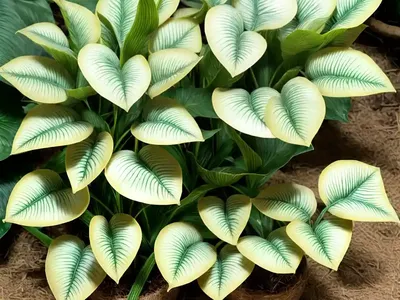
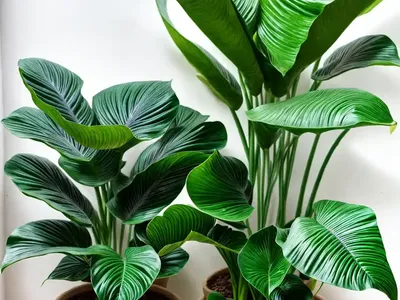
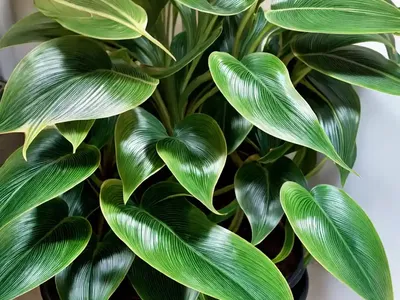
Philodendron Lickety Split, scientifically known as Philodendron ‘Lickety Split,’ is a well-loved, tropical plant with beautifully unique foliage. It.
Introduction to Philodendron Lickety Split (Philodendron ‘Lickety Split’)
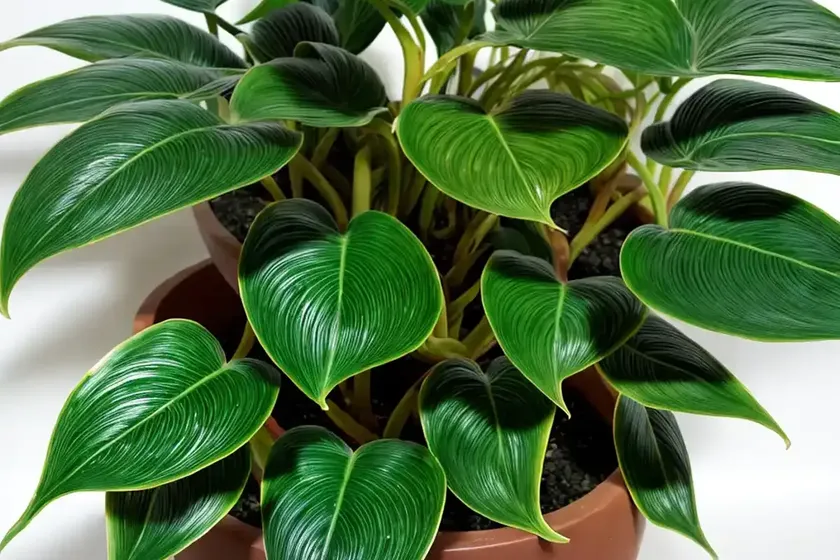
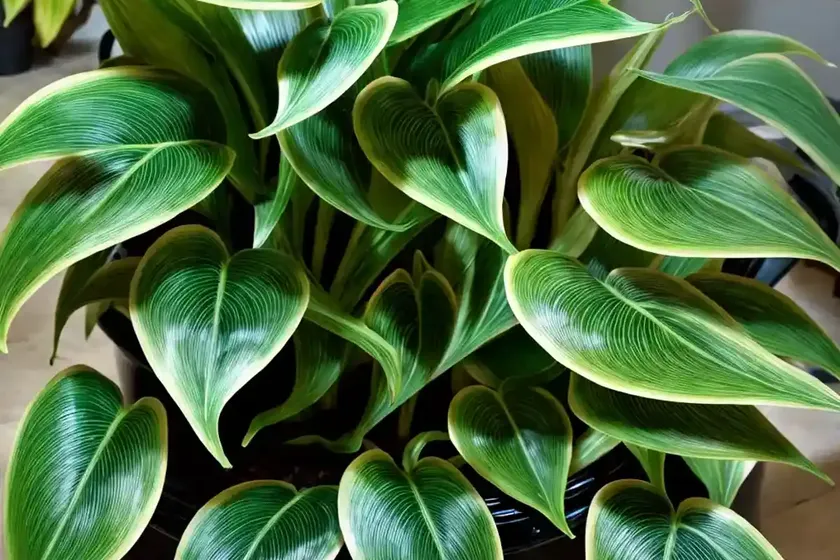
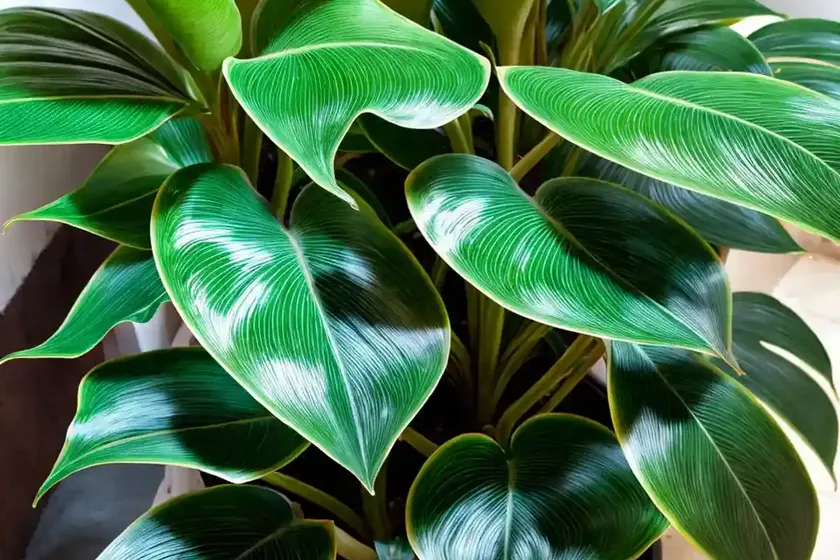
Philodendron Lickety Split, scientifically known as Philodendron ‘Lickety Split,’ is a well-loved, tropical plant with beautifully unique foliage. It belongs to the Araceae family and is native to the rainforests of Brazil. This striking plant is popular for its air-purifying qualities, making it an excellent choice for indoor spaces. In this comprehensive guide, we will dive into the various aspects of caring for Philodendron Lickety Split, including its cultural requirements, growth habits, and common issues.
Key Takeaways
Before we delve into the specifics of Philodendron Lickety Split care, let’s summarize the key takeaways of this stunning plant:
- Plant Name: Philodendron Lickety Split (Philodendron ‘Lickety Split’)
- Common Names: Lickety Split Philodendron
- Scientific Classification: Araceae family
- Native Habitat: Brazilian rainforests
- Common Uses: Indoor decoration, air purification
- Key Needs: Moderate water, bright indirect sunlight, well-draining soil
- Foliage: Uniquely shaped, split leaves with vibrant green hues
- Propagation: Can be propagated through stem cuttings
- Popularity: Widely favored as a houseplant due to its elegance and air-purifying qualities
- Challenges: Susceptible to certain pests and diseases, especially if cultural requirements are not met
Now, let’s explore the specific care guidelines for this captivating plant.
Culture
Water
Proper watering is essential for the health and vigor of Philodendron Lickety Split. As a tropical plant, it thrives in moderately moist conditions but is susceptible to root rot if overwatered. It is advisable to water the plant when the top inch of the soil feels slightly dry to the touch. Ensure thorough watering, allowing excess water to drain from the bottom of the pot to prevent waterlogging.
-
Watering Frequency: Typically, Philodendron Lickety Split needs water every 1-2 weeks, depending on environmental conditions.
-
Signs of Underwatering: Wilting, yellowing, or curling leaves indicate a need for more frequent watering.
-
Signs of Overwatering: Yellowing lower leaves, mushy stems, and a foul odor in the soil may indicate overwatering.
Sunlight
Philodendron Lickety Split thrives in bright, indirect light. Placing the plant near a window with filtered sunlight or using sheer curtains to diffuse direct sunlight is ideal. Too much direct sunlight can scorch the delicate foliage, causing browning and leaf damage.
-
Light Requirements: Provide the plant with bright, indirect light for 4-6 hours per day to maintain its vibrant green color and promote healthy growth.
-
Low-Light Tolerance: While it adapts to lower light conditions, prolonged low light can lead to leggy growth and diminished leaf variegation.
Fertilizer
Fertilizing your Philodendron Lickety Split is crucial to ensure robust growth and lush foliage. Choose a balanced, water-soluble fertilizer and apply it during the plant’s active growing season, usually from spring to early fall. A monthly feeding with a half-strength, well-balanced fertilizer is generally sufficient.
-
Fertilizer Type: Opt for a balanced liquid fertilizer with an N-P-K ratio of 20-20-20 to provide essential nutrients for the plant’s overall health.
-
Application Frequency: Feed the plant monthly during the growing season, reducing or omitting fertilization in the winter months when growth slows down.
Soil
A well-draining and nutrient-rich soil mix is fundamental for the longevity of Philodendron Lickety Split. An ideal potting medium should retain adequate moisture while preventing waterlogging, effectively aerating the roots.
Loose, well-aerated soil substrates enriched with organic matter provide an optimum growing medium for the plant. A mix of peat, perlite, and pine bark in equal parts is well-suited for Philodendron Lickety Split.
-
Soil Composition: Use a well-draining, peat-based potting mix with added perlite for enhanced drainage and aeration.
-
Soil pH: The soil pH for Philodendron Lickety Split should ideally fall within the slightly acidic to neutral range (pH 6.0-7.0).
Pruning
Pruning is an essential practice for maintaining the aesthetic appeal and health of Philodendron Lickety Split. Regular pruning helps manage its size, shape, and overall appearance while also eliminating diseased or damaged foliage.
-
Pruning Technique: Use clean, sharp scissors or pruning shears to trim discolored, yellowing, or damaged leaves close to the main stem.
-
Propagation: Pruned stem cuttings can be utilized for propagation, allowing you to expand your collection of Philodendron Lickety Split or share the plant with fellow enthusiasts.
Propagation
Propagating Philodendron Lickety Split is a rewarding endeavor and a great way to expand your collection. The plant can be propagated through stem cuttings, enabling you to create new plants from a mature specimen.
Stem Cutting Propagation
- Select a healthy, mature stem with several leaf nodes. Ensure the cutting is approximately 4-6 inches long.
- Make a clean cut just below a leaf node using sterile pruning shears.
- Place the cutting in a glass of water or a well-draining potting mix with perlite to encourage root development.
- Maintain consistent moisture and provide indirect light for the cutting.
- Once roots have developed, transplant the cutting into a suitable potting mix.
Container
Selecting an appropriate container is crucial for the growth and overall well-being of Philodendron Lickety Split. The right pot size and material contribute to proper drainage, root aeration, and soil stability.
-
Pot Size: Choose a container that accommodates the plant’s root system with some room for growth. A 6-8 inch pot is ideal for young plants, while mature specimens may require a 10-12 inch pot.
-
Drainage Holes: Ensure the pot has sufficient drainage holes at the bottom to allow excess water to escape, preventing waterlogged soil.
Popularity
Philodendron Lickety Split has garnered widespread popularity among plant enthusiasts and interior decorators due to its striking foliage and air-purifying qualities. Its elegant, split leaves and easy-care nature make it a sought-after choice for both novice and experienced plant enthusiasts.
Common Diseases
While Philodendron Lickety Split is relatively resilient, it can fall victim to certain diseases if not provided with adequate care and attention. Understanding common diseases and their prevention is essential for maintaining the plant’s health and vitality.
Disease Diagnosis
Identifying and addressing plant diseases promptly is crucial in preventing their escalation and preserving the overall well-being of Philodendron Lickety Split.
Leaf Spot
Symptoms: Circular, water-soaked spots on the foliage, often surrounded by a yellow halo. The spots may darken and cause the affected leaves to wither and drop prematurely.
Cause: Bacterial or fungal pathogens, often exacerbated by overwatering or high humidity levels.
Treatment: Remove and destroy affected leaves, improve air circulation, and avoid overhead watering to prevent the spread of the disease. Apply a copper fungicide to control fungal infections.
Root Rot
Symptoms: Wilting, yellowing leaves, and a foul odor emanating from the soil. The plant may exhibit a general decline in health, with mushy, brown roots when inspected.
Cause: Prolonged soil waterlogging, leading to oxygen deprivation and the proliferation of root-rotting pathogens.
Treatment: Address the root cause of waterlogging by adjusting the watering routine and soil drainage. Trim affected roots and repot the plant in fresh, well-draining soil.
Common Pests
Like many houseplants, Philodendron Lickety Split is susceptible to certain pests that can jeopardize its health if left unchecked. Familiarizing yourself with these common pests and their control is vital for safeguarding your plant.
Pest Identification
Mealybugs
Appearance: Small, cotton-like masses on the foliage, stems, or leaf axils. Mealybugs feed on the plant sap, causing yellowing, stunted growth, and honeydew excretion.
Control: Use a cotton swab dipped in rubbing alcohol to remove mealybugs manually. Alternatively, apply a neem oil solution to the affected areas to suffocate and deter the pests.
Spider Mites
Signs: Fine webbing on the leaves, stippling, and yellowing of the foliage. Spider mites thrive in dry conditions and can rapidly infest Philodendron Lickety Split if left unaddressed.
Control: Increase humidity to discourage spider mite infestations. Rinse the plant with a strong jet of water or treat it with insecticidal soap to eliminate the pests.
Botanist’s Tips
For optimal growth and a thriving Philodendron Lickety Split, consider the following tips from experienced botanists and plant enthusiasts:
-
Humidity Maintenance: Maintain moderate to high humidity levels, especially during the plant’s active growth period, to support healthy foliage and growth.
-
Regular Inspection: Routinely examine the plant for signs of pests, diseases, or nutrient deficiencies. Early detection and intervention are vital for preserving the plant’s well-being.
-
Training and Support: Provide a sturdy support, such as a moss pole or trellis, as the plant matures to encourage upright growth and prevent sprawling.
Fun Facts
Now that we’ve covered the essential care tips and guidelines, let’s delve into some fascinating and lesser-known facts about Philodendron Lickety Split:
-
Natural Climbers: In their native habitat, Philodendron Lickety Split plants utilize their aerial roots to climb and attach themselves to trees and other surfaces.
-
Variegation Variations: Philodendron Lickety Split exhibits a range of variegation patterns, with some specimens showcasing broader leaf splits and contrasting coloration.
-
Air-Purifying Abilities: Known for its air-purifying qualities, Philodendron Lickety Split can help cleanse the air in indoor spaces by removing harmful toxins.
-
Hybrid Origins: The Philodendron ‘Lickety Split’ cultivar is a hybrid variety resulting from the crossbreeding of different Philodendron species to achieve its distinctive leaf morphology.
Links to External Resources
For further information and resources on Philodendron Lickety Split care, propagation, and cultivation, consider exploring the following references:
- American Horticultural Society: The New Plant Parent
- Royal Horticultural Society: Plant Propagation
- The Spruce: How to Care for Philodendron Plants
- University of Florida IFAS Extension: Philodendron Diseases
- Clemson Cooperative Extension: Houseplant Pests
- Missouri Botanical Garden: Philodendron ‘Lickety Split’
- Reddit: r/houseplants
By integrating the insights and expertise from these reputable sources, you can expand your knowledge and confidence in caring for Philodendron Lickety Split.
Conclusion
Philodendron Lickety Split, with its captivating foliage and adaptable nature, has secured its place as a cherished addition to indoor plant collections worldwide. By following the guidelines outlined in this comprehensive care guide, you can provide your Philodendron Lickety Split with the optimal growing conditions and attention it needs to thrive. From watering and lighting to pest management and propagation, nurturing this elegant plant can be a fulfilling and rewarding experience for both novice and seasoned plant enthusiasts.
Remember to observe, care, and enjoy the beauty of Philodendron Lickety Split as it flourishes and enhances your living spaces with its lush, tropical charm. Whether you’re a dedicated plant aficionado or a newcomer to the world of indoor gardening, the allure of Philodendron Lickety Split is sure to captivate and inspire your green thumb.