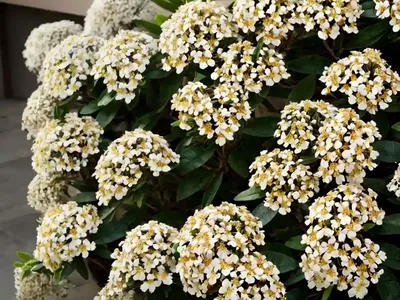
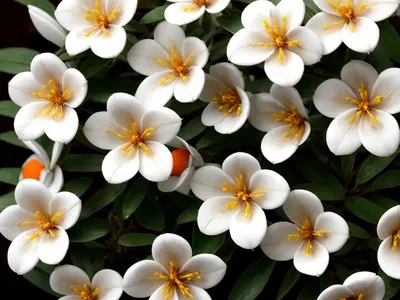
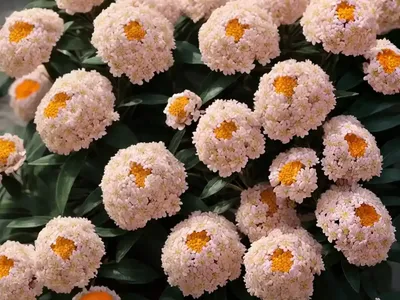
Choisya Ternata ‘Lich’ SUNDANCE (Mexican Orange Blossom)
Plants are integral parts of our environment; they not only provide aesthetic beauty but also play a significant role in maintaining ecological balance..
Introduction
Plants are integral parts of our environment; they not only provide aesthetic beauty but also play a significant role in maintaining ecological balance. One such species that has gained popularity among gardeners and horticulturists is the Choisya ternata ‘Lich’ SUNDANCE, commonly known as the Mexican Orange Blossom. In this comprehensive guide, we will explore the various aspects of this fascinating plant, including its cultural requirements, uses, care tips, and much more.
What is Choisya ternata ‘Lich’ SUNDANCE?
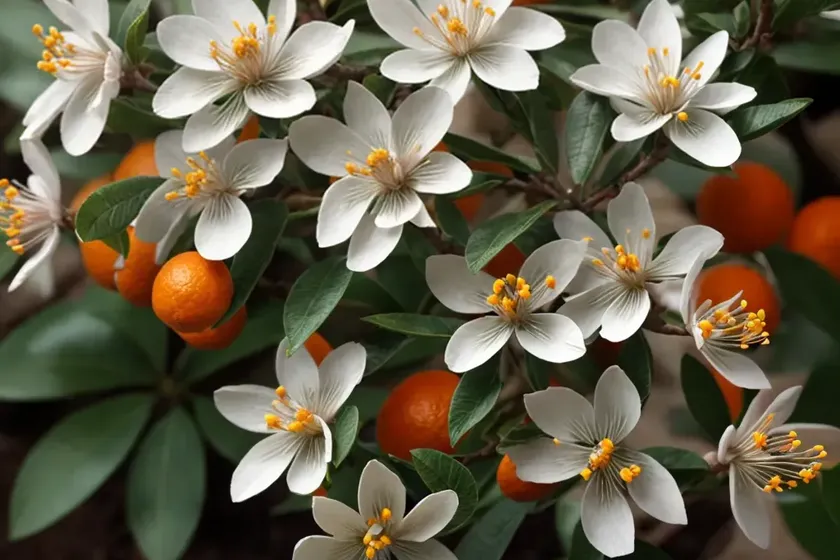
Choisya ternata ‘Lich’ SUNDANCE, also referred to as the Mexican Orange Blossom, is a species of flowering plant native to Mexico and the southwestern United States. It belongs to the Rutaceae family and is renowned for its vibrant clusters of fragrant white flowers and glossy, aromatic foliage.
Key Takeaways
- Plant Name: Choisya ternata ‘Lich’ SUNDANCE (Mexican Orange Blossom)
- Family: Rutaceae
- Common Name: Mexican Orange Blossom
- Growth Form: Evergreen shrub
- Flower Color: White
- Foliage: Glossy, aromatic
- Fragrance: Citrus-like
- Native Range: Mexico, southwestern United States
Plant Description
The Choisya ternata ‘Lich’ SUNDANCE exhibits several distinctive characteristics that make it a preferred choice for landscape design and ornamental gardening. Let’s delve into the detailed description of this fascinating plant.
Plant Characteristics
Growth Habit
The Mexican Orange Blossom is an evergreen shrub that typically reaches a height and spread of 6-8 feet. Its compact and bushy nature makes it an excellent choice for hedges, borders, or standalone ornamental plantings.
Foliage
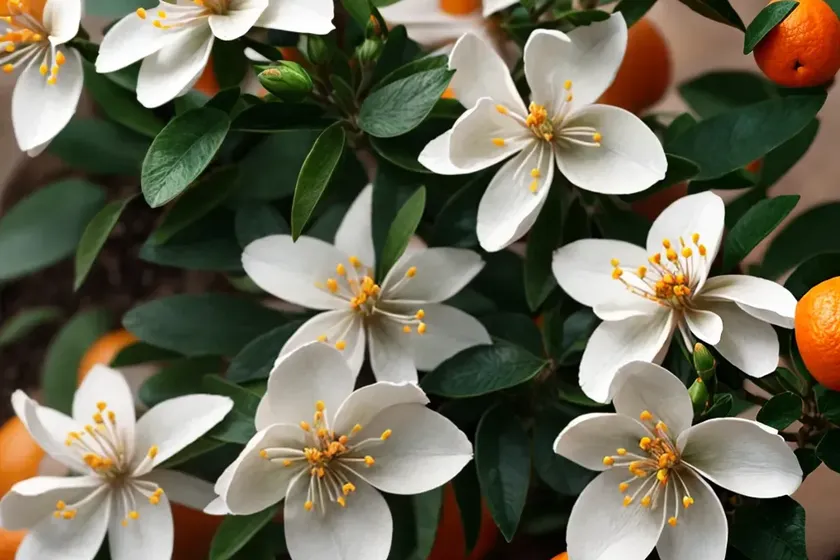
The glossy, aromatic foliage of Choisya ternata ‘Lich’ SUNDANCE is a prominent feature of the plant. The leaves are comprised of three leaflets, giving them a delicate and intricately textured appearance. The leaflets are a lustrous green, adding a vibrant and refreshing touch to the landscape.
Flowers
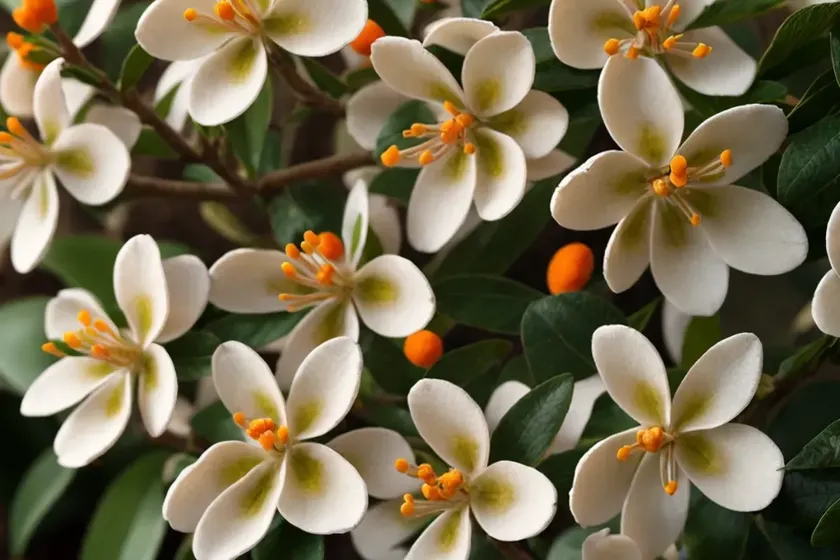
One of the most captivating aspects of the Mexican Orange Blossom is its clusters of fragrant white flowers. These blooms appear in late spring, often continuing into early summer, and are particularly attractive to pollinators, such as bees and butterflies.
Plant Uses
The Choisya ternata ‘Lich’ SUNDANCE offers a myriad of functional and aesthetic uses in landscaping and horticulture. Here are a few common applications of this versatile plant:
- Ornamental Shrubs: Due to its attractive foliage and abundant white blooms, the Mexican Orange Blossom is commonly used as an ornamental shrub in garden beds and borders.
- Hedging Plant: Its dense growth habit and manageable size make it an ideal candidate for creating hedges and natural barriers in outdoor spaces.
- Container Plantings: Choisya ternata ‘Lich’ SUNDANCE thrives in containers, adding a touch of elegance to patios, porches, and other outdoor settings.
- Aromatic Gardens: The citrus-like fragrance of the foliage makes it a valuable addition to aromatic or sensory gardens.
Landscape Design
In landscape design, Choisya ternata ‘Lich’ SUNDANCE can be employed in various settings to add visual interest and artistic appeal. Its compact form and striking foliage make it well-suited for the following landscape applications:
- Mixed Borders: The Mexican Orange Blossom complements a wide range of flowering plants and evergreen shrubs, making it a valuable addition to mixed borders and perennial beds.
- Foundation Planting: Its dense and bushy growth habit makes it an excellent choice for foundation plantings, where it can provide year-round greenery and floral interest.
- Formal Gardens: When pruned and maintained, the Choisya ternata ‘Lich’ SUNDANCE can be used to create formal and symmetrical designs within garden spaces.
The Choisya ternata ‘Lich’ SUNDANCE holds tremendous potential for enhancing the aesthetic appeal and ecological value of diverse landscapes, ranging from private gardens to public parks and institutional grounds.
Culture
Cultural requirements play a vital role in the successful growth and development of any plant species. Understanding the specific cultural needs of Choisya ternata ‘Lich’ SUNDANCE is crucial for ensuring its overall health and vigor. Let’s explore the key cultural aspects that this plant demands.
Water
Proper watering is essential to establish and maintain healthy growth in Mexican Orange Blossom plants. While these shrubs have moderate water needs, they prefer well-drained soils and slightly moist conditions. Below are some guidelines to help with watering:
- Establishment Phase: Newly planted Mexican Orange Blossom specimens should be watered regularly to promote root establishment. Provide a deep watering at regular intervals to keep the root zone consistently moist but not waterlogged.
- Mature Plants: Once established, Choisya ternata ‘Lich’ SUNDANCE demonstrates good drought tolerance. However, during dry spells or extended periods of hot weather, it is advisable to provide supplemental irrigation to prevent the soil from becoming excessively dry.
Sunlight
Proper sunlight exposure is crucial for the overall growth, flowering, and vigor of the Mexican Orange Blossom. These shrubs thrive in locations with ample sunlight, but they also exhibit a degree of tolerance to partial shade. Here are some key points to consider regarding sunlight requirements:
- Full Sun: Choisya ternata ‘Lich’ SUNDANCE performs best when planted in areas that receive full sunlight for the majority of the day. A minimum of 6-8 hours of direct sunlight is recommended to encourage robust growth and abundant flowering.
- Partial Shade: While the plant can tolerate partial shade, prolonged periods of low light may inhibit flowering and lead to reduced vigor. When planting in partially shaded areas, ensure that the plant receives some direct sunlight daily.
Fertilizer
Proper fertilization is essential for promoting healthy growth, foliage development, and abundant flowering in Choisya ternata ‘Lich’ SUNDANCE plants. Adopting a balanced fertilization regimen can contribute to the overall vitality and visual appeal of this species. Consider the following aspects when fertilizing Mexican Orange Blossom:
- Timing: Fertilize in early spring before the onset of new growth and again in late summer to provide essential nutrients for flower bud formation.
- Type of Fertilizer: Choose a well-balanced, slow-release fertilizer formulated for shrubs and ornamental plants. Ensure that the fertilizer contains adequate amounts of nitrogen, phosphorus, and potassium, along with essential micronutrients.
- Application Technique: Apply the fertilizer evenly around the base of the plant and water thoroughly to aid in the nutrient absorption process.
Soil
The soil composition and quality significantly influence the growth, health, and performance of Choisya ternata ‘Lich’ SUNDANCE. When selecting a planting site or preparing the soil for container cultivation, it is essential to consider the following soil-related factors:
- Drainage: Well-drained soil is crucial for preventing waterlogging and maintaining the overall health of Mexican Orange Blossom plants. Heavy or water-retentive soils should be amended with organic matter or perlite to improve drainage.
- pH Level: The ideal soil pH for Choisya ternata ‘Lich’ SUNDANCE ranges from slightly acidic to neutral (pH 6.0-7.5). Conduct a soil test to assess the existing pH level and make necessary amendments using lime or sulfur to achieve the optimal range.
- Soil Composition: A loamy, fertile soil with good aeration and moisture-retention capacity is highly suitable for the cultivation of Mexican Orange Blossom. Incorporating compost, peat moss, or well-rotted manure can enhance the soil texture and nutrient content.
Pruning
Pruning is an essential aspect of maintaining the shape, size, and overall appearance of Choisya ternata ‘Lich’ SUNDANCE. Regular and judicious pruning not only enhances the aesthetic value of the plant but also promotes healthy growth and flowering. Here are some relevant points to consider regarding pruning:
- Timing: Prune Mexican Orange Blossom plants in late spring or early summer after the flowering period to shape the shrub and remove any damaged or overgrown branches.
- Techniques: Employ sharp, clean pruning shears to make precise cuts without causing any unnecessary damage to the plant. Aim to maintain a balanced and uniform shape while removing any dead or diseased wood.
- Pruning Frequency: While mature Choisya ternata ‘Lich’ SUNDANCE specimens typically require annual pruning, younger plants may benefit from more frequent shaping and training to achieve the desired form.
Propagation
Propagating Choisya ternata ‘Lich’ SUNDANCE allows gardeners and horticulturists to expand the plant population and obtain new specimens from existing ones. Understanding the various propagation methods can be useful for those interested in multiplying Mexican Orange Blossom plants. Here are some common techniques for propagating this species:
- Softwood Cuttings: Take softwood cuttings from healthy, actively growing stems in late spring or early summer. Dip the cut ends in rooting hormone and plant them in a well-drained potting mix. Provide bottom heat and consistent moisture to encourage rooting.
- Semi-Hardwood Cuttings: Semi-hardwood cuttings can be collected in mid to late summer from partially mature stems. Treat them with rooting hormone and place them in a warm, humid environment to facilitate the formation of new roots.
- Division: Mature Choisya ternata ‘Lich’ SUNDANCE specimens can be divided into multiple sections by carefully separating the root ball. Each division should have a portion of the root system and several healthy stems. Replant these divisions in prepared soil and provide adequate care to ensure successful establishment.
Container Popularity
The Mexican Orange Blossom is a popular choice for container cultivation due to its compact size, lush foliage, and fragrant blooms. Growing Choisya ternata ‘Lich’ SUNDANCE in containers opens up a range of possibilities for incorporating this species into a diverse array of outdoor settings, including patios, balconies, and urban gardens.
When selecting a container for Mexican Orange Blossom plants, opt for a sturdy and well-drained pot that provides ample space for the root system. Utilize a high-quality potting mix with good moisture-retention capabilities and adequate aeration. Regular watering, fertilization, and occasional pruning are crucial for maintaining the health and visual appeal of Choisya ternata ‘Lich’ SUNDANCE in containers.
Common Diseases
While the Mexican Orange Blossom is generally resistant to most diseases, it may occasionally encounter certain fungal or bacterial problems that can impact its health and appearance. Being aware of the common diseases and their associated symptoms is essential for implementing timely and effective control measures. Let’s explore some prevalent diseases and their management strategies:
Disease Diagnosis
- Powdery Mildew: Powdery mildew appears as a white, powdery coating on the foliage, often leading to leaf distortion and reduced plant vigor. To manage powdery mildew, improve air circulation around the plants, avoid overhead watering, and consider applying a suitable fungicidal spray as per label instructions.
- Root Rot: Root rot, caused by excessively moist or waterlogged soil conditions, leads to wilting, yellowing foliage, and eventual plant decline. To prevent root rot, ensure proper drainage, avoid overwatering, and consider using well-drained soil mixes for container cultivation.
- Citrus Canker: Citrus canker is characterized by the development of raised, corky lesions on the leaves and stems. Promptly remove and destroy infected plant parts to prevent the spread of the disease. Consider applying copper-based fungicides as a preventive measure, especially during periods of high humidity and rainfall.
Regular monitoring, proper cultural practices, and proactive intervention can help mitigate the impact of these diseases and maintain the overall health and vitality of Choisya ternata ‘Lich’ SUNDANCE.
Common Pests
Pests are another potential challenge that gardeners and horticulturists may encounter when cultivating Choisya ternata ‘Lich’ SUNDANCE. While the Mexican Orange Blossom is relatively resistant to pest infestations, certain insects may occasionally pose a threat to its well-being. Let’s discuss some common pests and their management:
Pest Identification
- Aphids: Aphids are small, soft-bodied insects that feed on the sap of plants, causing stunted growth and distorted foliage. Use a strong blast of water to dislodge aphids from the plant, or consider applying insecticidal soap or neem oil to control infestations.
- Scale Insects: Scale insects appear as small, waxy bumps on the stems and foliage of the plant. They can be managed by physically removing them with a soft brush or cotton swab dipped in rubbing alcohol. Application of horticultural oils can also be effective in suffocating and eliminating scale populations.
Regular inspection and prompt intervention are essential for preventing pest outbreaks and preserving the overall health and aesthetic appeal of Choisya ternata ‘Lich’ SUNDANCE.
Botanist’s Tips
Incorporating the following botanist’s tips into the cultivation and care of Choisya ternata ‘Lich’ SUNDANCE can significantly enhance the success and enjoyment of gardening with this remarkable species:
- Site Selection: Choose a planting site that provides ample sunlight, well-drained soil, and good air circulation to promote healthy growth and flowering.
- Pruning Techniques: Practice regular pruning to shape the plant, remove damaged or dead wood, and maintain its compact form. Avoid excessive or overzealous pruning, as it may hinder flowering and lead to sparse foliage.
- Adequate Watering: Monitor the moisture levels in the soil and provide regular, deep watering during dry periods to support root development and overall plant health.
Following these tips can contribute to the long-term health and vitality of Mexican Orange Blossom plants, resulting in an appealing and thriving garden display.
Fun Facts
Uncover the intriguing and captivating aspects of Choisya ternata ‘Lich’ SUNDANCE with these fun and informative facts:
- The foliage of the Mexican Orange Blossom exhibits a delightful citrus-like fragrance, contributing to its appeal in aromatic and sensory gardens.
- Choisya ternata ‘Lich’ SUNDANCE is an excellent choice for attracting pollinators such as bees, butterflies, and hummingbirds, thanks to its fragrant blooms and nectar-rich flowers.
Links to External Resources
Expand your knowledge of Choisya ternata ‘Lich’ SUNDANCE by exploring the following external resources:
- Royal Horticultural Society – Choisya ternata
- University of Florida IFAS Extension – Mexican Orange Blossom
In conclusion, the Choisya ternata ‘Lich’ SUNDANCE, or Mexican Orange Blossom, encapsulates an exquisite blend of visual allure, aromatic charm, and ecological value, making it a prized addition to gardens, landscapes, and outdoor settings.
By understanding and embracing the specific cultural requirements, care guidelines, and unique attributes of this species, gardeners and horticulturists can foster an enduring appreciation for the beauty and functionality that the Mexican Orange Blossom brings to diverse horticultural and environmental contexts.