The Chinese Witch Hazel (Hamamelis Mollis ‘Fred Chittenden’)
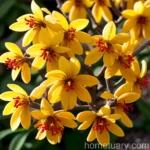
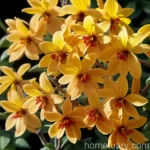
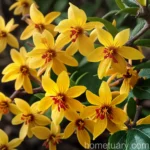
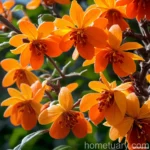
The Chinese witch hazel, scientifically known as Hamamelis Mollis ‘Fred Chittenden’, is a stunning and fragrant deciduous shrub that belongs to the witch hazel family, Hamamelidaceae. This plant is celebrated for its unique and vibrant yellow blossoms, which emerge in the late winter to early spring, adding a pop of color to the dormant landscape. In this comprehensive guide, we will explore the various aspects of this beautiful plant, including its culture, uses, care requirements, and more.
Key Takeaways
Chinese Witch Hazel (Hamamelis Mollis ‘Fred Chittenden’)
- Bloom Time: Late winter to early spring
- Hardiness Zones: 5-8
- Mature Height: 8-12 feet
- Native to: China
What is a Plant?
Plants, from towering trees to tiny mosses, are living organisms belonging to the kingdom Plantae. They are crucial to life on Earth, providing oxygen, food, and habitat for countless organisms. With an incredible diversity of over 391,000 known species, plants have adapted to various environments and serve as the foundation of most terrestrial ecosystems.
Plant Classification
Plants are classified into various groups based on shared characteristics. The Chinese witch hazel falls under the following classification:
- Kingdom: Plantae
- Order: Saxifragales
- Family: Hamamelidaceae
- Genus: Hamamelis
- Species: Mollis
- Cultivar: ‘Fred Chittenden’
Now, let’s delve into the fascinating world of the Chinese witch hazel and uncover the best practices for its cultivation and care.
Culture
The Chinese witch hazel is a relatively low-maintenance plant, making it an attractive choice for gardeners of all levels of experience. When provided with the right conditions, this shrub can thrive and reward its caretakers with a burst of color and fragrance during the dreary winter months.
Uses
Ornamental Value
The primary use of the Chinese witch hazel in landscaping is its ornamental appeal. Its vibrant yellow flowers and lovely fragrance make it a valuable addition to gardens, particularly during the late winter and early spring when few other plants are in bloom.
Medicinal Properties
Traditionally, witch hazel has been used for its medicinal properties. The bark, leaves, and twigs of witch hazel contain tannins, which have astringent properties. Witch hazel extract is commonly used topically as a cooling agent, and it is found in a variety of skincare products.
Water
Proper watering is essential for the healthy growth of Chinese witch hazel, especially during its establishment phase and in periods of drought.
- Establishment: Water deeply immediately after planting.
- Regular Watering: Provide supplemental watering during dry spells, particularly in the summer months.
Sunlight
Chinese witch hazel thrives in partial shade to full sun. However, in warmer climates, providing some afternoon shade can help prevent heat stress and sunburn on the leaves.
Fertilizer
This shrub generally does not require heavy feeding and is well-adapted to ordinary garden soil. However, applying a balanced fertilizer in early spring can promote healthier growth and better flowering.
- Fertilizer Type: Use a balanced, slow-release fertilizer.
- Application Time: Fertilize in early spring before new growth appears.
Soil
Good soil preparation is crucial for the Chinese witch hazel, as it prefers well-draining and moist soils with a slightly acidic to neutral pH.
- Soil Type: Loamy, well-draining soil
- pH Level: Slightly acidic to neutral (pH 5.5-7.5)
Pruning
Pruning is an essential aspect of Chinese witch hazel maintenance, and it primarily involves the removal of dead or damaged wood and shaping the plant to maintain its desired form.
- Pruning Time: Prune immediately after flowering to avoid cutting off next year’s flower buds.
- Technique: Remove dead or crossed branches and maintain an open, natural shape.
Propagation
The Chinese witch hazel can be propagated through various methods, including:
- Seeds
- Softwood cuttings
- Layering
Container Popularity
Due to its moderate size and attractive appearance, Chinese witch hazel is also suitable for container planting, allowing individuals with limited space to enjoy its beauty on patios, decks, or balconies.
Container Care
Container-grown Chinese witch hazel requires regular watering, proper drainage, and occasional fertilization to support healthy growth. Additionally, it’s essential to monitor the plant’s root system and repot as needed to prevent it from becoming root-bound.
Common Diseases and Pests
Disease Diagnosis
Although Chinese witch hazel is generally resistant to pests and diseases, it can occasionally encounter certain issues, including:
- Leaf spot: Caused by fungal pathogens, resulting in circular brown spots on the leaves.
- Powdery mildew: A fungal disease that leads to a white, powdery growth on the leaves.
- Root rot: Often caused by overwatering and poorly drained soil.
Common Pests
The Chinese witch hazel may attract some common garden pests, such as aphids and scale insects, particularly during periods of stress. Regular monitoring and proactive pest management can help keep infestations at bay.
Botanist’s Tips
- Mulching: Apply a layer of organic mulch around the base of the plant to retain moisture and regulate soil temperature.
- Winter Protection: In colder climates, consider providing winter protection, such as burlap wrapping, to shield the plant from harsh winds and temperature fluctuations.
Fun Facts
- The botanical name, Hamamelis, is derived from the Greek words “hama” (together) and “melon” (fruit), referring to the simultaneous presence of the previous year’s fruit and the current year’s flowers on the branch.
- Witch hazel extract is a popular natural astringent and is commonly used in skincare products for its toning and soothing properties.
Links to External Resources
For further information on Chinese witch hazel, refer to the following resources:
- Royal Horticultural Society – Hamamelis
- Missouri Botanical Garden – Hamamelis Mollis ‘Fred Chittenden’
- American Society for the Prevention of Cruelty to Animals – Witch Hazel
In conclusion, the Chinese witch hazel, with its charming blossoms and minimal maintenance requirements, is a delightful addition to any garden or landscape. By understanding and meeting its specific cultural needs, gardeners can enjoy the vibrant beauty and alluring fragrance of this exceptional plant.
Remember, successful gardening often means finding the right plant for the right place. With its captivating display of winter blooms, the Chinese witch hazel certainly has a special place in the hearts of many garden enthusiasts.
Plant Name: “Chinese witch hazel (Hamamelis mollis ‘Fred Chittenden’)”