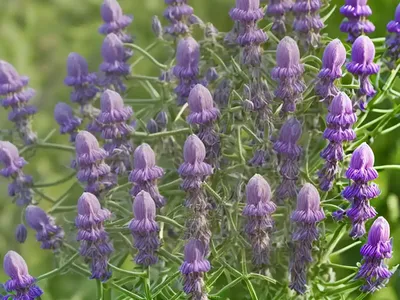
Chinese Wisteria (Wisteria Sinensis)
Chinese wisteria (Wisteria Sinensis) is a beautiful and vigorous vine that is native to China. It belongs to the Fabaceae family and is widely cultivated.
What is Chinese Wisteria (Wisteria Sinensis)?
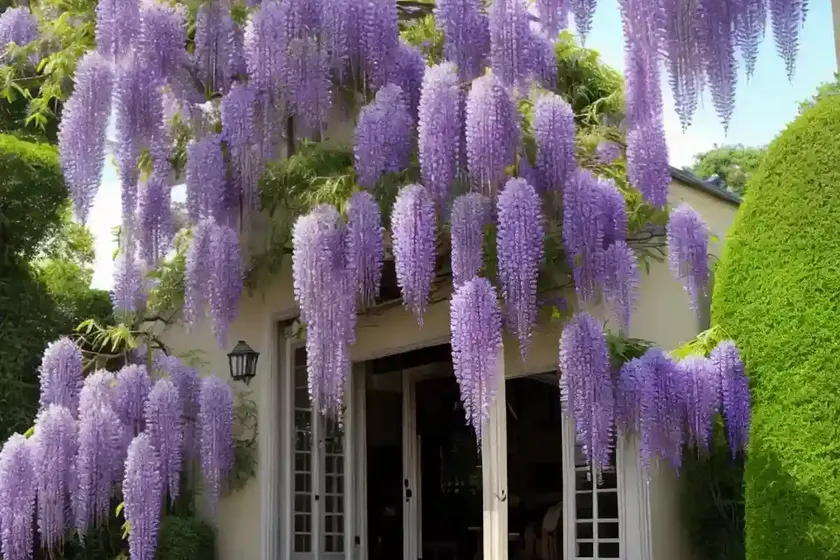
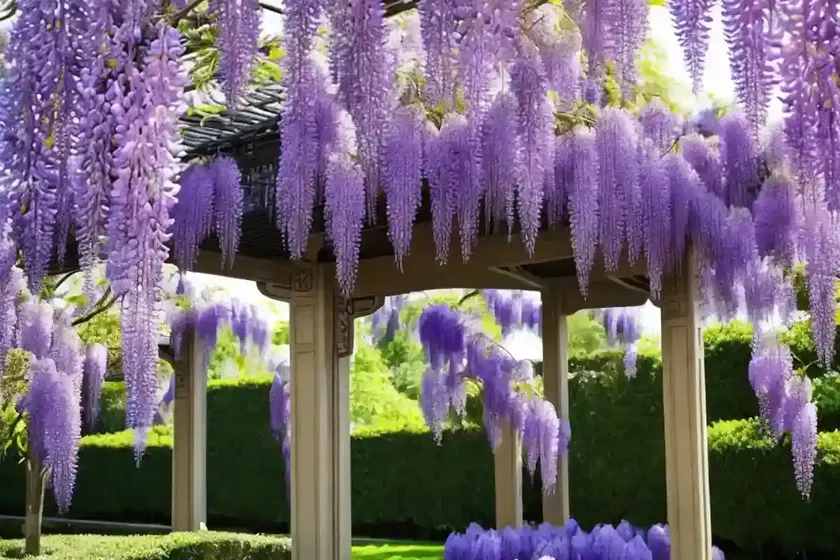
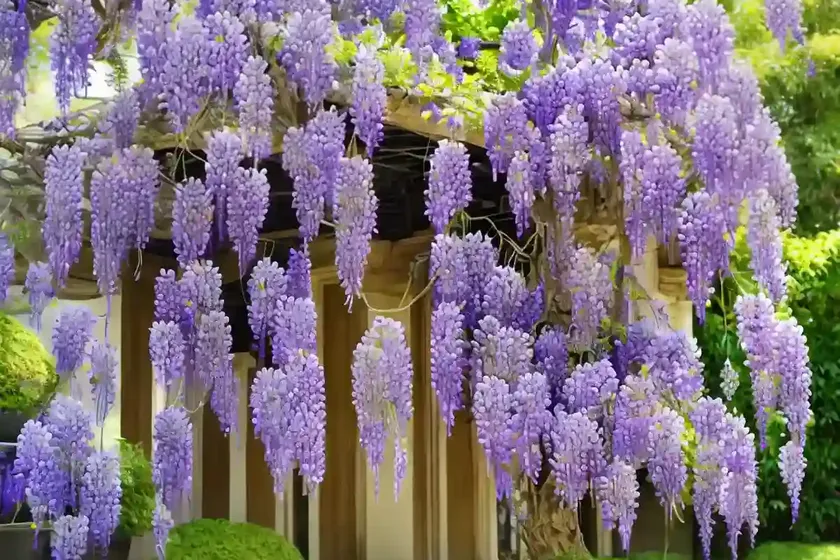
Chinese wisteria (Wisteria Sinensis) is a beautiful and vigorous vine that is native to China. It belongs to the Fabaceae family and is widely cultivated for its stunning display of cascading flowers. This woody, twining, deciduous vine is well-loved for its abundant clusters of fragrant, pea-like flowers that bloom in shades of purple, blue, and white. The plant’s lush foliage and elegant appearance make it a popular choice for adorning arbors, pergolas, and trellises in gardens and landscapes.
Chinese wisteria is cherished not only for its ornamental value but also for its cultural significance and medicinal uses. Its vigorous growth habit and climbing nature make it an ideal choice for creating vertical interest and providing shade in outdoor spaces.
In this comprehensive plant guide, we will delve into the various aspects of Chinese wisteria care, cultivation, uses, and maintenance. We will explore its cultural significance, growing requirements, landscape uses, common diseases and pests, and much more. Whether you are a seasoned gardener or a novice plant enthusiast, this guide will provide you with valuable insights into nurturing and enjoying the beauty of Chinese wisteria in your garden.
Key Takeaways – Chinese Wisteria (Wisteria Sinensis)
Before we delve into the details of Chinese wisteria care and cultivation, let’s take a quick look at the key takeaways for this enchanting plant.
- Scientific Name: Wisteria Sinensis
- Common Name: Chinese Wisteria
- Plant Type: Deciduous vine
- Flower Color: Purple, blue, white
- Foliage: Green, pinnate leaves
- Fragrance: Sweet, delightful scent
- Cultural Significance: Symbolizes longevity and immortality in Chinese culture
- Growth Habit: Climbing, twining vine
- Uses: Ornamental, shade provider, landscape beautification
- Hardiness Zones: 5-9
- Pruning: Annual pruning required for optimal flowering and shape control
- Propagation: Seeds, cuttings, layering
- Common Pests: Aphids, scale insects
- Common Diseases: Wisteria wilt, powdery mildew
Now, let’s explore the various aspects of Chinese wisteria in detail, including its cultural significance, growing requirements, landscape uses, and maintenance practices.
Culture
Chinese wisteria holds a significant place in Chinese culture, where it is revered for its symbolism of longevity and immortality. In traditional Chinese folklore and art, wisteria is often associated with grace, beauty, and endurance. The plant’s graceful and cascading flowers have inspired poets and artists for centuries, and its mesmerizing blooms continue to captivate garden enthusiasts worldwide.
The cultural significance and symbolism of Chinese wisteria add to its allure, making it a cherished plant with deep-rooted historical connotations. As you nurture and appreciate the beauty of Chinese wisteria in your garden, you are also embracing a rich cultural heritage that has been intertwined with the plant for generations.
Uses
Ornamental Beauty
One of the primary uses of Chinese wisteria is its ornamental value. The cascading clusters of fragrant flowers and lush green foliage make it a stunning addition to any garden or landscape. Whether trained to adorn arbors, pergolas, or trellises, or allowed to climb up trees or walls, the graceful beauty of Chinese wisteria adds a touch of elegance and charm to outdoor spaces.
Shade Provider
In addition to its visual appeal, Chinese wisteria also serves the practical purpose of providing shade. When grown over pergolas or arbor structures, it creates a cool and shaded retreat beneath its expansive canopy. This makes it an excellent choice for designing outdoor spaces where you can relax and unwind while being sheltered by the luxuriant foliage and dappled sunlight filtering through the blooms.
Water
Proper watering is essential for the healthy growth and blooming of Chinese wisteria. Although it is relatively drought-tolerant once established, consistent moisture is crucial, especially during the plant’s active growing season and flowering period. Here are some essential watering guidelines for Chinese wisteria:
- Established Plants: Water deeply once a week during dry spells, ensuring that the soil is moist but not waterlogged.
- Young Plants: Newly planted wisteria vines require regular watering to promote root establishment. Water them deeply two to three times a week, adjusting the frequency based on the soil moisture levels and weather conditions.
- Avoid Overwatering: While it is important to provide adequate moisture, it is equally crucial to avoid overwatering, as this can lead to root rot and other moisture-related issues.
Sunlight
Chinese wisteria thrives in full sun to partial shade, with a preference for at least 6-8 hours of direct sunlight each day. When selecting a planting location for wisteria, choose a spot that receives ample sunlight to ensure vigorous growth and abundant flowering. Here are some sunlight-related considerations for Chinese wisteria:
- Optimal Sun Exposure: Plant Chinese wisteria in a location that receives full morning sun and partial afternoon shade, especially in regions with hot summers.
- Shade Considerations: While wisteria enjoys full sun, it can also tolerate partial shade, particularly in warmer climates where some protection from intense afternoon sun can be beneficial.
- Shade for Roots: Providing a layer of mulch around the base of the vine can help maintain soil moisture and provide insulation for the roots, especially during extreme heat.
Fertilizer
Applying the right type and amount of fertilizer is crucial for promoting healthy growth and abundant flowering in Chinese wisteria. A balanced fertilizer with a higher phosphorus content can support prolific blooming and overall plant vigor. Here are some key points to consider when fertilizing Chinese wisteria:
- Fertilizing Schedule: Apply a balanced, slow-release fertilizer in early spring before the onset of new growth. You can also follow up with additional applications in late spring and early summer to support blooming.
- Phosphorus-rich Fertilizer: Opt for a fertilizer with a higher phosphorus (P) content to encourage prolific flowering. Phosphorus promotes strong root development and enhances flower bud formation.
- Avoid Excessive Nitrogen: While nitrogen is essential for plant growth, excessive nitrogen can lead to lush foliage at the expense of flowers. Choose a fertilizer with a lower nitrogen (N) content to prevent excessive vegetative growth at the cost of flowering.
Soil
Chinese wisteria thrives in well-drained, loamy soil with a slightly acidic to neutral pH. The ideal soil conditions support healthy root development and overall plant vigor. Here are some soil-related considerations for Chinese wisteria:
- Well-drained Soil: Ensure that the planting site has well-drained soil to prevent waterlogging, which can lead to root rot and other moisture-related issues.
- Soil pH: Chinese wisteria prefers a soil pH range of 6.0-7.0. You can perform a soil test to determine the pH of your soil and make amendments as needed to adjust the pH.
- Soil Enrichment: Incorporating organic matter such as compost or well-rotted manure into the soil during planting can enhance soil fertility and improve its texture and structure over time.
Pruning
Pruning is a vital aspect of Chinese wisteria care, as it promotes flowering, maintains an attractive shape, and prevents the vine from becoming overly aggressive. Proper pruning techniques can help you harness the beauty of wisteria while keeping its growth in check. Here are some pruning considerations for Chinese wisteria:
- Annual Pruning: Perform an annual pruning in late winter or early spring when the plant is dormant. This is the best time to shape the vine, remove dead or weak growth, and encourage prolific flowering.
- Pruning Techniques: Use sharp, clean pruners to remove excess growth, thin out crowded branches, and shape the vine. Encourage lateral branching to support abundant flowering.
- Training and Support: Prune and train the vine to follow the desired structure, such as an arbor, pergola, or trellis. Regular maintenance pruning can help control the size and shape of the plant to fit its support structure.
Propagation
Chinese wisteria can be propagated through several methods, including seeds, cuttings, and layering. Whether you want to expand your wisteria collection, share the plant with friends, or start new vines in different areas of your garden, propagation allows you to create additional plants from existing ones. Here are some propagation methods for Chinese wisteria:
-
Seeds: Collect mature seeds from the pods and sow them in well-draining potting mix in early spring. Germination may take some time, and the resultant seedlings may take a few years to reach maturity and produce flowers.
-
Cuttings: Take semi-hardwood cuttings in summer, dip the ends in rooting hormone, and place them in a rooting medium. With proper care and attention, the cuttings can develop roots and grow into new wisteria plants.
-
Layering: Encourage air-layering by bending a low-hanging stem to the ground, making a shallow wound on the underside, applying rooting hormone, and covering the area with soil. Once roots develop, you can separate the new plant from the parent and transplant it to a new location.
Container Popularity
While Chinese wisteria is commonly grown as a vine in gardens and landscapes, it can also thrive in containers, making it a popular choice for container gardening enthusiasts. Whether you have limited outdoor space or want to adorn patios, balconies, or terraces with its enchanting blooms, growing Chinese wisteria in containers allows you to enjoy its beauty in a confined setting.
Container-grown wisteria vines require regular maintenance to ensure proper growth, flowering, and overall health. Adequate support, watering, and fertilization are essential for nurturing wisteria in containers. While the plants may require repotting as they grow, the compact elegance and captivating flowers make them a delightful addition to outdoor living spaces.
Container Common Diseases
When growing Chinese wisteria in containers, it’s essential to be aware of potential diseases that can affect the plant. While proper care and maintenance can minimize the risk of diseases, certain issues may still arise. Here are some common diseases that container-grown wisteria may encounter:
-
Root Rot: Overwatering and poor drainage can lead to root rot, causing the plant’s roots to decay and affecting its overall health and vigor.
-
Powdery Mildew: This fungal disease can affect the foliage of wisteria, resulting in a powdery white or gray coating on the leaves. Proper air circulation and minimal humidity can help prevent powdery mildew.
-
Wilt Diseases: Various wilt diseases, including verticillium wilt, can affect wisteria and cause wilting, yellowing, and eventual decline of the plant. Proper watering practices and soil management can help minimize the risk of wilt diseases.
Disease Diagnosis
Diagnosing and addressing diseases affecting Chinese wisteria, whether in the garden or in containers, is essential for maintaining the health and vitality of the plant. Early detection and intervention can help prevent the spread of diseases and minimize their impact. Here are some key steps for diagnosing and managing common wisteria diseases:
-
Symptom Identification: Observe the plant for any unusual signs such as wilting, yellowing leaves, spots, or abnormal growth. Document the symptoms to aid in diagnosis.
-
Visual Inspection: Thoroughly inspect the leaves, stems, and flowers for any visual indicators of disease, including discoloration, deformities, or unusual growth patterns.
-
Resource Utilization: Leverage reputable gardening and horticultural resources to identify potential diseases and their associated symptoms. Reference books, online guides, and local extension services can provide valuable information.
-
Seek Expert Advice: If you are unsure about the nature of a disease affecting your wisteria, seek the expertise of a local horticulturist, plant pathologist, or certified arborist to obtain a professional diagnosis and treatment recommendations.
Common Pests
In addition to diseases, Chinese wisteria may also be vulnerable to certain pests that can affect its growth and overall vitality. Vigilance and proactive pest management practices can help protect the plant from pest infestations. Here are some common pests that may affect wisteria:
-
Aphids: These small, sap-sucking insects can cluster on the undersides of leaves and young stems, causing leaf distortion and honeydew secretion. Regular monitoring and the use of natural predators can help control aphid populations.
-
Scale Insects: Scale insects can infest wisteria, forming hard or soft scales on the stems and leaves. These pests can weaken the plant and lead to stunted growth. Horticultural oils or insecticidal soaps can help manage scale infestations.
Botanist’s Tips
As a botanist, I have spent years studying and appreciating the wondrous world of plants, and I am delighted to share some valuable tips for successfully cultivating and enjoying Chinese wisteria. Here are my top tips for nurturing this enchanting vine:
-
Pruning for Optimal Blooming: Regular pruning is essential for promoting abundant blooms. Focus on removing excess growth and training the vine to encourage lateral branching and flower bud development.
-
Support and Structure: Provide sturdy support for the wisteria vine to climb and sprawl. Whether you are growing it on a trellis, pergola, or arbor, ensure that the structure can accommodate the vine’s vigorous growth and weight.
-
Pollination Assistance: In some cases, hand pollination may be necessary to ensure optimal seed development and subsequent germination. Gently transferring pollen between flowers can aid in fruit and seed set.
-
Regular Maintenance: Consistent care and maintenance are key to the long-term health and beauty of Chinese wisteria. Regular watering, fertilizing, and monitoring for pests and diseases are essential for the plant’s well-being.
-
Cultural Appreciation: Embrace the rich cultural significance of Chinese wisteria and reflect on its historical background and symbolism while nurturing the plant in your garden.
Fun Facts
To further deepen your appreciation for Chinese wisteria, here are some intriguing and delightful fun facts about this captivating vine:
-
Landscape Inspiration: Chinese wisteria has inspired countless garden designs and landscape compositions, with its graceful form and mesmerizing blooms serving as a centerpiece in many outdoor settings.
-
Wildlife Attraction: The abundant flowers of wisteria are not only a visual delight for humans but also a source of nectar for pollinators such as bees, butterflies, and hummingbirds, adding to the biodiversity of gardens.
-
Medicinal Uses: In traditional Chinese medicine, wisteria has been used to prepare herbal remedies for various ailments, showcasing its historical significance beyond its ornamental value.
-
Symbol of Beauty: Wisteria’s enchanting blooms have inspired poets, artists, and storytellers across cultures, symbolizing beauty, grace, and the ephemeral nature of life in various artistic expressions.
-
Invasive Potential: While Chinese wisteria is beloved for its beauty, it has also gained notoriety for its invasive potential in certain regions, where it can outcompete native species and disrupt ecosystems.
Links to External Resources
For further exploration of Chinese wisteria care, cultivation, and diverse aspects of its significance, I recommend diving into the following external resources:
- Wisteria Sinensis Cultivation and Care Tips
- Chinese Wisteria Pruning Techniques
- Wisteria Sinensis Propagation Methods
- Chinese Wisteria Uses in Garden Design
- Wisteria Sinensis Medicinal and Cultural Significance
With these resources, you can further your knowledge and appreciation of Chinese wisteria, deepen your understanding of its care requirements, and explore its multifaceted significance in horticulture, art, and cultural traditions.
In conclusion, the timeless allure of Chinese wisteria, with its captivating beauty, cultural significance, and diverse uses, continues to enchant garden enthusiasts and cultural connoisseurs alike. By understanding the plant’s growing requirements, maintenance practices, and historical background, you can cultivate a deeper connection with this extraordinary vine and relish its splendor in your garden or landscape.
So, whether you are captivated by the cascading blooms, drawn to the storied legends surrounding the plant, or simply appreciate its ornamental value, Chinese wisteria stands as a symbol of enduring beauty and cultural resonance, weaving a timeless tale of grace and immortality through its enchanting presence.
I hope you enjoyed this comprehensive plant guide on Chinese Wisteria (Wisteria Sinensis) and found valuable insights and inspiration for nurturing this remarkable vine in your own garden. If you have any further queries or wish to delve into specific aspects of Chinese wisteria care and cultivation, feel free to reach out. Happy gardening!
Disclaimer: The information provided in this plant guide is for educational purposes only. It is not intended as a substitute for professional horticultural or botanical advice. Always consult with a qualified horticulturist or expert for specific plant care and maintenance recommendations.