Chinese Water Bamboo (Dracaena Sanderiana)
Plants play a vital role in our lives, adding beauty and tranquility to our surroundings and providing numerous health benefits. One such plant that has.
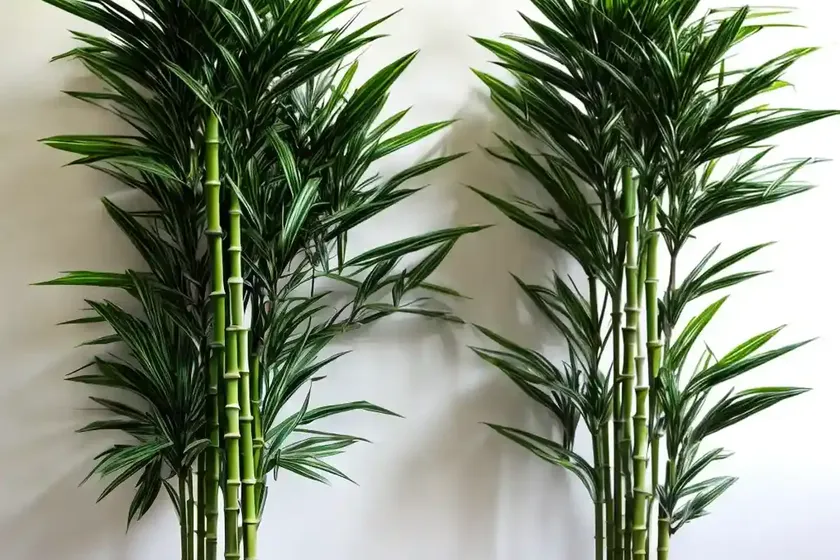
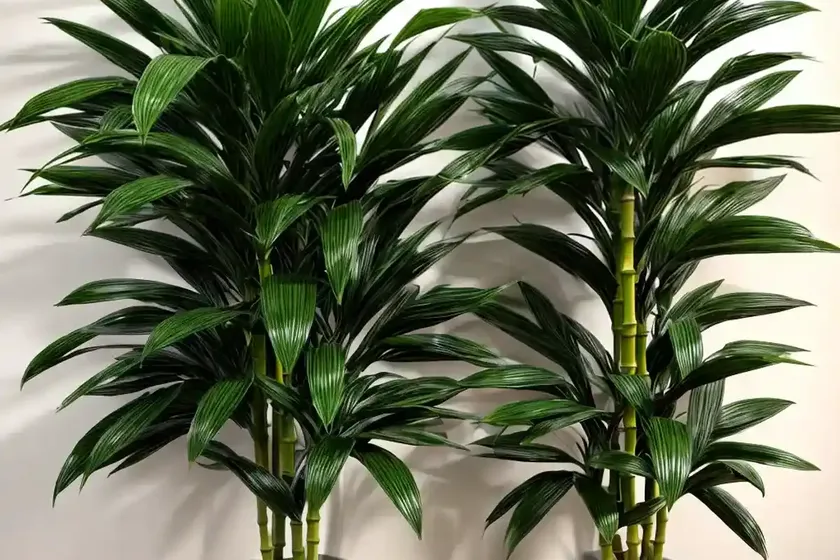
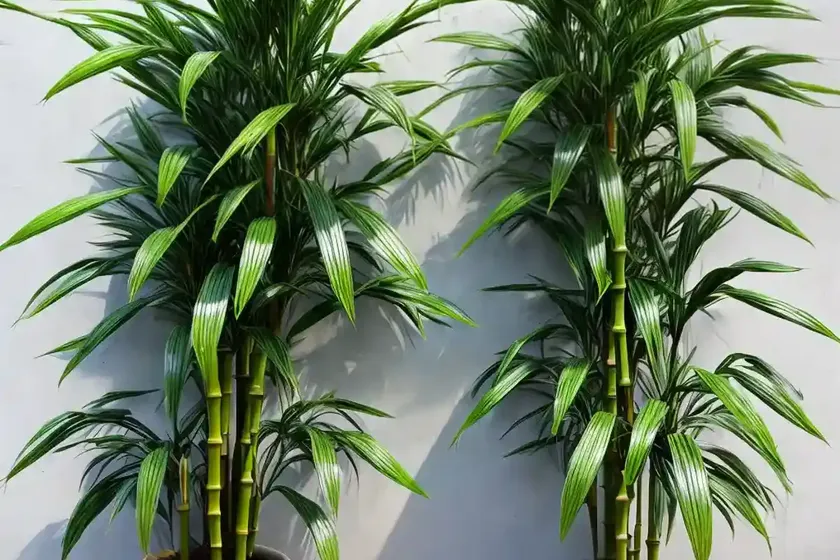
Plants play a vital role in our lives, adding beauty and tranquility to our surroundings and providing numerous health benefits. One such plant that has gained popularity for its aesthetic appeal and air-purifying properties is the Chinese Water Bamboo, scientifically known as Dracaena sanderiana. In this comprehensive guide, we will delve into the intricacies of this fascinating plant, covering its cultural significance, uses, care requirements, propagation methods, and much more.
What is Chinese Water Bamboo (Dracaena sanderiana)?
Chinese Water Bamboo, often referred to as Lucky Bamboo, Sander’s Dracaena, Ribbon Plant, or Friendship Bamboo, is a member of the family Asparagaceae. Despite its common names, it is not actually bamboo but rather a type of perennial, evergreen plant. Originating from the tropical rainforests of West Africa, this plant has become widely popular as a decorative and symbolic plant in many parts of the world, especially in East and Southeast Asia.
The plant’s striking appearance and low-maintenance nature have made it a preferred choice for both indoor and outdoor settings. Its unique, slender stalks and vibrant green foliage make it a popular choice for office spaces, homes, and even aquariums.
Key Takeaways – Chinese Water Bamboo (Dracaena sanderiana)
Before delving into the specifics of caring for Chinese Water Bamboo, let’s explore some key takeaways about this fascinating plant. Understanding its cultural significance, various uses, and essential care requirements will provide a comprehensive insight into the world of Dracaena sanderiana.
Culture
- Cultural Significance: Chinese Water Bamboo holds significant cultural and symbolic value, especially in Asian cultures. It is often associated with luck, prosperity, and positive energy, making it a popular gift and decorative item.
- Symbolism: This plant is believed to bring good fortune and prosperity, particularly when placed in specific areas according to Feng Shui principles. Its unique growth patterns and vibrant green color make it a symbol of growth and vitality.
Uses
- Decorative Ornament: Chinese Water Bamboo is widely used as a decorative ornament in homes, offices, and public spaces. Its sleek, minimalist appearance and resilient nature make it an ideal choice for various settings.
- Air-Purifying Properties: The plant is known for its air-purifying qualities, helping to improve indoor air quality by removing common pollutants and toxins.
Water
- Water Requirements: Chinese Water Bamboo is an aquatic plant, and its water requirements are unique. It thrives when grown in water, and maintaining the right water level is crucial for its health and growth.
- Watering Techniques: Understanding the correct way to water this plant is essential for its well-being and longevity.
Sunlight
- Light Needs: Despite its name, Chinese Water Bamboo does not require direct sunlight and can thrive in low to moderate light conditions. Understanding its light preferences is essential for maintaining its health and vibrant appearance.
Fertilizer
- Fertilizing Tips: Providing the right nutrients to Chinese Water Bamboo is essential for its growth and vitality. Understanding the appropriate fertilizer and feeding schedule is crucial for its well-being.
Soil
- Soil Requirements: While the plant is commonly grown in water, it can also thrive in well-draining, nutrient-rich soil if planted in a container. Understanding its soil preferences is important for container gardening enthusiasts.
Pruning
- Pruning Techniques: Proper pruning helps maintain the plant’s shape and promotes healthy growth. Learning the correct pruning techniques for Chinese Water Bamboo is important for its overall appearance.
Propagation
- Propagation Methods: Understanding the various methods of propagating Chinese Water Bamboo allows plant enthusiasts to expand their collection and share this unique plant with others.
Container
- Container Gardening: Chinese Water Bamboo can thrive in containers, adding a touch of greenery to indoor and outdoor spaces. Choosing the right container and understanding its requirements are essential for successful container gardening.
Popularity
- Global Popularity: The plant’s popularity extends across different cultures and regions, making it a beloved choice for plant enthusiasts and those seeking elegant and low-maintenance greenery.
Common Diseases
- Disease Prevention: Chinese Water Bamboo is relatively resistant to diseases, but understanding potential issues and preventive measures is important for maintaining its health.
Disease Diagnosis
- Identifying Issues: Being able to recognize common diseases and ailments that may affect Chinese Water Bamboo is crucial for prompt intervention and treatment.
Common Pests
- Pest Control: While relatively pest-resistant, the plant may still be susceptible to certain pests. Learning about common pests and effective control measures is essential for its protection.
Botanist’s Tips
- Expert Insights: Leveraging the expertise of botanists and plant care specialists can provide valuable tips and guidance for the successful cultivation of Chinese Water Bamboo.
Fun Facts
- Intriguing Trivia: Exploring fun and fascinating facts about Chinese Water Bamboo adds an extra dimension to the plant’s allure and charm.
Links to External Resources
- Further Reading: Providing links to external resources allows readers to explore additional information and gain a deeper understanding of Chinese Water Bamboo.
Now that we’ve outlined the key aspects of Chinese Water Bamboo, let’s delve into each of these topics in detail to gain a comprehensive understanding of this remarkable plant.
Chinese Water Bamboo Care
Caring for Chinese Water Bamboo requires a combination of knowledge about its natural habitat, growth habits, and specific care requirements. This section will cover all aspects of caring for Dracaena sanderiana, including water, sunlight, fertilizer, soil, pruning, propagation, and more.
Dracaena sanderiana Plant
Before diving into the care guidelines, let’s take a closer look at the characteristics of Dracaena sanderiana. Understanding the plant’s natural attributes and growth patterns is essential for providing it with the best possible care.
Characteristics
- Stalks: Chinese Water Bamboo features slender stalks that can range in height from a few inches to several feet, depending on the cultivar and growing conditions.
- Foliage: The plant’s vibrant green leaves are arranged in an alternating pattern along the length of its stalks, creating a visually appealing display.
- Variegated Varieties: In addition to the classic green variety, Dracaena sanderiana is available in variegated forms, with leaves showcasing striking patterns of white or yellow variegation.
Health Benefits
In addition to its aesthetic appeal, Chinese Water Bamboo offers several health benefits, particularly its air-purifying properties. These benefits make it a valuable addition to indoor environments, supporting overall well-being and indoor air quality improvement.
Air-Purifying Properties
- Toxin Removal: Chinese Water Bamboo has been found to effectively remove common indoor pollutants such as formaldehyde, benzene, and trichloroethylene, contributing to cleaner and healthier indoor air.
Mental Health Benefits
- Stress Relief: The presence of greenery, particularly low-maintenance and visually appealing plants like Dracaena sanderiana, has been linked to reduced stress and improved mental well-being.
Importance in Asian Culture
- Symbolic Significance: Chinese Water Bamboo holds a special place in Asian cultures, where it is often associated with luck, prosperity, and positive energy. Understanding its cultural significance adds depth to its appeal.
How to Grow Chinese Water Bamboo
Understanding the specific requirements for growing Chinese Water Bamboo is essential for providing it with the right environment for optimal growth. From choosing the right container to providing an appropriate growing medium, here are the key guidelines for growing Dracaena sanderiana.
Sunlight Needs
Chinese Water Bamboo exhibits unique light preferences, making it adaptable to a range of light conditions. Understanding its sunlight needs is crucial for its overall health and appearance.
Sunlight Requirements
- Low to Moderate Light: Chinese Water Bamboo thrives in low to moderate light conditions, making it suitable for indoor settings with limited natural light.
Indoor Light Considerations
- Indirect Light: Position the plant in an area with indirect sunlight, avoiding direct exposure to harsh, midday sun.
Watering Requirements
As an aquatic plant, Chinese Water Bamboo has specific water requirements that differ from traditional soil-bound plants. Understanding its watering needs is fundamental for its well-being.
Water Management
- Growing in Water: When grown in water, ensure that the roots are submerged in water at all times, changing the water every two to four weeks to prevent stagnation and the buildup of algae.
Container Soil Considerations
- Potted Plants: If planting Chinese Water Bamboo in soil, maintain consistently moist, well-draining soil to mimic its natural habitat while avoiding waterlogging.
Fertilizing Tips
Providing the right nutrients to Chinese Water Bamboo is essential for supporting its growth and overall health. Understanding its fertilizer requirements and feeding schedule is vital for successful cultivation.
Feeding Frequency
- Sparse Feeding: Chinese Water Bamboo requires minimal fertilization, typically once every two to three months during the growing season using a balanced, liquid houseplant fertilizer.
Aquatic Plant Fertilization
- Special Considerations: When growing in water, use a diluted liquid fertilizer and avoid over-fertilization, which can lead to the accumulation of salts and adverse effects on the plant.
Chinese Water Bamboo Characteristics
Understanding the unique characteristics of Chinese Water Bamboo is essential for appreciating its distinct growth habits, visual appeal, and resilience. Here, we’ll explore the plant’s growth rate, foliage colors, and stress tolerance.
Growth Rate
- Moderate Growth: Chinese Water Bamboo exhibits a moderate growth rate, with new shoots gradually emerging and adding to its visual appeal over time.
Foliage Colors
- Varied Leaf Colors: While the classic variety features vibrant green leaves, variegated forms add an extra layer of visual interest with white or yellow variegation patterns.
Stress Tolerance
- Resilience: Chinese Water Bamboo is known for its stress tolerance, making it well-suited for environments with fluctuating light and temperature conditions.
Chinese Water Bamboo Uses
Chinese Water Bamboo serves various practical and decorative purposes, making it a versatile addition to both indoor and outdoor settings. Understanding its decorative uses, air-purifying properties, and symbolic significance provides a well-rounded perspective on the plant’s value.
Decorative Ornament
- Aesthetic Appeal: Chinese Water Bamboo’s sleek, minimalist appearance makes it a popular choice for enhancing the visual appeal of interiors and outdoor spaces.
Air-Purifying Properties
- Indoor Air Quality Improvement: The plant’s ability to remove common indoor pollutants contributes to a cleaner, healthier indoor environment.
Symbolism
- Cultural Significance: In addition to its practical uses, Chinese Water Bamboo holds symbolic significance, particularly in Asian cultures, where it is associated with luck, prosperity, and positive energy.
Chinese Water Bamboo Propagation
Expanding your collection of Chinese Water Bamboo or sharing this unique plant with others can be achieved through various propagation methods. Understanding how to propagate Dracaena sanderiana ensures that you can maintain a thriving and diverse collection of these plants.
Propagation Methods
-
Water Propagation: One of the most common methods involves placing cuttings or offshoots in water to encourage root development before transplanting them into growing medium.
-
Division: Mature clumps of Chinese Water Bamboo can be divided into smaller sections, each with established roots, to create new plants.
Growing Dracaena sanderiana Indoors
Chinese Water Bamboo is well-suited for indoor cultivation, thriving in the controlled environment of homes and offices. Understanding its indoor growing requirements allows plant enthusiasts to create an optimal environment for the plant’s health and vibrancy.
Indoor Care Considerations
-
Temperature: Maintain a consistent indoor temperature, ideally ranging between 65-90°F (18-32°C), to support the plant’s growth.
-
Low Light Tolerance: Select an appropriate location with low to moderate light conditions, avoiding direct exposure to harsh sunlight.
Chinese Water Bamboo Varieties
In addition to the classic green variety, Chinese Water Bamboo is available in variegated forms, offering a diverse array of visual and aesthetic options for plant enthusiasts. Understanding the different varieties allows for customization and creativity in plant arrangements.
Variegated Varieties
- Visual Appeal: Variegated forms of Chinese Water Bamboo feature striking patterns of white or yellow variegation, adding a unique touch to indoor and outdoor plant displays.
Dracaena sanderiana Plant Care Tips
Leveraging expert tips and insights from botanists and experienced plant enthusiasts can provide valuable guidance for caring for Chinese Water Bamboo. These tips cover a range of topics, from maintaining healthy growth to preventing common plant care mistakes.
Expert Insights
-
Water Management: Understanding the subtleties of water management, such as changing the water regularly and avoiding stagnation, is crucial for successful cultivation.
-
Light Considerations: Expert recommendations on finding the right balance of light and shade for optimal growth and appearance.
Chinese Water Bamboo for Beginners
For those new to plant care, Chinese Water Bamboo offers an excellent introduction to cultivating indoor greenery. Its low-maintenance nature and adaptability make it a beginner-friendly plant choice.
Beginner Tips
- Easy Care Requirements: The plant’s minimal water and light requirements, alongside its resilience, make it an ideal choice for beginners venturing into plant care.
Chinese Water Bamboo Watering Requirements
Understanding the specific watering needs of Chinese Water Bamboo, particularly when grown in water, is crucial for maintaining its health and vibrant appearance.
Watering Guidelines
- Water Level Maintenance: Keep the plant’s roots consistently submerged in water, ensuring that the water level is maintained above the root system to support healthy growth.
Chinese Water Bamboo in Feng Shui
In Feng Shui practice, certain plants are believed to attract positive energy and promote harmonious environments. Chinese Water Bamboo holds particular significance in Feng Shui, making it a popular choice for those seeking to enhance the energy within their living or working spaces.
Feng Shui Principles
- Placement Considerations: Following Feng Shui guidelines for plant placement can enhance the flow of positive energy and foster a sense of balance and harmony within a space.
Dracaena sanderiana Potting Soil
While Chinese Water Bamboo is commonly grown in water, it can also thrive in well-draining, nutrient-rich soil if planted in a container. Understanding its soil preferences is essential for successful container gardening.
Container Soil Considerations
- Moisture Retention: Use a well-draining potting mix that retains moisture while preventing waterlogging, creating an environment similar to the plant’s natural habitat.
Chinese Water Bamboo Pruning Techniques
Regular pruning helps maintain the plant’s shape and promotes healthy growth, ensuring that it remains visually appealing and vibrant. Proper pruning techniques are essential for the overall appearance of Chinese Water Bamboo.
Pruning Guidelines
- Removing Dead or Yellowing Leaves: Regularly remove any dead or yellowing leaves to maintain the plant’s visual appeal and encourage new growth.
Dracaena sanderiana Natural Habitat
Chinese Water Bamboo is native to the tropical rainforests of West Africa, where it thrives in the lush, humid environment typical of its natural habitat. Understanding its origins provides valuable insight into its care requirements.
Native Environment
- Tropical Conditions: The plant’s natural habitat features high humidity and consistently warm temperatures, influencing its care needs when cultivated in different environments.
Chinese Water Bamboo Sunlight Needs
Chinese Water Bamboo showcases unique light preferences, making it adaptable to a range of light conditions. Understanding its sunlight needs is essential for supporting its overall health and appearance.
Light Considerations
- Low to Moderate Light: The plant thrives in low to moderate light conditions, making it suitable for indoor settings with limited natural light.
Dracaena sanderiana Pests and Diseases
While generally resilient, Chinese Water Bamboo may still be susceptible to certain pests and diseases. Understanding common issues and effective control measures is essential for its protection.
Common Problems
-
Pest Control: Implement preventive measures and natural pest control solutions to protect Chinese Water Bamboo from potential infestations.
-
Disease Prevention: Regular monitoring and proper care practices can prevent common diseases and ailments that may affect the plant.
Chinese Water Bamboo Decorative Uses
In addition to its natural beauty, Chinese Water Bamboo is valued for its decorative appeal, making it a popular choice for enhancing various indoor and outdoor settings.
Ornamental Value
- Design Element: The plant’s sleek, modern appearance and vibrant green foliage make it an attractive addition to interior and exterior design arrangements.
Dracaena sanderiana Propagation Methods
Understanding the various methods of propagating Chinese Water Bamboo allows plant enthusiasts to expand their collection and share this unique plant with others.
Propagation Techniques
-
Division: Successfully dividing mature clumps of Chinese Water Bamboo creates new plants and promotes continued growth.
-
Water Propagation: Allowing cuttings or offshoots to develop roots in water before transplanting them into growing medium is a common propagation method.
Chinese Water Bamboo Benefits for Home Decor
Chinese Water Bamboo offers numerous benefits as a decorative element for homes, bringing both aesthetic appeal and symbolism to interior spaces.
Decorative Significance
- Visual Appeal: The plant’s elegantly arched stalks and lush green foliage provide a visually striking and versatile ornamental option for various home decor themes.
Dracaena sanderiana Growth Habits
Understanding the unique growth habits and patterns of Chinese Water Bamboo supports informed care practices and promotes the plant’s optimal health and appearance.
Growth Patterns
- Shoot Development: Chinese Water Bamboo displays gradual growth, with new shoots emerging over time, adding to its visual appeal.
Chinese Water Bamboo Indoor Plant Care
For plant enthusiasts looking to cultivate Chinese Water Bamboo indoors, understanding its specific care requirements is essential for creating an optimal environment for healthy growth.
Indoor Environment
- Temperature Control: Maintaining a suitable indoor temperature and humidity level supports the plant’s overall health and vitality.
Dracaena sanderiana Temperature Requirements
Chinese Water Bamboo thrives in warm, tropical temperatures, making it essential to replicate these conditions when cultivating the plant in different environments.
Temperature Considerations
- Ideal Range: Keeping the plant within a temperature range of 65-90°F (18-32°C) supports its growth and resilience.
Chinese Water Bamboo as a Lucky Plant
In various cultures, Chinese Water Bamboo is considered a symbol of luck, prosperity, and positive energy. Understanding its significance as a lucky plant adds an extra dimension to its allure.
Symbolism
- Cultural Significance: The plant is often associated with good fortune and prosperity, making it a popular gift and decorative item, particularly in Asian cultures.
Dracaena sanderiana Soil Requirements
While Chinese Water Bamboo is commonly grown in water, understanding its soil preferences is important for maintaining healthy growth when planted in containers.
Container Gardening
- Growing in Soil: Providing well-draining, nutrient-rich soil supports healthy root development and growth for Chinese Water Bamboo.
Chinese Water Bamboo in Aquariums
Chinese Water Bamboo can be cultivated in aquarium settings, adding a touch of greenery and visual interest to underwater environments. Understanding its care in aquatic settings is essential for successful cultivation.
Aquatic Environments
- Adaptation to Water: Chinese Water Bamboo thrives when grown in water, making it well-suited for enhancing the aesthetic appeal of aquariums and aquatic displays.
Dracaena sanderiana Water Requirements
As an aquatic plant, Chinese Water Bamboo has specific water requirements that differ from traditional soil-bound plants, making it essential to understand its watering needs for successful cultivation.
Water Management
- Submerged Roots: Ensuring that the roots remain submerged in water supports the