Chinese Sweet Plum (Sageretia Theezans)
Plant Name: Chinese Sweet Plum (Sageretia theezans)
Plant Name: Chinese Sweet Plum (Sageretia theezans)
Plants are an essential part of our daily lives, playing a crucial role in the environment, agriculture, and economy. They provide us with food, medicine, and raw materials for various applications. Additionally, plants contribute to the aesthetic appeal of our surroundings. In this comprehensive guide, we delve into the world of the Chinese Sweet Plum, scientifically known as Sageretia theezans. We will explore its characteristics, cultivation, care tips, and much more.
What is the Chinese Sweet Plum (Sageretia theezans)?
The Chinese Sweet Plum, scientifically known as Sageretia theezans, is a species of flowering plant in the family Rhamnaceae. Originating from Southeast Asia, particularly in regions such as China, India, and Indonesia, it is valued for its ornamental appearance, small fruits, and use in bonsai cultivation.
Key Takeaways
- Common Name: Chinese Sweet Plum
- Scientific Name: Sageretia theezans
- Family: Rhamnaceae
- Origin: Southeast Asia
- Uses: Ornamental, Bonsai, Traditional Medicine
The Chinese Sweet Plum possesses various attributes that make it a popular choice among plant enthusiasts. From its cultural significance to its versatility in different growing conditions, this plant has captured the interest of many. In the following sections, we will delve into the culture, uses, and optimal growing conditions for this intriguing species.
Culture
In understanding the culture of the Chinese Sweet Plum, it is essential to appreciate its historical and contemporary significance. From its traditional uses in various cultures to its symbolism in art and literature, the plant holds a unique place in human society.
Traditional Uses
The Chinese Sweet Plum has been traditionally valued for its medicinal properties. In traditional Chinese medicine, the plant is used in various remedies, particularly for its purported health benefits in treating ailments and promoting wellness. Its leaves, bark, and fruits have been utilized in herbal preparations, showcasing the plant’s versatility and cultural importance.
Furthermore, the Chinese Sweet Plum has historical significance in Southeast Asian cultures, where it is often depicted in art, literature, and religious symbolism. Its delicate flowers and small, flavorful fruits have been celebrated in various traditions, contributing to its enduring popularity.
Contemporary Significance
In contemporary society, the Chinese Sweet Plum continues to be revered for its ornamental appeal and the art of bonsai cultivation. Its compact size, glossy foliage, and small berries make it an ideal candidate for bonsai enthusiasts seeking to create elegant miniature landscapes.
Moreover, its adaptability to indoor and outdoor environments further adds to its contemporary relevance. Whether as a potted plant in a home garden or as a decorative feature in public spaces, the Chinese Sweet Plum remains a beloved botanical specimen.
Uses
The uses of the Chinese Sweet Plum are diverse, encompassing ornamental, culinary, and medicinal applications. Understanding the various ways in which this plant can be utilized provides valuable insights into its significance and potential benefits.
Ornamental Appeal
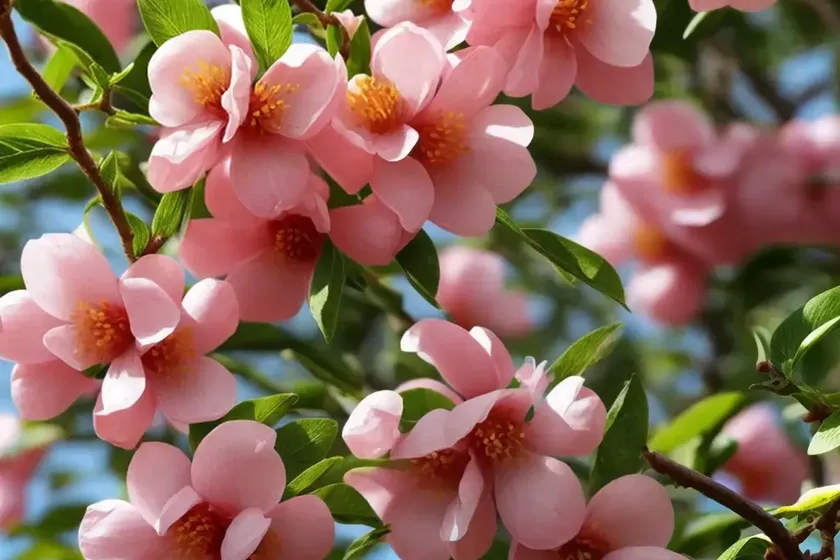
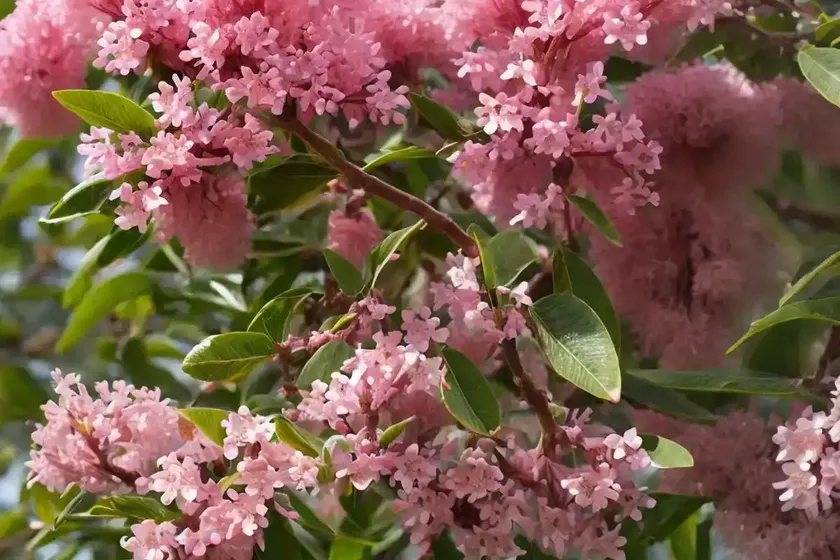
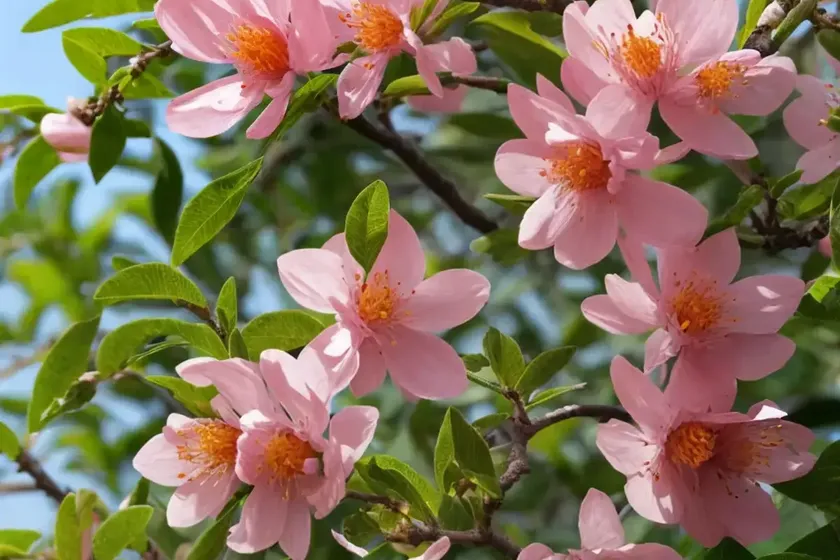
The Chinese Sweet Plum is highly valued for its ornamental qualities, making it a popular choice for landscaping, gardens, and indoor decor. Its small, glossy leaves and delicate white flowers contribute to its visual appeal, adding a touch of elegance to any environment.
Furthermore, the plant’s ability to be shaped and pruned into different forms makes it an ideal candidate for bonsai cultivation. Bonsai enthusiasts appreciate the Chinese Sweet Plum for its graceful aesthetics and the artistic expression it offers through the ancient practice of cultivating miniature trees.
Culinary Use
While the Chinese Sweet Plum is primarily grown for its ornamental and medicinal purposes, its small, sweet fruits can also be consumed. The berries, when ripe, are known for their mild sweetness and are often used in jams, preserves, and various culinary creations.
Medicinal Properties
In traditional medicine, the Chinese Sweet Plum has been attributed with various health benefits due to its purported medicinal properties. From its leaves to its fruits, the plant is believed to possess therapeutic qualities that have been utilized in herbal remedies and traditional healing practices.
The utilization of the Chinese Sweet Plum in traditional medicine underscores its cultural significance and the enduring belief in its potential health benefits.
Water
Understanding the water requirements of the Chinese Sweet Plum is essential in maintaining its health and vitality. Proper watering practices contribute to the plant’s growth, flowering, and fruiting capabilities.
Watering Needs
The Chinese Sweet Plum thrives in well-draining soil that retains moisture without becoming waterlogged. When it comes to watering, it is important to ensure that the soil is consistently moist but not saturated. During the growing season, regular watering is necessary to support the plant’s vegetative growth and fruit development.
As with many plants, it is crucial to consider the environmental conditions and seasonal variations when determining the watering schedule for the Chinese Sweet Plum. Factors such as humidity, temperature, and sunlight exposure can impact the plant’s water requirements.
In indoor environments, it is advisable to monitor the soil moisture regularly, particularly during the winter months when indoor humidity levels can fluctuate. Adjusting the watering frequency to accommodate these environmental changes will contribute to the overall health of the Chinese Sweet Plum.
Sunlight
Sunlight is a vital element in the growth and development of plants, and the Chinese Sweet Plum is no exception. Understanding its sunlight requirements is crucial in providing optimal growing conditions for this species.
Sunlight Exposure
The Chinese Sweet Plum thrives in bright, indirect sunlight. It benefits from being placed in locations that receive ample natural light throughout the day, but without direct exposure to intense midday sun, which can lead to leaf burn and decreased overall plant health.
In indoor environments, positioning the plant near windows or in well-lit areas can provide the necessary light for healthy growth. However, it is important to monitor the plant for any signs of light deficiency or excess, and to adjust its placement as needed to ensure balanced sunlight exposure.
Fertilizer
Fertilization plays a crucial role in providing essential nutrients to plants, contributing to their overall growth, vigor, and reproductive capacity. Understanding the fertilizer requirements of the Chinese Sweet Plum is essential in promoting its health and productivity.
Fertilizer Application
The Chinese Sweet Plum benefits from regular fertilization during the growing season to support its vegetative growth and fruit production. A balanced, water-soluble fertilizer formulated for flowering and fruiting plants can provide the necessary nutrients for the plant’s development.
When applying fertilizer, it is important to follow the manufacturer’s instructions regarding the application rate and frequency. Over-fertilization can lead to nutrient imbalances and potential damage to the plant, while under-fertilization may result in stunted growth and reduced flowering.
Furthermore, organic fertilizers can be beneficial in providing a slow-release source of nutrients and in improving the overall soil structure, contributing to the long-term health of the Chinese Sweet Plum.
Soil
The soil composition and quality play a significant role in the overall well-being of plants. Understanding the soil requirements of the Chinese Sweet Plum is crucial in establishing an optimal growing environment for this species.
Soil Type
The Chinese Sweet Plum thrives in well-draining, slightly acidic soil with good fertility. A loamy soil mix that retains moisture without becoming waterlogged is ideal for promoting healthy root growth and overall plant vigor.
Ensure the soil has good aeration to prevent water stagnation around the roots, as excessive moisture can lead to root rot and other detrimental conditions. Incorporating organic matter such as compost or peat moss can improve soil structure and fertility, providing a conducive environment for the Chinese Sweet Plum’s growth.
pH Requirements
Maintaining a slightly acidic soil pH in the range of 6.0 to 6.5 is optimal for the Chinese Sweet Plum. This pH range facilitates the plant’s uptake of essential nutrients and minimizes the risk of nutrient deficiencies or imbalances.
Regular monitoring of the soil pH through testing can help in making adjustments to ensure that the growing medium remains within the preferred range for the Chinese Sweet Plum’s optimal growth and development.
Pruning
Pruning is an essential aspect of plant care, contributing to the overall health, aesthetics, and productivity of the Chinese Sweet Plum. Understanding the pruning techniques and best practices for this species is crucial in maintaining its desired form and promoting robust growth.
Pruning Techniques
The Chinese Sweet Plum benefits from regular pruning to shape its growth, remove dead or diseased branches, and encourage the development of dense foliage. Pruning can also aid in bonsai cultivation, where the plant is carefully shaped and trained to achieve artistic forms.
When pruning the Chinese Sweet Plum, it is important to use sharp, clean pruning tools to make precise cuts and minimize damage to the plant. Removing any crowded or crossing branches can improve air circulation and light penetration, leading to healthier growth and reduced risk of disease.
Additionally, pruning can stimulate new growth and encourage the plant to produce more flowers and fruits, enhancing its ornamental and decorative appeal.
Propagation
The propagation of the Chinese Sweet Plum offers the opportunity to multiply this beloved species and expand its presence in various environments. Understanding the methods of propagation is valuable in maintaining and sharing the genetic diversity of the plant.
Propagation Methods
The Chinese Sweet Plum can be propagated through various methods such as seeds, cuttings, and air layering. Each method offers its advantages and considerations, providing flexibility in propagating the plant to suit different growing conditions and preferences.
Seed Propagation: Propagating from seeds can be a straightforward method, particularly for conserving genetic diversity and producing new plants. However, it may take longer for seed-grown plants to reach maturity and produce fruits.
Cutting Propagation: Propagating from cuttings offers the advantage of producing genetically identical clones of the parent plant. This method can be particularly useful for maintaining specific traits or creating uniform plantings.
Air Layering: Air layering is a method that allows the Chinese Sweet Plum to develop roots while still attached to the parent plant, facilitating the creation of new individual plants. This technique can be effective for plants that may be challenging to propagate through traditional methods.
Each propagation method offers unique advantages and considerations, providing plant enthusiasts with the opportunity to expand and share the beauty of the Chinese Sweet Plum.
Container Popularity
The Chinese Sweet Plum’s adaptability to container cultivation makes it a popular choice for indoor and outdoor decoration, adding a touch of elegance to any space. Understanding its requirements for container growth is essential in providing an optimal environment for this species.
Indoor Container Cultivation
In indoor environments, the Chinese Sweet Plum thrives when provided with bright, indirect sunlight and consistent temperatures. Selecting a well-draining, nutrient-rich potting mix is crucial for promoting healthy root development and overall plant vigor.
Ensure that the container has adequate drainage holes to prevent waterlogging, as stagnant water can lead to root rot and other detrimental conditions. Additionally, regular monitoring of soil moisture and proper watering practices contribute to the overall well-being of the Chinese Sweet Plum in a container.
Outdoor Container Cultivation
When cultivating the Chinese Sweet Plum in outdoor containers, consider the climate and environmental conditions to provide the optimal growing environment for the plant. Position the containers in locations that receive ample natural light, but with protection from intense midday sun to prevent leaf burn.
Selecting high-quality, spacious containers with sufficient room for root development is crucial for supporting the plant’s growth and stability. Regular maintenance, including pruning, fertilization, and repotting as needed, contributes to the long-term health and vitality of the Chinese Sweet Plum in outdoor containers.
Common Diseases
Understanding the common diseases that can affect the Chinese Sweet Plum is crucial in implementing preventative measures and timely interventions to protect the plant’s health.
Disease Diagnosis
The Chinese Sweet Plum may be susceptible to various diseases, including fungal infections, bacterial diseases, and viral disorders. Understanding the symptoms and signs of common diseases can aid in early detection and effective treatment.
Fungal Infections: Diseases such as powdery mildew and leaf spot can affect the Chinese Sweet Plum, leading to the development of white powdery growth on leaves and the formation of circular lesions, respectively.
Bacterial Diseases: Bacterial infections, such as leaf gall and crown gall, can manifest as abnormal growths and swellings on leaves, stems, and roots, impacting the plant’s overall health and vigor.
Viral Disorders: Viral diseases can cause leaf mottling, stunted growth, and deformation in the Chinese Sweet Plum, posing challenges to its cultivation and ornamental value.
Regular monitoring of the plant for any signs of disease, proper sanitation practices, and implementing cultural and chemical control measures when necessary can help in managing and mitigating the impact of common diseases on the Chinese Sweet Plum.
Common Pests
Pests can pose a threat to the health and vitality of plants, including the Chinese Sweet Plum. Understanding the common pests and implementing effective pest control strategies is essential in protecting the plant from potential damage.
Pest Identification
The Chinese Sweet Plum may be susceptible to pests such as aphids, scales, and spider mites, which can feed on the plant’s sap, cause leaf discoloration, and affect its overall vigor.
Aphids: These small, sap-feeding insects can cluster on new growth and the undersides of leaves, causing distorted growth and honeydew secretion.
Scales: Scale insects can appear as immobile bumps on stems and leaves, feeding on plant tissues and potentially leading to weakened growth and reduced plant health.
Spider Mites: These tiny arachnids can cause stippling and webbing on leaves, impacting the plant’s photosynthetic capacity and overall appearance.
Regular monitoring of the Chinese Sweet Plum for signs of pest infestation, implementing cultural control measures, and utilizing targeted pest management practices can contribute to the plant’s health and resilience against common pests.
Botanist’s Tips
As a plant scientist, I have encountered a wealth of insights and tips for cultivating and caring for the Chinese Sweet Plum. Here are a few tips to help you successfully grow and appreciate this remarkable plant:
-
Optimal Growing Conditions: Provide the Chinese Sweet Plum with well-draining soil, bright, indirect sunlight, and regular watering to support its overall health and vigor.
-
Pruning and Shaping: Regular pruning and training can help in maintaining the desired form of the Chinese Sweet Plum and promoting healthy growth.
-
Monitoring for Pests and Diseases: Regularly inspect the plant for signs of pests and diseases, implementing appropriate control measures to protect its health.
-
Cultural Considerations: Consider the cultural significance and traditional uses of the Chinese Sweet Plum as you appreciate its ornamental and horticultural value.
Fun Facts
The Chinese Sweet Plum, with its rich history and intriguing attributes, offers enthusiasts a wealth of interesting facts and trivia. Here are a few fun facts about this captivating plant:
-
The Chinese Sweet Plum is also known by the common names “Bird Plum” and “Chinese Bird Plum” due to its small, bird-attracting fruits.
-
In traditional Chinese medicine, the leaves and fruits of the Chinese Sweet Plum are valued for their potential therapeutic properties, contributing to its cultural significance.
-
The Chinese Sweet Plum is a favorite among bonsai enthusiasts for its small, glossy leaves, delicate flowers, and adaptability to shaping and training.
Links to External Resources
For further exploration of the Chinese Sweet Plum and related topics, consider the following external resources:
-
The American Plum (Prunus americana) – Explore information on the American Plum, a relative of the Chinese Sweet Plum, provided by the USDA Forest Service.
-
Chinese Sweet Plum Bonsai – Learn about the art of cultivating the Chinese Sweet Plum as a bonsai plant and discover helpful tips from Bonsai Empire.
-
Traditional Chinese Medicine – Delve into the historical and contemporary uses of medicinal plants, including the Chinese Sweet Plum, in traditional Chinese medicine through research articles published by the National Institutes of Health.
-
Ornamental Plant Research – Explore scientific literature on the ornamental value and cultivation of plants, including the Chinese Sweet Plum, in landscapes and gardens.
-
Plant Pest and Disease Management – Gain insights into effectively managing plant diseases and pests, including root rot and other common issues that can affect the Chinese Sweet Plum.
In conclusion, the Chinese Sweet Plum (Sageretia theezans) offers a fascinating journey into the realm of ornamental, medicinal, and cultural significance. From its elegant aesthetics to its potential health benefits, this plant continues to captivate enthusiasts and researchers alike. By understanding its cultivation, care tips, and unique characteristics, we can appreciate the enduring appeal and timeless beauty of the Chinese Sweet Plum.
Plant enthusiasts and botany enthusiasts alike can find inspiration and practical insights in the world of the Chinese Sweet Plum, making it a truly remarkable addition to our botanical knowledge and appreciation.
Remember, understanding the unique requirements and cultural significance of plants like the Chinese Sweet Plum not only enhances our horticultural endeavors but also contributes to the preservation of traditional knowledge and appreciation of nature’s diverse offerings. Happy growing!


