Chinese Juniper (Juniperus chinensis ‘Robusta Green’)
In the world of gardening and landscaping, the Chinese juniper (Juniperus chinensis ‘Robusta Green’) stands out as an exceptional evergreen shrub. It is an ideal option for individuals or professionals who are looking for a versatile, low-maintenance, and visually appealing plant for various landscape designs. Whether you are interested in creating privacy screens, adding ornamental value to your garden, or incorporating drought-tolerant plants in your landscape, the Chinese juniper is an excellent choice.
In this comprehensive guide, we will delve into the world of Chinese junipers, specifically focusing on the ‘Robusta Green’ variety. You will gain insights into the plant’s cultural requirements, uses, care, common diseases, and much more. By the end of this article, you will have a thorough understanding of how to grow, care for, and utilize Chinese junipers in different settings.
What is Plant: Chinese Juniper (Juniperus chinensis ‘Robusta Green’)?
The Chinese juniper, scientifically known as Juniperus chinensis, belongs to the family Cupressaceae and is native to Eastern Asia, particularly China, Japan, Korea, and Mongolia. Within the Juniperus chinensis species, the ‘Robusta Green’ variety is highly sought after for its vibrant green foliage, compact growth habit, and adaptability to various climatic conditions.
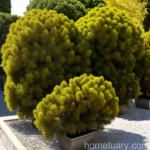
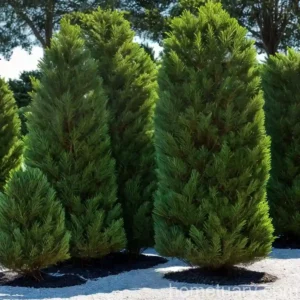
Chinese junipers are classified as evergreen shrubs or small trees, and they are prized for their conical or pyramidal shape, making them excellent choices for enhancing the visual appeal of gardens, parks, and commercial landscapes. The ‘Robusta Green’ variety, in particular, exhibits striking characteristics, including dense foliage and a robust growth habit, which make it an attractive addition to any landscape setting.
Key Takeaways: Chinese Juniper (Juniperus chinensis ‘Robusta Green’)
Before delving into the specific cultural requirements and care guidelines for the ‘Robusta Green’ Chinese juniper, let’s briefly outline the key takeaways associated with this remarkable plant.
Culture
- Scientific Name: Juniperus chinensis ‘Robusta Green’
- Family: Cupressaceae
- Common Names: Chinese juniper, Robusta Green juniper
- Type: Evergreen shrub
- Origin: Eastern Asia (China, Japan, Korea, Mongolia)
Uses
- Privacy screening
- Ornamental landscaping
- Drought-tolerant gardens
- Hedge creation
- Container gardening
Water
- Moderate water needs
- Drought-tolerant once established
- Requires well-drained soil
Sunlight
- Full sun to partial shade
- Thrives in sunny locations
Fertilizer
- Minimal fertilization requirements
- Use a balanced, slow-release fertilizer in spring
Soil
- Well-drained soil
- Tolerates a wide range of soil types
- pH adaptable
Pruning
- Minimal pruning needs
- Shape in late winter or early spring if necessary
Propagation
- Propagate from cuttings or seeds
- Suitable for propagation in spring or early summer
Container Popularity
- Well-suited for container growth
- Ideal for urban gardens and small spaces
Next, we will delve deeper into each of these aspects, providing detailed guidance on how to effectively care for and cultivate the Chinese juniper ‘Robusta Green’. By understanding its specific needs and preferences, you’ll be well-equipped to foster healthy growth and maximize the plant’s ornamental value in your landscape.
Chinese Juniper (Juniperus chinensis ‘Robusta Green’): Cultural Requirements and Care
The successful cultivation of any plant hinges on the careful consideration of its cultural requirements. In the case of the Chinese juniper ‘Robusta Green’, paying attention to its water, sunlight, soil, and maintenance needs is essential for ensuring robust growth and overall health.
Water
The ‘Robusta Green’ Chinese juniper exhibits moderate water needs, making it relatively drought-tolerant once it has become established in its growing environment. However, during the initial establishment period, it is crucial to provide regular watering to facilitate root development and acclimatization.
-
Watering Guidelines: For newly planted Chinese junipers, it is advisable to water them deeply immediately after planting. Subsequently, ensure moderately moist soil, especially during the first growing season. Once established, water during extended dry periods to maintain overall plant health.
-
Signs of Overwatering: Chinese junipers are susceptible to root rot if subjected to consistently waterlogged conditions. Therefore, it is important to monitor soil moisture and avoid overwatering, which can lead to yellowing foliage, wilting, and reduced vigor.
-
Signs of Underwatering: Inadequate water supply may result in browning of the foliage and a general decline in the plant’s appearance. To prevent water stress, especially during hot and dry periods, monitor the soil moisture and adjust the watering frequency accordingly.
Sunlight
In terms of sunlight requirements, Chinese junipers, including the ‘Robusta Green’ variety, thrive in full sun to partial shade. Optimal growth and foliage density are achieved when the plant is provided with ample sunlight, highlighting its adaptability to varying light conditions.
-
Sunlight Exposure: When selecting a location for planting Chinese junipers, prioritize areas that receive at least six hours of direct sunlight per day. However, they can also tolerate partial shade, making them suitable for planting in areas with slightly reduced sunlight exposure.
-
Sunlight Benefits: Adequate sunlight promotes lush, vibrant foliage and contributes to the overall vigor of the plant. Proper exposure to sunlight helps in maintaining the desired shape and density of the Chinese juniper ‘Robusta Green’.
-
Shade Adaptability: While Chinese junipers prefer full sun, they are adaptable to partial shade, making them versatile choices for landscaping in various settings, including urban gardens, residential landscapes, and commercial developments.
Fertilizer
Unlike some high-maintenance plants, Chinese junipers, including the ‘Robusta Green’ variety, have minimal fertilizer requirements. By using a balanced, slow-release fertilizer, you can ensure that the plant receives essential nutrients for sustained growth and vitality.
-
Fertilization Timing: Apply fertilizer in the early spring, just before the growing season begins. This timing allows the plant to benefit from the added nutrients during its active growth phase. Avoid applying fertilizer during the winter, as the plant’s growth is minimal during this period.
-
Fertilizer Selection: Opt for a well-balanced, slow-release fertilizer to provide the Chinese juniper with the necessary nutrients over an extended period. Choose a product specifically formulated for shrubs or evergreens to meet their unique nutritional needs.
-
Application Technique: Carefully follow the instructions provided on the fertilizer packaging to determine the appropriate application rate and method. By evenly distributing the fertilizer around the root zone and watering it in afterward, you can facilitate the uptake of essential nutrients by the plant.
Soil
Chinese junipers, including the ‘Robusta Green’ variety, thrive in well-drained soil and exhibit adaptability to a wide range of soil types. When selecting the planting site or preparing the soil for container growth, it is important to consider the soil’s drainage characteristics and overall quality.
-
Soil Requirements: Ensure that the soil is well-drained, as Chinese junipers are susceptible to root rot if subjected to consistently waterlogged conditions. Additionally, they can tolerate various soil types, including loamy, sandy, and clay soils, as long as proper drainage is maintained.
-
Soil pH: Chinese junipers are adaptable to different soil pH levels, from slightly acidic to slightly alkaline. Conduct a soil test to determine the current pH of the planting site or container media, and make adjustments as necessary to create an ideal growing environment for the plant.
-
Container Growing: When growing Chinese junipers in containers, select a well-draining potting mix specifically formulated for shrubs or evergreens. This ensures proper aeration and moisture retention within the container, promoting healthy root development and overall plant growth.
Pruning
One of the appealing traits of the Chinese juniper ‘Robusta Green’ is its minimal pruning requirements. While the plant naturally maintains its attractive shape and form, occasional pruning can be conducted to address specific aesthetic or maintenance needs.
-
Pruning Timing: Perform any necessary pruning in late winter or early spring before new growth emerges. This timing allows for the correction of any winter damage and facilitates the shaping of the plant in preparation for the upcoming growing season.
-
Pruning Techniques: Use sharp, clean pruning shears to trim any overgrown or straggly branches, making precise cuts just above a set of healthy foliage or a lateral branch. Prioritize the removal of dead, damaged, or diseased branches to maintain the overall health of the plant.
-
Shaping Considerations: If a particular growth habit or shape is desired, selectively prune the Chinese juniper to achieve the intended form. However, exercise restraint to avoid excessive pruning, as this can lead to the depletion of the plant’s energy reserves and potential stress.
Propagation
For individuals interested in multiplying their ‘Robusta Green’ Chinese junipers or exploring propagation techniques for horticultural purposes, the plant can be propagated from cuttings or seeds. Proper timing and attention to detail are essential for successful propagation endeavors.
-
Cutting Propagation: Select healthy, non-flowering stems in spring or early summer for propagation purposes. Take semi-hardwood cuttings and treat them with a rooting hormone to enhance the rooting process. Place the cuttings in a suitable growing medium and provide the necessary conditions for root development.
-
Seed Propagation: Collect mature seeds from the ‘Robusta Green’ Chinese juniper and sow them in a well-draining seed-starting mix. Maintain consistent moisture and warmth to facilitate germination, and provide adequate care for the emerging seedlings as they develop into young plants.
-
Patience and Care: Whether propagating from cuttings or seeds, exercise patience and provide attentive care to the newly propagated plants. Monitor their progress closely and ensure that they receive suitable growing conditions to establish themselves successfully.
Container Growing and Landscape Uses
Container Popularity
Chinese junipers, including the ‘Robusta Green’ variety, are well-suited for container growth, making them excellent choices for urban gardens, patios, and small outdoor spaces. Their adaptability to container cultivation opens up numerous possibilities for incorporating these versatile shrubs into diverse landscape designs.
-
Container Selection: Choose a spacious and well-draining container that accommodates the Chinese juniper’s root system and provides ample space for growth. Ensure that the container has drainage holes to prevent waterlogging and potential root rot.
-
Container Planting Medium: Use a high-quality potting mix designed for shrubs or evergreens, ensuring proper aeration and moisture retention. Consider mixing in some coarse sand or perlite to improve drainage and create an optimal growing environment for the plant.
-
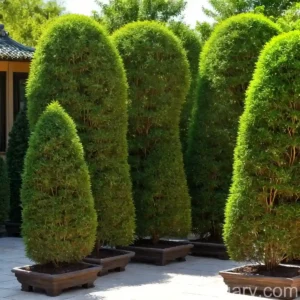
Suitable Settings: Placing container-grown Chinese junipers on patios, decks, or entryways enhances the visual appeal of these spaces. Additionally, they can be strategically positioned to create privacy screens or contribute to the overall greenery and ambiance of urban landscapes.
Common Landscape Uses
The ‘Robusta Green’ Chinese juniper is incorporated into various landscape settings due to its ornamental value, adaptability, and ease of maintenance. Its versatility lends itself to a wide array of landscape uses, allowing for creative design and functional applications.
-
Privacy Screening: Planting Chinese junipers in closely spaced rows creates effective privacy screens that shield specific areas from view while adding a touch of natural greenery to the landscape.
-
Ornamental Landscaping: The vibrant green foliage and distinctive growth habit of the ‘Robusta Green’ variety make it a preferred choice for ornamental landscaping in gardens, parks, and public spaces.
-
Drought-Tolerant Gardens: Given their resilience and water-wise characteristics, Chinese junipers are valued additions to xeriscapes and water-conserving landscapes, where they contribute to sustainable and visually striking garden designs.
-
Hedge Creation: By leveraging the dense growth of Chinese junipers, hedges of various heights and shapes can be established to demarcate boundaries, partition outdoor spaces, or enhance the aesthetic appeal of gardens.
-
Container Gardening: Utilizing Chinese junipers in containers brings greenery and structure to urban and small-space gardens, balconies, and outdoor living areas, adding a touch of nature to these confined settings.
By understanding the plant’s potential and leveraging its adaptability, individuals and professionals can explore a multitude of landscape uses for the Chinese juniper ‘Robusta Green’, ultimately enhancing the visual appeal and functionality of outdoor spaces.
Common Diseases and Pests
Disease Diagnosis
While Chinese junipers are known for their robust nature and disease resistance, certain environmental conditions or stress factors can make them susceptible to specific diseases. By familiarizing yourself with common diseases and adopting preventive measures, you can effectively manage the overall health of the ‘Robusta Green’ variety.
-
Cercospora Blight: This fungal disease can cause the browning and dieback of foliage, resulting in a less vibrant and healthy appearance for the plant. Leaf spots and blighting are typical symptoms of Cercospora blight, particularly in conditions of high humidity and inadequate air circulation.
-
Phomopsis Blight: Phomopsis blight, caused by the Phomopsis juniperovora fungus, can lead to dieback and browning of stems and shoots. Watch for cankers, tip blight, and overall decline in plant vigor, especially in periods of prolonged wetness and suboptimal growing conditions.
-
Root Rot: Excessive soil moisture and poor drainage can lead to root rot issues in Chinese junipers, impacting overall plant health and causing symptoms such as wilting, yellowing foliage, and a general decline in vigor.
Common Pests
While Chinese junipers are relatively resistant to pest infestations, being proactive in monitoring for potential pests and addressing any issues promptly is essential for maintaining the plant’s overall health and vitality.
-
Spider Mites: These tiny arachnids can cause stippling and webbing on the foliage, leading to the yellowing and deterioration of affected plant parts. Stressed or drought-stressed Chinese junipers may be more susceptible to spider mite infestations.
-
Bagworms: Bagworms are known for constructing protective bags or cases on foliage, and their feeding activity can lead to defoliation and visual damage to the Chinese juniper. Proactively monitoring for bagworm activity and addressing infestations is crucial for preventing significant damage to the plant.
-
Juniper Scale: Scale insects can infest Chinese junipers, particularly in periods of stress or suboptimal growing conditions. The presence of scale can lead to yellowing foliage, stunted growth, and a general decline in plant vigor if left unmanaged.
By being observant and proactive in monitoring for signs of diseases and pests, you can effectively manage the health of the ‘Robusta Green’ Chinese juniper, ensuring that it thrives and maintains its ornamental value in the landscape.
Botanist’s Tips: Best Practices for Chinese Juniper (Juniperus chinensis ‘Robusta Green’) Care
To ensure the successful cultivation of the ‘Robusta Green’ Chinese juniper and harness its ornamental and functional potential in landscape settings, consider the following best practices and botanist’s tips for optimal care and maintenance.
-
Well-Drained Soil: Prioritize well-drained soil to prevent waterlogging and mitigate the risk of root rot issues. Implement soil amendments as needed to improve drainage and create an optimal growing environment for the plant.
-
Consistent Monitoring: Regularly monitor the Chinese juniper for signs of water stress, disease, or pest activity. By being attentive to the plant’s condition and addressing any issues promptly, you can promote its overall health and longevity.
-
Sunlight Optimization: Position the Chinese juniper in a location that receives ample sunlight to promote vigorous growth and lush foliage. Prioritize areas with at least six hours of direct sunlight per day for optimal performance.
-
Minimal Pruning: Exercise restraint when it comes to pruning the ‘Robusta Green’ Chinese juniper. While occasional shaping or maintenance pruning may be necessary, avoid excessive pruning to prevent stress and promote the plant’s natural growth habit.
-
Watering Consistency: Provide consistent and adequate watering, especially during the establishment phase and in periods of drought. Maintaining moderate soil moisture supports healthy growth and prevents water-related stress on the plant.
-
Container Considerations: When growing Chinese junipers in containers, select spacious and well-draining pots, and use high-quality potting mix to create an optimal growing environment. Regularly inspect container-grown plants and adjust watering and fertilization as needed.
By adopting these best practices and incorporating botanist’s tips into your approach to Chinese juniper ‘Robusta Green’ care, you can foster the plant’s growth, enhance its ornamental value, and support its overall well-being in various landscape settings.
Fun Facts About Chinese Juniper (Juniperus chinensis ‘Robusta Green’)
-
Symbolic Significance: In various cultures, junipers are associated with symbolism, such as protection, purification, and longevity. The ‘Robusta Green’ variety’s presence in landscapes can evoke traditional and cultural meanings associated with these remarkable plants.
-
Historical Uses: Historically, juniper wood has been utilized in the crafting of essential tools, such as bows and woodworks, highlighting the versatile applications of the plant beyond its ornamental value.
-
Wildlife Attractant: Chinese junipers, including the ‘Robusta Green’ variety, are known to attract various wildlife, such as birds and small mammals, providing shelter and sustenance in natural and urban environments.
-
Low Maintenance: One of the appealing aspects of Chinese junipers is their low-maintenance nature, making them ideal choices for individuals and landscapes that prioritize ease of care and sustainability.
-
Xeriscaping Champion: As drought-tolerant plants, Chinese junipers contribute to xeriscaping and water-wise landscaping practices, allowing for sustainable and visually striking garden designs even in arid climates.
By exploring these fun facts about Chinese junipers, you can develop a deeper appreciation for their ecological significance, historical uses, and ornamental value in modern landscapes.
Links to External Resources
- USDA Plant Database – Juniperus chinensis
- American Conifer Society – Juniperus chinensis ‘Robusta Green’
- The Spruce – Chinese Juniper (Juniperus chinensis)
- Missouri Botanical Garden – Juniperus chinensis ‘Robusta Green’
- Royal Horticultural Society – Juniperus chinensis ‘Robusta Green’
- University of Florida IFAS Extension – “Juniperus chinensis”
By accessing external resources linked above, you can further enhance your knowledge of Chinese junipers, gain valuable insights from expert perspectives, and explore additional information relevant to the cultivation and care of the ‘Robusta Green’ variety.
In conclusion, the ‘Robusta Green’ Chinese juniper (Juniperus chin