Chinese Elm (Chinese Elm Bonsai)
Chinese Elm (Ulmus parvifolia) is a versatile and popular species that is widely utilized for bonsai cultivation. This species, known for its resilience.
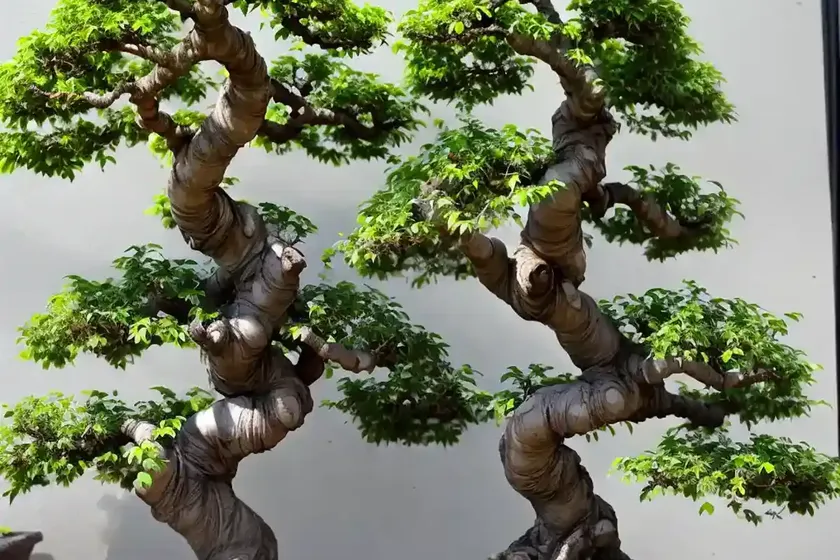
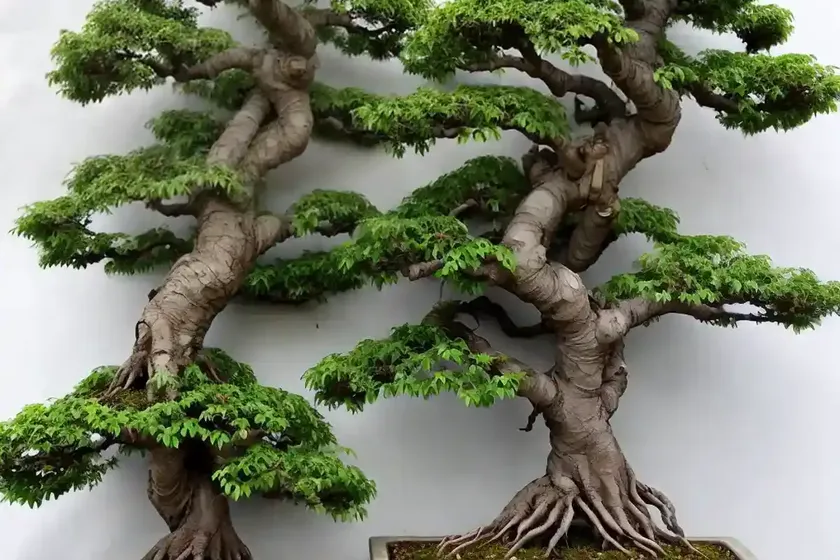
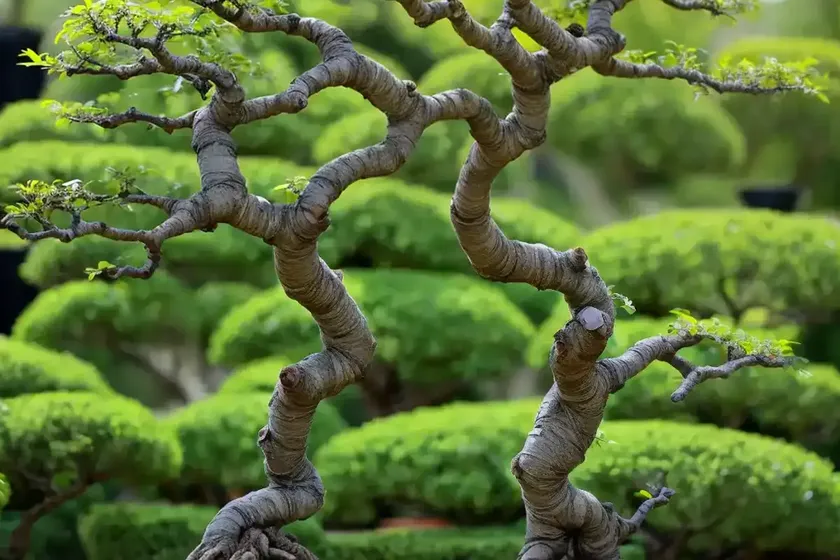
Chinese Elm (Ulmus parvifolia) is a versatile and popular species that is widely utilized for bonsai cultivation. This species, known for its resilience and adaptability, has gained significant popularity among bonsai enthusiasts due to its small leaves, intricate branching pattern, and tolerance to various growing conditions.
In this comprehensive guide, we will delve into the nuances of Chinese Elm care, including its cultural requirements, propagation techniques, common diseases and pests, as well as a range of bonsai-specific tips and techniques.
Key Takeaways
Before we dive into the intricacies of Chinese Elm care, let’s first outline the key takeaways that we will explore in this guide.
- Chinese Elm (Chinese Elm Bonsai)
- Culture
- Uses
- Water
- Sunlight
- Fertilizer
- Soil
- Pruning
- Propagation
- Container
- Popularity
- Common Diseases
- Disease Diagnosis
- Common Pests
- Botanist’s Tips
- Fun Facts
- Links to External Resources
Let’s embark on a journey into the world of Chinese Elm, covering a broad spectrum of topics related to its care and cultivation.
Chinese Elm (Chinese Elm Bonsai)
Chinese Elm, scientifically known as Ulmus parvifolia, is an incredibly flexible and robust species that lends itself well to bonsai cultivation. It is native to China, Korea, Japan, and Taiwan, and is revered for its ability to thrive in diverse environmental conditions.
While Chinese Elm is acclaimed for its utility in landscaping and horticulture, its status as a highly sought-after bonsai specimen is equally noteworthy. Its petite, serrated leaves and elegantly twisting branches make it an ideal candidate for bonsai styling, and its adaptability allows it to be shaped into various classical and modern bonsai forms.
Culture
Uses
The Chinese Elm offers a wide array of uses, both in traditional horticulture and bonsai cultivation. Some of the prominent uses include:
-
Landscaping: Chinese Elm is often employed in landscaping projects due to its resilience and aesthetic appeal. It is frequently used as a shade tree in gardens, parks, and urban landscapes.
-
Bonsai Cultivation: The adaptability and small leaf size of the Chinese Elm make it a favored choice for bonsai artists. It is used to create various bonsai styles, including informal upright, broom, slanting, and cascade, among others.
Water
Watering is a critical aspect of Chinese Elm care as it directly impacts the health and vitality of the plant. Understanding the water needs of Chinese Elm is essential to ensure optimal growth and development.
Chinese Elm requires regular watering, ensuring that the soil is consistently moist but not waterlogged. The frequency of watering may vary based on factors such as environmental conditions, season, and the type of growing medium.
Here are some key considerations for watering Chinese Elm:
-
Consistent Moisture: Chinese Elm prefers soil that retains moderate moisture levels. It is essential to monitor the soil to prevent it from drying out completely between waterings.
-
Drainage: Good drainage is imperative to avoid waterlogging, which can lead to root rot. Utilizing well-draining soil and pots with drainage holes can facilitate proper water management.
Sunlight
Sunlight plays a pivotal role in the growth and development of Chinese Elm, influencing factors such as leaf color, overall health, and vigor.
Chinese Elm thrives in full sun to partial shade, making it adaptable to a wide range of light conditions. When cultivated as a bonsai, it is essential to provide sufficient light to promote robust growth and maintain the characteristic small leaf size.
Here are some considerations for providing optimal sunlight to Chinese Elm:
-
Outdoor Cultivation: When grown outdoors, Chinese Elm should be placed in a location that receives ample sunlight. It flourishes in full sunlight but can also tolerate partial shade.
-
Indoor Cultivation: For indoor bonsai enthusiasts, providing access to natural light through windows or supplementary grow lights is essential to ensure that the plant receives adequate light exposure.
Fertilizer
Fertilization is instrumental in sustaining the vigor and vitality of Chinese Elm, providing essential nutrients that support robust growth and overall health.
Chinese Elm benefits from regular fertilization during the growing season, with a focus on balanced nutrition and appropriate application methods. Understanding the correct timing, dosage, and type of fertilizer is crucial in promoting optimal growth and enhancing the bonsai’s aesthetic appeal.
Consider the following key points when fertilizing Chinese Elm:
-
Seasonal Fertilization: Fertilize Chinese Elm from early spring to mid-fall, tapering off during the winter months when the plant is in dormancy.
-
Balanced Fertilizer: Utilize a balanced, well-rounded fertilizer to provide essential macronutrients and micronutrients. A balanced NPK (nitrogen, phosphorus, potassium) fertilizer with additional trace elements can support the plant’s nutritional requirements.
-
Application Frequency: Apply fertilizer every 2-4 weeks during the growing season, ensuring that the plant is well-fed without the risk of fertilizer burn.
Soil
The choice of soil is paramount in supporting the health and development of Chinese Elm, as it directly influences moisture retention, aeration, and nutrient availability.
Chinese Elm thrives in well-draining soil with a balanced composition that caters to its specific needs. Whether cultivating Chinese Elm as part of a landscape setting or as a bonsai specimen, the selection of an appropriate growing medium is essential for its overall well-being.
Key considerations for Chinese Elm soil include:
-
Well-Draining Medium: Chinese Elm requires soil that facilitates efficient drainage, preventing waterlogging and root suffocation. A combination of organic and inorganic components can help achieve the desired soil structure.
-
Aeration and Structure: The soil should offer good aeration to the roots, promoting healthy root development and preventing compaction. Incorporating components such as perlite, pumice, or coarse sand can enhance soil structure and porosity.
-
Nutrient Retention: The soil should have the capacity to retain essential nutrients while allowing excess water to drain away. Employing a soil mix that balances water retention with aeration can provide an ideal growing environment for Chinese Elm.
Pruning
Pruning is a fundamental practice in nurturing Chinese Elm bonsai, enabling the refinement of its structure, promoting ramification, and fostering balanced growth.
The art of pruning Chinese Elm involves a combination of techniques aimed at shaping the tree, refining its silhouette, and enhancing its overall aesthetic appeal. By employing strategic pruning methods, bonsai enthusiasts can guide the growth of Chinese Elm to achieve desired forms and proportions.
Key aspects of Chinese Elm pruning include:
-
Maintenance Pruning: Regular maintenance pruning helps contain the size of the bonsai, direct growth, and remove unwanted shoots or branches. It is crucial for preserving the bonsai’s overall shape and balance.
-
Structural Pruning: Structurally pruning Chinese Elm involves shaping the primary branches, defining the trunk line, and establishing the overall silhouette of the bonsai. It is instrumental in creating a harmonious and visually appealing form.
-
Branch Pruning: Pruning individual branches and twigs is essential for refining the ramification and promoting fine branching to achieve the delicate and intricate structure characteristic of Chinese Elm bonsai.
Propagation
Understanding propagation techniques is essential for expanding the Chinese Elm bonsai collection and cultivating new plants from existing specimens. Propagation methods such as air layering, cutting propagation, and seed propagation can be employed to propagate Chinese Elm effectively.
-
Air Layering: Air layering involves creating a wound on the parent plant’s stem to encourage the formation of roots, ultimately leading to the development of a new individual. This technique can be employed to propagate Chinese Elm bonsai with desirable characteristics.
-
Cutting Propagation: Utilizing hardwood or softwood cuttings from a healthy Chinese Elm bonsai can facilitate the propagation of new plants. By providing the right conditions for root development, the cuttings can grow into independent individuals.
-
Seed Propagation: Collecting and germinating Chinese Elm seeds can yield new plants, offering the opportunity to explore genetic diversity and develop unique bonsai specimens.
Container
Selecting an appropriate container is a crucial element of Chinese Elm bonsai cultivation, influencing factors such as root development, overall aesthetics, and long-term health.
When choosing a container for Chinese Elm, factors such as size, drainage, and aesthetic appeal should be carefully considered. The container should provide ample space for root growth while complementing the bonsai’s overall design.
Key considerations for Chinese Elm bonsai containers include:
-
Drainage Holes: Ensure that the container has sufficient drainage holes to prevent waterlogging and facilitate healthy root growth.
-
Aesthetic Harmony: The design and material of the container should harmonize with the overall style and character of the Chinese Elm bonsai, contributing to its visual impact.
-
Root Space: Select a container that offers enough room for the roots to grow and develop, providing a conducive environment for the bonsai’s long-term health.
Popularity
Chinese Elm has gained remarkable popularity in the realm of bonsai cultivation, garnering attention from enthusiasts and experts alike. The combination of its adaptability, aesthetic appeal, and suitability for bonsai styling has contributed to its widespread acclaim.
The bonsai community has embraced Chinese Elm for its versatility, allowing artists to explore an array of styling techniques and design options. Its characteristic small leaves, intricate branching, and responsive growth habits make it an intriguing subject for bonsai practitioners.
Chinese Elm bonsai has also gained recognition for its suitability for both beginners and experienced bonsai artists. Its forgiving nature and tolerance to various care practices make it an ideal choice for those venturing into the art of bonsai cultivation.
Common Diseases
While Chinese Elm is generally resilient to many pests and diseases, it can be susceptible to certain ailments that require vigilant monitoring and proactive care.
Some of the common diseases that may affect Chinese Elm include:
-
Powdery Mildew: A fungal disease that presents as a powdery white coating on the leaves, stems, and buds of the plant. It can lead to leaf distortion and overall decline if left untreated.
-
Leaf Spot: Caused by various fungal pathogens, leaf spot can manifest as dark or discolored spots on the leaves, compromising the plant’s overall appearance and vitality.
-
Root Rot: Excessive moisture or poor drainage can result in root rot, leading to yellowing of the leaves, wilting, and eventual decline of the plant.
Disease Diagnosis
Diagnosing diseases in Chinese Elm requires careful observation and an understanding of common symptoms associated with prevalent ailments. Early detection and prompt intervention can mitigate the effects of diseases and prevent their spread.
Key indicators for disease diagnosis in Chinese Elm include:
-
Visual Symptoms: Look for irregularities in leaf color, texture, and overall appearance. Unusual spots, discoloration, or abnormal growth patterns may indicate the presence of a disease.
-
Physical Examination: Inspect the plant’s foliage, stems, and roots for any signs of lesions, growths, or abnormalities. Close examination can provide valuable insights into the plant’s health.
-
Environmental Factors: Consider factors such as watering practices, humidity levels, and air circulation, as they can contribute to the development of diseases. Assess and modify environmental conditions as needed.
Common Pests
While Chinese Elm is relatively resistant to many pests, it can still be susceptible to infestations under certain conditions. Vigilant monitoring and preventive measures can help manage common pests effectively.
Some of the common pests that may affect Chinese Elm bonsai include:
-
Aphids: These small, sap-sucking insects can cluster on the undersides of leaves, leading to stunted growth and distorted foliage.
-
Spider Mites: These tiny arachnids can cause stippling on the leaves and create fine webbing, impacting the overall health of the plant.
-
Scale Insects: Scale insects can attach themselves to the stems and leaves of Chinese Elm, feeding on plant sap and potentially leading to yellowing and wilting.
Botanist’s Tips
To foster the optimal growth and development of Chinese Elm, consider the following tips from plant scientists and experienced bonsai practitioners:
-
Monitor Soil Moisture: Regularly check the moisture level of the soil to ensure that it remains adequately moist without becoming waterlogged.
-
Seasonal Adjustments: Adapt care practices such as watering, fertilization, and light exposure according to seasonal changes, considering the plant’s varying needs throughout the year.
-
Observation and Patience: Cultivating Chinese Elm bonsai demands attentive observation and patience, allowing the tree to develop and evolve according to its natural growth patterns.
-
Artistic Vision: Embrace the artistic potential of Chinese Elm and experiment with different bonsai styles, pruning techniques, and design concepts to bring out the plant’s inherent beauty.
Fun Facts
-
Chinese Elm is renowned for its remarkable tolerance to urban conditions and pollution, making it a favored choice for bonsai enthusiasts living in urban environments.
-
The zigzag pattern of the Chinese Elm’s trunk and branches, known as “broom style” in bonsai terminology, is a distinctive feature that enhances its visual appeal.
-
Chinese Elm has been cultivated for thousands of years and holds significant cultural and historical symbolism in various Asian traditions.
Links to External Resources
To further explore Chinese Elm care, propagation techniques, and bonsai-specific tips, consider the following external resources:
Embark on a journey of discovery and mastery as you delve into the captivating world of Chinese Elm and the art of bonsai cultivation.
As we conclude this comprehensive guide, we hope that you have gained valuable insights into the intricacies of Chinese Elm care and bonsai cultivation. May your journey with Chinese Elm bonsai be filled with creativity, inspiration, and a deep appreciation for the beauty of nature expressed through the art of bonsai. Happy cultivating!
With this exhaustive guide, we’ve covered a wide array of aspects related to Chinese Elm and its role as a captivating bonsai specimen. From cultural uses to specific care techniques, the allure of Chinese Elm in the realm of bonsai cultivation is evident. Whether you’re a seasoned bonsai practitioner or a novice enthusiast, the allure of Chinese Elm is sure to captivate your imagination and creativity.


