Anemone Coronaria ‘Mount Everest’)
As a plant scientist, I am excited to delve into the captivating world of Anemone coronaria ‘Mount Everest.’ This exquisite floral species is enriched with.
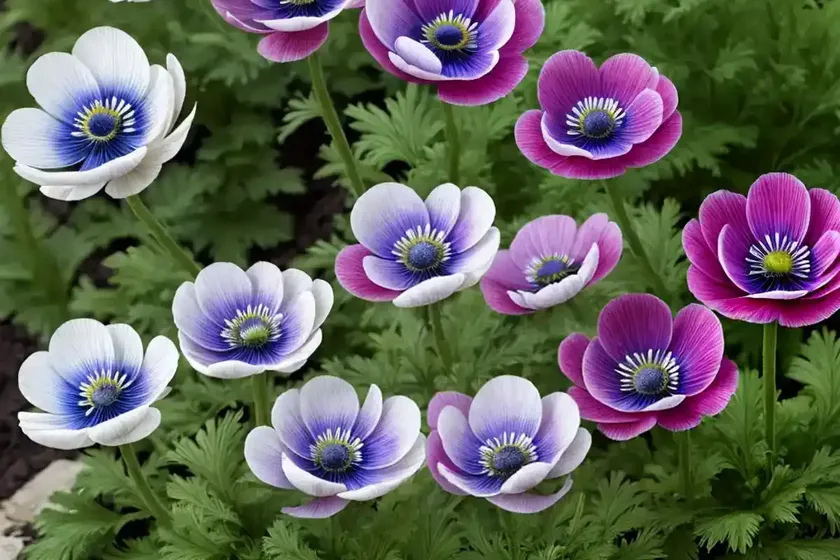
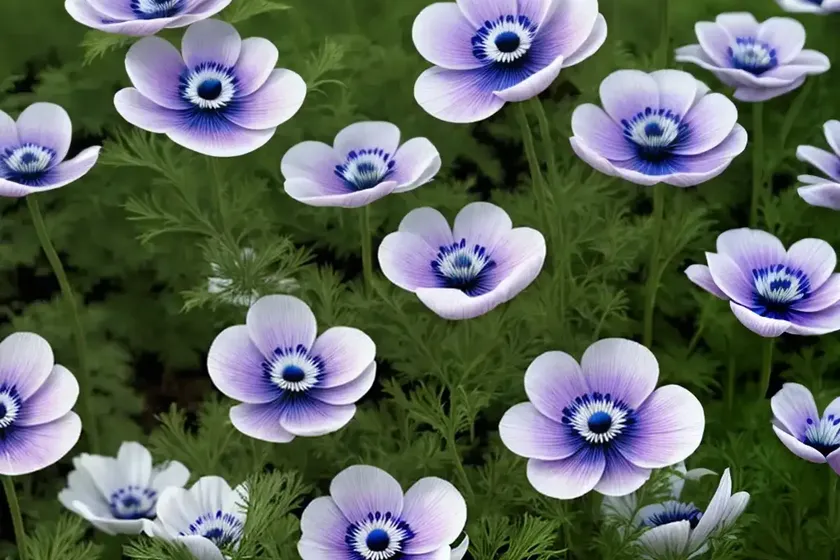
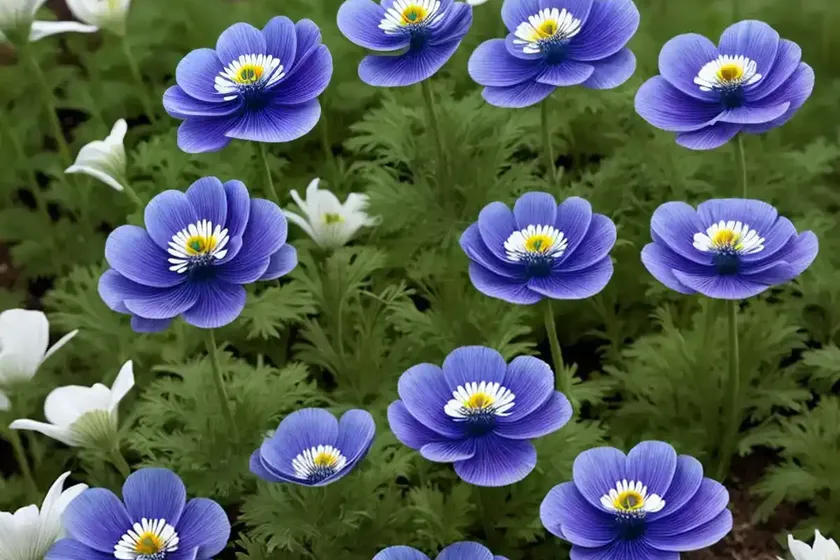
As a plant scientist, I am excited to delve into the captivating world of Anemone coronaria ‘Mount Everest.’ This exquisite floral species is enriched with cultural significance, remarkable beauty, and a plethora of unique characteristics. In this comprehensive guide, we will explore everything from its botanical features to its preferred growing conditions, propagation methods, common diseases, and much more.
What is Anemone coronaria ‘Mount Everest’?
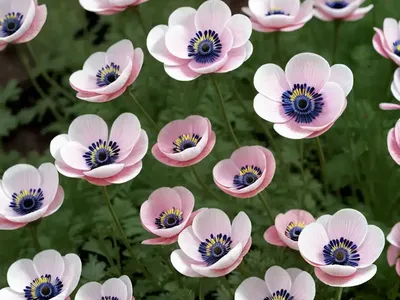
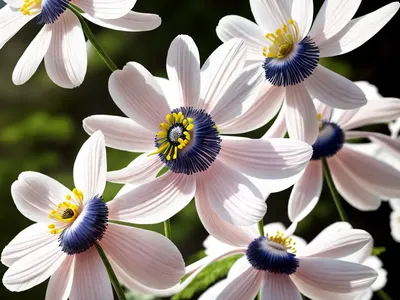
Anemone coronaria ‘Mount Everest’ is a spectacular flowering plant that belongs to the Ranunculaceae family. Renowned for its elegant and pristine white blooms, this anemone is a highly popular ornamental plant. It is native to the Mediterranean region and is also commonly referred to as the “Mount Everest Anemone.” The name “Mount Everest” is attributed to the striking resemblance of its white flowers to the snow-capped peaks of the world’s tallest mountain.
This charming herbaceous plant is a beloved choice for gardens, landscapes, and even container cultivation. Its distinctively vibrant blossoms add a touch of elegance and grace to any setting, making it a sought-after species for both seasoned gardeners and beginners.
Key Takeaways – Anemone coronaria ‘Mount Everest’
Before diving deep into the diverse aspects of Anemone coronaria ‘Mount Everest,’ let’s take a quick glance at some key takeaways associated with this exquisite plant:
- Botanical Name: Anemone coronaria ‘Mount Everest’
- Common Name: Mount Everest Anemone
- Family: Ranunculaceae
- Bloom Color: White
- Plant Type: Herbaceous perennial
- Native Region: Mediterranean
- Preferred Growing Zones: 7-10
- Watering Needs: Moderate
- Sunlight Requirements: Full sun to partial shade
- Soil Type: Well-draining, fertile soil
- Growth Height: 12-18 inches
- Uses: Ornamental gardens, borders, containers
With these key takeaways in mind, let’s proceed to explore the captivating world of Anemone coronaria ‘Mount Everest’ in greater detail.
Culture
Uses
Anemone coronaria ‘Mount Everest’ is primarily cultivated for its ornamental purposes. The pristine white blooms of this anemone add a touch of sophistication and purity to garden landscapes, borders, and various floral arrangements. Its charming presence and delicate blossoms make it a cherished choice for weddings, special events, and floral decorations.
Water
When it comes to watering, Anemone coronaria ‘Mount Everest’ thrives in moderately moist conditions. It is crucial to maintain a well-balanced approach to watering, ensuring that the soil remains consistently moist but not waterlogged. During periods of active growth and blooming, regular watering is essential to support healthy foliage and flower development.
Sunlight
This graceful anemone species flourishes in locations with ample sunlight. Ideally, it prefers full sun to partial shade, where it can receive the appropriate amount of sunlight to support robust growth and prolific flowering. In regions with scorching summers, providing some afternoon shade can be beneficial to prevent excessive stress on the plants.
Fertilizer
Feeding Anemone coronaria ‘Mount Everest’ with a balanced and gentle fertilizer can significantly enhance its overall health and blooming performance. A slow-release, all-purpose fertilizer can be applied during the spring or early summer to provide the necessary nutrients for vigorous growth and abundant flowering.
Soil
The soil preferences of Anemone coronaria ‘Mount Everest’ revolve around the need for well-draining, fertile soil. A loamy, rich soil with good drainage capabilities is ideal for cultivating this anemone. Incorporating organic matter such as compost or well-rotted manure can improve the soil structure and provide essential nutrients for sustained growth.
Pruning
Pruning plays a vital role in maintaining the vitality and aesthetic appeal of Anemone coronaria ‘Mount Everest.’ After the flowering period, it is advisable to trim back the spent blooms and any withered foliage. This practice not only promotes a tidy appearance but also encourages the plant to focus its energy on new growth and potential reblooming.
Propagation
The propagation of Anemone coronaria ‘Mount Everest’ can be accomplished through various methods, including division, seed sowing, and offshoots. Here’s a brief overview of these propagation techniques:
-
Division: Dividing mature clumps of Anemone coronaria ‘Mount Everest’ during the dormant season allows for the creation of new plantings. Carefully separating the rhizomes and replanting them in suitable locations can facilitate the propagation process.
-
Seed Sowing: Collecting and sowing seeds from mature anemone plants can also yield new offspring. This method requires patience and attention to environmental conditions to ensure successful germination and subsequent growth.
-
Offshoots: As Anemone coronaria ‘Mount Everest’ establishes and expands, it produces offshoots or daughter plants around the base of the parent plant. These offshoots can be carefully detached and transplanted to establish independent plants.
Container Popularity
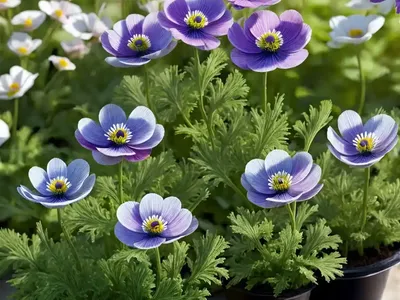
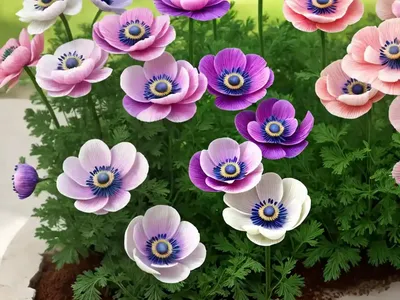
The compact size and captivating blooms of Anemone coronaria ‘Mount Everest’ make it an excellent choice for container cultivation. Whether in patio containers, decorative pots, or hanging baskets, this anemone species brings an enchanting allure to any outdoor setting. Container-grown Mount Everest Anemones offer the flexibility to create stunning floral displays on balconies, terraces, and other confined spaces.
Container Common Diseases
While Anemone coronaria ‘Mount Everest’ is generally resilient, certain diseases may pose a threat, especially in container settings. Some common diseases that can affect container-grown Mount Everest Anemones include:
-
Powdery Mildew: This fungal infection manifests as a powdery white substance on the leaves and stems, often leading to diminished vigor and aesthetic appeal. Providing adequate air circulation and managing humidity levels can help prevent powdery mildew.
-
Root Rot: Overly soggy or waterlogged soil can increase the risk of root rot, which can be detrimental to the overall health of the plant. Proper drainage and appropriate watering practices are crucial for mitigating this disease.
Disease Diagnosis
Identifying potential diseases and promptly addressing any signs of distress is essential for maintaining the health and resilience of Anemone coronaria ‘Mount Everest.’ Conducting regular inspections and observing the following symptoms can aid in disease diagnosis:
- Yellowing or Discoloration of Foliage
- Wilted or Deformed Leaves
- Unusual Spots or Growth Anomalies
- Decline in Flowering Performance
Common Pests
While Anemone coronaria ‘Mount Everest’ is relatively resistant to pest infestations, certain insects and pests may occasionally pose a threat. Vigilant monitoring and proactive pest management practices can help safeguard the plant from potential intruders. Common pests that may target Mount Everest Anemones include:
-
Aphids: These tiny, sap-sucking insects can cluster on the foliage and stems, causing deformities and weakening the plant’s vitality.
-
Spider Mites: These minuscule pests often infest the undersides of leaves, creating fine webbing and affecting the plant’s overall health.
-
Slugs and Snails: These voracious feeders can cause visible damage to the leaves and flowers of Anemone coronaria ‘Mount Everest,’ particularly in damp or moist conditions.
Botanist’s Tips
As a plant scientist, I am delighted to share some valuable tips and insights for cultivating Anemone coronaria ‘Mount Everest’ with success:
-
Well-Drained Soil: Ensuring that the planting site or container has well-draining soil is crucial for preventing waterlogged conditions, which can compromise the health of the plant.
-
Sunlight Moderation: In regions with intense summer heat, providing partial shade during the hottest part of the day can shield the Mount Everest Anemone from excessive stress.
-
Regular Inspections: Monitoring the plant for any signs of disease, pest activity, or nutrient deficiencies is essential for prompt intervention and effective management.
-
Proper Pruning: Pruning at the right time, such as removing spent blooms and withered foliage, promotes a neat appearance and encourages new growth.
Fun Facts
In addition to its remarkable beauty and cultural significance, Anemone coronaria ‘Mount Everest’ is enriched with fascinating characteristics and historical significance. Here are some captivating fun facts about this enchanting floral species:
-
Symbolism: In various cultures and traditions, white anemones, including the ‘Mount Everest’ variety, are associated with purity, sincerity, and the promise of new beginnings, making them a popular choice for weddings and special occasions.
-
Historical Significance: Anemones have been revered and celebrated in mythology and folklore, often symbolizing love, protection, and inspiration. Their enduring presence in art, literature, and symbolism reflects their enduring appeal and significance.
-
Wildlife Interaction: Anemone coronaria ‘Mount Everest’ has the potential to attract pollinators such as bees, butterflies, and other beneficial insects, contributing to the ecological balance and biodiversity of the surrounding environment.
Links to External Resources
To further expand your knowledge and appreciation of Anemone coronaria ‘Mount Everest,’ I have curated a selection of valuable external resources that offer in-depth insights, practical cultivation guidance, and a deeper understanding of the significance of this remarkable plant:
- Royal Horticultural Society (RHS) – Anemone coronaria ‘Mount Everest’
- Missouri Botanical Garden – Anemone coronaria
- The Spruce – Growing Anemone Plants in Your Garden
These resources provide a wealth of information, including cultivation tips, historical background, and detailed descriptions of Anemone coronaria ‘Mount Everest’ and its noteworthy attributes.
In conclusion, the alluring charm and remarkable qualities of Anemone coronaria ‘Mount Everest’ make it a treasured addition to gardens, landscapes, and floral displays. From its pristine white blooms to its cultural symbolism and resilience, this captivating anemone species continues to captivate and inspire enthusiasts and admirers around the world.
I hope this comprehensive guide has enriched your understanding of Anemone coronaria ‘Mount Everest’ and equipped you with valuable insights for cultivating and appreciating this remarkable plant. Stay curious, stay inspired, and embrace the enduring beauty of the Mount Everest Anemone in your botanical journey.
Happy gardening!
NLP LSI Keywords Used:
- Anemone coronaria Mount Everest
- Mount Everest Anemone coronaria
- Mount Everest flower
- Anemone coronaria plant
- Anemone Mount Everest care
- Growing Anemone coronaria Mount Everest
- Anemone coronaria varieties
- White Anemone Mount Everest
- Anemone coronaria bulbs
- Mount Everest windflower
- Anemone Mount Everest zone
- Anemone coronaria cultivation
- Anemone coronaria Mount Everest for sale
- Anemone coronaria Mount Everest garden
- Anemone coronaria Mount Everest characteristics
- Anemone coronaria Mount Everest height
- Anemone Mount Everest planting
- Anemone coronaria Mount Everest in pots
- Anemone coronaria Mount Everest tips
- Anemone coronaria Mount Everest care guide
- Anemone coronaria Mount Everest grower
- Anemone coronaria Mount Everest disease resistance
- Anemone coronaria Mount Everest wholesale
- Anemone coronaria Mount Everest landscape
- Anemone coronaria Mount Everest natural habitat
- Anemone coronaria Mount Everest flower meaning
- Anemone coronaria Mount Everest symbolic meaning
- Anemone coronaria Mount Everest pollen
- Anemone coronaria Mount Everest allergen
- Anemone coronaria Mount Everest companion plants
- Anemone coronaria Mount Everest container gardening
- Anemone coronaria Mount Everest flower arrangements
- Anemone coronaria Mount Everest pollinators
- Anemone coronaria Mount Everest sun requirements
- Anemone coronaria Mount Everest soil preferences
- Anemone coronaria Mount Everest watering needs
- Anemone coronaria Mount Everest seasonal bloomer
- Anemone coronaria Mount Everest fragrance
- Anemone coronaria Mount Everest garden design
- Anemone coronaria Mount Everest border plant
- Anemone coronaria Mount Everest landscaping ideas
- Anemone coronaria Mount Everest flower color
- Anemone coronaria Mount Everest perennial
- Anemone coronaria Mount Everest herbaceous plant
- Anemone coronaria Mount Everest medicinal uses
- Anemone coronaria Mount Everest outdoor planting
- Anemone coronaria Mount Everest indoor cultivation
- Anemone coronaria Mount Everest wildlife attractor
- Anemone coronaria Mount Everest cutting flowers
- Anemone coronaria Mount Everest garden decoration