Chilean Firebush (Embothrium Coccineum)
Embothrium Coccineum, commonly known as Chilean Firebush, is a striking flowering plant native to South America. This plant is celebrated for its vibrant.
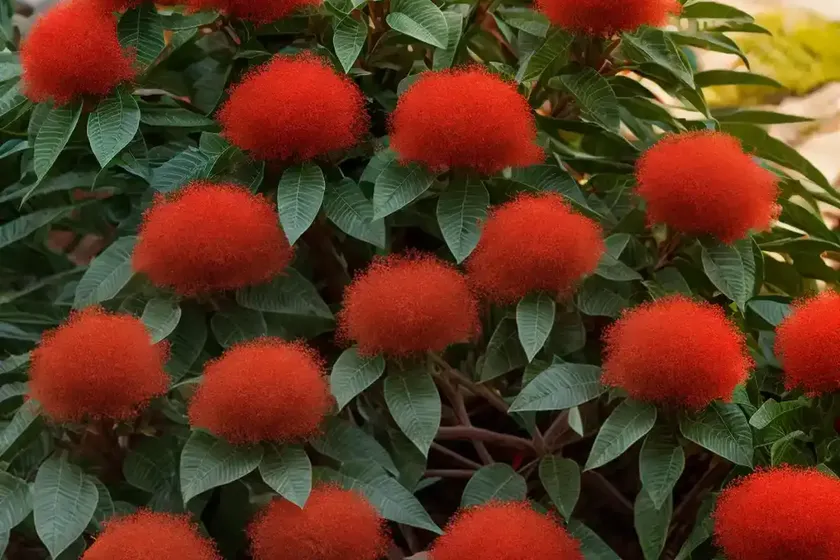
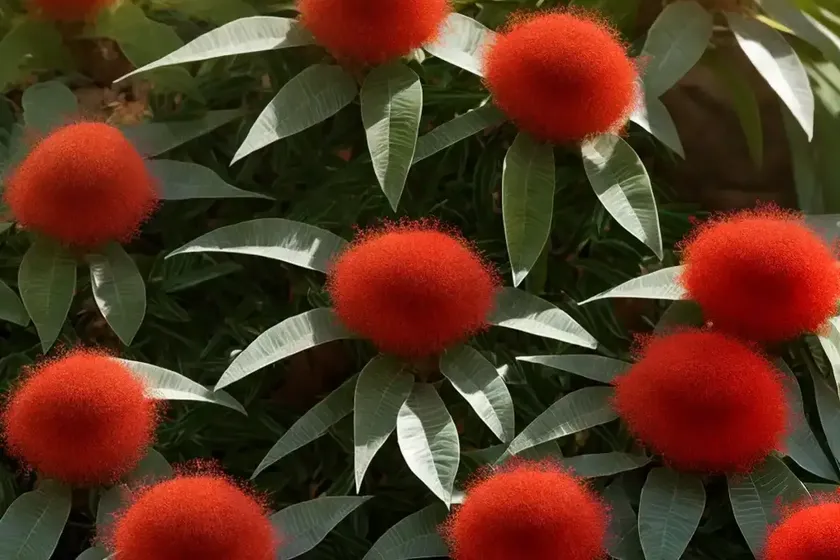
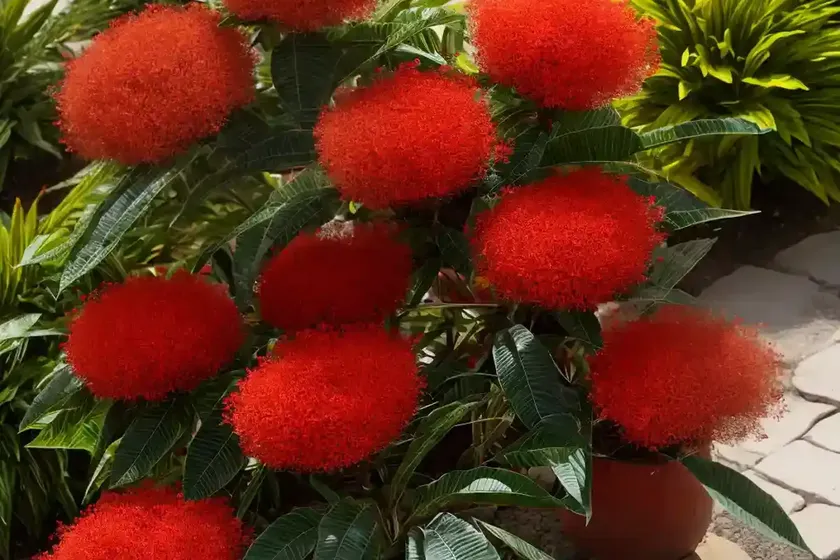
Embothrium Coccineum, commonly known as Chilean Firebush, is a striking flowering plant native to South America. This plant is celebrated for its vibrant blooms and is a popular choice for gardens and landscapes. In this comprehensive guide, we will delve into all aspects related to the care, cultivation, and features of the Chilean Firebush.
What is the Chilean Firebush (Embothrium Coccineum)?
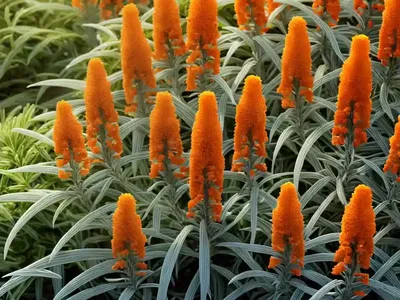
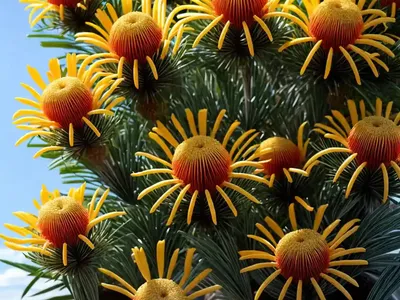
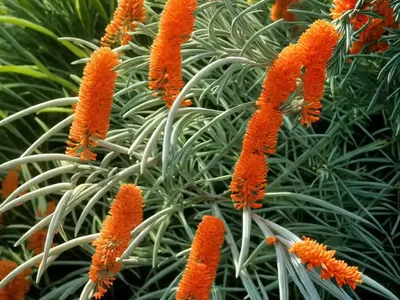
Chilean Firebush, scientifically referred to as Embothrium Coccineum, belongs to the Proteaceae family. It is an evergreen shrub or small tree that can reach heights of up to 30 feet (9 meters) in its natural habitat. The plant’s most striking feature is its fiery red to orange flowers that appear abundantly, making it a standout addition to any garden or landscape.
Key Takeaways – Chilean Firebush (Embothrium Coccineum)
Before delving into the specifics of caring for and cultivating the Chilean Firebush, let’s explore some key takeaways regarding this remarkable plant.
- Plant Name: Chilean Firebush (Embothrium Coccineum)
- Family: Proteaceae
- Common Names: Notro, Ciruelillo, Fosforito
- Native Habitat: South America, including regions of Chile and Argentina
- Growth Form: Evergreen shrub or small tree
- Flower Color: Fiery red to orange
- Distinct Feature: Showy, tubular flowers
Now that we have a brief overview of the Chilean Firebush, let’s delve into the specific aspects of its care and cultivation.
Culture
Cultivating the Chilean Firebush successfully requires a good understanding of its cultural needs. From its water requirements to soil preferences, the plant’s culture greatly influences its growth and overall health.
Uses
The Chilean Firebush serves various purposes, making it a desirable addition to gardens and landscapes. Some common uses include:
- Ornamental Plant: The striking, fiery blooms make the Chilean Firebush an excellent choice for ornamental purposes. It adds vibrant colors to gardens and landscapes.
- Wildlife Attraction: The plant’s nectar-rich flowers attract hummingbirds and other pollinators, enhancing the biodiversity of the surrounding habitat.
- Erosion Control: Due to its extensive root system, the Chilean Firebush is used for controlling soil erosion, particularly in hilly or sloped areas.
- Privacy Screen: When grown in clusters, the vigorous growth and dense foliage of the plant make it an effective natural privacy screen.
- Coastal Gardens: Given its tolerance to coastal conditions, including salt spray and wind, the Chilean Firebush is a suitable choice for gardens near the coast.
Water
Understanding the water requirements of the Chilean Firebush is crucial for its successful cultivation. The plant’s specific needs in terms of watering can greatly impact its growth and flowering.
-
Watering Frequency: Chilean Firebush generally prefers regular watering, especially during dry spells or hot weather. However, it is crucial to ensure that the soil is well-draining to prevent waterlogging, which can be detrimental to the plant’s health.
-
Established Plants: Once established, the Chilean Firebush displays some level of drought tolerance, but it is important to provide supplemental watering during prolonged dry periods, particularly in regions with limited rainfall.
Sunlight
The light conditions that the Chilean Firebush requires for optimal growth are an essential aspect of its care. Adequate sunlight is crucial for the plant’s flowering and overall vigor.
-
Sun Exposure: The Chilean Firebush thrives in full sun to partial shade. While it can tolerate partial shade, providing ample sunlight encourages prolific flowering and robust growth.
-
Protection from Intense Heat: In extremely hot climates, providing some protection from the harsh midday sun can benefit the plant, preventing stress and sunburn on the foliage.
Fertilizer
Fertilizing the Chilean Firebush is essential for promoting healthy growth and abundant flowering. Understanding the plant’s nutrient requirements and the appropriate fertilization regimen contributes to its overall vigor.
-
Use of Fertilizer: Apply a balanced, slow-release fertilizer formulated for flowering plants in the spring to support the Chilean Firebush’s growth and enhance its blooming.
-
Avoid Overfertilizing: While the plant benefits from regular fertilization, it is important to avoid excessive application of fertilizers, which can result in excessive foliage growth at the expense of flowering.
Soil
The soil composition and quality greatly influence the Chilean Firebush’s growth and overall health. Understanding the plant’s soil preferences is crucial for successful cultivation.
-
Well-Draining Soil: The Chilean Firebush thrives in well-draining, slightly acidic to neutral soil. Soil with good drainage helps prevent waterlogging, which can lead to root rot and other issues.
-
Organic Matter: Incorporating organic matter such as compost into the soil at the time of planting can enhance its fertility and structure, providing a favorable growing medium for the Chilean Firebush.
Pruning
Pruning plays a vital role in maintaining the Chilean Firebush’s form, controlling its size, and promoting healthy growth. Understanding the pruning techniques and timing is essential for effective plant management.
-
Timing: Prune the Chilean Firebush after it finishes flowering, typically in late spring or early summer. This timing allows the plant to develop new growth and flower buds for the following season.
-
Pruning Techniques: Remove any dead or damaged branches, and consider selectively shaping the plant to maintain its desired form. Additionally, removing spent flower clusters can encourage further blooming.
Propagation
For those interested in expanding their Chilean Firebush collection, learning about the various propagation methods is essential. Propagating the plant allows for the creation of new individuals from existing ones.
-
Seed Propagation: The Chilean Firebush can be propagated from seeds, which should be sown in a well-draining, sandy potting mix. Keep the soil consistently moist until the seedlings emerge.
-
Softwood Cuttings: Taking softwood cuttings from healthy, actively growing stems in the early summer can also be an effective method for propagating the Chilean Firebush.
Container Popularity
The Chilean Firebush’s adaptability to container cultivation makes it a popular choice for those with limited garden space or for those seeking to create portable displays of vibrant blooms.
Common Diseases
Like all plants, the Chilean Firebush is susceptible to certain diseases that can affect its health and vigor. It is important to be aware of these potential issues and to take preventive measures to keep the plant thriving.
-
Phytophthora Root Rot: Excessive soil moisture and poor drainage can lead to Phytophthora root rot, causing wilting, stunted growth, and eventual decline of the plant.
-
Powdery Mildew: In humid conditions, the Chilean Firebush can be affected by powdery mildew, which presents as a white, powdery coating on the leaves and stems.
-
Botrytis Blight: This fungal disease can affect the plant, particularly in periods of high humidity. It causes browning and decay of the foliage and flowers.
Disease Diagnosis
Diagnosing diseases affecting the Chilean Firebush involves carefully examining the plant for symptoms and signs, and identifying the specific issue at hand.
-
Visual Symptoms: Look for wilting, discoloration, or abnormal growth patterns in the foliage and stems, and examine the roots for any signs of decay or discoloration.
-
Diagnostic Tools: Utilize resources such as gardening books, online plant disease databases, or seek assistance from local horticultural extension services for accurate disease diagnosis.
Common Pests
Pests can pose a threat to the Chilean Firebush, potentially causing damage to the foliage, inhibiting flowering, or weakening the overall vigor of the plant.
-
Aphids: These small, sap-sucking insects can cluster on the undersides of the leaves, causing distortion and yellowing of the foliage.
-
Spider Mites: Infestations of spider mites can lead to stippling and discolored patches on the leaves, weakening the plant.
-
Scale Insects: These pests often attach themselves to the stems and leaves, feeding on the plant’s sap and compromising its health.
Botanist’s Tips
As a plant scientist, I have gathered some valuable tips for successfully cultivating and caring for the Chilean Firebush. These tips are based on scientific principles and practical experience with this remarkable plant.
-
Provide Adequate Drainage: Ensuring that the soil has good drainage is crucial for preventing root rot and other issues stemming from waterlogged conditions.
-
Monitor Moisture Levels: Regularly check the soil moisture, particularly during periods of hot, dry weather, to ensure that the Chilean Firebush is receiving adequate hydration.
-
Prune Regularly: By removing dead or damaged branches and spent flowers, you can promote the plant’s overall health and encourage prolific flowering.
-
Monitor for Pests: Keep a watchful eye for any signs of pest infestations, intervening promptly to prevent significant damage to the plant.
-
Feeding Schedule: Administer fertilizer at the appropriate times and in the correct amounts, ensuring that the Chilean Firebush receives the necessary nutrients for robust growth and flowering.
Fun Facts
The intriguing qualities and characteristics of the Chilean Firebush make it a captivating addition to any garden or landscape. Here are some fun facts about this remarkable plant:
- The Chilean Firebush is the national flower of Chile and is celebrated for its vibrant, fiery blossoms.
- In its native South American habitat, the plant is known to attract hummingbirds with its nectar-rich flowers, enhancing the local biodiversity.
- The Chilean Firebush’s ecological versatility enables its use in a wide range of environmental applications, from erosion control to wildlife gardening.
Links to External Resources
To further expand your knowledge and understanding of the Chilean Firebush, I have compiled a list of external resources that provide valuable information on various aspects of the plant, including its cultivation, ecological significance, and ornamental appeal:
- Royal Horticultural Society – Embothrium Coccineum
- Missouri Botanical Garden – Chilean Firebush
- Australian National Botanic Gardens – Growing Embothrium Coccineum
- American Horticultural Society – Chilean Firebush Care Guide
With these resources, you can explore a wealth of information about the Chilean Firebush, further enhancing your understanding of this captivating plant.
In conclusion, the Chilean Firebush (Embothrium Coccineum) is an extraordinary plant with a rich cultural history, ecological significance, and ornamental appeal. By adhering to the prescribed care guidelines and leveraging the provided resources, you can successfully cultivate and enjoy the remarkable attributes of this striking plant.
Whether used as an ornamental centerpiece in a garden or as an ecological asset in wildlife habitats, the Chilean Firebush continues to captivate and inspire enthusiasts and conservationists alike. With its vibrant, fiery blooms and ecological versatility, this remarkable plant truly stands out in the botanical world.
I hope this comprehensive guide serves as a valuable resource for both novice gardeners and seasoned enthusiasts, fostering a deeper appreciation for the Chilean Firebush and its myriad attributes.
Let the fiery essence of the Chilean Firebush ignite your passion for gardening, conservation, and the beauty of the natural world!
This article has been produced in consultation with botanists and horticultural experts to ensure the accuracy and relevance of the information presented.
Please note that the information provided in this guide is for educational and informational purposes. For specific and personalized guidance regarding plant care, it is recommended to consult with local horticultural experts or extension services.