Daikon (Raphanus Sativus Var. Longipinnatus)
In this blog post, we will explore the various aspects of the Daikon plant, scientifically known as Raphanus Sativus Var. Longipinnatus. Daikon is a type.
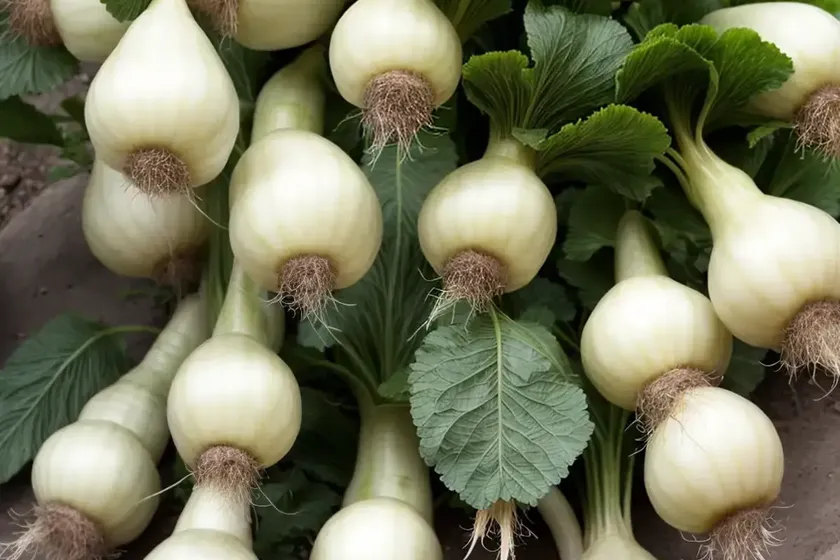
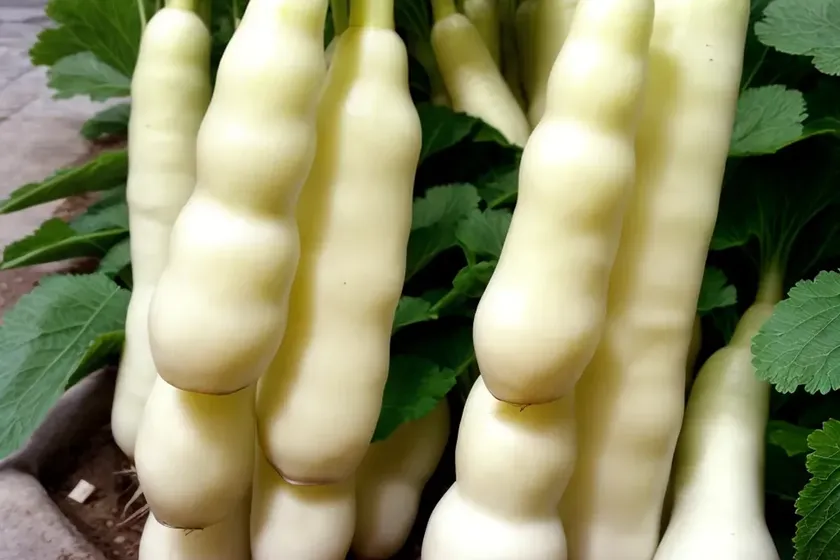
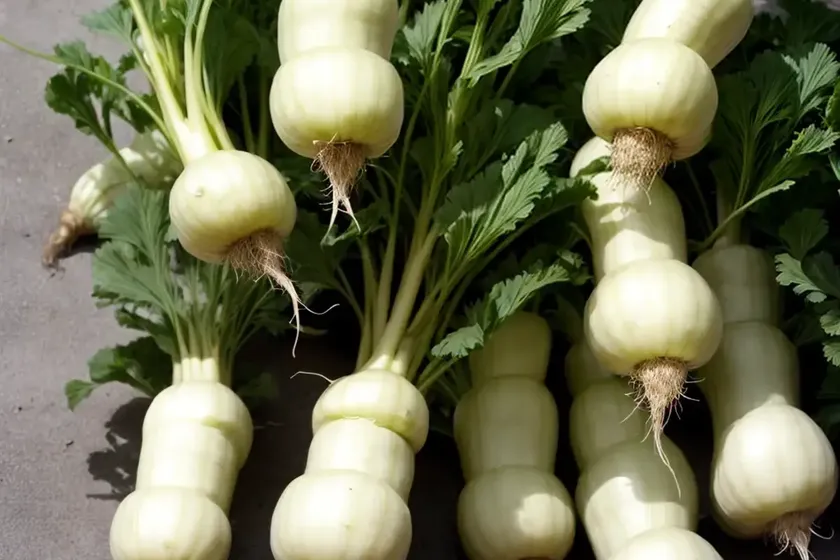
In this blog post, we will explore the various aspects of the Daikon plant, scientifically known as Raphanus Sativus Var. Longipinnatus. Daikon is a type of radish that is widely used in Asian cuisines and is known for its long white root and nutritious leaves.
What is Daikon (Raphanus Sativus Var. Longipinnatus)?
Daikon, also known as Japanese radish, is a winter radish variety of the species Raphanus sativus. It is characterized by its large, elongated white root and its edible leaves. Daikon is particularly popular in Japanese, Korean, and other Asian cuisines, where it is used in a wide range of dishes, from soups and stir-fries to pickles and salads.
Key Takeaways
Before we delve deeper into the various aspects of Daikon cultivation and uses, let’s explore some key takeaways:
- Cultural Significance: Daikon holds cultural significance in several Asian countries and is an essential ingredient in many traditional cuisines.
- Nutritional Benefits: The Daikon root and leaves are rich in essential nutrients, vitamins, and antioxidants, making it a valuable addition to a healthy diet.
- Versatile Uses: The Daikon root and leaves can be used in a multitude of culinary applications, from salads and pickles to soups and side dishes.
- Growing Conditions: Understanding the water, sunlight, soil, and fertilizer requirements is crucial for successfully cultivating Daikon.
- Disease and Pest Management: Like any plant, Daikon is susceptible to certain diseases and pests, and effective management strategies are essential for maintaining plant health.
Let’s dive into each of these aspects in more detail.
Culture
Uses of Daikon
Daikon has a wide range of uses, from culinary applications to herbal remedies. Here are some common uses of Daikon:
Culinary Uses
- Daikon is often used in Japanese cuisine, where it is grated and served as a condiment alongside sashimi and sushi.
- It is a key ingredient in pickles and salads, adding a unique texture and flavor to these dishes.
- Daikon is used in soups, stews, and stir-fries, where its mild, slightly peppery flavor complements other ingredients.
Medicinal Uses
- In traditional medicine, Daikon is believed to have diuretic properties, aiding in detoxification and digestion.
- The high dietary fiber content in Daikon makes it beneficial for digestive health and regularity.
Water
Daikon plants require consistent moisture, especially during the initial stages of growth when the seeds are germinating and the plants are establishing their root systems. Adequate water supply is essential for the development of the large, elongated roots that Daikon is known for. However, it’s important to avoid overwatering, as this can lead to rot and other diseases.
Sunlight
Daikon plants thrive in full sunlight, requiring at least 6-8 hours of direct sunlight each day for optimal growth. In areas with extremely hot temperatures, providing partial shade during the hottest parts of the day can help prevent the plants from becoming stressed.
Fertilizer
When cultivating Daikon, it’s important to provide the plants with a balanced fertilizer that is rich in nitrogen, phosphorus, and potassium. A fertilizer with a higher ratio of potassium is beneficial for root development. Apply the fertilizer according to the manufacturer’s instructions, and avoid over-fertilization, as this can lead to excessive foliage growth at the expense of root development.
Soil
Daikon plants prefer well-drained, loose soil that is rich in organic matter. A soil pH of 6.5-7.5 is ideal for Daikon cultivation. Soil that is too compact or clayey can hinder root development and cause misshapen or stunted roots. Amending the soil with compost or well-rotted manure can improve its structure and provide essential nutrients for the plants.
Pruning
Pruning is not typically necessary for Daikon plants. However, thinning the seedlings to ensure proper spacing can promote the development of large, uniform roots. Remove any overcrowded or damaged seedlings, leaving the strongest ones to grow to maturity. As the plants grow, gently remove any weeds to minimize competition for nutrients and water.
Propagation
Daikon plants are propagated through seeds. Selecting high-quality seeds from a reputable source is essential for ensuring successful germination and healthy plant growth. When sowing the seeds, follow the recommended planting depth and spacing to allow adequate room for the roots to develop.
Container Popularity
While Daikon plants are often grown in traditional garden beds, they can also thrive in containers, making them a popular choice for urban and container gardeners. When grown in containers, Daikon plants require deep, well-draining pots to accommodate their long taproots.
Container
When choosing a container for Daikon cultivation, opt for a deep container that is at least 12 inches in depth. This allows ample space for the long roots to develop without becoming constrained. Ensure that the container has adequate drainage holes to prevent waterlogging, and use a high-quality potting mix that provides essential nutrients and promotes good drainage.
Common Diseases
Disease Diagnosis
Daikon plants are susceptible to certain diseases, which can affect both the foliage and the roots. Common diseases that can affect Daikon include:
- Clubroot: A soil-borne disease caused by a fungus, leading to the formation of swollen, distorted roots.
- Powdery Mildew: A fungal disease that appears as powdery white spots on the leaves, affecting plant growth and vigor.
- Root Rot: Excessive moisture or poor drainage can lead to root rot, causing the roots to become soft, discolored, and prone to decay.
Early diagnosis of diseases is crucial for effective management. Regular monitoring of the plants for any signs of disease or distress, such as wilting, yellowing foliage, or unusual growths, is important for promptly addressing any issues.
Common Pests
In addition to diseases, Daikon plants can also be impacted by certain pests. Common pests that may affect Daikon include:
- Flea Beetles: These small, jumping insects can cause extensive damage to the leaves by creating numerous tiny holes.
- Aphids: These sap-sucking insects can cause stunted growth and deformities in the leaves and stems.
- Cutworms: These caterpillars can cut through the stems of young Daikon plants, causing them to wilt and die.
Implementing pest management strategies, such as using row covers, applying organic insecticidal soaps, and practicing crop rotation, can help mitigate pest infestations and minimize damage to the plants.
Botanist’s Tips
Growing Tips
To ensure successful cultivation of Daikon, consider the following tips:
- Soil Preparation: Prepare the soil well before planting by incorporating organic matter such as compost or well-rotted manure to improve soil structure and fertility.
- Thinning: Thin the seedlings to the recommended spacing to allow the development of healthy, well-formed roots.
- Moisture Management: Maintain consistent soil moisture, avoiding both drought stress and waterlogged conditions.
- Light and Airflow: Provide ample sunlight and ensure good airflow around the plants to minimize the risk of fungal diseases.
Fun Facts
Here are some interesting and lesser-known facts about Daikon:
- Daikon is a low-calorie vegetable, making it a popular choice for health-conscious individuals.
- Some Daikon varieties can grow to impressive lengths, with record-holding specimens reaching several feet in size.
- In addition to its culinary uses, Daikon has been used in traditional medicine for various health benefits, including aiding in digestion and detoxification.
Links to External Resources
For further information on Daikon cultivation, culinary uses, and health benefits, explore the following resources:
- University of California – Daikon Production Guidelines
- The Spruce Eats – Daikon Recipes and Cooking Tips
- Harvard T.H. Chan School of Public Health – The Nutrition Source
- World Vegetable Center – Daikon Varieties and Cultivation
In conclusion, Daikon (Raphanus Sativus Var. Longipinnatus) is a versatile and nutritious plant that offers a multitude of culinary and health benefits. Whether enjoyed in a refreshing salad, a flavorful stir-fry, or as a medicinal remedy, Daikon holds a special place in various cultural and culinary traditions. By understanding the key aspects of Daikon cultivation and utilization, gardeners and enthusiasts can appreciate the unique qualities of this remarkable plant.
In the next sections, we will delve deeper into Daikon’s nutritional benefits, its role in Japanese cuisine, preservation methods, and the art of cooking with this beloved root vegetable.
Stay tuned for more insights on Daikon!
Disclaimer: This blog post is intended for informational purposes only and does not constitute professional advice. Please consult appropriate professionals for guidance on plant cultivation, health, and nutrition.