Cherry Laurel ‘otto Lukyen’ (Prunus Laurocerasus ‘otto Luyken’)
Cherry Laurel, scientifically known as Prunus Laurocerasus ‘otto Luyken’, is a popular evergreen shrub that has gained significant attention in landscaping.
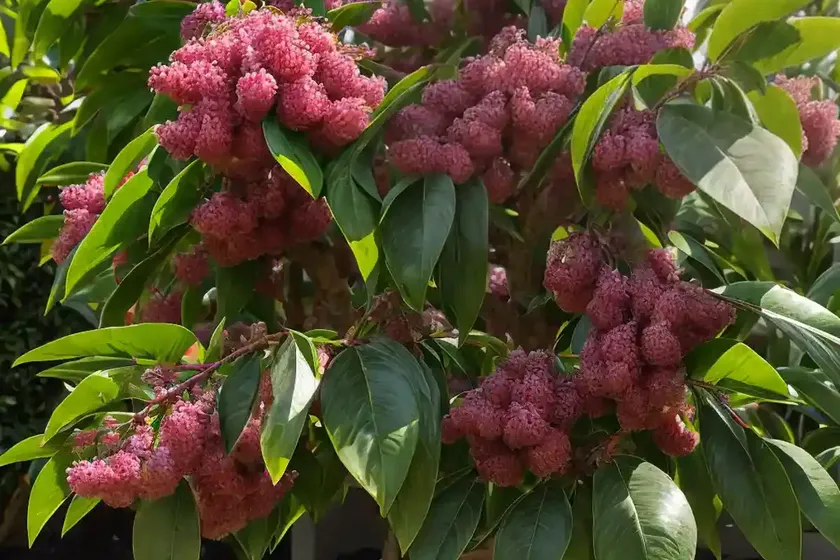
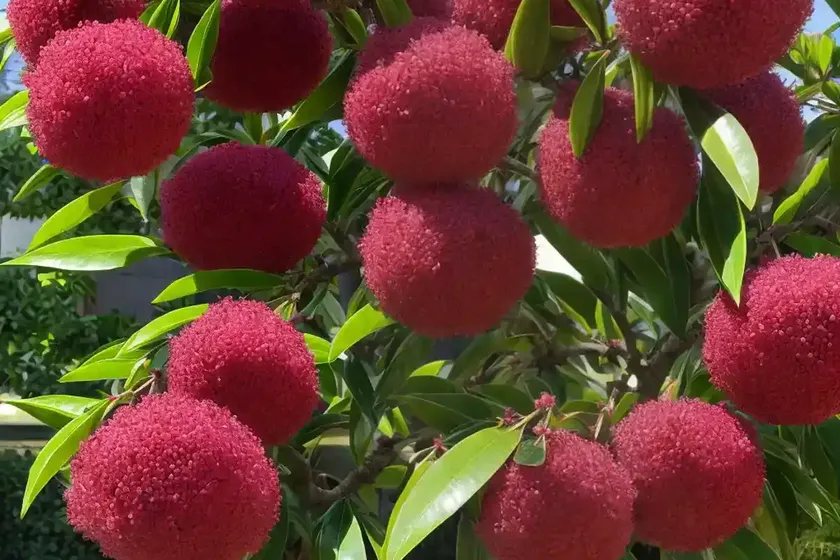
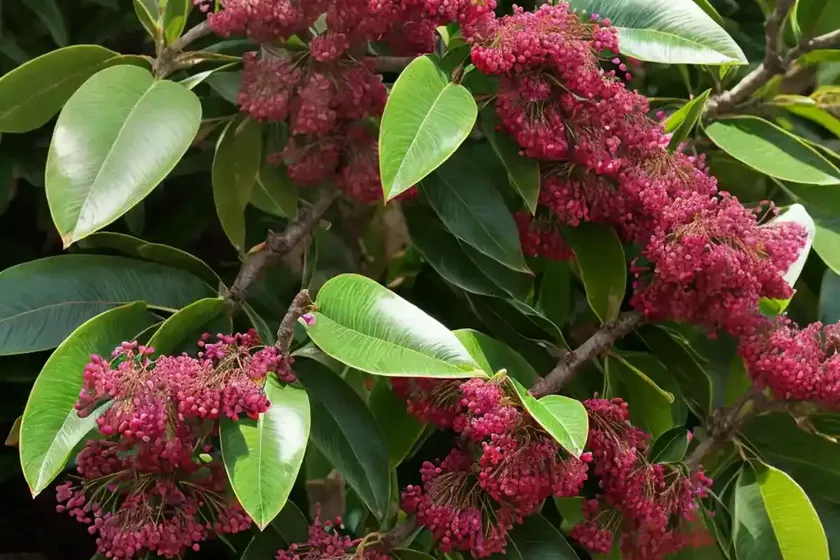
Cherry Laurel, scientifically known as Prunus Laurocerasus ‘otto Luyken’, is a popular evergreen shrub that has gained significant attention in landscaping and gardening due to its versatile nature and aesthetic appeal. It is often used as a hedging plant, privacy screen, or as part of mixed borders, making it a valuable addition to any garden or landscape setting.
In this comprehensive guide, we will delve into the various aspects of Cherry Laurel ‘otto Lukyen’, covering its culture, uses, care requirements, propagation methods, common diseases and pests, and much more. Whether you are a novice gardener or an experienced horticulturist, this guide aims to provide valuable insights into the optimal care and utilization of this remarkable plant.
What is Cherry Laurel ‘otto Lukyen’ (Prunus Laurocerasus ‘otto Luyken’)?
Cherry Laurel ‘otto Lukyen’, or Prunus Laurocerasus ‘otto Luyken’, is a cultivar of the Prunus Laurocerasus species. It is a compact, dense, and upright evergreen shrub with glossy, dark green foliage, making it an excellent choice for formal hedges and ornamental plantings. The ‘otto Luyken’ cultivar is specifically valued for its narrow, columnar growth habit, which sets it apart from other Cherry Laurel varieties.
The plant is adorned with fragrant white flowers in spring, followed by small black berries that add visual interest to the landscape. Its dense foliage and ability to withstand pruning make it an ideal candidate for creating well-defined hedges and screens.
Key Takeaways – Cherry Laurel ‘otto Lukyen’ (Prunus Laurocerasus ‘otto Luyken’)
Before delving into the details, here are the key takeaways that you should keep in mind when it comes to Cherry Laurel ‘otto Lukyen’ (Prunus Laurocerasus ‘otto Luyken’):
- Scientific Name: Prunus Laurocerasus ‘otto Luyken’
- Common Name: Cherry Laurel ‘otto Lukyen’
- Growth Habit: Compact, dense, upright
- Foliage: Glossy, dark green
- Flowers: Fragrant white flowers in spring
- Berries: Small black berries
- Growth Rate: Moderate
- Uses: Hedging, privacy screening, borders, ornamental plantings
With these key points in mind, let’s explore the various aspects of Cherry Laurel ‘otto Lukyen’, ranging from its cultural requirements to common pests and diseases, and everything in between.
Culture
Water
Cherry Laurel ‘otto Lukyen’ exhibits moderate drought tolerance once established, making it suitable for various landscape settings. However, consistent moisture is essential during its initial establishment phase and periods of prolonged drought. Adequate irrigation is particularly crucial during hot, dry spells to prevent stress and maintain the plant’s vitality.
When watering Cherry Laurel ‘otto Lukyen’, it is important to ensure that the soil is consistently moist but not waterlogged. Regular deep watering is preferred over frequent shallow watering to encourage the development of a robust root system. Additionally, ensure that the plant receives ample moisture during extended dry periods to promote healthy growth and prevent desiccation.
Sunlight
In terms of sunlight requirements, Cherry Laurel ‘otto Lukyen’ thrives in full to partial sunlight. It performs best in locations with at least 4-6 hours of direct sunlight per day, although it can tolerate partial shade with adequate light. Proper sun exposure is crucial for promoting vigorous growth, abundant flowering, and overall plant health.
When selecting a planting site for Cherry Laurel ‘otto Lukyen’, consider placing it in a position that receives sufficient sunlight while also offering some protection from intense afternoon sun, especially in regions with hot summers. Adequate sunlight exposure plays a key role in ensuring the plant’s vitality and enhancing its ornamental appeal.
Fertilizer
Proper fertilization is instrumental in supporting the growth and vitality of Cherry Laurel ‘otto Lukyen’. A balanced, slow-release fertilizer formulated for evergreen shrubs can be applied in spring to provide essential nutrients for the plant’s development. An NPK (nitrogen, phosphorus, potassium) ratio of 10-10-10 or similar is generally suitable for promoting healthy growth and foliage color.
When applying fertilizer, it is important to follow the manufacturer’s instructions regarding the application rate and method. Avoid overfertilization, as excessive nutrient levels can lead to imbalanced growth and potential issues. Additionally, a layer of organic mulch can be beneficial for conserving soil moisture, suppressing weed growth, and gradually enriching the soil with organic matter.
Soil
Cherry Laurel ‘otto Lukyen’ thrives in well-draining, fertile soil with a slightly acidic to neutral pH range. It is adaptable to a variety of soil types, including loamy, sandy, or clay soils, as long as they are well-drained and supplemented with organic matter for improved fertility and texture. Prior to planting, it is recommended to amend the soil with organic compost or peat moss to enhance its structure and nutrient content.
When selecting a planting site, ensure that the soil is well-drained to prevent waterlogging, which can lead to root rot and other moisture-related issues. Conduct a simple percolation test to assess the soil’s drainage capabilities, and make amendments as necessary to create an ideal planting environment for Cherry Laurel ‘otto Lukyen’.
Pruning
Pruning is an essential aspect of Cherry Laurel ‘otto Lukyen’ care, especially when it is used for formal hedges, screens, or ornamental purposes. Regular pruning helps maintain a tidy, compact growth habit and promotes dense foliage production. It is advisable to prune the plant annually to shape and rejuvenate its growth, typically in late winter or early spring before the onset of new growth.
When pruning Cherry Laurel ‘otto Lukyen’, use clean, sharp pruning shears to make precise cuts and avoid causing unnecessary damage to the plant. Remove any dead, diseased, or damaged branches, and selectively prune to maintain the desired size and shape. Additionally, it is important to avoid cutting back into old wood, as the plant may struggle to regenerate foliage from older stems.
Proper pruning techniques not only enhance the plant’s aesthetic appeal but also contribute to its overall health and vitality. Regular removal of congested or crossing branches can help improve air circulation and reduce the risk of disease infestation, making it an important aspect of Cherry Laurel ‘otto Lukyen’ maintenance.
Propagation
Cherry Laurel ‘otto Lukyen’ can be propagated through various methods, including semi-hardwood cuttings, seeds, and division. Each propagation technique offers unique advantages and challenges, allowing gardeners to choose the most suitable approach based on their preferences and resources. Here are the primary methods of propagating Cherry Laurel ‘otto Lukyen’:
-
Semi-Hardwood Cuttings: Propagation from semi-hardwood cuttings taken in late summer or early autumn is a popular and reliable method for cloning Cherry Laurel ‘otto Lukyen’. Select healthy, non-flowering shoots and prepare them for propagation by removing the lower leaves and applying a rooting hormone. Plant the cuttings in a well-draining rooting medium and provide adequate humidity and warmth to encourage root development.
-
Seeds: While Cherry Laurel ‘otto Lukyen’ can be grown from seeds, this method requires patience and attention to the unique germination requirements of the species. Collect ripe berries from the plant and extract the seeds for sowing. Stratification, involving a period of cold, moist conditions, is often necessary to break seed dormancy and promote successful germination. Seed-grown Cherry Laurel ‘otto Lukyen’ may exhibit some variation in characteristics compared to the parent plant.
-
Division: Propagation by division involves separating mature plants into smaller sections, each with its own root system. While Cherry Laurel ‘otto Lukyen’ may not readily lend itself to division due to its compact growth habit, this method can be employed for established clumps or multi-stemmed specimens. Carefully dig up the plant and divide it into sections, ensuring that each division has sufficient roots and foliage to support its growth.
Container Popularity
Cherry Laurel ‘otto Lukyen’ is well-suited for container cultivation, making it a popular choice for urban gardens, patios, and balconies. Its compact, upright growth habit and evergreen foliage make it an attractive option for adding greenery and structure to container plantings. When grown in containers, Cherry Laurel ‘otto Lukyen’ requires regular watering, proper fertilization, and occasional root pruning to ensure its continued vigor and health.
The versatility of container-grown Cherry Laurel ‘otto Lukyen’ extends to its potential uses in various landscape designs, including formal arrangements, mixed planters, and as a standalone specimen. When choosing a container for Cherry Laurel ‘otto Lukyen’, opt for a sturdy, well-draining vessel that accommodates the plant’s root system and provides adequate room for growth. Additionally, consider using a high-quality potting mix tailored for evergreen shrubs to provide a conducive growth environment.
Common Diseases
Cherry Laurel ‘otto Lukyen’ is generally resistant to major diseases when provided with proper cultural care and growing conditions. However, it is susceptible to certain diseases and issues that can impact its health and appearance. Understanding these common diseases and their symptoms is essential for early detection and effective management. Here are some prevalent diseases that may affect Cherry Laurel ‘otto Lukyen’:
-
Shot Hole Disease: Caused by the fungal pathogen Wilsonomyces carpophilus, shot hole disease leads to the formation of small, circular holes in the plant’s leaves, resembling the damage caused by a shotgun. Infected leaves may exhibit yellowing, browning, or premature leaf drop. To manage shot hole disease, adopt preventive measures such as improving air circulation, avoiding overhead watering, and applying fungicidal sprays as needed.
-
Root Rot: Excessive moisture and poor drainage can lead to root rot in Cherry Laurel ‘otto Lukyen’, resulting in yellowing, wilting, or dieback of the plant’s foliage. To mitigate the risk of root rot, ensure that the plant is situated in well-draining soil and avoid overwatering. Additionally, promptly address any drainage issues and waterlogged conditions to prevent root rot and associated complications.
-
Powdery Mildew: Powdery mildew, caused by various fungal pathogens, can manifest as a powdery white coating on the plant’s foliage, impairing its appearance and vigor. Adequate air circulation, proper spacing, and timely fungicidal treatments can help manage powdery mildew and prevent its spread. It is important to diagnose the specific type of powdery mildew affecting Cherry Laurel ‘otto Lukyen to implement targeted control measures effectively.
Disease Diagnosis
When diagnosing diseases in Cherry Laurel ‘otto Lukyen, it is crucial to closely inspect the plant for symptoms such as leaf discoloration, wilting, abnormal growths, or unusual patterns of damage. Keep an eye on the plant’s overall vigor and assess any changes in its appearance or health indicators. Furthermore, consider environmental factors, such as moisture levels, temperature, and light exposure, that could contribute to disease development.
Engaging in proactive disease monitoring and maintaining comprehensive records of the plant’s health can aid in the early detection and timely management of potential issues. If you suspect that Cherry Laurel ‘otto Lukyen’ is affected by a specific disease, seek guidance from reputable horticultural resources, extension services, or plant health professionals to accurately identify the problem and implement appropriate solutions.
Common Pests
Cherry Laurel ‘otto Lukyen’ is relatively resistant to pest infestations, thanks to its robust nature and natural defenses. However, certain insects and pests can occasionally pose a threat to the plant’s health and vitality. By familiarizing yourself with these common pests and their characteristics, you can take proactive measures to prevent infestations and minimize potential damage. Here are some pests to watch out for:
-
Scale Insects: Scale insects can affect Cherry Laurel ‘otto Lukyen, causing visible feeding damage on the foliage and stems. These immobile pests often appear as small, waxy bumps and may excrete honeydew, leading to sooty mold development. Pruning out heavily infested branches and applying horticultural oils can help manage scale infestations effectively.
-
Aphids: Aphids are sap-sucking insects that can colonize the tender shoots and foliage of Cherry Laurel ‘otto Lukyen, leading to distorted growth and the production of sticky honeydew. Encouraging natural predators, such as ladybugs and lacewings, and deploying targeted insecticidal treatments when necessary can help control aphid populations and reduce their impact on the plant.
-
Leaf Miners: Leaf miner larvae create distinctive tunnels or serpentine patterns within the foliage of Cherry Laurel ‘otto Lukyen, resulting in aesthetic damage and potential stress to the plant. Regular monitoring for early signs of leaf miner activity and implementing cultural and chemical control methods can minimize the impact of these pests on the plant’s health.
Botanist’s Tips
As a plant enthusiast, embracing the following botanist’s tips can enhance your experience with Cherry Laurel ‘otto Lukyen and contribute to the plant’s successful growth and well-being:
-
Cultural Adaptability: Understand the plant’s adaptability to various growing conditions and climatic factors, enabling you to select suitable environments and provide optimal care for Cherry Laurel ‘otto Lukyen.
-
Species-specific Care: Familiarize yourself with the unique care requirements of Prunus Laurocerasus ‘otto Luyken’, encompassing aspects such as soil preferences, watering needs, and sunlight tolerance, to tailor your care practices accordingly.
-
Integrated Pest Management (IPM): Embrace an IPM approach to pest and disease management, emphasizing preventive measures, biological controls, and targeted interventions to maintain the plant’s health while minimizing environmental impact.
-
Pruning Techniques: Master the art of pruning Cherry Laurel ‘otto Lukyen to promote healthy growth, maintain its desired form, and prevent potential issues associated with neglected or improper pruning practices.
By incorporating these botanist’s tips into your approach to Cherry Laurel ‘otto Lukyen care, you can cultivate a deeper appreciation for the plant and create an environment conducive to its thriving growth and development.
Fun Facts
Uncover some intriguing fun facts about Cherry Laurel ‘otto Lukyen that highlight its unique characteristics and ecological significance:
-
Wildlife Attraction: The dense foliage and berries of Cherry Laurel ‘otto Lukyen can attract birds and other wildlife, offering a valuable food source and potential habitat benefits in garden and natural settings.
-
Evergreen Charm: Cherry Laurel ‘otto Lukyen remains evergreen throughout the year, providing a consistent backdrop of glossy foliage and structure in the landscape, even during the winter months.
-
Traditional Uses: Historically, Cherry Laurel has been associated with various traditional uses, ranging from folklore and symbolism to applications in traditional medicine and cultural significance.
-
Landscape Versatility: The versatility of Cherry Laurel ‘otto Lukyen extends to its suitability for diverse landscape uses, such as hedging, screening, and ornamental plantings, showcasing its adaptive nature and aesthetic appeal.
Links to External Resources
Explore the following external resources to delve deeper into the world of Cherry Laurel ‘otto Lukyen, expanding your knowledge and appreciation for this remarkable plant:
- Royal Horticultural Society – Prunus Laurocerasus ‘otto Luyken’
- University of Florida IFAS Extension – Cherry Laurel in the Landscape
- Mississippi State University Extension – Plant Propagation: Semi-hardwood Cuttings
By tapping into these valuable resources, you can gain insights, tips, and guidance from reputable sources, further enriching your understanding of Cherry Laurel ‘otto Lukyen and its cultivation.
In conclusion, Cherry Laurel ‘otto Lukyen (Prunus Laurocerasus ‘otto Luyken’) stands as a captivating and versatile evergreen shrub, offering a myriad of landscape possibilities and ornamental charm. By embracing the comprehensive care guidelines, propagation methods, and insights shared in this guide, you can embark on a rewarding journey of nurturing and celebrating the unique attributes of this remarkable plant.
With the completion of this comprehensive guide to Cherry Laurel ‘otto Lukyen (Prunus Laurocerasus ‘otto Luyken’), readers will gain a thorough understanding of the plant’s cultural requirements, propagation techniques, common diseases and pests, and intriguing fun facts. This resource aims to serve as a valuable reference for gardeners, horticulturists, and plant enthusiasts seeking to cultivate and appreciate the timeless beauty of Cherry Laurel ‘otto Lukyen in diverse garden and landscape settings.


