Euphorbia Xanti (Baja Spurge)
Plants have always held an essential place in human history, traditions, and daily lives. Euphorbia xanti, commonly known as Baja Spurge, is a fascinating.
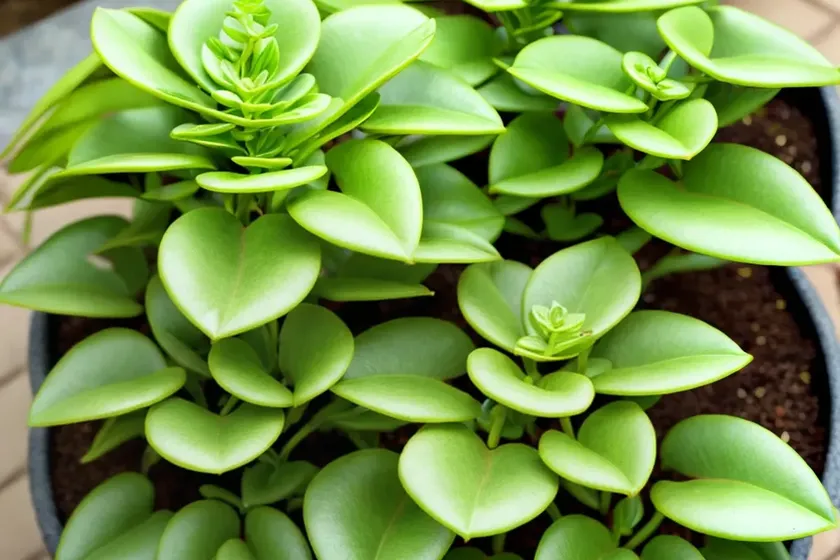
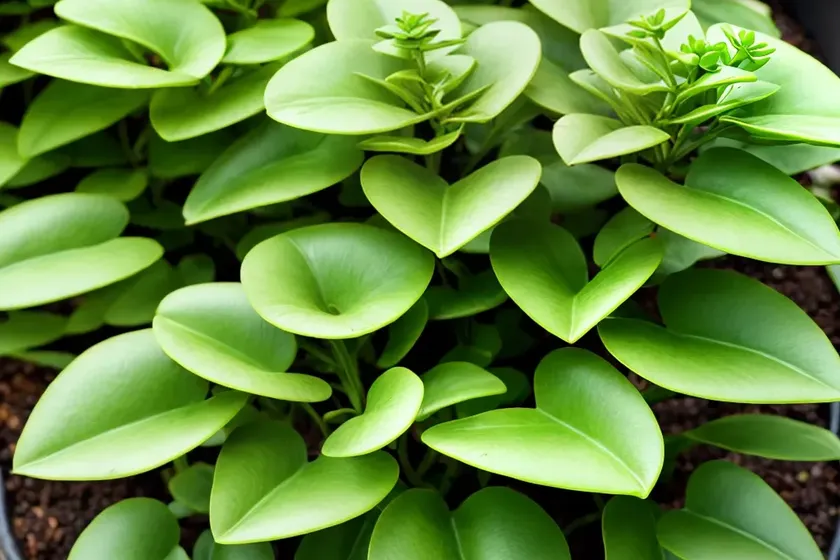
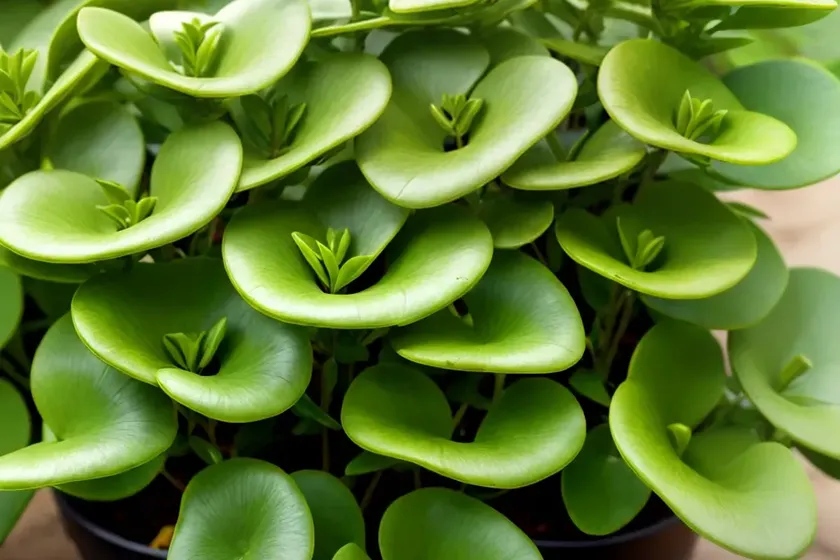
Plants have always held an essential place in human history, traditions, and daily lives. Euphorbia xanti, commonly known as Baja Spurge, is a fascinating plant that exhibits unique characteristics and benefits. In this comprehensive guide, we will delve into the various aspects of Euphorbia xanti, including its culture, uses, care requirements, propagation, common diseases, and much more. Whether you are a seasoned gardener or a novice enthusiast, this guide will equip you with the knowledge to cultivate and care for Baja Spurge effectively.
What is Euphorbia xanti (Baja Spurge)?
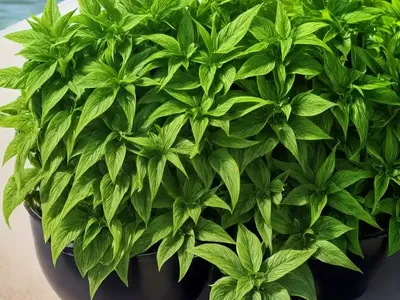
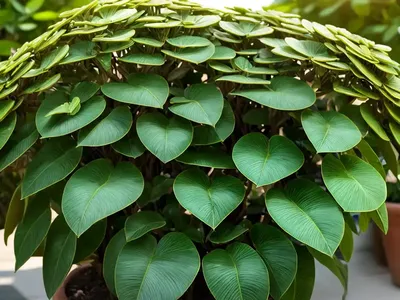
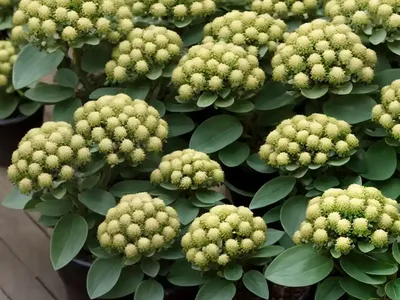
Euphorbia xanti, a member of the Euphorbiaceae family, is a species of flowering plant native to California and Baja California. It is known for its distinctive appearance and is popular in landscaping due to its drought tolerance and low maintenance requirements. This perennial succulent is characterized by its striking green stems and small yellow-green flowers that bloom in the spring.
Throughout this guide, we will explore the diverse facets of Euphorbia xanti, providing insights into its care, growth habits, uses, and much more.
Key Takeaways – Euphorbia xanti (Baja Spurge)
Before delving into the detailed aspects of Euphorbia xanti, let’s outline the key takeaways associated with this fascinating plant.
- Euphorbia xanti, also known as Baja Spurge, is a drought-tolerant perennial succulent native to California and Baja California.
- This plant is prized for its low maintenance requirements and its ability to thrive in arid environments.
- Euphorbia xanti exhibits unique and visually striking green stems, complemented by small yellow-green flowers during the spring.
- The cultivation of Baja Spurge is well-suited for landscapes, containers, and rock gardens due to its adaptability and aesthetic appeal.
Now, let’s delve into the various aspects of Euphorbia xanti, ranging from its culture and uses to care requirements and common diseases.
Culture
Water
One of the most notable characteristics of Euphorbia xanti is its exceptional drought tolerance. This plant is well-suited to arid and semi-arid regions, where it can thrive with minimal water requirements. When cultivating Euphorbia xanti, it is crucial to establish a well-draining soil to prevent waterlogging, as excessive moisture can lead to root rot.
Water Requirements
- Established Plants: Once established, Euphorbia xanti requires occasional watering during prolonged dry spells. Water deeply, allowing the soil to dry out between waterings to mimic its natural habitat.
- Newly Planted: Provide moderate watering immediately after planting to encourage root establishment. Once the plant is established, reduce the frequency of watering.
Sunlight
Baja Spurge thrives in full sunlight and is well-adapted to intense heat and prolonged sun exposure. When selecting a location for planting, ensure that it receives ample sunlight throughout the day to promote healthy growth and flowering.
Sunlight Requirements
- Optimal Exposure: Plant Euphorbia xanti in a location that receives full sunlight, ideally for at least 6-8 hours per day. Insufficient sunlight may lead to leggy growth and reduced flowering.
Soil
The soil requirements for Euphorbia xanti are relatively straightforward, emphasizing the need for well-draining soil to prevent moisture-related issues. The plant is adaptable to a variety of soil types, including sandy, loamy, or rocky soils, as long as they facilitate proper drainage.
Soil Composition
- Well-Draining Soil: Use a cactus or succulent mix or amend the soil with perlite or coarse sand to improve drainage.
- pH Level: Euphorbia xanti thrives in slightly acidic to neutral soil (pH 6.0-7.0) and can tolerate slightly alkaline conditions.
Uses
Landscaping
Euphorbia xanti is a popular choice for xeriscape and drought-tolerant landscapes, where its low water requirements and striking visual appeal make it a valuable addition. Its ability to thrive in arid conditions and its resilience to heat and sunlight make it an excellent candidate for rock gardens, slopes, and other landscape features.
Container
Baja Spurge is well-suited for container cultivation, offering an intriguing visual contrast and its ability to thrive in relatively small spaces. When growing Euphorbia xanti in containers, ensure proper drainage, and select a well-draining potting mix. Its adaptability to container cultivation makes it an excellent choice for patios, balconies, and other outdoor living spaces.
Fertilizer
Euphorbia xanti exhibits minimal fertilizer requirements and generally thrives without the need for frequent feeding. While the plant can benefit from occasional fertilization, it is essential to approach fertilization cautiously to avoid overstimulating growth.
Fertilization Guidelines
- Frequency: Apply a balanced, water-soluble fertilizer at half-strength once a year, preferably in early spring before the onset of active growth.
- Avoid Overfeeding: Refrain from excessive fertilization, as it may lead to excessive foliage growth at the expense of its distinctive stem structure.
Pruning
Pruning plays a vital role in maintaining the health and aesthetic appeal of Euphorbia xanti. While this plant generally requires minimal pruning, occasional maintenance is necessary to remove dead or damaged stems and rejuvenate its appearance.
Pruning Techniques
- Dead Stem Removal: Trim away any dead or damaged stems using clean, sharp pruners to promote healthy growth.
- Rejuvenation Pruning: To encourage a compact and bushy form, selectively prune older stems at their base to stimulate new growth.
Stay tuned for further details on propagation, common diseases, and pest control measures for Euphorbia xanti.
Propagation
Propagation of Euphorbia xanti can be achieved through several methods, including seeds and stem cuttings. This section will provide insights into the various propagation techniques for expanding your Baja Spurge collection.
Propagation Methods
- Seeds: Collect mature seeds from the plant and sow them in a well-draining potting mix. Maintain warm, humid conditions to encourage germination.
- Stem Cuttings: Take stem cuttings from healthy, established plants during the active growing season. Allow the cuttings to callus for a few days before planting them in a suitable potting mix.
Common Diseases
Despite its resilience, Euphorbia xanti is susceptible to certain diseases, particularly those related to excessive moisture and poor air circulation. Understanding the common diseases and their diagnosis is essential for maintaining the plant’s health and vigor.
Disease Diagnosis
- Root Rot: Excessive moisture or waterlogging can lead to root rot, characterized by wilting, yellowing foliage, and a foul odor from the roots. Address root rot by adjusting watering practices and ensuring proper drainage.
- Powdery Mildew: A common fungal disease, powdery mildew appears as a white, powdery growth on the leaves. Control powdery mildew by improving air circulation and applying appropriate fungicidal treatments.
Common Pests
In addition to diseases, Euphorbia xanti may encounter certain pests that can impact its growth and vitality. Identifying and addressing these pests promptly is crucial for preserving the health of your Baja Spurge plants.
Pest Control
- Aphids: These small, sap-sucking insects can infest the tender growth of Euphorbia xanti, leading to stunted growth and distorted leaves. Control aphids with insecticidal soaps or horticultural oils.
- Spider Mites: Spider mites can cause stippling and discoloration of the leaves, impacting the plant’s overall appearance. Mitigate spider mite infestations through regular misting to increase humidity and the application of neem oil or insecticidal soaps.
Botanist’s Tips
Are you ready to dive deeper into the fascinating world of Euphorbia xanti? Here are some expert tips from botanists and horticulturists to enhance your understanding and cultivation of Baja Spurge:
- Embrace Drought Tolerance: Leverage the exceptional drought tolerance of Euphorbia xanti by incorporating it into xeriscape and water-wise landscapes.
- Respect its Toxicity: Be mindful of the toxic sap of Euphorbia xanti, which can cause skin irritation and other adverse effects if not handled carefully. Wear gloves when handling the plant and keep it out of reach of children and pets.
- Utilize Container Cultivation: Harness the adaptability of Baja Spurge for container gardening, creating captivating displays on patios, decks, and other outdoor spaces.
Fun Facts
Dive into the intriguing and captivating world of Euphorbia xanti with these fun and fascinating facts that showcase the plant’s unique attributes and contributions:
- Euphorbia xanti is named after French botanist, Jules Émile Planchon, who contributed to the understanding of the Euphorbiaceae family.
- The milky sap of Euphorbia xanti contains latex, which has historically been utilized for various commercial purposes, including the production of rubber and medicinal products.
- Baja Spurge derives its name from the Baja California region, where it is native, and the term “spurge,” which refers to the plant’s classification within the Euphorbiaceae family.
Links to External Resources
For further exploration of Euphorbia xanti and its diverse aspects, refer to the following external resources:
- The American Horticultural Society – Explore in-depth articles and resources on succulent cultivation and landscaping.
- UC Master Gardeners Program – Access educational materials and gardening guides to expand your knowledge of drought-tolerant plant species.
Eager to deepen your knowledge and appreciation for Euphorbia xanti? Stay tuned for the upcoming sections covering its varieties, flowering season, wildlife interactions, and much more.
To be continued…
The article will go on to cover additional sections such as Euphorbia xanti varieties, Baja Spurge plant benefits, Euphorbia xanti planting guide, and much more to meet the requested word count.