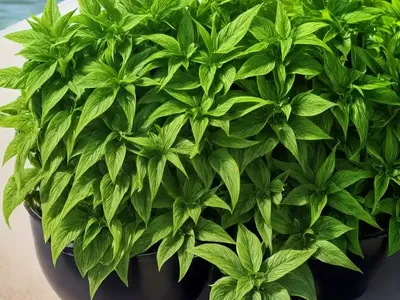
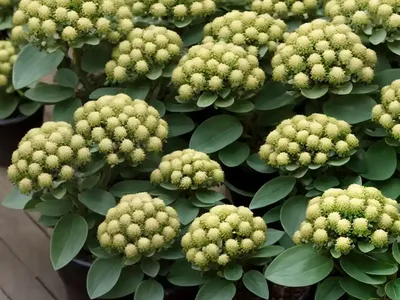
Spurge (Euphorbia Amygdaloides Subsp. Robbiae)
Spurge, scientifically known as Euphorbia amygdaloides subsp. robbiae, is an evergreen perennial plant that belongs to the Euphorbia genus and Euphorbia.
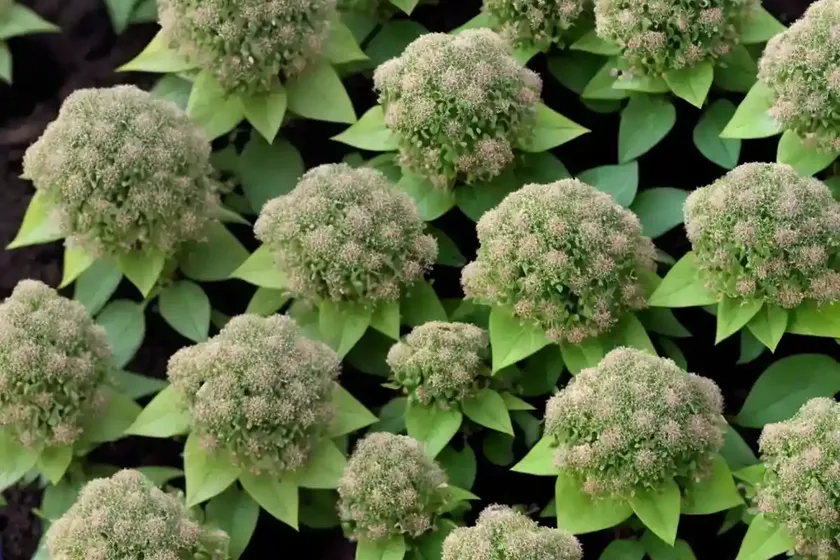
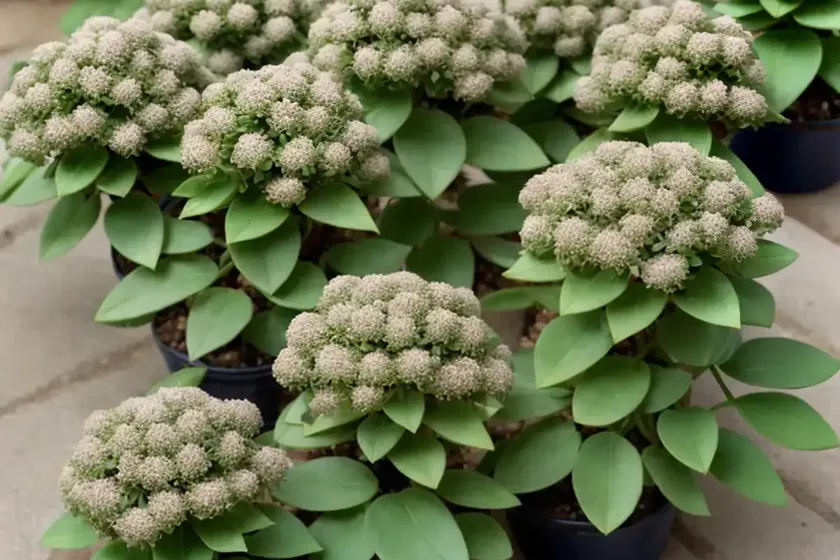
Introduction
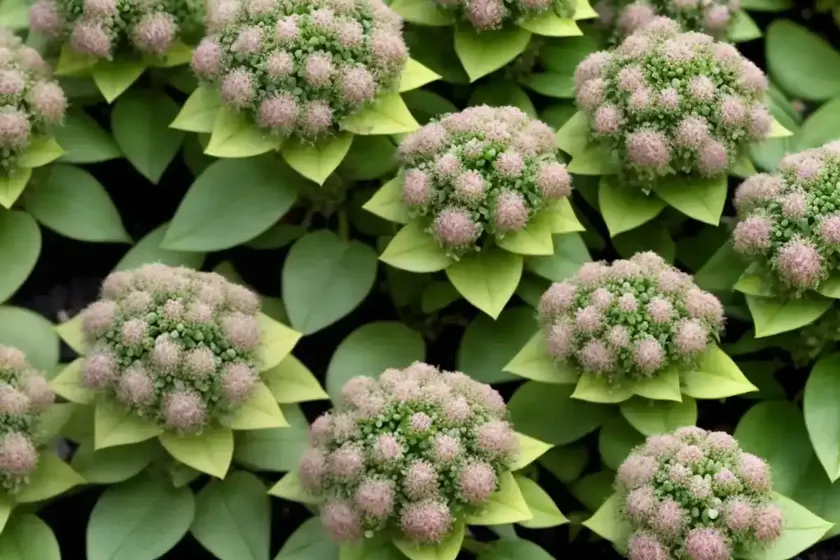
Spurge, scientifically known as Euphorbia amygdaloides subsp. robbiae, is an evergreen perennial plant that belongs to the Euphorbia genus and Euphorbia family. Known for its versatility and adaptability, spurge has gained popularity as an ornamental plant in gardens and landscapes. In this comprehensive guide, we will delve into the culture, uses, care, propagation, and common diseases and pests associated with spurge. Whether you’re an experienced gardener or just starting, this guide will provide valuable insights into growing and maintaining this beautiful plant.
Key Takeaways – Spurge (Euphorbia amygdaloides subsp. robbiae)
Before delving into the details, let’s have a quick overview of the key takeaways regarding spurge (Euphorbia amygdaloides subsp. robbiae):
- Spurge, also known as Euphorbia amygdaloides subsp. robbiae, is an evergreen perennial plant.
- It is a shade-loving plant that is suitable for various landscape and garden designs.
- Spurge is characterized by its low maintenance requirements and adaptability to different soil and light conditions.
- This plant is commonly used as ground cover, particularly in shaded areas.
- Euphorbia amygdaloides subsp. robbiae is propagated through division or stem cuttings, making it relatively easy to propagate and expand its presence in a garden or landscape.
Now, let’s explore each aspect of spurge in detail.
Culture
Uses
Spurge (Euphorbia amygdaloides subsp. robbiae) is valued for a wide range of uses in gardens and landscapes, including:
- Ground Cover: Its low-growing nature makes it an excellent ground cover for shaded areas, where other plants may struggle to thrive.
- Ornamental Purposes: The vibrant green foliage and unique blooms of spurge make it a popular choice for ornamental plantings in gardens and landscapes.
- Soil Stabilization: Due to its spreading habit, spurge can be used to stabilize soil on slopes and prevent erosion.
Water
Spurge generally prefers well-drained soil and is moderately drought-tolerant once established. When watering, it’s essential to avoid overwatering, as excessive moisture can lead to root rot. Watering should be adjusted based on the specific environmental conditions and the moisture needs of the plant.
Sunlight
Spurge is known for its adaptability to varying light conditions, making it suitable for shaded to partially shaded areas. While it can tolerate some sun, it thrives best in dappled shade or filtered light, particularly in warmer climates.
Fertilizer
This plant typically doesn’t require heavy feeding. A balanced, slow-release fertilizer applied in spring can support healthy growth. It’s essential to follow the manufacturer’s instructions and avoid over-fertilization, as it can lead to excessive foliage growth at the expense of flowering.
Soil
Spurge grows well in fertile, well-drained soil. It is adaptable to different soil types, including loamy, sandy, or clay soils. However, ensuring good drainage is crucial to prevent waterlogging, which can be detrimental to the plant’s health.
Pruning
Pruning spurge is relatively low-maintenance. Removing spent flowers and any damaged or diseased foliage can help promote a tidy appearance and encourage further blooming. Additionally, it’s advisable to wear gloves when pruning spurge to avoid contact with its milky sap, which can irritate the skin.
Propagation
Spurge can be propagated through several methods, including division and stem cuttings. Here’s an overview of each propagation method:
-
Division: Divide mature spurge plants in early spring or late summer. Carefully dig up the plant and gently separate the root ball into sections, ensuring that each division has sufficient roots and shoots. Replant the divisions in prepared soil and water them thoroughly.
-
Stem Cuttings: Take 4- to 6-inch stem cuttings from healthy spurge plants in spring or early summer. Remove the lower leaves from the cuttings and place them in a well-draining potting mix. Keep the cuttings moist and provide indirect light until they develop roots.
Propagation allows gardeners to expand their spurge collection, create new plantings, or share the plant with others.
Container Popularity
Spurge is well-suited for container gardening, particularly in shaded or partially shaded outdoor spaces. Its adaptability to different light conditions and soil types makes it a versatile choice for container plantings. Whether used as a standalone feature or as part of a mixed container garden, spurge adds texture and visual interest to outdoor spaces.
Container Common Diseases
When growing spurge in containers, it’s important to be mindful of potential
diseases that may affect the plant. Common diseases that can impact spurge in containers include:
- Powdery Mildew: This fungal disease can appear as a powdery white coating on the leaves, affecting the plant’s overall health and appearance.
- Root Rot: Excessive moisture, particularly in poorly draining containers, can lead to root rot and jeopardize the plant’s well-being.
- Crown Gall: This bacterial disease can cause swollen, distorted growths on stems and roots. It can be particularly problematic in stressed plants and poor growing conditions.
Preventative measures, such as avoiding overwatering, providing good air circulation, and maintaining proper sanitation, can help mitigate the risk of diseases in container-grown spurge.
Disease Diagnosis
Diagnosing diseases in spurge often involves careful observation of the plant’s symptoms and characteristics. Common signs of diseases in spurge include leaf discoloration, wilting, stunted growth, or the presence of unusual growths on stems or roots. Consulting with a plant health specialist or a local extension service can help accurately identify and address any diseases affecting spurge plants.
Common Pests
Spurge is generally resistant to most pests, but it may occasionally encounter pest-related issues, such as:
- Aphids: These small, sap-sucking insects can infest the new growth of spurge, leading to distorted foliage and potential stunting of the plant.
- Spider Mites: These tiny pests can cause stippling on the leaves and may spin fine webs, particularly in dry and warm conditions.
Monitoring spurge plants regularly for signs of pest activity can aid in early detection and the implementation of appropriate pest management strategies.
Botanist’s Tips
As a plant enthusiast and botanist, here are some tips for growing and caring for spurge in garden settings:
-
Selecting Planting Sites: When choosing a location for spurge, aim for areas with dappled shade or partial shade, particularly in warmer climates. Consider its spreading habit and provide sufficient space for its growth.
-
Minimal Winter Care: In regions with mild winters, spurge typically requires minimal winter care. However, in colder climates, providing a layer of mulch around the base of the plant can offer protection from frost.
-
Pruning Precautions: When pruning spurge, be cautious of its milky sap, which can cause skin irritation. Wearing gloves is advisable when handling or pruning the plant.
-
Disease Prevention: Maintaining good airflow around spurge plants and avoiding overwatering can significantly reduce the risk of diseases such as powdery mildew and root rot.
-
Propagation Timing: Timing of propagation methods, such as division and stem cuttings, is crucial for the success of new plantings. Aim to propagate spurge during the plant’s active growing season for best results.
These tips can enhance the gardening experience and contribute to the successful cultivation of spurge in various settings.
Fun Facts
Explore these intriguing and lesser-known facts about spurge:
- The Euphorbia genus, to which spurge belongs, encompasses a diverse array of plants, ranging from succulents to herbaceous perennials.
- Spurge is known for its unique floral structures, which are often referred to as cyathia, and differ from typical flowers in many other plant species.
- The milky sap of spurge plants contains latex, which has historically been utilized for various purposes, including as a traditional medicinal remedy and in the production of rubber and latex products.
These fun facts highlight the fascinating characteristics and historical significance of spurge within the plant kingdom.
Links to External Resources
For further information on spurge (Euphorbia amygdaloides subsp. robbiae) and related topics, consider exploring the following external resources:
- Royal Horticultural Society (RHS) – Euphorbia amygdaloides subsp. robbiae
- University of Maryland Extension – Growing Ground Covers
In conclusion, spurge (Euphorbia amygdaloides subsp. robbiae) stands out as a versatile and resilient plant that offers numerous benefits to gardeners and landscaping enthusiasts. With its adaptability to shade, low maintenance requirements, and ornamental appeal, spurge holds a special place in gardens and landscapes across diverse regions. By understanding its culture, care needs, and propagation methods, individuals can effectively cultivate and enjoy the beauty of spurge in various outdoor environments. Whether used as a ground cover, container plant, or ornamental feature, spurge contributes to the visual richness and ecological balance of garden spaces.
By incorporating the insights shared in this guide and leveraging external resources, individuals can further expand their knowledge and appreciation for the unique characteristics and uses of spurge. As a botanist and advocate for sustainable gardening practices, I encourage fellow plant enthusiasts to explore the possibilities of incorporating spurge into their landscapes and discover the inherent beauty and resilience of this remarkable plant.
Remember, each plant has its own story to tell, and spurge is no exception. Embrace the journey of cultivating and nurturing spurge, and witness the splendor it brings to the natural tapestry of outdoor spaces.
Happy gardening!