Canna ‘Ra’ (Canna Lily): Everything You Need to Know
Introduction
Canna ‘Ra’, commonly known as Canna Lily, is a stunning plant cherished for its vibrant and striking flowers. With its exotic appearance and easy-to-maintain nature, the Ra Canna Lily has gained popularity among plant enthusiasts and horticulturists. In this comprehensive guide, we will delve into the various aspects of Canna ‘Ra’, including its culture, uses, maintenance, common diseases, and much more.
What is Canna ‘Ra’ (Canna Lily)?
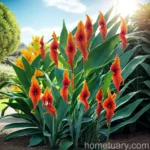
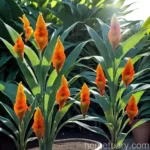
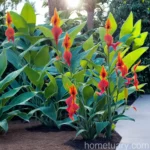
Canna ‘Ra’ is a hybrid Canna Lily cultivar, renowned for its captivating and large flowers. This perennial plant belongs to the Cannaceae family and is recognized for its tall stature, vibrant foliage, and numerous blooms. The stunning flowers, which are commonly found in shades of red and orange, and the lush green leaves, make this species a favorite for both home gardens and professional landscaping projects.
Key Takeaways – Canna ‘Ra’ (Canna Lily)
Before delving into the details of Canna ‘Ra’, let’s take a quick look at the key points we will explore in this guide:
- Culture
- Uses
- Water
- Sunlight
- Fertilizer
- Soil
- Pruning
- Propagation
- Container Popularity
- Common Diseases
- Disease Diagnosis
- Common Pests
- Botanist’s Tips
- Fun Facts
- Links to External Resources
Now, let’s dive deeper into each of these aspects to gain a comprehensive understanding of this remarkable plant.
Culture
Canna ‘Ra’ thrives in warm and tropical climates, making it a favorite in regions with long summers. Understanding the cultural requirements of this plant is essential for its successful growth and development.
Uses
Ornamental Purposes: One of the primary uses of Canna ‘Ra’ is for its ornamental value. The vibrant and showy flowers make it an excellent addition to garden beds, borders, and container gardens.
Landscaping: Due to its striking appearance and tall stature, Canna ‘Ra’ is often used in landscaping projects to provide a tropical or exotic appeal. It adds color and texture to outdoor spaces, making it a popular choice for professional landscapers and garden enthusiasts alike.
Water
Adequate water is crucial for the healthy growth of Canna ‘Ra’. While it thrives in moist conditions, it is essential to avoid waterlogging, which can lead to root rot and other issues.
-
Regular Watering: During the active growing season, Canna ‘Ra’ should be watered regularly, especially during dry spells. Aim to keep the soil consistently moist but not waterlogged.
-
Drainage: Good drainage is essential for this plant. Ensure that the soil drains well and avoid overwatering, particularly in areas with heavy rainfall.
Sunlight
Canna ‘Ra’ thrives in full sun to partial shade, making it a versatile choice for a range of garden environments. Its sunlight requirements are as follows:
-
Full Sun: The ideal location for Canna ‘Ra’ is in a spot that receives at least 6-8 hours of direct sunlight per day. This ensures robust growth and abundant flowering.
-
Partial Shade: While it prefers full sun, Canna ‘Ra’ can tolerate some shade, particularly in regions with intense summer heat. However, reduced sunlight may result in fewer blooms and slower growth.
Fertilizer
Proper fertilization is essential for promoting healthy growth and vibrant blooms in Canna ‘Ra’. Here are some key points to consider:
-
Balanced Fertilizer: Use a balanced fertilizer with equal N-P-K (nitrogen, phosphorus, potassium) ratio to provide essential nutrients for robust growth and flowering.
-
Application: Apply fertilizer during the growing season, following the manufacturer’s instructions for the correct dosage and frequency.
Soil
The right soil conditions are crucial for the successful cultivation of Canna ‘Ra’. Here are the soil requirements for this stunning plant:
-
Well-Draining Soil: Canna ‘Ra’ thrives in well-draining, fertile soil. Incorporate organic matter such as compost to improve soil structure and fertility.
-
pH Level: The ideal soil pH for Canna ‘Ra’ ranges from 6.0 to 6.8. Test the soil pH and make amendments as necessary to provide an optimal growing environment.
Pruning
Pruning is an essential aspect of Canna ‘Ra’ maintenance, helping to promote a tidy appearance and encourage continuous flowering.
-
Deadheading: Remove spent flowers regularly to encourage the plant to produce new blooms continuously.
-
Cutting Back: In colder climates, cut back the foliage after the first frost to prepare the plant for winter dormancy.
Propagation
Propagating Canna ‘Ra’ allows for the expansion of your plant collection and the sharing of this beautiful species with other enthusiasts. Here are the key propagation methods for Canna ‘Ra’:
-
Division: Divide established clumps of Canna ‘Ra’ in early spring to create new plants. Ensure that each division has healthy rhizomes and ample roots for successful establishment.
-
Seed Propagation: While less common, Canna ‘Ra’ can also be propagated from seeds. Collect ripe seeds and sow them in a well-draining seed-starting mix for germination.
Container Popularity
Canna ‘Ra’ is well-suited for container gardening, allowing for its cultivation in various outdoor and indoor spaces. Let’s explore the factors that contribute to its popularity in containers:
-
Versatility: Canna ‘Ra’ adapts well to container growth, making it an excellent choice for patio gardens, balconies, and other compact spaces.
-
Visual Impact: The vibrant flowers and lush foliage of Canna ‘Ra’ add a striking visual element to container displays, creating a focal point in any garden setting.
-
Portability: Container-grown Canna ‘Ra’ can be easily moved to different locations, allowing for flexibility in garden design and maintenance.
Now that we have covered the cultural aspects of Canna ‘Ra’, let’s delve into its common diseases, pests, and essential maintenance practices.
Common Diseases
Canna ‘Ra’ is typically resilient, but it can be susceptible to certain diseases under unfavorable conditions. Understanding these diseases and their management is crucial for maintaining the health of the plant.
Disease Diagnosis
-
Canna Virus: This viral disease exhibits symptoms such as yellow streaking on the leaves, distorted growth, and overall decline in plant health. Infected plants should be promptly removed and destroyed to prevent the spread of the virus.
-
Leaf Spot: Leaf spot diseases, caused by various fungal pathogens, can affect Canna ‘Ra’ foliage, leading to browning, yellowing, or dark spots. Preventive measures include proper sanitation and fungicidal treatments when necessary.
Common Pests
While generally resilient, Canna ‘Ra’ can attract certain pests that can cause damage if not addressed promptly. The following are some common pests that may affect this plant:
-
Aphids: These small, sap-sucking insects can congregate on the undersides of leaves, causing distortion and yellowing of the foliage. Natural predators and insecticidal soaps can help manage aphid infestations.
-
Spider Mites: These tiny pests thrive in dry and warm conditions, often causing stippling and webbing on the leaves. Regular foliar spraying and maintaining adequate humidity levels can help deter spider mite infestations.
Botanist’s Tips
As a plant scientist, I have some valuable tips to share for the successful cultivation of Canna ‘Ra’. These tips are based on years of experience and expertise in plant science:
-
Mulching: Apply a layer of organic mulch around the base of Canna ‘Ra’ to conserve moisture, suppress weeds, and improve soil fertility. This practice also helps regulate soil temperature, particularly in fluctuating climates.
-
Companion Planting: Consider companion planting with tall, complementary species to create visually appealing garden compositions. The contrasting textures and colors of companion plants can enhance the overall aesthetic appeal of Canna ‘Ra’ displays.
Fun Facts
To further appreciate the beauty and allure of Canna ‘Ra’, here are some fascinating fun facts about this captivating plant:
- The name “Canna” is derived from the Greek word “kanna,” which means “reed” or “cane,” alluding to the plant’s robust and tall growth habit.
- Canna ‘Ra’ hybrids exhibit a wide range of colors, including vibrant shades of red, orange, yellow, and pink, adding diversity to garden landscapes.
- In addition to its ornamental value, certain Canna species have culinary uses, particularly the edible rhizomes, which are utilized in some cultures for culinary purposes.
Links to External Resources
For further information on Canna ‘Ra’ and related topics, explore the following resources:
- American Horticultural Society
- Royal Horticultural Society
- Missouri Botanical Garden
- The Canna Society
In conclusion, Canna ‘Ra’ (Canna Lily) is an exceptional plant renowned for its vibrant blooms, graceful foliage, and adaptability to various growing conditions. Whether used for landscaping, container gardening, or as a focal point in garden beds, this stunning species continues to capture the attention of horticulturists and enthusiasts worldwide. By understanding its cultural requirements, maintenance practices, and potential challenges, you can cultivate and enjoy the beauty of Canna ‘Ra’ while contributing to the diversity of your outdoor spaces.