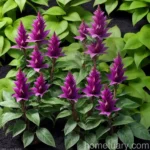
Chelone lyonii (Pink Turtlehead): A Beautiful and Versatile Plant for Your Garden
Plants are not just living organisms existing alongside us; they are essential contributors to our environment and play a major role in our lives. Whether it’s providing us with food, regulating the climate, purifying the air, or simply adding beauty to our surroundings, plants are an integral part of our ecosystem.
One such fascinating plant is Chelone lyonii, commonly known as Pink Turtlehead. This plant is prized for its striking pink flowers and its adaptability to various growing conditions. In this comprehensive guide, we will explore every aspect of Chelone lyonii, its cultural significance, uses, and essential care requirements to help you grow and enjoy this beautiful plant in your garden.
What is Chelone lyonii (Pink Turtlehead)?
Chelone lyonii is a species of flowering plant in the plantain family, Plantaginaceae. It is native to North America, particularly in the eastern United States and southeastern Canada. The plant derives its common name, Pink Turtlehead, from the shape of its flowers, which resemble the open mouth of a turtle. This delightful perennial is known for its beautiful, pink, tubular flowers that bloom in late summer to early fall, adding a burst of color to gardens and landscapes.
Despite its delicate appearance, Pink Turtlehead is quite robust and can thrive in various environmental conditions, making it a popular choice for gardeners and landscapers. In addition to its ornamental value, Chelone lyonii is also known to attract pollinators, such as butterflies and hummingbirds, adding to its ecological significance.
Key Takeaways – Chelone lyonii (Pink Turtlehead)
Before delving into the specifics, let’s take a quick look at the key takeaways of Chelone lyonii to provide an overview of what we will cover in this guide.
- Plant Name: Chelone lyonii (Pink Turtlehead)
- Family: Plantaginaceae
- Common Name: Pink Turtlehead
- Native Habitat: Eastern United States and southeastern Canada
- Blooming Season: Late summer to early fall
- Flower Color: Pink
- Attracts: Butterflies, hummingbirds, and other pollinators
- Features: Tubular flowers resembling the open mouth of a turtle
Now, let’s delve deeper into the different aspects of Chelone lyonii, exploring its culture, uses, and essential care guidelines to help you successfully cultivate this enchanting plant in your garden.
Culture of Chelone lyonii
Understanding the cultural preferences and requirements of Chelone lyonii is essential for successfully growing and maintaining this plant. From its preferred soil conditions to its watering needs, knowing the cultural aspects of Pink Turtlehead is key to promoting its health and vitality.
Uses
Ornamental Value
The primary use of Chelone lyonii is ornamental, as it is prized for its delicate and colorful flowers. Whether used as a focal point in garden beds, mixed borders, or naturalized areas, the vibrant pink blooms of Pink Turtlehead add visual appeal to any landscape.
Ecological Significance
Additionally, Chelone lyonii plays a crucial role in supporting local ecosystems by attracting and providing sustenance for pollinators. Its nectar-rich flowers make it a favorite among butterflies and hummingbirds, contributing to the overall biodiversity of the area it inhabits.
Water
Chelone lyonii thrives in consistently moist to wet soils, making it an ideal choice for rain gardens, pond margins, and other low-lying areas with ample moisture. When establishing this plant, regular watering is essential to ensure that the soil remains evenly moist, mimicking its natural habitat along stream banks and wet meadows.
Sunlight
In terms of sunlight requirements, Pink Turtlehead prefers partial shade to full sun, especially in cooler climates. While it can tolerate some shade, providing it with adequate sunlight promotes healthier growth and more prolific flowering.
Fertilizer
When it comes to fertilization, Chelone lyonii does not have high nutrient requirements. A balanced, slow-release fertilizer applied in spring can help support its growth and blooming potential. However, be cautious not to over-fertilize, as excessive nutrients can lead to lush foliage at the expense of blooms.
Soil
Understanding the soil preferences of Pink Turtlehead is crucial for its successful cultivation. It thrives in moist, humus-rich soils with good drainage. If your soil is on the drier side, amending it with organic matter, such as compost or peat moss, can improve moisture retention and create an optimal growing environment for Chelone lyonii.
Pruning
Pruning Chelone lyonii is relatively minimal, primarily involving the removal of spent flower stalks to promote continuous blooming and maintain a neat appearance. While it is not essential for the plant’s survival, deadheading can encourage additional flower production and prevent self-seeding in cultivated areas.
Propagation of Chelone lyonii
Chelone lyonii can be propagated through several methods, including division, cuttings, and seed sowing. Understanding these propagation techniques can enable you to expand your Pink Turtlehead collection or share the beauty of this plant with others.
Division
Division is a common and effective method for propagating Chelone lyonii. It involves separating the plant into smaller sections, each containing roots and shoots, to create new individuals. This process is typically carried out in early spring before new growth emerges.
Seed Sowing
Collecting and planting seeds is another viable way to propagate Pink Turtlehead. This method is particularly useful for creating large quantities of plants, as well as introducing genetic diversity into the population. Sow the seeds in a well-prepared seedbed or containers and provide the necessary conditions, including warmth and moisture, for germination.
Container Popularity
While Chelone lyonii naturally thrives in moist soils, it can also be grown in containers, provided that the soil remains consistently moist. This versatility makes it a popular choice for container gardening, allowing gardeners to enjoy its beauty on patios, balconies, and other outdoor spaces.
Container Common Diseases
When growing Chelone lyonii in containers, it is important to be mindful of potential diseases that can affect the plant. Common diseases that can impact Pink Turtlehead in containers include:
- Powdery Mildew: A fungal disease that appears as a white, powdery substance on the foliage, typically in humid conditions.
- Leaf Spot: Characterized by brown to black spots on the leaves, often caused by fungal pathogens.
Disease Diagnosis
Diagnosing diseases in container-grown Chelone lyonii involves closely monitoring the plant for any signs of abnormalities, such as unusual spots, discoloration, or wilting. Additionally, being proactive in maintaining good growing conditions, including proper air circulation and soil moisture, can help prevent diseases from taking hold.
Common Pests
While Chelone lyonii is relatively resistant to pests, certain insects may pose a threat to the plant, particularly in stressful growing conditions or when planted in proximity to susceptible species. Common pests that can affect Pink Turtlehead include:
- Aphids: Small, sap-sucking insects that can distort new growth and carry viral diseases.
- Japanese Beetles: These voracious feeders can skeletonize leaves and cause significant damage if present in large numbers.
Botanist’s Tips
To protect Chelone lyonii from pests, implementing cultural practices, such as promoting biodiversity, maintaining healthy soils, and avoiding over-fertilization, can help naturally deter and manage pest populations. Additionally, regular monitoring and prompt intervention, if needed, can prevent pest-related damage to the plant.
Fun Facts
Bringing the world of Chelone lyonii to life, here are some intriguing and entertaining facts about Pink Turtlehead:
- The genus name, Chelone, is derived from the Greek word for “tortoise,” referencing the resemblance of the flower to the head of a turtle.
- Pink Turtlehead is often found growing naturally in wetland areas, playing a vital role in stabilizing the soil and promoting water retention.
- The tubular flowers of Chelone lyonii are specially adapted to attract long-tongued pollinators, such as butterflies and hummingbirds.
Links to External Resources
To further deepen your understanding of Chelone lyonii and explore additional resources, here are some valuable external links:
- The American Horticultural Society
- The United States Department of Agriculture (USDA) Plant Database
- The Lady Bird Johnson Wildflower Center
Now that we have uncovered the fascinating world of Chelone lyonii, from its cultural requirements to its uses and ecological benefits, you are equipped with the knowledge and insights to grow and appreciate this enchanting plant in your own garden. Whether you are drawn to its stunning pink blooms or its ability to attract pollinators, Pink Turtlehead has much to offer and is a delightful addition to any landscape.
By exploring the different aspects of Chelone lyonii, from its cultural preferences to its uses and benefits, we gain a deeper appreciation for this striking plant and the role it plays in our natural environments. Whether you are a seasoned gardener or a nature enthusiast, understanding and cultivating Pink Turtlehead adds a touch of elegance and ecological significance to your outdoor spaces. With its adaptable nature and captivating flowers, Chelone lyonii invites us to celebrate the beauty and resilience of our native plant species.
“`