Plant Scientist’s Guide to Cheddar Pink (Dianthus gratianopolitanus)
Plants are not only a source of beauty but also crucial for the sustenance of life on Earth. Their existence is essential for the survival of all living beings. In the realm of plants, cheddar pink (Dianthus gratianopolitanus) holds a special place due to its striking appearance and versatile uses. As a plant scientist, I am enthusiastic to delve deeper into the world of cheddar pink and provide valuable insights on its cultivation, care, and significance. This comprehensive guide will cover every aspect of cheddar pink, from its cultural requirements and uses to common diseases and pests that affect this plant species.
What is Cheddar Pink (Dianthus gratianopolitanus)?
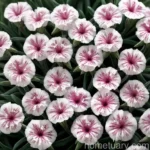
Cheddar pink, scientifically known as Dianthus gratianopolitanus, is a low-growing perennial plant that belongs to the Caryophyllaceae family. It is native to parts of Europe, including Switzerland, France, and Italy. This charming plant is often praised for its stunning and fragrant flowers, making it a popular choice for gardeners and landscape enthusiasts. Its distinct bloom colors, including shades of pink, red, and white, add an enchanting touch to various outdoor settings. Cheddar pink is commonly used as ground cover and is well-suited for rock gardens, borders, and container planting.
Key Takeaways
- Botanical Name: Dianthus gratianopolitanus
- Common Name: Cheddar Pink
- Family: Caryophyllaceae
Now let’s explore the various aspects of cheddar pink, ranging from its culture and uses to care and maintenance.
Culture
Cultivating cheddar pink requires an understanding of its specific cultural requirements. By meeting these needs, growers can ensure optimal growth and vibrant blooms from this charming plant.
Water
Cheddar pink plants generally prefer well-drained soil and are susceptible to rot in overly wet conditions. Adequate moisture is important, particularly during the establishment phase and periods of drought. While cheddar pink can tolerate dry spells, regular watering is essential during the active growing season, especially in containers and garden beds with limited access to natural rainfall.
Sunlight
In terms of sunlight, cheddar pink thrives in full sun to partial shade. However, providing ample sunlight encourages vigorous blooming and helps maintain the plant’s compact, bushy growth habit. In areas with intense heat, providing some afternoon shade can be beneficial to prevent heat stress and prolong the longevity of the flowers.
Soil
Cheddar pink plants prefer soils that are well-drained and slightly alkaline in nature. A neutral to slightly alkaline pH level ranging from 6.5 to 7.5 is ideal for promoting healthy growth and blooming. The soil should also be rich in organic matter, which can be achieved through the addition of compost or well-decomposed manure.
Fertilizer
To support the growth and blooming of cheddar pink, regular fertilization is beneficial. A balanced, all-purpose fertilizer can be applied during the growing season to provide essential nutrients. However, it is crucial to avoid excessive nitrogen, as it may promote lush foliage growth at the expense of abundant flowering. A general guideline for fertilization is to apply a balanced fertilizer in early spring and again after the first bloom cycle.
Uses
Cheddar pink offers diverse uses in gardening, landscaping, and even floristry due to its captivating blooms and unique growth habit.
Garden Beds and Borders
Cheddar pink is a delightful addition to garden beds and borders, where it creates colorful and visually appealing displays. It can be planted in clusters or used as edging to define pathways and flowerbeds. The low-growing nature of cheddar pink makes it an excellent choice for the front of borders, where it gracefully cascades over the edges, adding a touch of elegance to the landscape.
Rock Gardens
The compact growth and colorful blooms of cheddar pink make it an ideal candidate for rock gardens. Its ability to thrive in rocky, well-drained soils and its tolerance for drier conditions make it well-suited for this particular garden style.
Container Planting
Cheddar pink can be cultivated in containers, adding a pop of color to patios, balconies, and other outdoor spaces. The cascading habit of certain varieties makes them especially attractive when spilling over the edges of containers.
Cut Flowers
The long-lasting blooms and delightful fragrance of cheddar pink make it a popular choice for cut flower arrangements. Its cheerful blossoms can be harvested and used to create charming bouquets and floral displays, bringing a touch of the outdoors to indoor settings.
Pruning
Pruning plays a pivotal role in maintaining the health and vigor of cheddar pink plants, as well as promoting continuous blooming. Regular deadheading of spent flowers not only enhances the plant’s appearance but also encourages the production of new blooms. Additionally, pruning can help maintain the plant’s shape and prevent it from becoming leggy or unkempt.
Propagation
Propagating cheddar pink can be achieved through various methods such as division, stem cuttings, and seed propagation. Each method has its own set of requirements and best practices to ensure successful propagation.
Division
Dividing mature cheddar pink plants every few years helps rejuvenate the plant, promote vigorous growth, and prevent overcrowding. This can be done in early spring or early autumn by carefully lifting the plant, separating the root clumps, and replanting them at the desired location.
Stem Cuttings
Propagating cheddar pink from stem cuttings involves taking healthy, non-flowering shoots and rooting them in a suitable growing medium. The best time to take cuttings is in late spring to early summer, ensuring that the cuttings have sufficient time to establish before the onset of winter.
Seed Propagation
Growing cheddar pink from seeds is another viable propagation method. This process involves collecting seeds from mature plants and sowing them in well-prepared seedbeds or containers. Providing consistent moisture and optimal temperature conditions will aid in the germination of the seeds.
Container Popularity
With its charming appearance and versatility, cheddar pink has become increasingly popular for container gardening. Its ability to thrive in containerized environments and its captivating blooms make it a sought-after choice for those seeking to adorn their outdoor spaces with vibrant and low-maintenance plants.
Common Diseases
Cheddar pink, like many plants, is susceptible to certain diseases that can affect its overall health and vigor. Recognizing and addressing these diseases promptly is crucial for preserving the well-being of the plant.
Disease Diagnosis
Several diseases can affect cheddar pink, including fungal infections such as powdery mildew and rust. These diseases are often characterized by the appearance of discolored spots on the leaves, distorted growth, and a decline in overall plant health. Proper diagnosis of the specific disease is essential for implementing targeted treatment and management strategies.
Common Pests
Cheddar pink plants can fall victim to various pests that may compromise their aesthetic appeal and overall vitality. Identifying these pests and taking appropriate measures to control their presence is vital for safeguarding the well-being of the plant.
Botanist’s Tips
As a plant scientist deeply invested in the world of cheddar pink, I offer the following expert tips to ensure optimal care and successful cultivation of this captivating plant:
- Sunlight: Provide sufficient sunlight to encourage robust blooming and prevent leggy growth.
- Watering: Ensure well-drained soil to prevent waterlogging, particularly during the winter season.
- Fertilization: Use a balanced fertilizer to promote healthy growth and abundant flowering without promoting excessive foliage.
- Pruning: Regular deadheading and light pruning can maintain the plant’s shape and encourage continuous blooming.
- Propagation: Explore different propagation methods such as division and stem cuttings to expand your cheddar pink collection.
Fun Facts
- Cheddar pink is named after the famous Cheddar Gorge in Somerset, England, where it was first discovered.
- In addition to its visual appeal, cheddar pink exhibits a delightful clove-like fragrance, adding sensory allure to gardens and landscapes.
- Cheddar pink has been cultivated for centuries and remains a cherished plant in traditional cottage gardens and modern landscaping designs.
Links to External Resources
For further exploration of cheddar pink (Dianthus gratianopolitanus), I recommend the following external resources:
- Royal Horticultural Society – Dianthus gratianopolitanus
- Missouri Botanical Garden – Dianthus gratianopolitanus
As we conclude this in-depth exploration of cheddar pink, it is my hope that this guide has provided valuable insights into the cultivation, care, and significance of this charming plant. By understanding its cultural requirements, uses, and potential challenges, gardeners and enthusiasts can cultivate thriving cheddar pink displays and appreciate the beauty it brings to outdoor environments.
By aligning with the specific requirements of cheddar pink, including soil, sunlight, water, and maintenance practices, individuals can foster healthy growth and vibrant blooms, adding a delightful touch to their gardens, landscapes, and everyday surroundings. Through the propagation and preservation of this beloved plant, its enduring allure will continue to enrich outdoor spaces and inspire a deep appreciation for the natural world.
Whether adorning garden beds, borders, containers, or rock gardens, cheddar pink is an enchanting addition that celebrates the beauty and resilience of plant life. Its colorful blooms, delightful fragrance, and adaptability make it a valuable asset in the realm of ornamental plants and a cherished feature in diverse outdoor settings.
As a plant scientist dedicated to the study and appreciation of botanical wonders, I am committed to furthering the understanding and cultivation of cheddar pink (Dianthus gratianopolitanus) and other remarkable plant species. By fostering a deeper connection with the natural world and the plants that inhabit it, we can cultivate thriving landscapes, enrich our lives, and contribute to the preservation of cherished botanical treasures for generations to come.