Charlesworth Paphiopedilum (Paphiopedilum Charlesworthii)
Plants are an integral part of our environment and play a crucial role in maintaining ecological balance. They are not only aesthetically pleasing but also.
Introduction
Plants are an integral part of our environment and play a crucial role in maintaining ecological balance. They are not only aesthetically pleasing but also serve various ecological and economic purposes. Among the diverse range of plant species, orchids hold a special place due to their unique characteristics and exotic beauty. One such fascinating orchid species is the Charlesworth Paphiopedilum, scientifically known as Paphiopedilum charlesworthii. In this comprehensive guide, we will delve into the intricate details of the Charlesworth Paphiopedilum, including its characteristics, habitat, cultivation, and care tips.
What is the Charlesworth Paphiopedilum (Paphiopedilum charlesworthii)?
The Charlesworth Paphiopedilum, or Paphiopedilum charlesworthii, is a captivating species of orchid that belongs to the genus Paphiopedilum. This species is renowned for its stunning flowers and distinctive foliage, making it a sought-after choice for orchid enthusiasts and collectors. Native to Southeast Asia, particularly found in parts of Vietnam, the Charlesworth Paphiopedilum thrives in its natural habitat, but with proper care, it can also be cultivated in various regions around the world.
Key Takeaways
To gain a deeper understanding of the Charlesworth Paphiopedilum and its cultivation, let’s explore the essential aspects associated with this exquisite orchid species:
- Charlesworth Paphiopedilum (Paphiopedilum charlesworthii):
- Scientific Name: Paphiopedilum charlesworthii
- Common Name: Charlesworth Paphiopedilum
- Family: Orchidaceae
- Genus: Paphiopedilum
- Species: Charlesworthii
- Origin: Southeast Asia, particularly found in parts of Vietnam
- Habitat: Natural habitats include shady forests and limestone terrains in Southeast Asia
Charlesworth Paphiopedilum Characteristics
The Charlesworth Paphiopedilum exhibits distinctive characteristics that set it apart from other orchid species. Understanding these traits is crucial for providing optimal care and creating suitable growing conditions for this species.
Foliage and Growth Habit
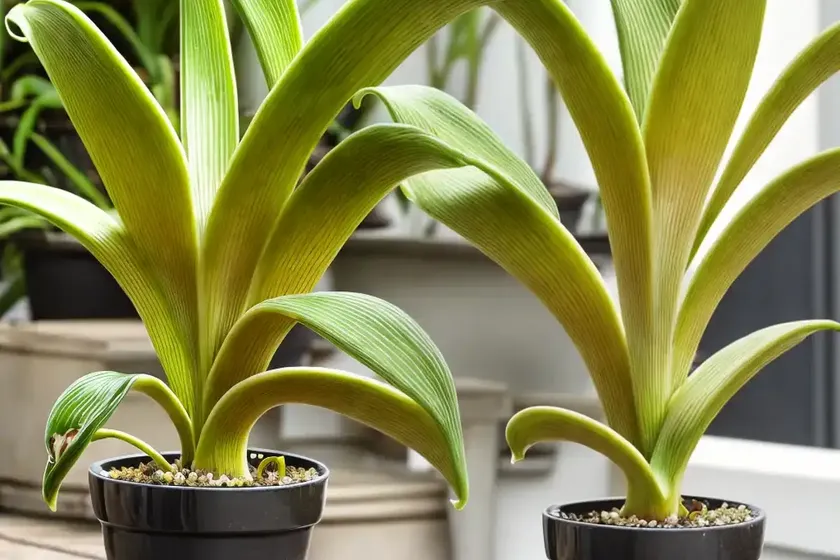
- The foliage of Paphiopedilum charlesworthii is characterized by glossy, deep green leaves with prominent veining.
- The growth habit is sympodial, producing new growths from the base of the plant.
Flowers
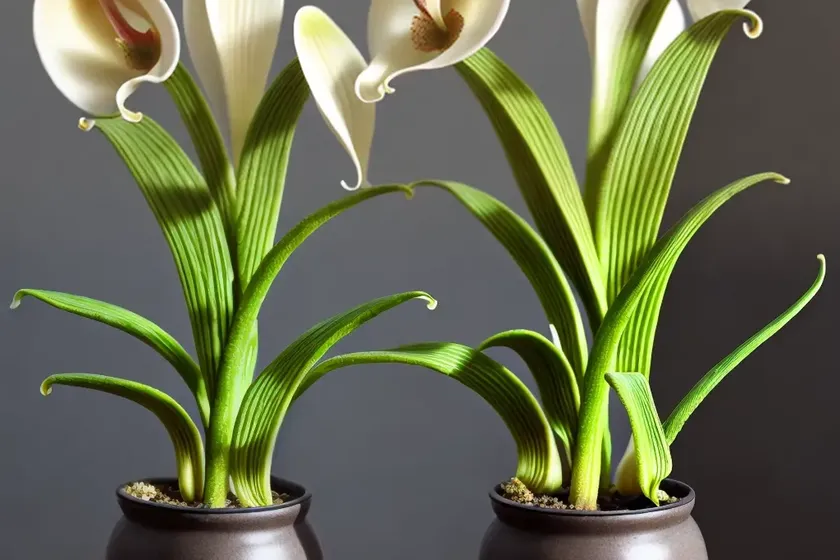
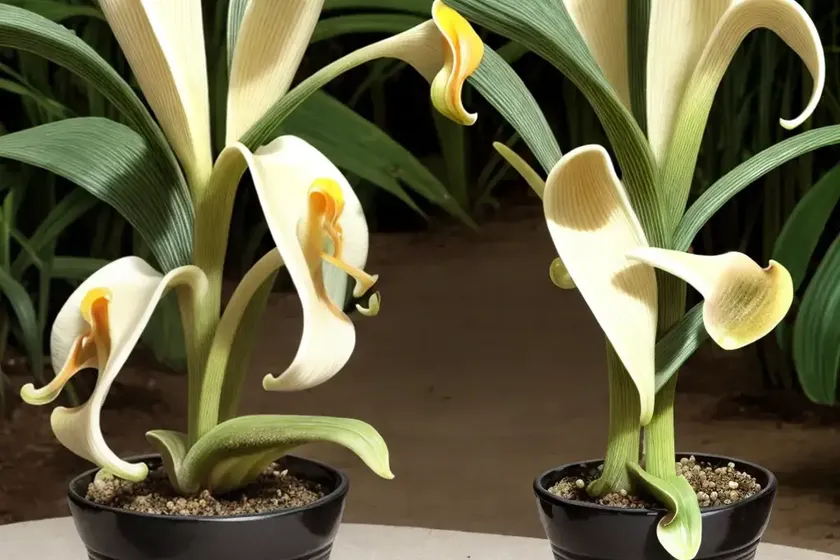
- The flowers of Paphiopedilum charlesworthii are striking and visually captivating, featuring unique patterns and color combinations.
- The blooms are borne on tall, slender stems and exhibit a complex structure, including the distinctive pouch-like lip characteristic of Paphiopedilum orchids.
Now that we have gained insight into the key characteristics of the Charlesworth Paphiopedilum, let’s explore the various aspects of its cultivation and care to ensure its optimal growth and flowering.
Culture
Cultivating the Charlesworth Paphiopedilum involves creating an environment that mimics its natural habitat to support healthy growth and blooming. This includes considerations such as water, sunlight, fertilizer, soil, and pruning, all of which are essential for the well-being of this exceptional orchid species.
Uses
The Charlesworth Paphiopedilum holds significant ornamental value and is primarily cultivated for its exquisite flowers. Its unique appearance and striking floral displays make it a popular choice for both indoor and outdoor ornamental gardening, as well as a sought-after addition to orchid collections and botanical gardens around the world.
Water
Maintaining appropriate moisture levels is crucial for the health of Paphiopedilum charlesworthii. The following points outline the water requirements for this orchid species:
-
Watering Frequency: Paphiopedilum charlesworthii requires consistent moisture without being waterlogged. Water thoroughly when the growing medium approaches dryness, but avoid allowing the plant to sit in standing water.
-
Water Quality: Utilize water with low mineral content, such as rainwater or distilled water, to prevent salt buildup and mineral toxicity in the growing medium.
Sunlight
Balanced exposure to light is essential for the well-being of the Charlesworth Paphiopedilum. Consider the following points related to sunlight requirements:
-
Light Intensity: Moderate to bright, indirect light is optimal for Paphiopedilum charlesworthii. Protect the plant from intense, direct sunlight, especially during the hottest part of the day.
-
Light Duration: Provide 12-16 hours of filtered or indirect sunlight daily, ensuring that the plant receives adequate light for healthy growth and blooming.
Fertilizer
Appropriate fertilization supports the growth and flowering of Paphiopedilum charlesworthii. Consider the following guidelines for fertilizing this orchid species:
-
Fertilizer Type: Utilize a balanced, water-soluble orchid fertilizer with macro and micronutrients.
-
Fertilization Schedule: Feed the plant weekly during the growing season, reducing to bi-weekly or monthly during the resting phase to support the plant’s nutritional needs.
Soil
The growing medium plays a crucial role in supporting the root system and overall health of Paphiopedilum charlesworthii. Here are important considerations regarding the soil for this orchid species:
-
Growing Medium: Utilize a well-draining and moisture-retentive orchid mix, comprising materials such as bark, sphagnum moss, and perlite to create an airy and moisture-controlled environment for the roots.
-
pH Level: Aim for a slightly acidic to neutral pH range (5.5-6.5) to provide an optimal root environment for the plant.
Pruning
Proper pruning practices help maintain the health and appearance of the Charlesworth Paphiopedilum. Consider the following pruning guidelines for this orchid species:
-
Leaf Trimming: Remove any yellowing or shriveled leaves to maintain the plant’s vitality and aesthetic appeal.
-
Bloom Stem Removal: After the flowers have faded, trim the bloom stems to the base to encourage energy redirection for future growth and blooming.
Propagation
The propagation of Paphiopedilum charlesworthii can be achieved through division or tissue culture methods. Here are essential points to consider when propagating this orchid species:
-
Division: When repotting, separate healthy pseudobulbs with roots into individual plants, ensuring that each division has sufficient roots and growth potential.
-
Tissue Culture: Propagation through tissue culture allows for the mass production of genetically identical Paphiopedilum charlesworthii plants and is commonly utilized for commercial propagation.
Container Popularity
The Charlesworth Paphiopedilum is often cultivated in various types of containers, with popular choices including plastic pots, clay pots, and wooden baskets. Each type of container offers specific benefits and considerations for the growth and well-being of this orchid species.
Plastic Pots
-
Advantages: Plastic pots are lightweight, durable, and retain moisture well, providing a stable and favorable environment for the roots of Paphiopedilum charlesworthii.
-
Considerations: Ensure that the plastic pots have sufficient drainage holes to prevent waterlogging and maintain proper air circulation around the roots.
Clay Pots
-
Advantages: Clay pots allow for excellent drainage and aeration, supporting healthy root growth and minimizing the risk of waterlogged conditions.
-
Considerations: Monitor the moisture levels closely, as clay pots can facilitate faster evaporation compared to other container materials.
Wooden Baskets
-
Advantages: Wooden baskets offer superb aeration for the roots and are well-suited for epiphytic orchid species like Paphiopedilum charlesworthii.
-
Considerations: Regularly inspect the condition of the basket material and ensure that it remains structurally sound to support the plant’s root system.
The choice of container is influenced by factors such as the local climate, growing environment, and personal preferences of the grower. Each type of container offers unique benefits and considerations, contributing to the successful cultivation of the Charlesworth Paphiopedilum.
Common Diseases
Like all plants, the Charlesworth Paphiopedilum is susceptible to certain diseases and ailments that can impact its health and vitality. Understanding these common diseases and their diagnosis is essential for implementing effective disease management strategies and maintaining the overall well-being of this orchid species.
Disease Diagnosis
The following are some of the common diseases that can affect Paphiopedilum charlesworthii, along with key diagnostic indicators for each:
1. Leaf Spot
-
Symptoms: Circular or irregularly shaped spots on the leaves, often with distinct margins and changes in coloration.
-
Diagnosis: Visual inspection of the leaves for the presence of characteristic leaf spots, along with an assessment of environmental conditions and cultural practices.
2. Root Rot
-
Symptoms: Soft, mushy, or discolored roots, accompanied by wilting or yellowing of the foliage.
-
Diagnosis: Gently remove the plant from its container and inspect the roots for signs of rot, including foul odor and tissue discoloration.
3. Botrytis Blight
-
Symptoms: Grayish mold or fuzzy growth on flowers, stems, or leaves, often accompanied by tissue necrosis.
-
Diagnosis: Observation of characteristic fungal growth and associated tissue damage, coupled with an assessment of humidity levels and air circulation.
Effective disease diagnosis enables prompt intervention and targeted treatment, reducing the impact of diseases on the health and vigor of the Charlesworth Paphiopedilum.
Disease Prevention
Implementing proactive measures to prevent diseases is crucial for maintaining the well-being of Paphiopedilum charlesworthii. The following practices can help minimize the risk of diseases affecting this species:
-
Optimal Watering: Avoid overwatering and ensure proper drainage to prevent waterlogged conditions that can contribute to root rot and fungal diseases.
-
Sanitation: Maintain clean growing environments, including the regular removal of debris, spent blooms, and decaying plant material to minimize disease spread.
-
Quarantine: Upon acquiring new plants, quarantine them for a period to prevent the introduction of pests and diseases to existing collections.
By incorporating these preventive measures, growers can create an environment that minimizes the risk of diseases and supports the overall health of the Charlesworth Paphiopedilum.
Common Pests
Pests can pose a threat to the well-being of the Charlesworth Paphiopedilum, affecting its foliage, roots, and overall vitality. Being aware of common pests and their impacts enables growers to implement appropriate pest management strategies and safeguard their orchid plants.
Pest Identification
The following are some of the common pests that can affect Paphiopedilum charlesworthii, along with their distinctive characteristics:
1. Aphids
-
Appearance: Small, soft-bodied insects with pear-shaped bodies, often found in clusters on new growth and undersides of leaves.
-
Damage: Aphids feed on plant sap, causing distorted growth, yellowing of leaves, and the secretion of sticky honeydew.
2. Scale Insects
-
Appearance: Small, oval-shaped insects with protective shells, typically found attached to stems and leaves.
-
Damage: Scales weaken plants by feeding on sap, leading to wilting, yellowing, and stunted growth.
3. Spider Mites
-
Appearance: Tiny arachnids that may appear as specks on the undersides of leaves, causing fine webbing in severe infestations.
-
Damage: Spider mites feed on plant fluids, leading to stippled or discolored foliage and reduced vigor.
Identifying the presence of these pests and understanding their impact is crucial for implementing targeted pest control measures to protect the health and vitality of the Charlesworth Paphiopedilum.
Pest Management
Controlling pests effectively involves the use of integrated pest management strategies that prioritize biological, cultural, and mechanical control methods over chemical treatments. The following practices can aid in managing pests affecting Paphiopedilum charlesworthii:
-
Biological Control: Introduce natural predators of pests, such as ladybugs or predatory mites, to mitigate pest populations.
-
Cultural Practices: Regularly inspect plants for pest activity, improve growing conditions to promote plant vigor, and minimize stress factors that can make plants more susceptible to pests.
-
Mechanical Control: Use gentle sprays of water or insecticidal soaps to dislodge and remove pests from the plant, reducing the pest population.
By integrating these pest management strategies, growers can effectively control and mitigate pest infestations, thereby safeguarding the health and beauty of the Charlesworth Paphiopedilum.
Botanist’s Tips
Drawing from botanical expertise and practical insights, here are valuable tips and recommendations for cultivating and caring for the Charlesworth Paphiopedilum:
-
Temperature Considerations: Maintain moderate temperatures, ideally between 65°F to 80°F (18°C to 27°C), to support the optimal growth and blooming of Paphiopedilum charlesworthii.
-
Air Circulation: Ensure adequate air circulation around the plant to minimize the risk of fungal diseases and support overall plant health.
-
Humidity Control: Create a humid environment, with humidity levels around 50% to 70%, to replicate the natural conditions of the Charlesworth Paphiopedilum’s native habitat.
-
Supportive Staking: Provide appropriate staking or support for flower spikes to prevent bending and ensure the graceful display of blooms.
-
Regular Monitoring: Routinely inspect the plant for any signs of pests, diseases, or cultural issues, allowing for timely intervention and preventive measures.
By incorporating these botanist’s tips into the care routine, growers can enhance the health, vigor, and blooming potential of the Charlesworth Paphiopedilum, contributing to a rewarding and satisfactory cultivation experience.
Fun Facts
Here are some intriguing and fascinating facts about the Charlesworth Paphiopedilum that highlight its unique attributes and appeal:
-
Exotic Origin: Paphiopedilum charlesworthii hails from the enchanting limestone terrains and shaded forests of Southeast Asia, contributing to its exotic and captivating allure.
-
Orchid Pioneers: Paphiopedilum orchids, including Paphiopedilum charlesworthii, have historically fascinated explorers and naturalists, contributing to the rich heritage of orchid exploration and discovery.
-
Cultural Significance: Orchids, including the Charlesworth Paphiopedilum, hold symbolic significance in various cultures, often representing love, beauty, and refinement in floral arrangements and artistic expressions.
These fun facts provide a glimpse into the captivating world of the Charlesworth Paphiopedilum and its significance in horticulture, culture, and natural history.
Links to External Resources
To further enrich your knowledge and expertise in the cultivation of Paphiopedilum charlesworthii, consider exploring the following authoritative resources:
-
American Orchid Society (AOS): https://www.aos.org – A leading organization dedicated to the conservation, cultivation, and appreciation of orchids, offering valuable information and resources for orchid enthusiasts.
-
Royal Horticultural Society (RHS): https://www.rhs.org.uk – The RHS provides comprehensive guidance on growing orchids, including Paphiopedilum species, and offers expert advice on orchid care and cultivation.
-
Orchid Board: https://www.orchidboard.com – A vibrant online community of orchid enthusiasts, featuring forums, discussions, and resources on the cultivation and care of various orchid species, including Paphiopedilum charlesworthii.
By tapping into these reputable external resources, growers can access a wealth of knowledge, guidance, and community support to enhance their expertise and success in cultivating the Charlesworth Paphiopedilum.
In conclusion, the Charlesworth Paphiopedilum (Paphiopedilum charlesworthii) stands as a mesmerizing and captivating orchid species, cherished for its distinctive beauty and elegance. By embracing the insights and guidelines provided in this comprehensive guide, growers can cultivate and care for Paphiopedilum charlesworthii with confidence, nurturing its growth, blooming, and enduring vitality.
Let the allure of this extraordinary orchid species inspire your journey into the enchanting world of orchid cultivation, fostering a deep appreciation for the timeless charm of Paphiopedilum charlesworthii.
Happy Cultivating!
Disclaimer: The information provided in this comprehensive guide is intended for educational and informational purposes only. Cultivation practices and care guidelines may vary based on specific environmental conditions and regional requirements. Always seek advice from local horticultural experts and orchid enthusiasts for tailored recommendations and insights.


