Chamber Bitter (Phyllanthus Urinaria)
Chamber Bitter, scientifically known as Phyllanthus Urinaria, is a remarkable plant with a wide array of cultural, medicinal, and ecological uses. This.
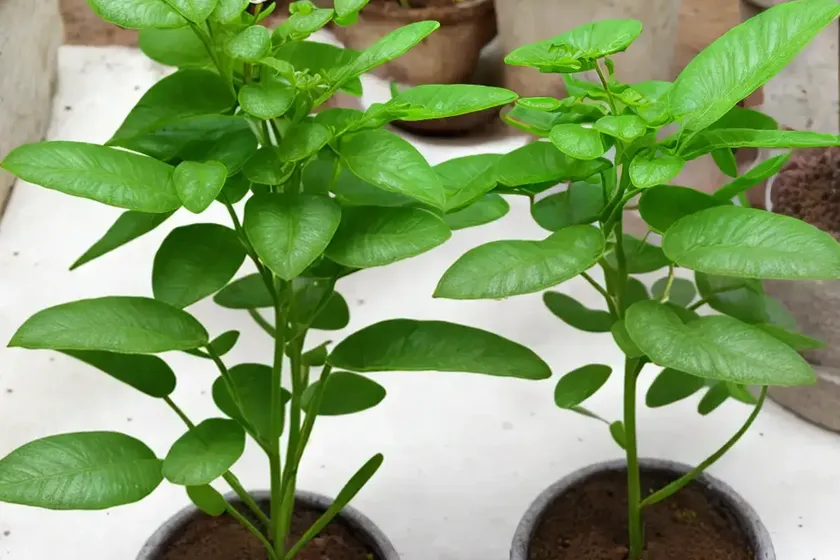
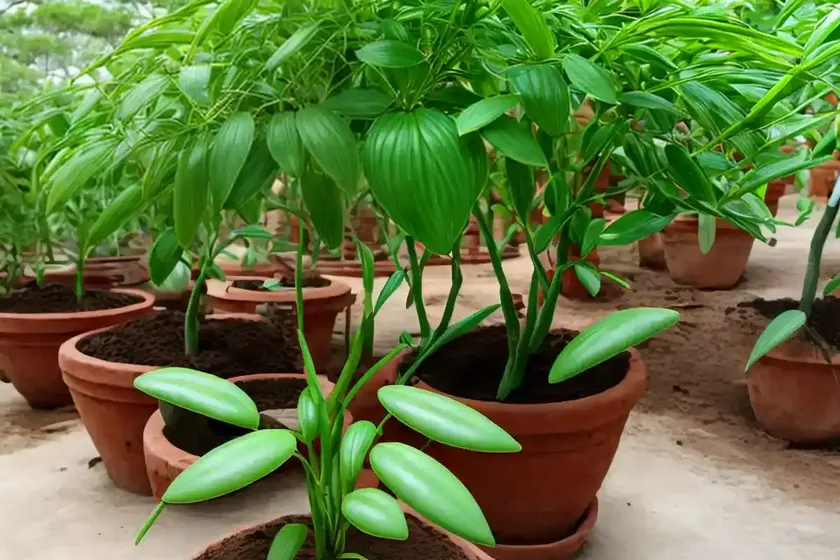
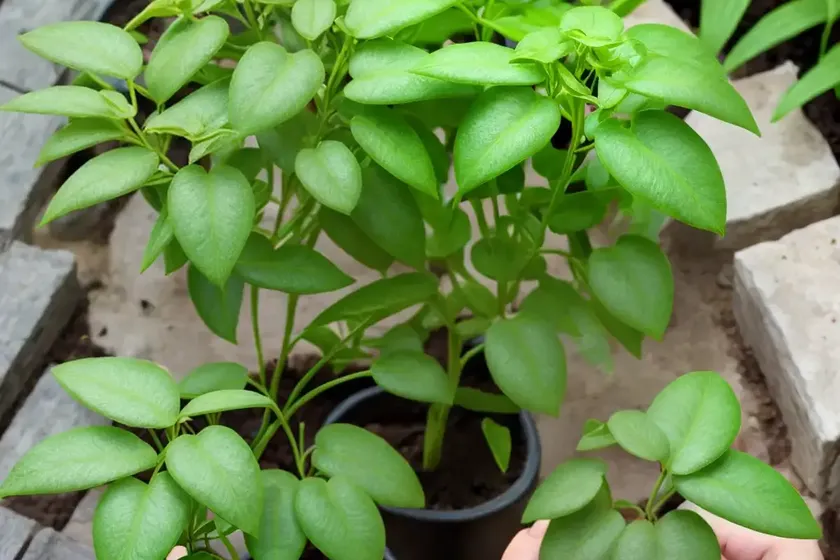
Chamber Bitter, scientifically known as Phyllanthus Urinaria, is a remarkable plant with a wide array of cultural, medicinal, and ecological uses. This article provides an in-depth exploration of the plant, covering its culture, uses, care, and more.
What is Chamber Bitter (Phyllanthus Urinaria)?
Chamber Bitter is a flowering plant species belonging to the Phyllanthaceae family. It is native to tropical and subtropical regions, including parts of Asia, America, and Africa. This herbaceous plant is known for its small, delicate green leaves and tiny, inconspicuous flowers. Chamber Bitter is renowned for its use in traditional medicine and is often cultivated as a medicinal plant due to its various health properties and benefits.
Key Takeaways – Chamber Bitter (Phyllanthus Urinaria)
Before delving deeper into the specifics of Chamber Bitter, let’s take a brief look at the key takeaways of this fascinating plant.
- Plant Name: Chamber Bitter (Phyllanthus Urinaria)
- Family: Phyllanthaceae
- Uses: Medicinal, cultural, and ecological
- Habitat: Native to tropical and subtropical regions
- Cultural Significance: Used in traditional medicine and herbal remedies
Now, let’s explore the individual aspects of Chamber Bitter in detail.
Culture
Uses
Chamber Bitter holds significant cultural and traditional importance for numerous communities due to its diverse uses. Primarily, it is valued for its medicinal properties, with various parts of the plant being utilized in traditional herbal remedies. It is also integrated into local folklore and traditional practices in some regions. Additionally, Chamber Bitter holds ecological importance as it contributes to the biodiversity of its native habitats.
Water
As a tropical plant, Chamber Bitter thrives in consistently moist soil. It is important to ensure that the plant receives an adequate amount of water, particularly during dry spells or hot weather. However, it is essential to avoid overwatering, as this can lead to root rot and other moisture-related issues.
Sunlight
Chamber Bitter typically requires ample sunlight to grow and thrive. It is best suited to locations with full to partial sun exposure, where it can receive several hours of sunlight each day. However, it can also tolerate some degree of shade, particularly in extremely hot climates.
Fertilizer
When it comes to fertilizing Chamber Bitter, a balanced, all-purpose fertilizer can be applied during the growing season to support healthy growth. However, it is crucial to avoid over-fertilization, as this can lead to excessive foliage growth at the expense of flowering and fruiting.
Soil
Chamber Bitter prefers well-draining, moderately fertile soil. A soil mixture that is rich in organic matter and has good drainage properties is ideal for promoting healthy growth and preventing waterlogged conditions.
Pruning
Periodic pruning can help maintain the shape of the plant, remove dead or damaged stems, and encourage new growth. It is advisable to prune Chamber Bitter during the active growing season, ensuring that the pruning tools are clean and sharp to minimize damage to the plant.
Propagation
Propagation of Chamber Bitter can be achieved through various methods, including seed propagation, stem cuttings, and division. Each method has its specific requirements and processes, and the choice of propagation method may depend on the desired outcomes and resources available.
Container Popularity
Chamber Bitter is also well-suited for container gardening, making it a popular choice for individuals with limited outdoor space or those looking to cultivate the plant indoors. When grown in containers, it is essential to select a pot with adequate drainage and provide appropriate care to ensure the plant’s well-being.
Common Diseases
Disease Diagnosis
Chamber Bitter may be susceptible to certain diseases and issues, such as fungal infections, root rot, and leaf spot diseases. Regular inspection of the plant for signs of disease, including unusual discoloration, wilting, or stunted growth, can aid in early diagnosis and prompt treatment.
Common Pests
Pests such as aphids, whiteflies, and mealybugs can pose a threat to Chamber Bitter, particularly when grown in greenhouse or indoor settings. Integrated pest management strategies, including regular monitoring, proper sanitation, and natural pest control methods, can help mitigate pest infestations.
Botanist’s Tips
To ensure the successful cultivation of Chamber Bitter, consider the following tips based on its unique characteristics and requirements:
1.Optimal Growing Conditions: Provide well-draining soil, ample sunlight, and regular watering to support healthy growth.
2.Pruning and Maintenance: Regular pruning and maintenance can help promote a compact, attractive plant shape and prevent the accumulation of dead or diseased foliage.
3.Propagation Techniques: Familiarize yourself with different propagation methods to expand your knowledge and skills in cultivating Chamber Bitter.
4.Disease and Pest Management: Monitor the plant for signs of disease and pest infestations, and take proactive measures to address these issues.
Fun Facts
- Chamber Bitter is also known by various other names, including Gripeweed, Shatterstone, Stonebreaker, and Gale of the Wind.
Now that we have covered the cultural aspects, care requirements, and fascinating facts about Chamber Bitter, let’s delve deeper into the medicinal uses and health properties associated with this remarkable plant.
Medicinal Uses and Health Benefits
Herbal Remedies
Chamber Bitter has been used for centuries in traditional medicine systems for its diverse health benefits and therapeutic properties. Its various plant parts, including the leaves, stems, and roots, are utilized to prepare herbal remedies and natural treatments for a range of health concerns.
Traditional Medicine
Across different cultures, Chamber Bitter has been employed in traditional medicine to address ailments such as digestive disorders, liver conditions, kidney stones, urinary tract infections, and skin issues. Its natural properties are believed to contribute to its effectiveness in managing these health issues.
Health Properties
The plant possesses a range of bioactive compounds, phytochemicals, and nutrients that are thought to underpin its potential health properties. These include compounds with antioxidant, anti-inflammatory, antimicrobial, and detoxifying properties, which contribute to its traditional use as a health-enhancing agent.
Antiviral and Immune Support
Some research suggests that Chamber Bitter may exhibit antiviral properties and support immune system function. These attributes have piqued the interest of researchers and herbal medicine practitioners, spurring further exploration into its potential applications.
Cancer-Related Research
There is emerging interest in the potential anticancer properties of Chamber Bitter, with some studies investigating its effects on certain types of cancer cells. While preliminary, these findings highlight the plant’s potential as a subject for further cancer-related research.
Side Effects and Precautions
As with any herbal remedy or natural supplement, it is crucial to exercise caution and consult with a healthcare professional, particularly for individuals with pre-existing health conditions, those taking medications, pregnant women, and breastfeeding mothers. While Chamber Bitter is generally regarded as safe, understanding its potential side effects and interactions is important.
Plant Description
Classification and Taxonomy
Chamber Bitter is classified under the Phyllanthus genus within the Phyllanthaceae family. It shares botanical kinship with various other Phyllanthus species, many of which also exhibit medicinal properties and cultural significance.
Plant Characteristics
- Foliage: Small, delicate green leaves
- Flowers: Inconspicuous, small flowers
- Habit: Herbaceous, annual or perennial
- Height: Generally grows to a moderate height, depending on growing conditions
Distribution and Habitat
Chamber Bitter is native to tropical and subtropical regions, where it thrives in diverse habitats, including forest edges, grasslands, and disturbed areas. It can adapt to various soil types and environmental conditions, contributing to its widespread distribution.
Links to External Resources
For further information and resources about Chamber Bitter, including research articles, cultivation guidelines, and traditional uses, explore the following links:
- National Center for Biotechnology Information (NCBI) – Chamber Bitter Medicinal Uses
- Royal Botanic Gardens, Kew – Phyllanthus Urinaria
- World Health Organization (WHO) Monographs on Selected Medicinal Plants – Phyllanthus Urinaria
- Plants for a Future – Phyllanthus Urinaria
In Conclusion
Chamber Bitter, or Phyllanthus Urinaria, is a plant of immense cultural, medicinal, and ecological significance. Its traditional uses, health properties, and adaptable nature make it a subject of interest for plant enthusiasts, herbal medicine practitioners, and researchers alike. Whether it is cultivated for its medicinal potential or valued for its role in local traditions, Chamber Bitter continues to captivate individuals with its unique attributes and diverse applications.
As we continue to explore the traditional and contemporary uses of botanical resources, the enduring relevance of plants such as Chamber Bitter serves as a testament to the profound connections between nature, culture, and human well-being.
The information provided in this guide serves as an introduction to the multifaceted world of Chamber Bitter, encouraging further exploration and appreciation for the remarkable qualities of this extraordinary plant.


