Cercis Occidentalis (Western Redbud)
Cercis occidentalis, commonly known as Western Redbud, is a captivating and versatile plant species that holds great significance in horticulture and.
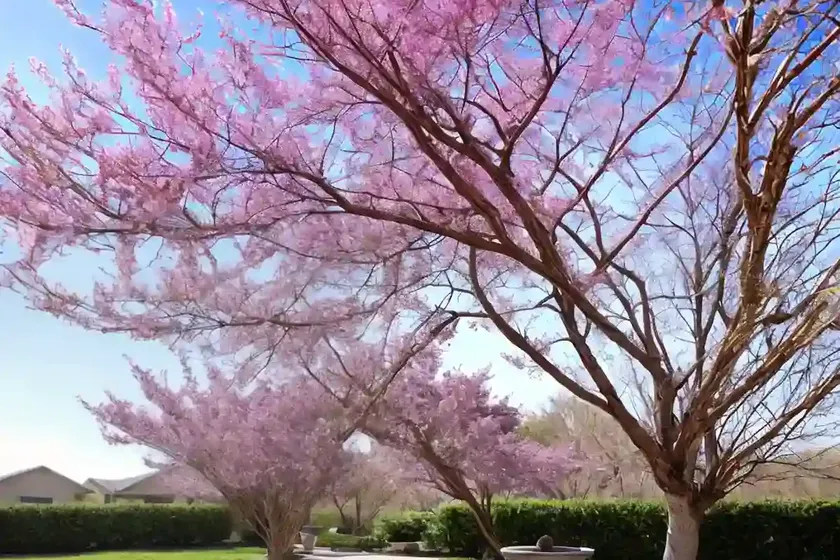
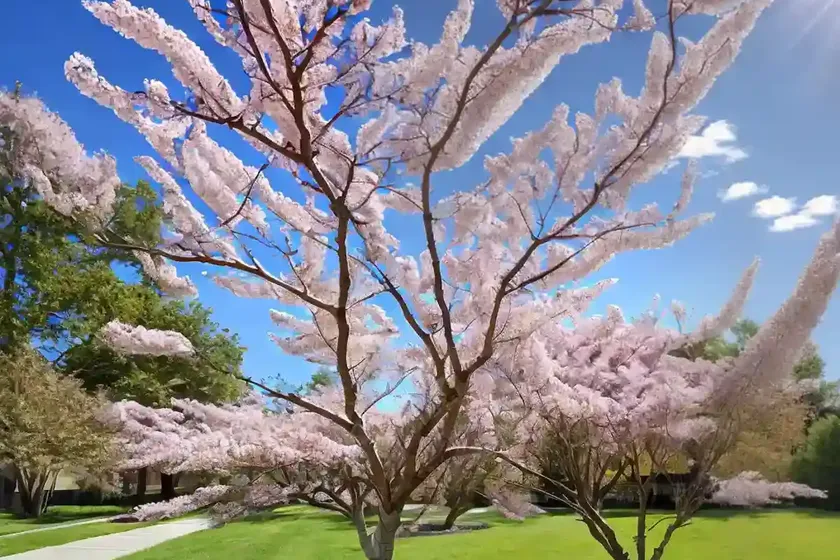
Cercis occidentalis, commonly known as Western Redbud, is a captivating and versatile plant species that holds great significance in horticulture and landscaping. As a plant scientist, it’s fascinating to delve into the various aspects of this beautiful plant. This comprehensive guide will provide insights into the culture, uses, care, habitat, and much more about Cercis occidentalis. Let’s embark on an enriching journey to understand and appreciate the Western Redbud plant.
What is Cercis occidentalis (Western Redbud)?
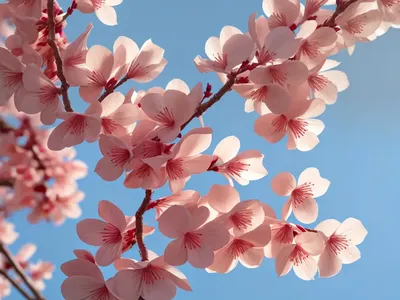
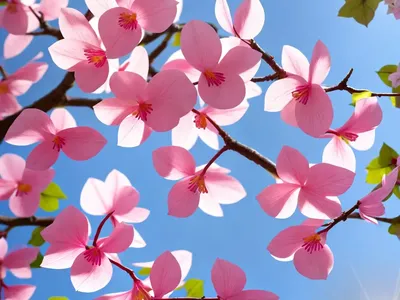
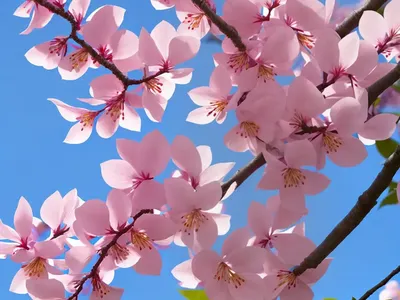
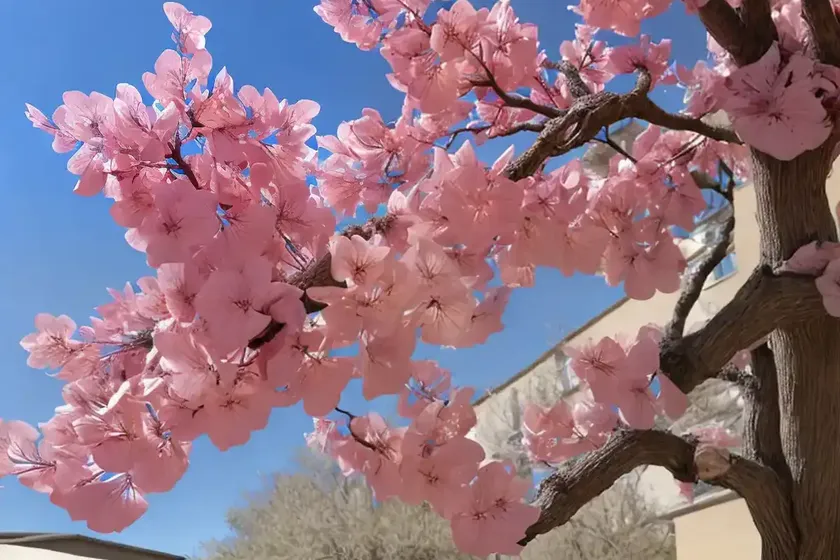
Cercis occidentalis, a member of the Fabaceae family, is a deciduous multi-stemmed shrub or small tree, originating from the western regions of North America. This plant species is admired for its stunning display of pinkish-lavender flowers, which bloom directly on the bark before the emergence of leaves. The heart-shaped leaves and overall ornamental beauty make Cercis occidentalis a favorable choice for gardens, landscapes, and natural habitats.
Key Takeaways
Cercis occidentalis (Western Redbud)
- Scientific Name: Cercis occidentalis
- Common Name: Western Redbud
- Family: Fabaceae
- Plant Type: Deciduous shrub or small tree
This guide will unravel intriguing details about the culture, uses, care, habitat, diseases, and pests associated with Cercis occidentalis, commonly known as the Western Redbud.
Culture of Cercis occidentalis
Understanding the specific cultural requirements of Cercis occidentalis is crucial for its successful growth and development. Let’s explore the key cultural aspects that contribute to the well-being of the Western Redbud plant.
Water
Watering: An important aspect of Western Redbud care is maintaining an adequate watering schedule, especially during the plant’s establishment phase. While Cercis occidentalis is known for its moderate drought tolerance, it thrives best in well-drained soil with regular moisture.
- Young Plants: During the initial stages, it’s essential to keep the soil consistently moist without allowing waterlogging.
- Mature Plants: Once established, Western Redbuds can withstand dry spells, but supplemental watering during prolonged dry periods is beneficial.
Sunlight
Sun Exposure: Cercis occidentalis exhibits a preference for full sun to partial shade, making it adaptable to various light conditions. However, for optimal flowering and foliage development, providing ample sunlight is recommended.
- Full Sun: Western Redbuds bloom profusely and showcase vibrant foliage when exposed to direct sunlight for a significant portion of the day.
- Partial Shade: While tolerant of partial shade, it may lead to reduced flowering and a slightly open growth habit.
Fertilizer
Nutrient Requirements: Cercis occidentalis benefits from a balanced fertilizer regimen, especially in nutrient-deficient soils. A slow-release, all-purpose fertilizer can be applied in early spring to support healthy growth and flowering.
- Application: Care should be taken to distribute the fertilizer evenly around the plant, slightly away from the base, and water thoroughly after application.
Soil
Soil Characteristics: Western Redbud plants thrive in well-drained, slightly acidic to neutral soil with good aeration. Soil with excessive compaction or poor drainage can hinder the plant’s growth and overall health.
- Amendments: Incorporating organic matter, such as compost, into the soil during planting or as a top dressing, can improve soil structure and fertility, promoting favorable conditions for Cercis occidentalis.
Pruning Cercis occidentalis
Pruning Method: Pruning is an essential horticultural practice that helps maintain the shape, size, and overall vitality of Cercis occidentalis. Proper pruning also facilitates the removal of dead or crossing branches, promoting a healthier plant structure.
- Timing: Prune Western Redbud plants during late winter or early spring before the onset of new growth.
- Techniques: Focus on removing damaged or wayward branches while maintaining the natural form and aesthetic appeal of the plant.
Propagation Techniques
Cercis occidentalis can be propagated through various methods, allowing for the multiplication of desirable cultivars and the expansion of its presence in diverse landscapes. Here are some common propagation techniques for Western Redbud:
- Seed Propagation: Collect mature seeds from the pods and sow them in well-prepared seedbeds or containers. Germination typically occurs within a few weeks, and the seedlings can be carefully transplanted once they have developed adequate vigor.
- Cutting Propagation: Semi-hardwood cuttings taken in late spring or early summer can be propagated under controlled conditions to produce new plants that retain the characteristics of the parent plant.
Cercis occidentalis in Containers
The adaptability of Cercis occidentalis to container cultivation offers opportunities for urban gardening, compact landscapes, and versatile design arrangements. When cultivating Western Redbud in containers, several considerations should be taken into account for ensuring its vigor and ornamental appeal.
Popularity in Containers
Aesthetic Appeal: The ornamental features of Cercis occidentalis, including its vibrant flowers and uniquely shaped leaves, make it an attractive choice for container gardening.
- Design Flexibility: Western Redbud in containers adds a vertical element to garden designs, balcony spaces, and outdoor patios, enhancing the overall visual interest.
Common Diseases
Maintaining the health and resilience of Cercis occidentalis involves being mindful of potential diseases that may affect the plant. By understanding the common diseases and their management, plant enthusiasts and horticulturists can safeguard Western Redbud against detrimental infections.
Disease Diagnosis
- Anthracnose: Characterized by dark, sunken lesions on leaves and stems, anthracnose can be managed through proper sanitation and fungicidal treatments if necessary.
- Cercospora Leaf Spot: This fungal disease leads to the appearance of small, dark spots on the leaves, potentially causing premature defoliation. Adequate air circulation and fungicidal applications can aid in disease control.
Common Pests
Cercis occidentalis may encounter pests that can compromise its vigor and aesthetic appeal. Vigilance and integrated pest management strategies are essential for mitigating the impact of common pests on Western Redbud.
Botanist’s Tips
- Aphid Management: Regular monitoring for aphids and the introduction of beneficial insects, such as ladybugs, can assist in aphid control without the excessive use of chemical interventions.
- Scale Insect Control: For managing scale insects, horticultural oils or insecticidal soaps can be applied during the dormant season to target the overwintering stages.
Fun Facts about Cercis occidentalis
- The Western Redbud holds cultural significance among indigenous communities, with its flowers and young pods being used for culinary and medicinal purposes.
- The heart-shaped leaves of Cercis occidentalis add a charming aesthetic element to landscapes and have inspired artistic representations in various forms.
Links to External Resources
To delve deeper into the world of Cercis occidentalis and explore additional insights, the following resources are valuable references:
– The American Society of Consulting Arborists
– National Gardening Association
– Plant Management Network
– Extension Services in the US
By tapping into these resources, enthusiasts, horticulturists, and plant scientists can broaden their understanding of Western Redbud and enhance their horticultural practices.
In this comprehensive guide, we’ve navigated through the captivating realm of Cercis occidentalis (Western Redbud), uncovering its cultural requirements, propagation techniques, disease management, and intriguing facets. By embracing the diverse aspects of this plant species, we cultivate a deeper appreciation for its ecological value and ornamental charm.
Remember, the world of plants is a rich tapestry of wonder and scientific marvel, waiting to be explored and celebrated. As we continue to explore the diverse flora of our planet, let’s cherish the beauty and significance of plants like Cercis occidentalis, the Western Redbud.