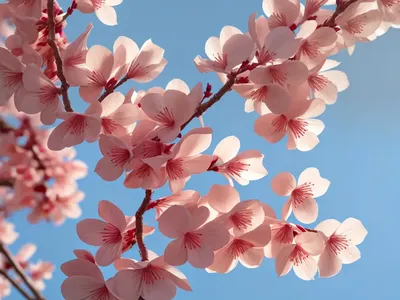
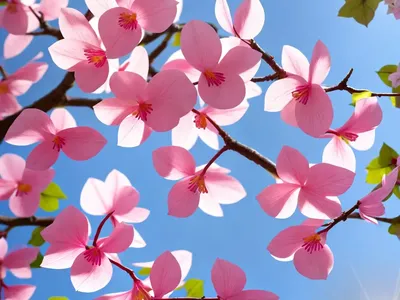
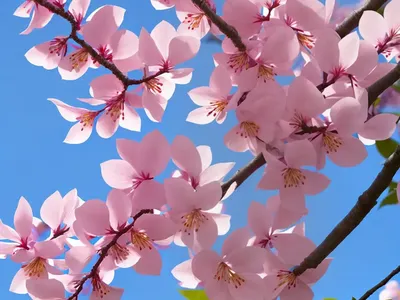
Cercis Chinensis ‘Don Egolf’ (Chinese Redbud)
If you’re passionate about gardening and admiring the beauty of diverse plant species, then the Cercis chinensis ‘Don Egolf’ (Chinese Redbud) is one.

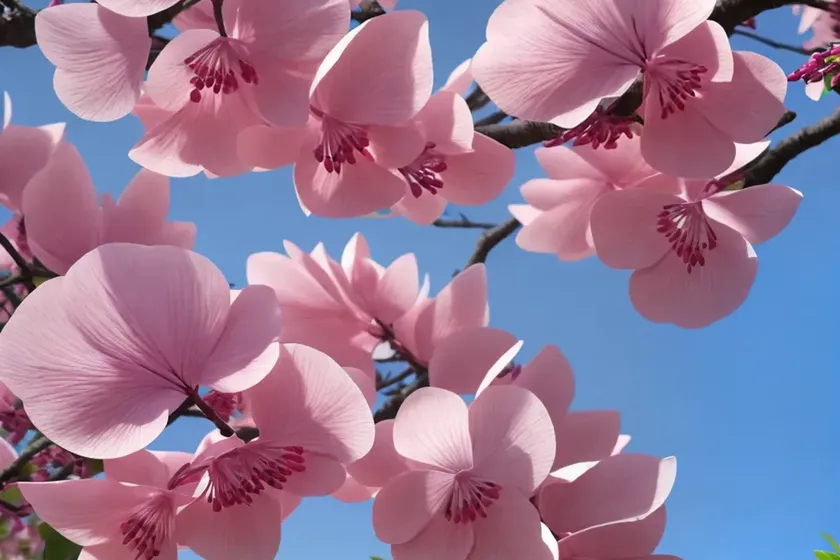
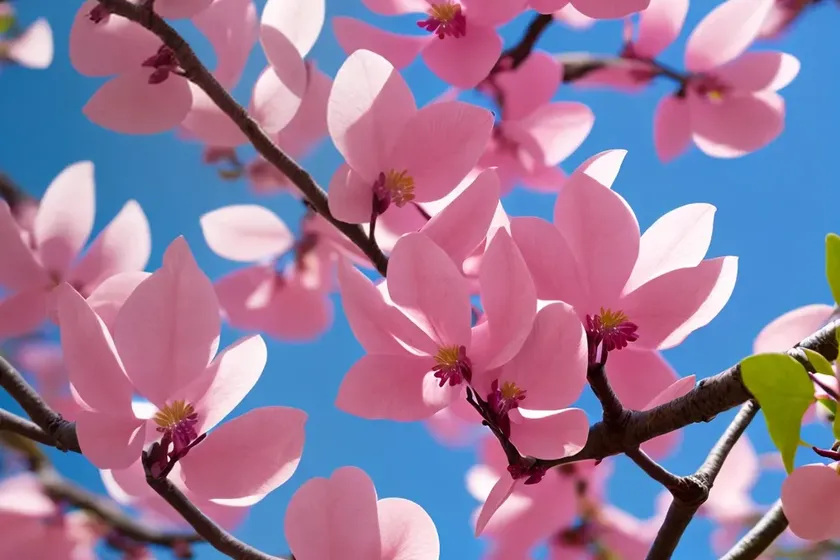
If you’re passionate about gardening and admiring the beauty of diverse plant species, then the Cercis chinensis ‘Don Egolf’ (Chinese Redbud) is one specimen that should definitely be on your radar. This vibrant and showy tree has become a favorite among gardeners due to its striking aesthetic and versatility, making it an ideal addition to any landscape.
In this comprehensive guide, we will delve into the extensive characteristics, uses, cultivation techniques, and much more related to the Cercis chinensis ‘Don Egolf’. Whether you want to learn about its preferred growing conditions, pruning techniques, or landscape design ideas, this guide will equip you with all the essential knowledge needed to cultivate and care for this stunning plant.
So, without further ado, let’s explore the enchanting world of the Cercis chinensis ‘Don Egolf’ and unravel the secrets to its successful cultivation.
Understanding Cercis chinensis ‘Don Egolf’ (Chinese Redbud)
Cercis chinensis ‘Don Egolf’, commonly known as the Chinese Redbud, is a deciduous tree known for its dazzling display of rosy-pink blossoms that adorn its branches in early spring. This captivating ornamental tree is a member of the Fabaceae family and is native to eastern Asia, specifically China.
Key Takeaways – Cercis chinensis ‘Don Egolf’ (Chinese Redbud)
Before we delve deeper into the intricacies of cultivating and caring for the Chinese Redbud, here are the key takeaways that we will explore in detail:
- Culture
- Uses
- Water
- Sunlight
- Fertilizer
- Soil
- Pruning
- Propagation
- Container
- Popularity
- Common Diseases
- Disease Diagnosis
- Common Pests
- Botanist’s Tips
- Fun Facts
- Links to External Resources
Now, let’s dive into a comprehensive exploration of each of these facets of Cercis chinensis ‘Don Egolf’, providing insights and expert advice for plant enthusiasts and horticulturists alike.
Culture
Cercis chinensis ‘Don Egolf’ thrives in a cultural setting that mimics its natural habitat in eastern Asia. Understanding its cultural needs is crucial to ensuring its optimal growth and health.
Water
Proper watering is essential for the health of the Chinese Redbud. It generally prefers well-drained soil, but it also appreciates consistent moisture, especially during the dry summer months. It’s important to strike a balance, ensuring that the soil doesn’t become waterlogged, as this can lead to root rot.
Watering Guidelines
- Young Trees: During the first year after planting, ensure regular watering to establish a healthy root system.
- Mature Trees: Once established, the Chinese Redbud is moderately drought-tolerant, but it’s advisable to water deeply during prolonged dry spells.
Sunlight
Chinese Redbuds thrive in locations with ample sunlight. They typically prefer full sun to partial shade, with at least 6 hours of direct sunlight per day.
Sunlight Preferences
- Full Sun: For optimal flowering and foliage color, planting the Chinese Redbud in a location that receives full sun is ideal.
- Partial Shade: In warmer climates, providing some afternoon shade can help prevent stress and scorching of the leaves.
Fertilizer
Applying a balanced, slow-release fertilizer in early spring can provide the essential nutrients required for healthy growth and vibrant blooms. A fertilizer with a higher phosphorus content can promote profuse flowering.
Fertilization Tips
- Application: Apply fertilizer in early spring before new growth emerges.
- Quantity: Follow the manufacturer’s recommendations for the appropriate quantity based on the tree’s size and age.
Uses
The Chinese Redbud offers versatility in its uses, making it a valuable addition to various landscaping and gardening settings.
Landscape Ornamental
With its captivating display of pink blossoms in spring and heart-shaped leaves, the Chinese Redbud serves as an exquisite ornamental tree, adding a touch of elegance and charm to any landscape.
Wildlife Support
The flowers of the Chinese Redbud attract pollinators such as bees and butterflies, making it a valuable asset for ecological diversity and supporting local wildlife.
Shade Tree
The spreading canopy of the Chinese Redbud provides light shade, making it an ideal choice for creating a cool and inviting retreat in a garden or yard.
Soil
The suitable soil conditions for Cercis chinensis ‘Don Egolf’ play a vital role in its overall health and vitality.
Soil Requirements
Chinese Redbuds thrive in well-drained, slightly acidic to neutral soil. Loamy soil is ideal, ensuring proper drainage to prevent waterlogging.
Soil Preparation
Prior to planting, it’s beneficial to amend the soil with organic matter to improve its structure and fertility.
Pruning
Appropriate pruning is crucial for maintaining the health, shape, and flowering abundance of the Chinese Redbud.
Pruning Tips
- Timing: Prune in late winter or early spring before new growth appears.
- Purpose: Remove dead or damaged branches, and shape the tree as desired to maintain a balanced and attractive form.
Propagation
Propagation of Cercis chinensis ‘Don Egolf’ can be achieved through various methods, including seed propagation and vegetative propagation.
Propagation Techniques
- Seeds: Collect seeds from mature pods for propagation, sowing them in a well-draining seed-starting mix.
- Cuttings: Softwood or hardwood cuttings can be used for vegetative propagation, with rooting hormone promoting successful root formation.
Container Popularity
The Chinese Redbud is also well-suited for container cultivation, making it a versatile choice for small gardens or urban settings.
Container Gardening Tips
- Container Size: Choose a large, sturdy container with drainage holes to accommodate the tree’s root system.
- Soil: Use a well-draining potting mix, and ensure regular watering to prevent the soil from drying out completely.
Common Diseases
While generally resilient, the Chinese Redbud can be susceptible to certain diseases, requiring vigilance and prompt management if symptoms are observed.
Disease Susceptibility
- Anthracnose: This fungal disease can cause leaf spots and defoliation, especially during periods of prolonged wet weather.
- Verticillium Wilt: This soil-borne fungus can cause wilting and yellowing of the leaves, potentially leading to tree decline.
Disease Diagnosis
Early diagnosis of any potential diseases or health issues is essential for implementing timely treatment and preventing the spread of infections.
Diagnostic Techniques
- Visual Inspection: Regularly inspect the leaves and stems for any signs of discoloration, spots, or abnormal growth.
- Laboratory Analysis: For accurate diagnosis of specific diseases, consider sending samples to a plant pathology lab for thorough analysis.
Common Pests
The Chinese Redbud may also face encounters with various pests, necessitating appropriate pest management measures.
Pest Management
- Aphids: These small, sap-sucking insects can be controlled through natural predators, such as ladybugs, or through the application of insecticidal soap.
- Scale Insects: Prune and dispose of heavily infested branches, and consider horticultural oil applications during the dormant season.
Botanist’s Tips
As a plant scientist, here are some expert tips for cultivating and caring for Cercis chinensis ‘Don Egolf’:
- Mulching: Apply a layer of organic mulch around the base of the tree to conserve moisture and suppress weed growth.
- Winter Protection: In regions with severe winters, providing winter protection, such as burlap wrapping, can shield the tree from harsh weather.
Fun Facts
- The flowers of Cercis chinensis ‘Don Egolf’ are edible and can be used to add a unique touch to salads and desserts, offering a delicate sweet flavor.
- The heart-shaped leaves of the Chinese Redbud serve as an enduring source of inspiration for artists and poets, symbolizing love and renewal.
Conclusion
Cercis chinensis ‘Don Egolf’ (Chinese Redbud) stands as an enchanting specimen that captures the hearts of plant enthusiasts and admirers of natural beauty alike. By understanding its cultural needs, optimal growing conditions, and essential care practices, you can embark on a rewarding journey of cultivating and nurturing this exquisite ornamental tree.
Armed with the insights and techniques shared in this comprehensive guide, you’re now well-equipped to embark on your journey of fostering the vibrant allure of the Chinese Redbud within your garden or landscape. Embrace the joy of tending to this captivating tree and relish in the breathtaking showcase of its rosy-pink blossoms and heart-shaped leaves, connecting with the timeless beauty of nature.
To further enhance your understanding and appreciation of the Cercis chinensis ‘Don Egolf’, explore the following external resources:
- Royal Horticultural Society – Cercis chinensis ‘Don Egolf’
- Missouri Botanical Garden – Cercis chinensis ‘Don Egolf’
Now, with a wealth of knowledge at your disposal, it’s time to embrace the grace and splendor of the Chinese Redbud and embark on a journey of horticultural delight.
Remember to cultivate with care, nurture with passion, and celebrate the timeless allure of nature’s resplendent creations.
Happy Gardening!