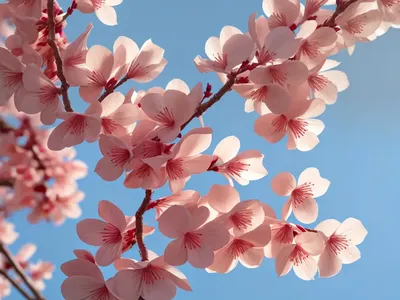
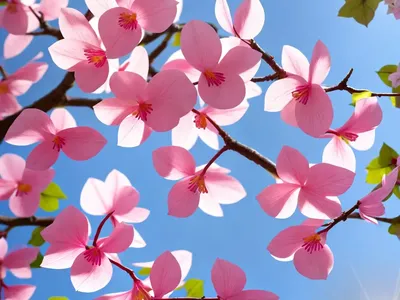
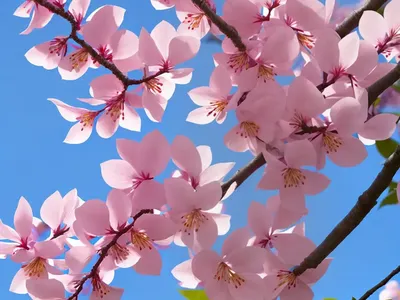
Cercis Chinensis ‘Avondale’ (Chinese Redbud)
Cercis chinensis ‘Avondale’, commonly known as Chinese Redbud, is a beautiful ornamental tree valued for its stunning display of colors and its ability to.
What is Cercis chinensis ‘Avondale’?
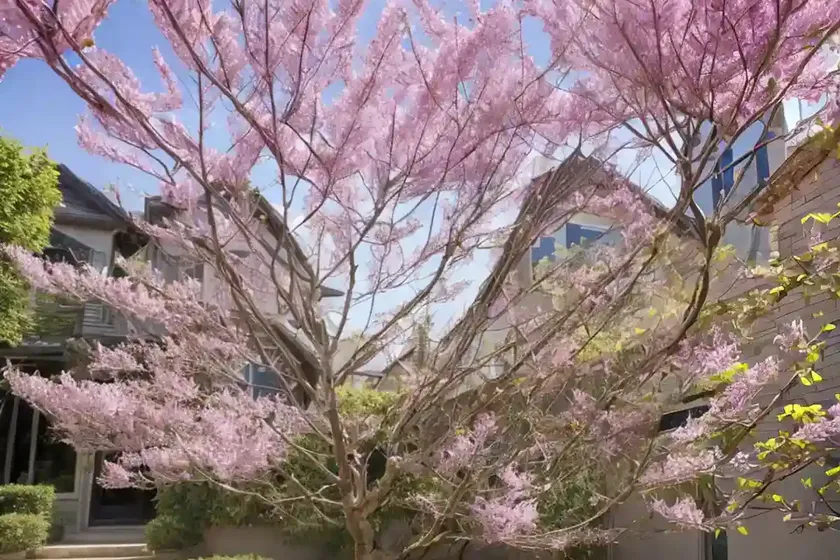
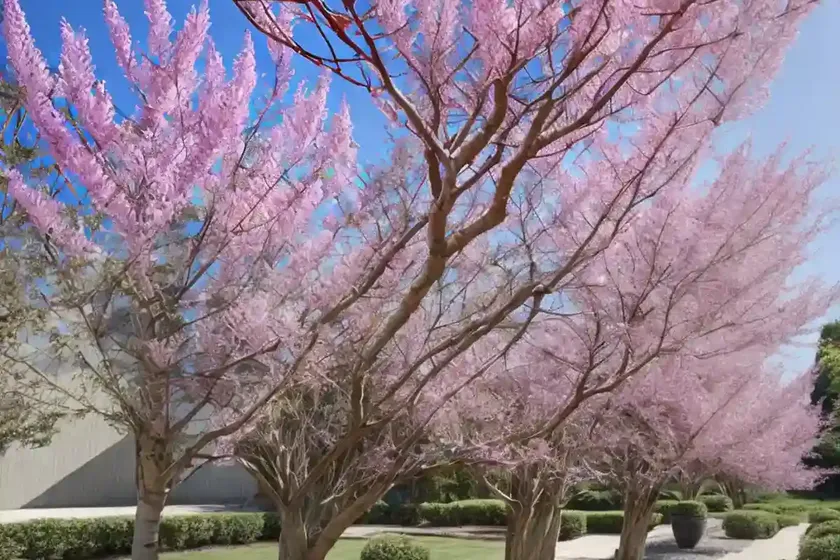
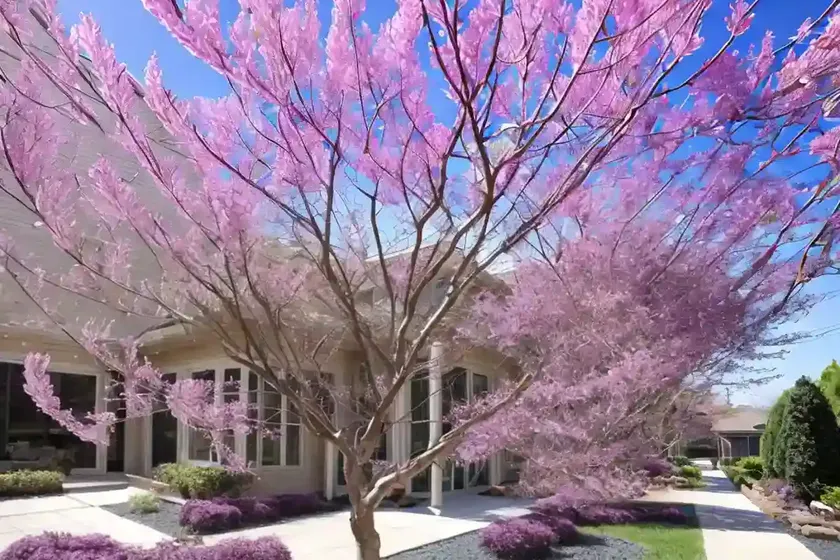
Cercis chinensis ‘Avondale’, commonly known as Chinese Redbud, is a beautiful ornamental tree valued for its stunning display of colors and its ability to attract wildlife. This deciduous tree is part of the Fabaceae family and is native to China. The ‘Avondale’ cultivar is particularly popular for its compact and spreading habit, making it an excellent choice for gardens, landscapes, and even containers.
The Chinese Redbud is beloved for its abundance of vibrant, rosy pink, sweet pea-shaped flowers, which adorn the tree’s bare branches in early spring. As the flowers begin to fade, heart-shaped, glossy green leaves emerge, providing a lush canopy of foliage throughout the growing season. In addition to its exquisite floral display, the Chinese Redbud also produces unique, flat, bean-like pods that hang from the branches, adding further interest. The leaves undergo a beautiful color transformation in the fall, turning stunning shades of yellow, orange, and red before they drop, providing another season of visual appeal.
Key Takeaways – Cercis chinensis ‘Avondale’ (Chinese Redbud)
Culture
- Region: Suitable for USDA hardiness zones 6 to 9
- Soil pH: Prefers slightly acidic to neutral soils (pH 6.1 to 7.5)
- Watering: Regular, moderate water needs, especially during the establishment phase
- Sunlight: Thrives in full sun to partial shade
- Size: Can reach a mature height of 12 to 15 feet with a spread of 15 to 20 feet
Uses
- Ornamental: Perfect for adding color and interest to gardens, parks, and landscapes
- Wildlife attraction: Attracts butterflies, bees, and other pollinators
Water
- Moderate water needs; regular watering during establishment and prolonged dry periods
- Requires well-draining soil to prevent waterlogged conditions which can lead to root rot
- Mulching can help retain soil moisture
Sunlight
- Thrives in full sun to partial shade
- Best flowering display occurs when planted in a location with full sun
Fertilizer
- Balanced, slow-release fertilizer in early spring before new growth emerges
- Avoid excessive nitrogen to prevent excessive foliage growth at the expense of flowers
Soil
- Well-draining, moderately fertile soil
- Slightly acidic to neutral pH (6.1 to 7.5)
- Amending heavy clay soils with organic matter can improve drainage and soil structure
Pruning
- Regular pruning is generally unnecessary, but shaping the tree can be done in late winter or early spring
- Remove dead, damaged, or crossing branches
- Thinning out dense areas can promote air circulation and reduce disease risk
Propagation
- Propagate from seeds or softwood cuttings
- Seeds require scarification or stratification to improve germination rates
- Softwood cuttings can be taken in late spring or early summer
Container
- Can be successfully grown in containers when young
- Ensure the container has drainage holes and use a well-draining potting mix
- Repot the tree into a larger container as it grows
Popularity
The Chinese Redbud is highly popular among gardeners and landscapers for its:
- Spectacular floral display
- Compact and spreading habit
- Wildlife-friendly attributes
- Beautiful fall foliage
Common Diseases
The Chinese Redbud is generally resistant to many common diseases, but it can occasionally be susceptible to:
- Leaf spot
- Verticillium wilt
- Canker diseases
Disease diagnosis
Regular inspection of the tree’s foliage and overall health can help in the early detection of diseases. Consulting with a local arborist or horticulturist can provide accurate diagnosis and guidance on appropriate treatment options.
Common pests
While relatively pest-resistant, the Chinese Redbud may occasionally face issues with:
- Aphids
- Scale insects
- Caterpillars
Botanist’s tips
- Monitor soil moisture levels regularly, especially during the first year after planting
- Avoid excessive mulching around the tree trunk to prevent rot and fungal diseases
- Prune sparingly to maintain the tree’s natural form and structure
- Consider the tree’s mature size when choosing its planting location
Fun facts
- The Chinese Redbud has been cultivated in China for centuries for its ornamental value and use in traditional medicine
- The species name “chinensis” denotes its native region, China
- The heart-shaped leaves of the Chinese Redbud add a charming touch to its ornamental appeal
Links to External Resources
Learn more about Cercis chinensis ‘Avondale’ from the following resources:
In this comprehensive guide, we’ve covered various aspects of the Cercis chinensis ‘Avondale’ (Chinese Redbud) plant, ranging from its cultural requirements, uses, maintenance, to its popularity and fun facts. By understanding its characteristics and how to care for it, you can confidently cultivate and enjoy the beauty of this wonderful ornamental tree in your landscape or garden.
Happy Gardening!
Note: The information provided in this guide is based on general principles and practices. It is recommended to consult with local horticulturists or plant care specialists for region-specific recommendations and tips.