Cercis Canadensis Flame Thrower (Eastern Redbud)
Cercis canadensis Flame Thrower, commonly known as Eastern Redbud Flame Thrower or simply Flame Thrower Redbud, is a captivating deciduous tree that.
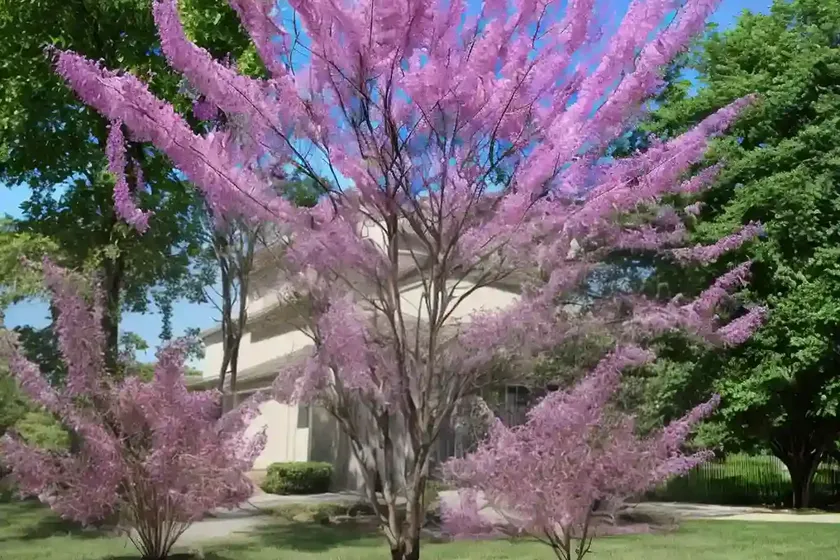
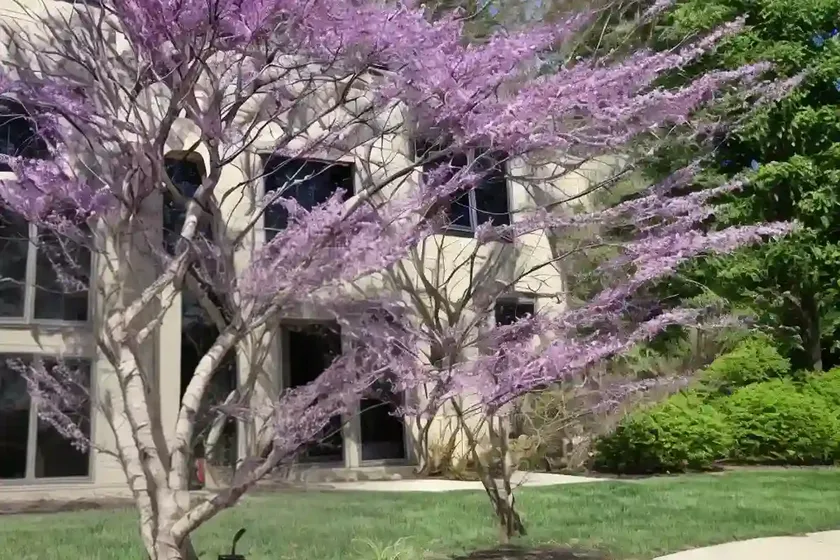
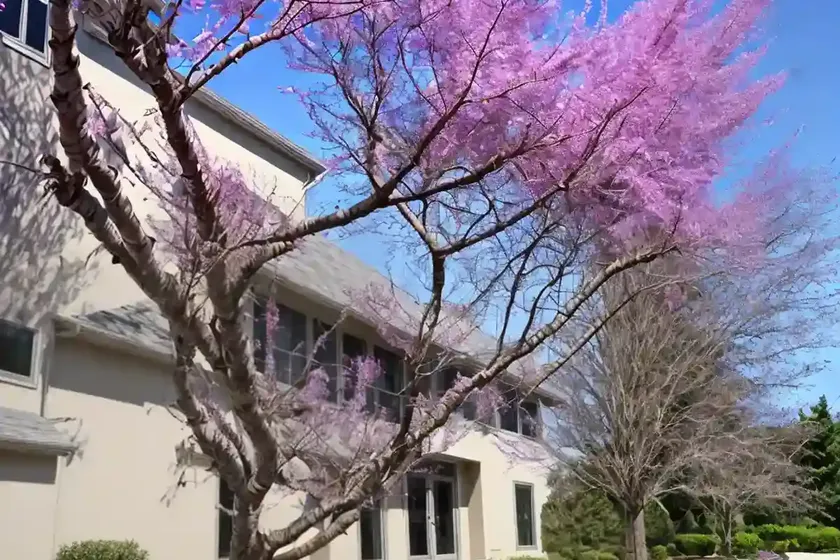
Cercis canadensis Flame Thrower, commonly known as Eastern Redbud Flame Thrower or simply Flame Thrower Redbud, is a captivating deciduous tree that belongs to the legume family, Fabaceae. This stunning ornamental tree is native to Eastern North America and is highly valued for its remarkable foliage and vibrant colors. In this comprehensive guide, we will delve into the various aspects of caring for and cultivating the Cercis canadensis Flame Thrower, providing essential insights into its culture, uses, maintenance, and more.
What is Cercis Canadensis Flame Thrower?
The Cercis canadensis Flame Thrower is a cultivar of the Eastern Redbud, a charismatic and visually striking tree that is prized for its mesmerizing features. This cultivar is specifically revered for its unique foliage coloration, which undergoes a captivating transformation throughout the seasons. During spring, the new growth bursts into a flamboyant display of orange, apricot, and gold, creating a stunning contrast against the backdrop of the existing deep red-purple leaves. As the seasons progress, the foliage transitions to a rich green in summer before culminating in a spectacular display of burgundy and yellow tones in the fall.
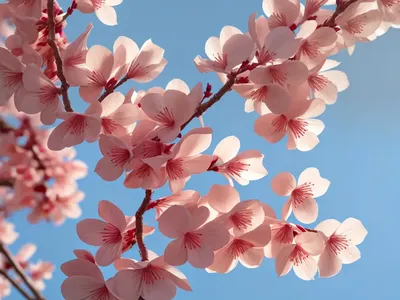
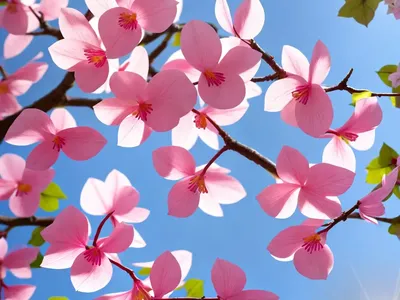
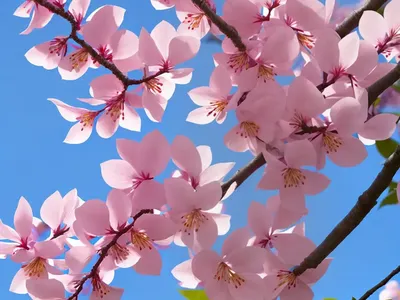
This distinctive and graceful tree typically reaches a height of 10 to 15 feet with a spread of 15 to 20 feet, presenting an elegant and compact form that is well-suited for various landscape settings. The Flame Thrower Redbud blooms in spring, producing charming clusters of rosy-pink flowers that emerge directly on the branches and trunk, adding an enchanting layer of beauty to its already captivating presence. This natural charisma has made the Cercis canadensis Flame Thrower a cherished and sought-after addition to gardens, parks, and urban landscapes, enchanting onlookers with its vibrant display throughout the seasons.
Key Takeaways – Cercis Canadensis Flame Thrower
Before delving into the specific aspects of caring for the Cercis canadensis Flame Thrower, let’s explore the key takeaways that encapsulate the essential elements of this alluring tree:
Culture
The Flame Thrower Redbud thrives in well-drained, moderately fertile soils and benefits from regular watering, particularly during its early establishment period. It is characterized by its remarkable drought tolerance and impressive adaptability to various environmental conditions.
Uses
This captivating tree is ideally used as a focal point in gardens, landscapes, and urban settings, providing an abundant source of visual interest throughout the year. Its compact form and vibrant foliage make it an exceptional choice for small gardens, courtyards, and mixed borders.
Water
The Flame Thrower Redbud exhibits good drought tolerance once established, making it well-suited for regions with limited water availability. Regular watering during its initial growth stages is crucial to promote healthy establishment and robust development.
Sunlight
This tree thrives in full sun to partial shade, manifesting its best foliage coloration and flowering display when provided with ample sunlight. It can adapt to varying light conditions, making it a versatile and adaptable addition to diverse landscapes.
Fertilizer
While the Flame Thrower Redbud typically thrives without the need for regular fertilization, providing a balanced and slow-release fertilizer in early spring can help support its growth and overall vigor.
Soil
Well-drained, fertile soils with a slightly acidic to neutral pH are ideal for cultivating the Cercis canadensis Flame Thrower. Amending heavy clay soils with organic matter can enhance their drainage and fertility, creating an optimal growing environment for the tree.
Pruning
Pruning is generally minimal for the Flame Thrower Redbud, focusing primarily on the removal of dead, damaged, or crossing branches. Proper pruning techniques can help maintain its form and structure while promoting a healthy and well-ventilated canopy.
Propagation
The propagation of the Flame Thrower Redbud can be accomplished through various methods, including seed propagation, softwood cuttings, and grafting. Each technique has its own requirements and specific considerations, ensuring successful reproduction of this captivating cultivar.
Container Popularity
The compact and graceful form of the Cercis canadensis Flame Thrower makes it well-suited for container cultivation, allowing it to thrive on patios, balconies, and other confined spaces while still showcasing its stunning features.
Container Common Diseases
The Flame Thrower Redbud is generally resilient to many common diseases, with proper cultural practices and optimal growing conditions serving as effective preventative measures against potential issues.
Disease Diagnosis
Accurate diagnosis of potential diseases and disorders is essential for maintaining the health and vitality of the Flame Thrower Redbud, enabling timely intervention and appropriate treatments to mitigate and address any arising concerns.
Common Pests
While relatively resistant to most pests, the Flame Thrower Redbud may encounter occasional insect infestations, including caterpillars, scales, and spider mites, which can be managed through proactive monitoring and targeted control measures.
Botanist’s Tips
Drawing from expert insights and botanical knowledge, this section will offer valuable tips and recommendations for cultivating and caring for the Cercis canadensis Flame Thrower, ensuring its optimal growth and longevity.
Fun Facts
Uncover intriguing and fascinating facts about the Flame Thrower Redbud, shedding light on its remarkable attributes, ecological significance, and cultural symbolism.
Links to External Resources
This section will feature a curated selection of external resources, including reputable websites, articles, and publications, providing further in-depth information and insights on the Flame Thrower Redbud.
Now, let’s explore each of these key takeaways in greater detail to gain a comprehensive understanding of the nuances and considerations associated with successfully growing and nurturing the captivating Cercis canadensis Flame Thrower.
Culture
The culture of Cercis canadensis Flame Thrower encompasses a range of essential factors, including its preferred growing conditions, environmental adaptability, and overall care requirements. Understanding the cultural needs of this ornamental tree is fundamental in ensuring its well-being and optimal development.
Planting Location
When selecting a planting location for the Flame Thrower Redbud, it is vital to consider its space requirements, sunlight exposure, soil preferences, and overall visual impact. This charismatic tree thrives in well-drained soils with adequate fertility, particularly those with a slightly acidic to neutral pH range. It is crucial to avoid waterlogged or compacted soils, as they can impede proper root development and lead to various stress-related issues.
The Flame Thrower Redbud flourishes in a full sun to partial shade environment, with its foliage coloration and flowering display reaching their peak potential under ample sunlight. In regions with intense summer heat, providing some afternoon shade can help protect the tree from excessive stress and sunburn. Additionally, selecting a location that allows for sufficient air circulation can mitigate the risk of fungal diseases and promote the overall health of the tree.
Watering
Establishing a consistent and appropriate watering regimen is integral to the initial growth and development of the Flame Thrower Redbud. While this tree exhibits exceptional drought tolerance once established, it is crucial to provide adequate moisture during its early establishment phase to support root establishment and overall vigor.
During periods of limited rainfall, particularly in the first year after planting, regular and thorough watering is essential to ensure the tree’s sustained growth and adaptation to its new environment. Upon reaching maturity, the Flame Thrower Redbud demonstrates remarkable resilience to dry conditions, making it well-suited for regions with limited water availability and sporadic rainfall.
Soil Conditions
The soil composition and quality play a pivotal role in the successful cultivation of the Cercis canadensis Flame Thrower. Well-drained, moderately fertile soils with a loamy texture and good structure are ideal for promoting healthy root development and overall growth. While the Flame Thrower Redbud can adapt to a variety of soil types, it thrives in soils with a slightly acidic to neutral pH range, typically between 6.0 and 7.5.
Prior to planting, it is beneficial to assess the drainage characteristics of the soil and make any necessary amendments to improve its structure and permeability. Incorporating organic matter, such as compost or well-rotted manure, can enhance the soil’s fertility and water retention capacity, creating an optimal growing medium for the Flame Thrower Redbud.
Environmental Adaptability
One of the remarkable attributes of the Flame Thrower Redbud is its impressive adaptability to diverse environmental conditions. This tree exhibits good tolerance to urban pollution, making it a suitable choice for city landscapes and gardens. It is also relatively resistant to salt spray, enabling its cultivation in coastal regions where salt-laden winds may pose challenges for other plants.
Furthermore, the Flame Thrower Redbud showcases notable resistance to various environmental stressors, including heat, humidity, and periodic drought. Its ability to thrive in such conditions makes it a resilient and dependable addition to landscapes in different climatic regions, enriching the visual tapestry of gardens and urban environments.
Disease Resistance
The Flame Thrower Redbud exhibits commendable resistance to a range of common diseases that can affect ornamental trees. While not entirely immune to potential issues, its robust constitution and vigor often enable it to withstand disease pressures effectively. Implementing proper cultural practices, such as adequate watering, appropriate spacing, and optimal soil conditions, can further bolster its natural resilience and disease resistance.
Uses
The captivating beauty and ornamental appeal of the Cercis canadensis Flame Thrower make it a versatile and desirable addition to a myriad of landscape settings. From gardens and urban parks to residential yards and public spaces, this charismatic tree offers a wealth of uses and design possibilities, enriching outdoor environments with its captivating presence.
Focal Point in Gardens
The Flame Thrower Redbud serves as an exceptional focal point in gardens, commanding attention with its vibrant foliage and graceful form. Planted as a standalone specimen or as part of a mixed planting scheme, it captivates the eye with its seasonal color transformations, adding an unparalleled visual appeal to the landscape. Its compact size and elegant silhouette make it particularly well-suited for small gardens, courtyards, and intimate outdoor spaces, where it can take center stage and become a defining element within the overall design.
Landscape Ornament
This charismatic tree is often employed as a prominent landscape ornament, accentuating the natural beauty of outdoor spaces with its enchanting attributes. Whether situated within open lawns, along walkways, or near water features, the Flame Thrower Redbud infuses the landscape with an air of elegance and allure, creating a lasting impression on all who encounter its enchanting display. Its adaptability to urban settings and tolerance for environmental stressors further enhance its appeal as a valuable landscape asset.
Seasonal Interest
Throughout the year, the Flame Thrower Redbud offers an ever-changing spectacle of seasonal interest, captivating onlookers with its dynamic foliage coloration, spring flowers, and fall foliage display. From the vibrant flush of new growth in spring to the rich tapestry of autumnal hues, it consistently engages the senses and instills a sense of wonder and delight. Its ability to evolve with the seasons ensures that it remains an enduring source of visual interest and natural beauty within the landscape.
Habitat Enhancement
The Flame Thrower Redbud contributes to habitat enhancement by providing valuable resources for native wildlife, including pollinators and other beneficial organisms. Its early spring blooms serve as an essential nectar source for bees, butterflies, and other pollinating insects, supporting their vital role in ecosystem dynamics. Furthermore, the tree’s foliage and structure offer shelter and foraging opportunities for various bird species, enriching the ecological fabric of the surrounding environment.
Urban Landscapes
In urban and suburban landscapes, the Flame Thrower Redbud excels as an adaptable and resilient ornamental tree, accommodating the challenges of city environments while enhancing their visual appeal. Its tolerance for pollution, heat, and limited space make it an ideal candidate for urban greening initiatives, contributing to the creation of healthier and more vibrant urban ecosystems. Whether incorporated into street plantings, public parks, or community green spaces, it elevates the aesthetic and ecological value of urban landscapes.
Water
While the Flame Thrower Redbud exhibits noteworthy drought tolerance once established, providing adequate water during its early growth stages is crucial for facilitating robust establishment and optimal development. Understanding the water needs of this ornamental tree and implementing appropriate irrigation practices are essential for ensuring its sustained health and vitality.
Establishment Period
During the initial phase following planting, the Flame Thrower Redbud requires consistent and thorough watering to promote healthy root establishment and vigorous growth. This critical period, typically spanning the first year after planting, demands diligent attention to moisture levels, particularly in regions with limited rainfall and high temperatures. Adequate irrigation during this phase helps the tree acclimate to its new surroundings and build resilience against environmental stressors.
Watering Frequency
Regular and deep watering is essential for meeting the moisture requirements of the Flame Thrower Redbud, especially during periods of limited rainfall and hot, dry conditions. Providing the tree with 1 to 1.5 inches of water per week during the growing season can help sustain its vigor and mitigate the effects of moisture stress. However, it is important to avoid overwatering, as excessive soil moisture can lead to root rot and other detrimental conditions.
Monitoring Soil Moisture
Regularly monitoring the soil moisture levels around the Flame Thrower Redbud is crucial for gauging its water needs and ensuring that it receives sufficient hydration. Utilizing a moisture meter or simply assessing the soil texture and appearance can provide valuable insights into the tree’s immediate moisture requirements, enabling timely adjustments to its watering regimen. Additionally, paying attention to environmental factors such as temperature, wind exposure, and precipitation patterns can inform more precise and effective watering practices.
Mulching Benefits
Applying a layer of organic mulch around the base of the Flame Thrower Redbud offers numerous benefits, including moisture retention, weed suppression, and soil insulation. Mulching helps conserve soil moisture by reducing evaporation and maintaining a more consistent growing environment for the tree’s root system. It also contributes to soil fertility as it gradually decomposes, enriching the underlying soil with organic matter and essential nutrients.
Drought Tolerance
Once established, the Flame Thrower Redbud showcases impressive drought tolerance, demonstrating resilience in the face of prolonged dry spells and erratic rainfall patterns. Its ability to thrive in arid conditions makes it an invaluable addition to water-wise landscapes and regions with limited water resources. While periodic supplemental watering may be beneficial during prolonged droughts, the tree’s inherent adaptability to dry environments minimizes its overall water needs and maintenance requirements.
Sunlight
The sunlight requirements of the Cercis canadensis Flame Thrower play a pivotal role in shaping its foliage coloration, flowering display, and overall health and vigor. Providing the tree with adequate sunlight is essential for maximizing its ornamental value and maintaining its robust growth and development.
Light Exposure
The Flame Thrower Redbud thrives in full sun to partial shade, with its foliage coloration and seasonal display being most pronounced when it receives ample sunlight. In regions with mild summers and moderate temperatures, planting the tree in a location that receives full sun for the majority of the day can promote the most vibrant and colorful foliage. However, in hotter climates with intense sunlight, providing the tree with partial shade during the hottest part of the day can help protect its foliage from sunscald and excessive stress.
Foliage Coloration
The vivid and striking foliage coloration of the Flame Thrower Redbud is a defining feature that captivates onlookers throughout the seasons. The new growth emerges in a vivid array of orange, apricot, and gold tones, creating a mesmerizing contrast against the existing deep red-purple leaves. This captivating display is optimized when the tree receives abundant sunlight, allowing its foliage to attain its full potential and radiant coloration.
Flowering Display
In addition to its remarkable foliage, the Flame Thrower Redbud produces charming clusters of rosy-pink flowers in spring, enhancing its ornamental appeal and captivating the senses with their delicate beauty. Ample sunlight is essential for promoting profuse and vibrant flowering, ensuring that the tree’s floral display remains abundant and visually captivating. Proper light exposure facilitates the tree’s reproductive success, supporting the development of its blossoms and the subsequent formation of seeds.
Sunlight Adaptability
While the Flame Thrower Redbud thrives in full sun to partial shade, it exhibits notable adaptability to varying light conditions, making it well-suited for a range of landscape settings. Its reasonable tolerance for shade enables its cultivation in locations with dappled sunlight or filtered shade, providing flexibility in its placement and design application. Understanding the specific light dynamics of the chosen planting site is important for optimizing the tree’s ornamental potential and overall performance.
Seasonal Sun Patterns
Considering the seasonal sun patterns and light exposure at the planting location is vital for determining the optimal placement of the Flame Thrower Redbud within the landscape. Observing the sun’s trajectory and the areas of light and shade throughout the day can help identify the most suitable site for accommodating the tree’s sunlight preferences. This meticulous assessment facilitates the creation of an environment that enables the tree to thrive and express its full beauty throughout the seasons.
Fertilizer
While the Flame Thrower Redbud generally thrives without the need for regular fertilization, providing a balanced and slow-release fertilizer in early spring can help support its growth and overall vigor. Understanding the principles of fertilization and implementing appropriate feeding practices are crucial for promoting the sustained health and vitality of this charismatic tree.
Fertilizer Application
Applying a controlled-release fertilizer in early spring can furnish the Flame Thrower Redbud with essential nutrients, promoting balanced growth and robust development. Choosing a fertilizer with a balanced NPK (nitrogen, phosphorus, potassium) formulation, such as a 10-10-10 or 10-8-6 blend, can provide the tree with the necessary elements for sustaining its overall health and ornamental quality. A slow-release formulation gradually supplies nutrients to the tree over an extended period, minimizing the risk of overfeeding and nutrient leaching.
Nutrient Requirements
The nutritional requirements of the Flame Thrower Redbud primarily revolve around the uptake of key macronutrients, including nitrogen, phosphorus, and potassium, along with essential micronutrients such as iron, manganese, and zinc. These elements play vital roles in supporting the tree’s physiological functions, chlorophyll production, and root development, contributing to its overall vitality and resilience. Providing a balanced and comprehensive fertilizer helps ensure that the tree receives the necessary nutrients for sustained growth and optimal performance.
Organic Amendments
Incorporating organic amendments, such as compost or well-rotted manure, into the soil around the base of the Flame Thrower Redbud can enhance its fertility and organic matter content, reducing the reliance on synthetic fertilizers. Organic materials contribute to the long-term improvement of soil structure, nutrient retention, and microbial activity, fostering a healthier and more sustainable growing environment for the tree. Additionally, they serve as valuable sources of slow-release nutrients, gradually enriching the soil and benefiting the tree’s root system over time.
Feeding Schedule
Establishing a consistent feeding schedule for the Flame Thrower Redbud involves the application of fertilizer during its active growth period, typically in early spring. This targeted approach coincides with the tree’s natural growth and development, ensuring that it receives the necessary nutrients to support its seasonal requirements. Avoiding excessive or untimely fertilization is paramount, as overfeeding can lead to imbalanced growth, excessive foliage production, and heightened susceptibility to diseases and environmental stressors.
Soil Testing
Conducting periodic soil tests can provide valuable insights into the nutrient status and pH levels of the soil in which the Flame Thrower Redbud is growing. This proactive approach enables tailored fertilization strategies based on the specific deficiencies or imbalances observed, ensuring that the tree’s nutritional needs are met effectively. Soil testing helps prevent